
The 2025-2026 ski season in New England has been a testament to resilience and the dedication of snowmaking teams, with both Black Mountain in New Hampshire and Jay Peak in Vermont marking the end of their operations this upcoming weekend. Both resorts, known for their early openings and commitment to quality snow conditions throughout the season, are closing their doors after delivering a deep spring skiing experience, a feat made possible by strategic snowmaking efforts extending beyond typical operational windows. This marks a significant achievement for these Eastern mountains, pushing the boundaries of the traditional ski season and offering enthusiasts a prolonged opportunity to enjoy the slopes.
A Season Defined by Early Starts and Extended Spring
The 2025-2026 ski season in New England was characterized by a series of favorable conditions and strategic operational decisions that allowed resorts like Black Mountain and Jay Peak to extend their offerings well into the spring. Black Mountain, nestled in the heart of New Hampshire, etched its name in the state’s ski history by opening its lifts on November 15th, 2025. This early start not only secured its position as the first resort in New Hampshire to welcome skiers and snowboarders but also set a precedent for a season of abundant snowfall and excellent grooming. The resort’s proactive approach to facility upgrades during the offseason, which included the development of three new expert-level hike-to terrain features and significant enhancements to their snowmaking capabilities, laid the groundwork for the extended season. These investments, coupled with a focus on diversifying the guest experience through new culinary offerings, contributed to a remarkably successful year.
Jay Peak, a perennial favorite in Vermont, also experienced a standout season, boasting one of the highest snowfall totals in North America. The resort reported an impressive 410 inches of natural snowfall during the winter months. While a period of unseasonably warm temperatures in the spring threatened to shorten the season, Jay Peak’s formidable snowmaking infrastructure proved to be a critical asset. Following a significant April snowstorm, the resort’s snowmaking team strategically deployed their guns across the mountain, effectively preserving and extending the skiable base. This crucial intervention allowed both of Jay Peak’s base areas to remain operational throughout April, a remarkable feat that underscored the resort’s commitment to its patrons and its ability to adapt to changing weather patterns.
Black Mountain’s Record-Breaking Closing Weekend
Black Mountain has officially announced that this upcoming weekend will mark the culmination of its 2025-2026 ski season. This decision signifies the resort’s latest closing date in its history, surpassing even last year’s second-latest closing on May 3rd. For this final weekend, Black Mountain plans to operate both the Double and Triple chairlifts, ensuring top-to-bottom skiing accessibility for all visitors. This operational decision is a direct reflection of the resort’s successful snow preservation efforts, allowing for a comprehensive skiing experience right up to the season’s end.
The resort is orchestrating a celebratory closing weekend designed to thank its loyal patrons and provide a memorable send-off. Attendees can anticipate an extensive food and beverage menu, featuring seasonal favorites and new culinary creations. Live music performances are scheduled to enhance the festive atmosphere, creating a vibrant environment for skiers and snowboarders to gather. A significant highlight of the closing weekend will be a 50% discount on all items in the retail store, offering a final opportunity for guests to acquire Black Mountain merchandise and gear at a substantial reduction.
In a statement released by Black Mountain management, the resort expressed its ambition to challenge established leaders in the late-season skiing market. "We are incredibly proud of what our team has accomplished this season, especially with our extended operations," a spokesperson commented. "This year’s success fuels our determination to be a significant player in late-season skiing. We aim to give resorts like Killington a genuine run for their money next spring, and we’re already planning innovations to make that happen." This forward-looking sentiment indicates a commitment to continued investment and operational excellence, signaling a bright future for the New Hampshire resort.
Jay Peak’s Determined Push Towards Spring’s End
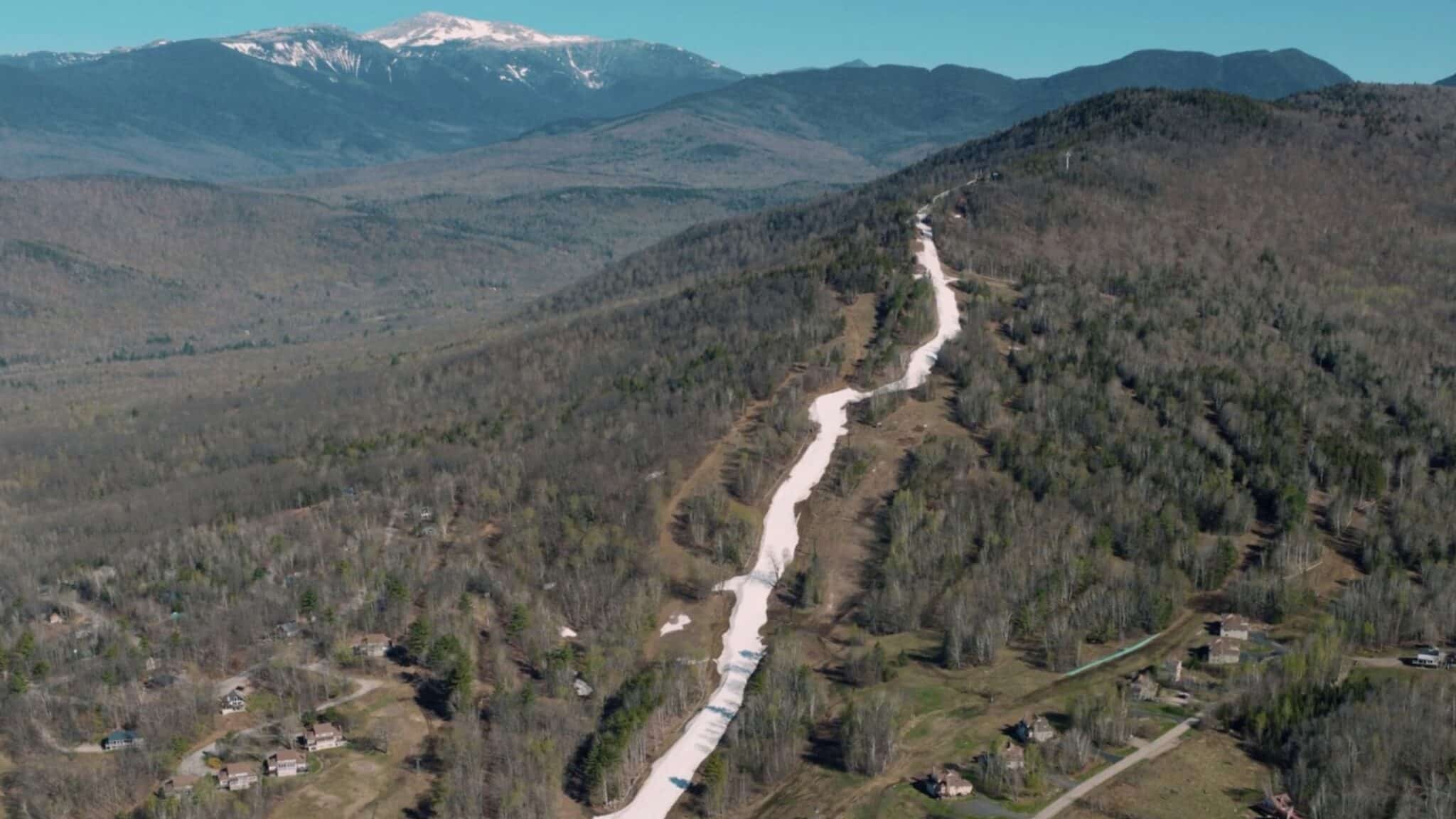
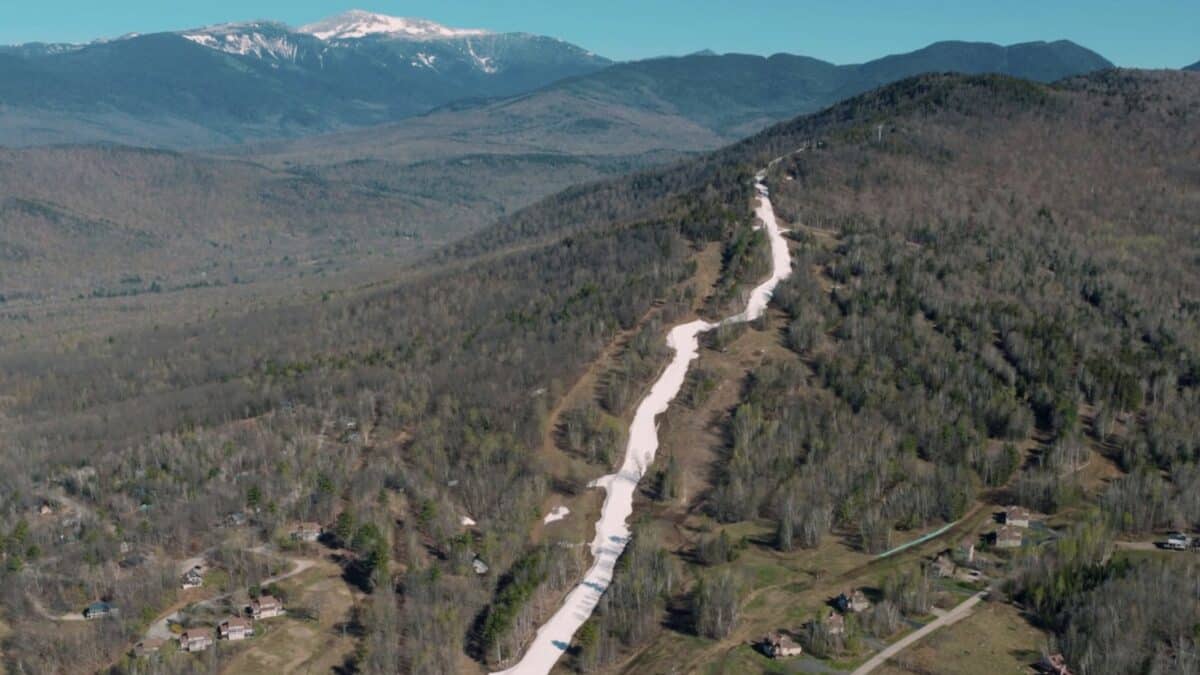
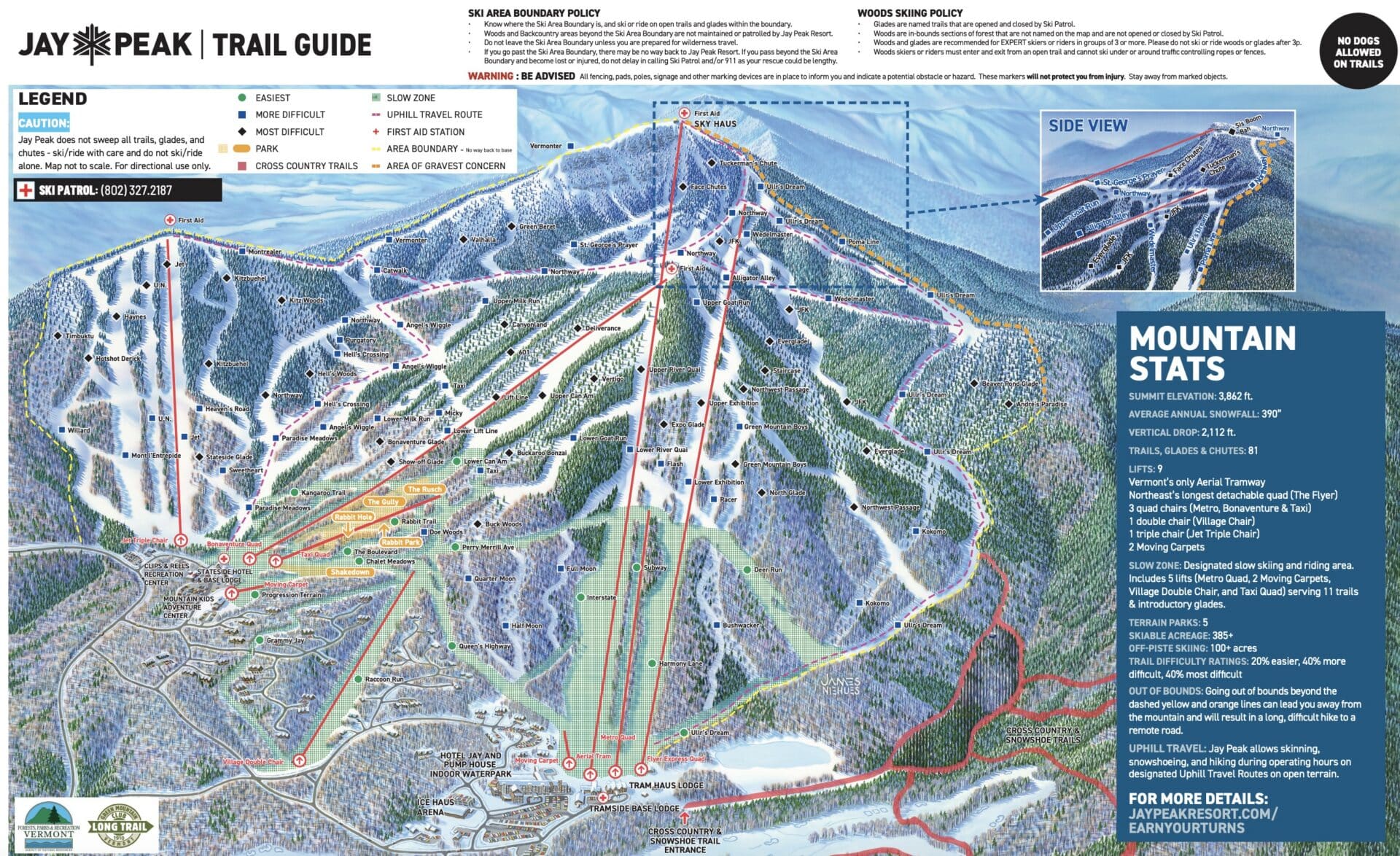
Jay Peak, renowned for its challenging terrain and consistent snowfall, is also concluding its 2025-2026 season this weekend. Despite an exceptional winter that saw 410 inches of snow, the spring thaw presented a familiar challenge. However, the resort’s advanced snowmaking capabilities allowed it to keep its base areas open through April. For the final weekend of operation, Jay Peak will focus its efforts on the Jet Triple chairlift, providing access to the single open trail, the Jet piste. The lift is scheduled to operate from 9:30 a.m. to 5:00 p.m. on both Saturday and Sunday.
Recent reports and visual evidence indicate a minimal snowpack on the Jet piste, suggesting that some "dirt skiing" may be inevitable. This phenomenon, where patches of exposed earth appear amidst the snow, is not uncommon for resorts operating late into the spring. Jay Peak has historically demonstrated a unique culture where skiers and snowboarders embrace these conditions with a sense of pride and camaraderie. The resort’s willingness to keep runs open, even with reduced snow cover, reflects a deep understanding of its core clientele who appreciate the opportunity to ski for as long as possible, regardless of pristine conditions.
The resort’s management acknowledged the challenges but emphasized the spirit of their community. "We’ve always been proud of our hardy skiers and riders, who understand that late-season skiing is a different kind of adventure," a representative stated. "Our snowmaking team has worked miracles to get us this far, and we’re excited to offer one last weekend of turns off the Jet Triple. It’s a testament to the mountain’s character and the dedication of our staff and our guests."
The Remaining Titans of New England Skiing
As Black Mountain and Jay Peak draw their curtains for the 2025-2026 season, only a select few resorts in the Northeast will continue to offer skiing and snowboarding. The remaining operational giants are Sommet Saint-Sauveur in Quebec, Canada, and Killington in Vermont. Sommet Saint-Sauveur is slated to conclude its season on Monday, May 19th, coinciding with Victoria Day, a statutory holiday in Canada. However, the resort demonstrates a commitment to winter sports enthusiasts year-round by hosting summer camps for park skiers throughout June, offering a transition for athletes looking to hone their skills in a different season.
Killington, often referred to as the "Beast of the East," is expected to remain open on weekends until natural snow conditions are no longer viable. Its extensive snowmaking capabilities and high-elevation terrain have historically allowed it to be one of the last standing resorts in the region. The resort’s ability to maintain operations into late spring is a significant draw for skiers and snowboarders seeking extended season access, and its continued operation after Black Mountain and Jay Peak’s closures solidifies its position as a late-season destination.
Analysis of Late-Season Skiing Trends and Economic Impact
The extended operational periods of resorts like Black Mountain and Jay Peak highlight a growing trend in the ski industry: the demand for longer seasons and the increasing reliance on advanced snowmaking technology. Historically, the ski season in New England was largely dictated by natural snowfall, with most resorts ceasing operations by mid-April. However, strategic investments in state-of-the-art snowmaking systems, coupled with a growing understanding of microclimates and snow preservation techniques, have enabled resorts to push their closing dates further into May and even June in some exceptional cases.
This extension has several economic implications. For resorts, it means increased revenue opportunities from lift tickets, food and beverage sales, and retail. It also allows for greater brand visibility and customer engagement beyond the traditional winter months. For skiers and snowboarders, it provides more opportunities to enjoy their sport, catering to those who prefer warmer weather skiing or simply want more time on the slopes. Furthermore, it can boost local economies in these mountain communities, extending the tourism season and supporting local businesses.
The success of Black Mountain and Jay Peak in maintaining operations into late spring also reflects a strategic adaptation to climate change challenges. While natural snowfall may become more variable, resorts that can leverage technology to create and preserve snow are better positioned for long-term sustainability. This approach not only ensures continued operations but also demonstrates a commitment to providing value to customers throughout a wider range of the year.
The efforts of these resorts are not merely about extending the season; they are about cultivating a culture of resilience and innovation within the ski industry. By pushing the boundaries of what is operationally possible, Black Mountain and Jay Peak are setting new benchmarks and inspiring other resorts to explore similar strategies. As the 2025-2026 season winds down in New England, the lessons learned and the extended enjoyment provided by these dedicated mountains will undoubtedly shape the future of spring skiing in the region and beyond. The dedication of their snowmaking crews and the enthusiasm of their patrons have made this a season to remember, and the anticipation for next year’s early openings and extended closings has already begun.
Image Credit: Black Mountain

