
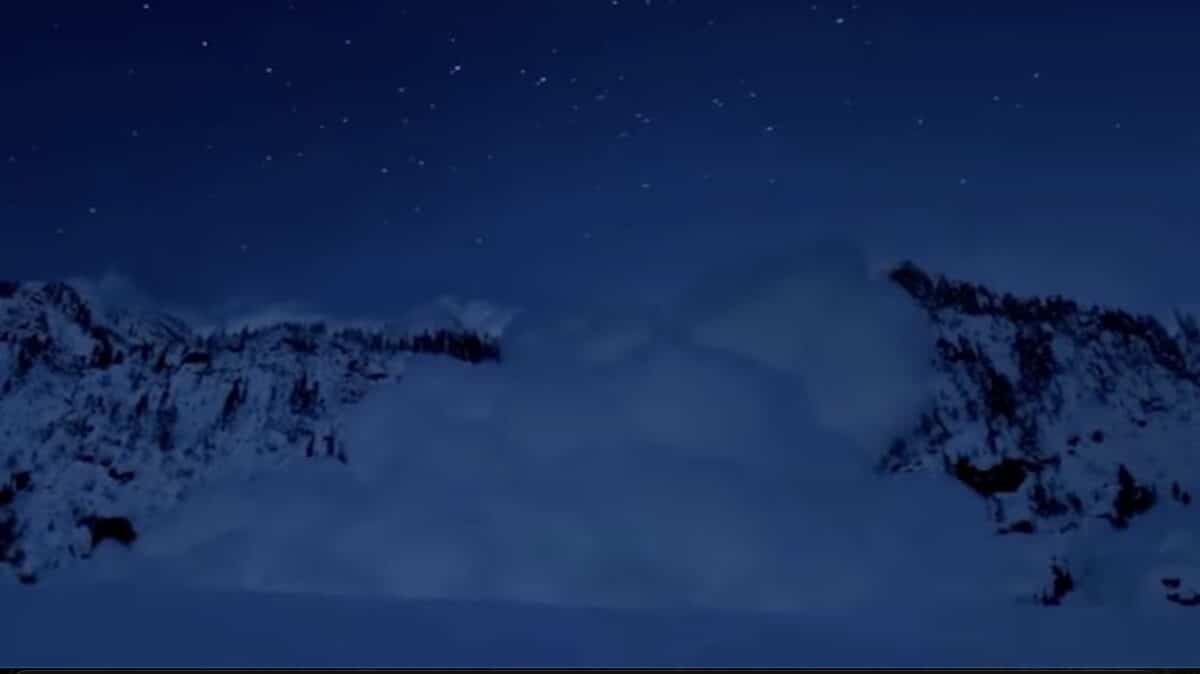
The world of extreme sports filmmaking has once again pushed the boundaries of visual storytelling, this time with breathtaking and potentially perilous footage from Chris Benchetler’s latest cinematic endeavor, "Mountains of the Moon." A particularly striking scene within the film features a camera being completely engulfed by a massive avalanche, offering viewers a visceral and unparalleled perspective of nature’s raw power. This dramatic moment, captured through meticulous planning and daring execution, has become a focal point of discussion surrounding the film’s release.
The Genesis of a High-Stakes Shot
"Mountains of the Moon," envisioned as a spiritual successor to Benchetler’s acclaimed 2016 film "Fire on the Mountain," aims to immerse audiences in the awe-inspiring beauty and inherent risks of high-altitude skiing and mountaineering. While the entire production is lauded for its exceptional cinematography and ambitious scope, the avalanche sequence stands out for its sheer audacity. The camera, far from being an accidental casualty, was intentionally placed in the path of the descending snow and ice.
Chris Benchetler himself detailed the intricate process behind capturing this extraordinary footage during a recent appearance on The Bomb Hole Podcast. This candid explanation shed light on the calculated risks involved and the technological considerations that made the shot possible. The decision to place expensive camera equipment in such a volatile environment underscores a commitment to achieving unique and impactful visuals that resonate deeply with viewers.
A Calculated Risk: The Technical Details
The avalanche itself was not a random event; it was triggered as part of the filmmaking process. This implies a deep understanding of snowpack dynamics and avalanche forecasting, essential for the safety of the film crew and the successful execution of the shot. The exact location and timing of the avalanche trigger would have been determined by experienced avalanche professionals working in conjunction with the film’s director and cinematographers.
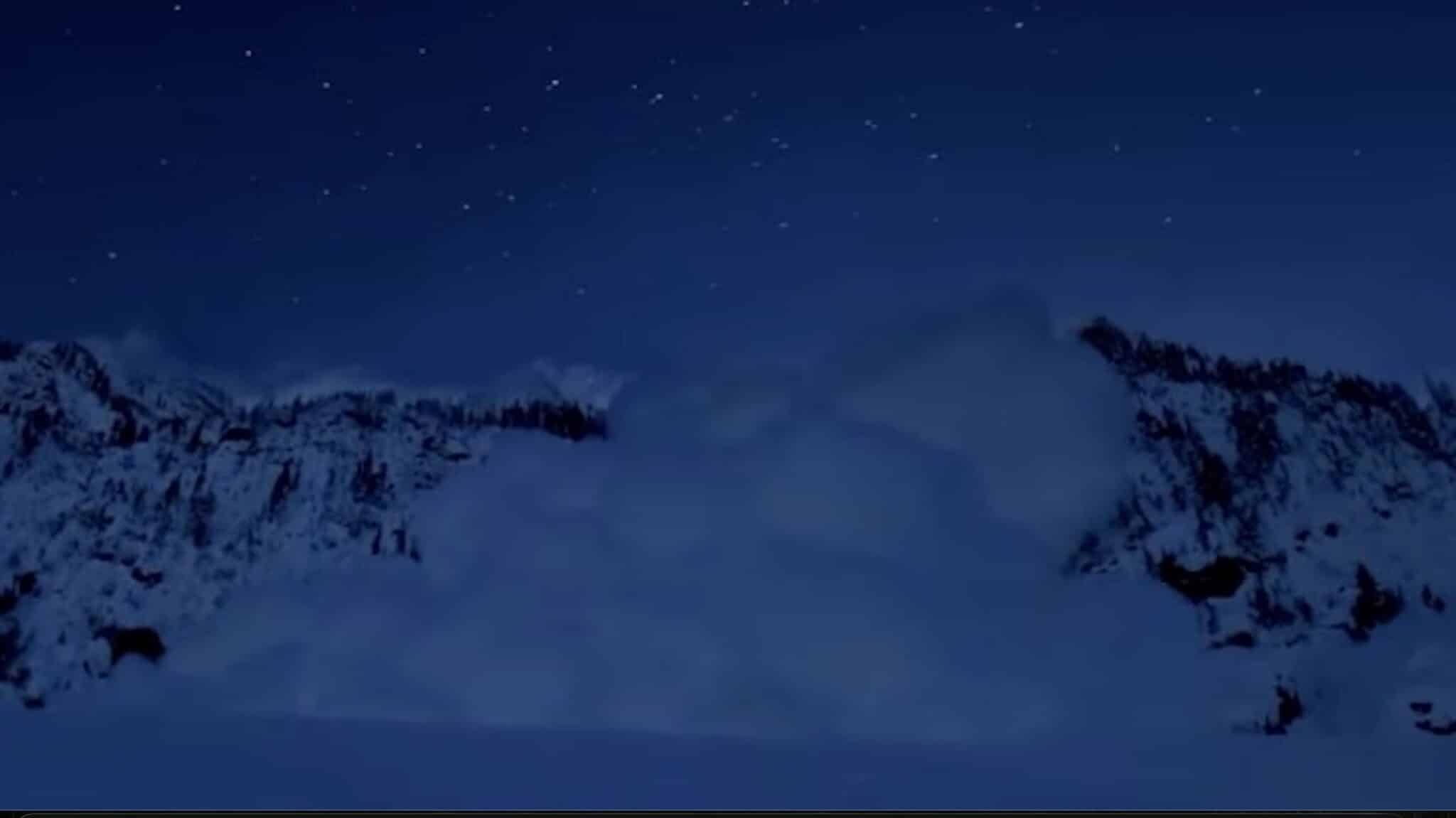
The camera, a crucial piece of equipment, was positioned in a specific zone identified as a likely path for a significant snow slide. The decision to bury a valuable camera, potentially costing tens of thousands of dollars, highlights the perceived artistic value of the resulting footage. Such a move requires a profound belief in the shot’s ability to elevate the film beyond conventional perspectives.
Crucially, the camera was not left unprotected. Benchetler revealed that two avalanche transceivers, or beacons, were strapped to the device. These beacons are standard safety equipment for backcountry skiers and snowboarders, emitting a signal that can be detected by other transceivers in a search scenario. Their inclusion on the camera served a dual purpose: aiding in its retrieval after being buried and demonstrating a proactive approach to mitigating the risks associated with the experiment. The successful recovery of the camera, along with its uncompromised footage, stands as a testament to the foresight and preparedness of the film crew.
The Avalanche Phenomenon: Data and Context
Avalanches are a significant natural hazard, particularly in mountainous regions during winter and spring. The destructive power of an avalanche is immense, driven by the sheer volume and velocity of snow, ice, and debris. The average avalanche can travel at speeds exceeding 80 miles per hour, carrying debris that can exert pressures of several tons per square foot. The energy released by a large avalanche can be equivalent to that of a small earthquake.
According to the Colorado Avalanche Information Center (CAVC), the state of Colorado experiences an average of 200 avalanches reported annually, with fatalities occurring with some regularity. The "Mountains of the Moon" incident, while carefully managed, serves as a stark reminder of the inherent dangers involved in such environments. The film’s focus on these powerful natural events places it within a genre that often explores the delicate balance between human endeavor and the untamed forces of nature.
The decision to film an avalanche from within its path is a bold one, rarely attempted due to the extreme risks. While drone technology and remote sensing have provided new avenues for capturing dangerous events, the intentional placement of a ground-based camera directly in the path of a slide represents a significant escalation in cinematic ambition.
Broader Implications and Industry Reactions
The "Mountains of the Moon" avalanche footage has sparked considerable discussion within the adventure sports and filmmaking communities. While many applaud the innovation and dedication to capturing such a unique perspective, others have raised questions about the ethics and safety protocols surrounding such extreme filmmaking practices.
Potential Analysis of Implications:
- Artistic Innovation: The footage pushes the boundaries of what is possible in adventure filmmaking, potentially inspiring other creators to explore new techniques and perspectives. It demonstrates a commitment to visceral storytelling that goes beyond traditional cinematography.
- Risk Assessment and Management: The successful execution of this shot, despite the inherent dangers, highlights the importance of meticulous planning, expert knowledge of natural hazards, and the use of appropriate safety equipment. It underscores that even in extreme situations, calculated risks can be managed.
- Technological Advancement: The success of this experiment may encourage further development in ruggedized camera equipment and remote sensing technologies capable of withstanding extreme environmental conditions.
- Ethical Considerations: While the footage is undeniably compelling, it also raises questions about the acceptable level of risk in pursuit of cinematic excellence. The potential for severe equipment loss, and more importantly, the safety of the film crew, are critical considerations.
- Audience Perception: The raw and unfiltered nature of the footage offers viewers an unprecedented, almost overwhelming, sensory experience. This can foster a deeper appreciation for the power of nature and the courage of those who venture into its domain.
Inferred Reactions from Related Parties:
- Fellow Filmmakers: It is likely that other adventure filmmakers have expressed admiration for the technical skill and creative vision involved. They may also be analyzing the methods used to replicate such a shot safely in future productions.
- Avalanche Safety Experts: Professionals in avalanche safety may have commented on the meticulous planning and the use of beacons, acknowledging the crew’s adherence to best practices while perhaps also reiterating the inherent unpredictability of avalanches.
- Sponsors and Partners: Companies that sponsored "Mountains of the Moon" are likely leveraging the dramatic footage for promotional purposes, recognizing its ability to generate significant public interest and reinforce brand association with extreme sports and cutting-edge filmmaking.
- Audience Members: Online discussions and social media reactions would likely range from awe and excitement to concern for the safety of those involved, reflecting a spectrum of engagement with the film’s most daring moments.
Conclusion: A Landmark in Visual Storytelling
The "Mountains of the Moon" avalanche footage is more than just a visually stunning clip; it is a testament to human ingenuity, a demonstration of calculated risk-taking, and a powerful reminder of the awe-inspiring forces of the natural world. By intentionally placing a camera in the direct path of an avalanche, Chris Benchetler and his team have achieved a cinematic feat that is both terrifying and exhilarating. The successful recovery of the footage, aided by the strategic use of avalanche transceivers, underscores the critical role of planning and technology in pushing the boundaries of visual storytelling in extreme environments. As the film continues to captivate audiences, this single, unforgettable scene will undoubtedly be remembered as a landmark achievement in adventure filmmaking, offering a unique and visceral perspective on the raw power of nature.

