
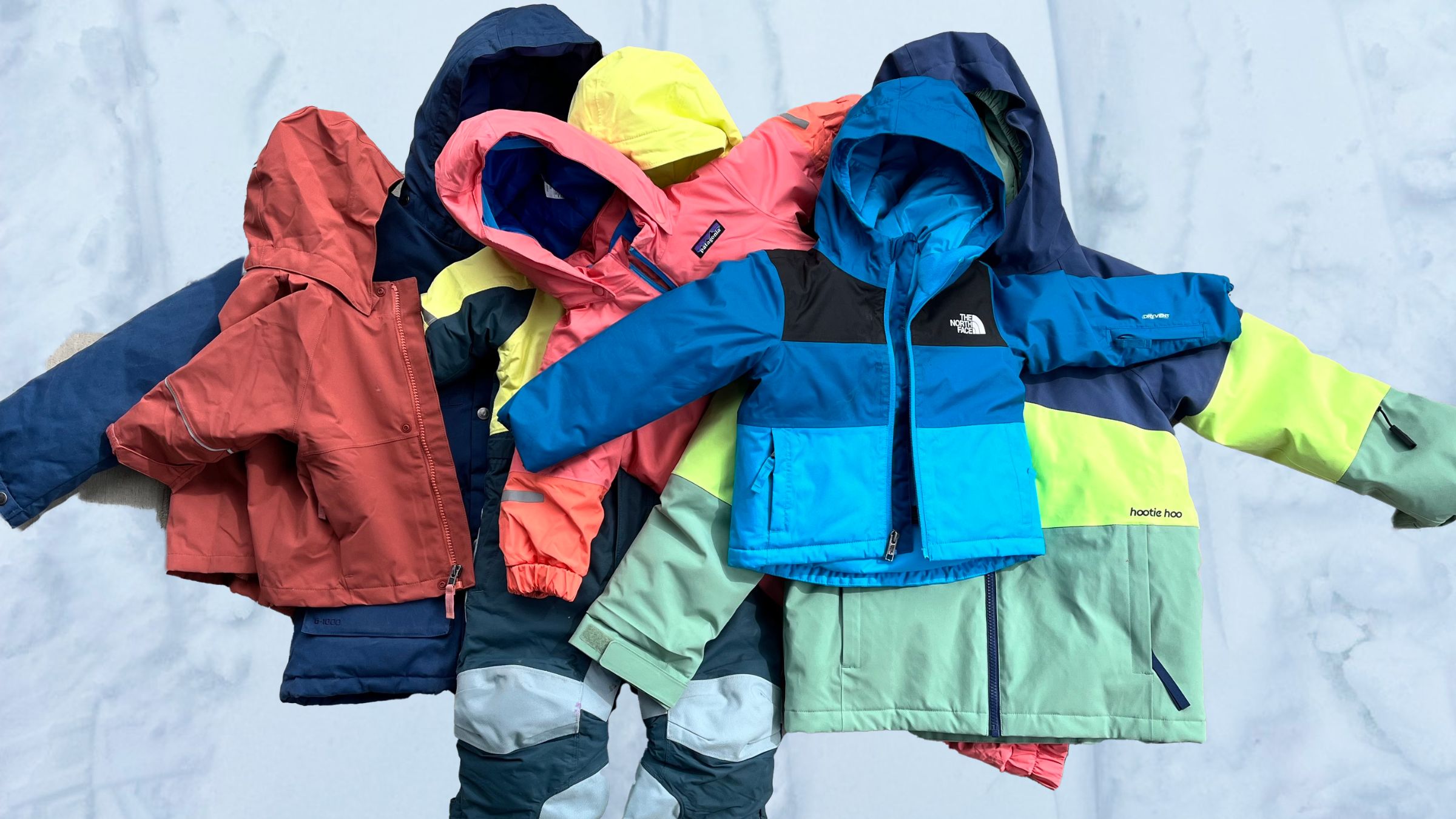
The perennial challenge for parents navigating winter sports with young children lies in selecting appropriate apparel that simultaneously provides warmth, ensures mobility, and withstands the rigors of active play, all while remaining a sensible investment given rapid growth spurts. This intricate balance is particularly critical for ski jackets, which must offer robust weather protection without transforming children into immobile, uncomfortable bundles. Through extensive real-world testing involving children aged one to seven, an independent review has identified five top-performing kids’ ski jackets and one snowsuit that successfully meet these multifaceted demands, offering an optimal blend of performance, durability, and value for the 2026 winter season.
The Conundrum of Kids’ Winter Wear: Balancing Warmth, Mobility, and Cost
For many parents, the initial instinct to heavily bundle children for cold weather, often inspired by nostalgic imagery like Ralphie in A Christmas Story, quickly gives way to the practical reality that excessive layering can severely impede movement and enjoyment. Children, especially those actively engaging in skiing, sledding, or general snow play, generate significant body heat. Over-insulation leads to sweating, which can paradoxically result in chilling once activity ceases. Conversely, inadequate protection exposes them to the risks of hypothermia and discomfort, diminishing their enthusiasm for outdoor pursuits. The ideal kids’ ski jacket, therefore, serves as a crucial piece of equipment, acting as a micro-climate regulator that protects against external elements while allowing internal moisture to escape.
Beyond the technical specifications, the economic reality of children’s clothing adds another layer of complexity. Children grow rapidly, often outgrowing garments within a single season. This necessitates a careful consideration of affordability and features that extend garment life, such as "grow-with-me" seam let-outs. Parents are understandably reluctant to invest heavily in premium-priced gear that will quickly become obsolete. This market dynamic has driven manufacturers to innovate, incorporating durable materials and adjustable designs into more accessible price points.
Evolution of Technical Apparel for Young Skiers
The evolution of children’s winter apparel mirrors advancements in adult outdoor gear, albeit with specific adaptations for smaller bodies and different activity patterns. Historically, children’s winter clothing relied on natural fibers like wool and cotton, often resulting in bulky, water-absorbent garments. The mid-20th century saw the introduction of synthetic insulations and rudimentary waterproofing, but it was the late 20th and early 21st centuries that brought about a revolution in technical fabrics.
Modern kids’ ski jackets leverage sophisticated materials such as waterproof-breathable membranes (e.g., polyurethane laminates or proprietary solutions) that prevent external moisture penetration while allowing water vapor from sweat to escape. This is often complemented by durable water repellent (DWR) finishes, increasingly PFAS-free, to shed water on the fabric surface. Insulation technologies have also advanced significantly, moving from heavy down and synthetic fills to lightweight, high-loft options like PrimaLoft, Heatseeker, and proprietary synthetic insulations. These materials offer superior warmth-to-weight ratios, maintain insulating properties even when damp, and are often made from recycled content, aligning with growing sustainability concerns.
Crucially, ergonomic design has become a cornerstone of children’s outdoor apparel. Jackets are cut to allow for a full range of motion, accommodating the dynamic movements of skiing and play. Features like articulated elbows, adjustable cuffs, integrated powder skirts, and helmet-compatible hoods are no longer exclusive to adult high-performance gear but are increasingly found in quality children’s offerings, enhancing both safety and functionality. The incorporation of growth features, such as extendable sleeves and pant legs, addresses the economic concerns of parents, prolonging the usable life of garments and reducing textile waste.
Rigorous Field Testing: Ensuring Real-World Performance
To provide a truly objective and practical assessment, the evaluation process for this guide eschewed laboratory simulations in favor of extensive real-world application. The testing regimen, led by Jenny Wiegand, Associate Gear Director at Outside and a seasoned lifelong skier with personal experience raising young skiers, involved a diverse cohort of child testers. The youngest participants included a 15-month-old and a 2.5-year-old, Wiegand’s own children, whose daily winter activities provided invaluable insights into garment performance during typical snow play, sledding, and initial ski experiences.
To broaden the demographic and usage scenarios, additional jackets were distributed to parents residing in established ski towns, including professional ski instructors whose children, ranging from three to seven years old, regularly engaged in more advanced on-slope activities. This comprehensive approach ensured that jackets were assessed across a spectrum of child ages, activity levels, and environmental conditions.
Testing environments were varied and representative of typical winter use:
- Ski Slopes: Evaluating jackets during actual ski lessons and recreational skiing, focusing on mobility, warmth retention during chairlift rides, and resistance to snow intrusion.
- Sledding Hills: Assessing durability against abrasive surfaces, waterproof integrity during prolonged contact with snow, and ease of movement during active descent and ascent.
- Ice Rinks: Examining thermal performance in static, colder conditions and flexibility for ice skating movements.
- Snowy Playgrounds and Backyards: Observing general comfort, ease of layering, and resilience during unstructured play, including building snowmen and making snow angels.
Parents and testers meticulously evaluated each jacket against a set of critical performance criteria:
- Warmth: Subjective assessment of insulation effectiveness across varying temperatures (ranging from 20 to 45 degrees Fahrenheit in the tests) and activity levels, noting any instances of overheating or chilling.
- Waterproofing: Verification of seam sealing and DWR treatment effectiveness during prolonged exposure to wet snow and slush.
- Breathability: Observing if children remained dry internally, indicating efficient moisture vapor transfer away from the body.
- Comfort and Mobility: Feedback from children and parents regarding freedom of movement, softness of internal linings, and absence of restrictive bulk.
- Durability: Resistance to tears, abrasions, and general wear and tear from active play.
- Kid-Friendly Features: Ease of use for zippers, pockets, and hood adjustments. Inclusion of essential features like powder skirts, ski pass pockets, and glove clips.
- Growth Features: The presence and effectiveness of seam let-outs to extend garment lifespan.
- Value: Assessment of overall performance and features relative to price, especially considering the transient nature of children’s sizing.
The final selections in this guide represent those jackets that garnered consistently positive feedback from both child testers and their parents, demonstrating a superior balance of weather protection, long-term durability, comfort, and practical value for growing children engaging in diverse winter activities.
Key Findings: The Top Kids’ Ski Jackets of 2026
The rigorous testing process culminated in the identification of five standout products, each excelling in specific categories while maintaining a high overall standard.
Hootie Hoo Kids Spruce Insulated Jacket: Overall Excellence
- Available sizes: 4-14
- Insulation: 80 g PrimaLoft Silver in body, 60 g in arms/hood
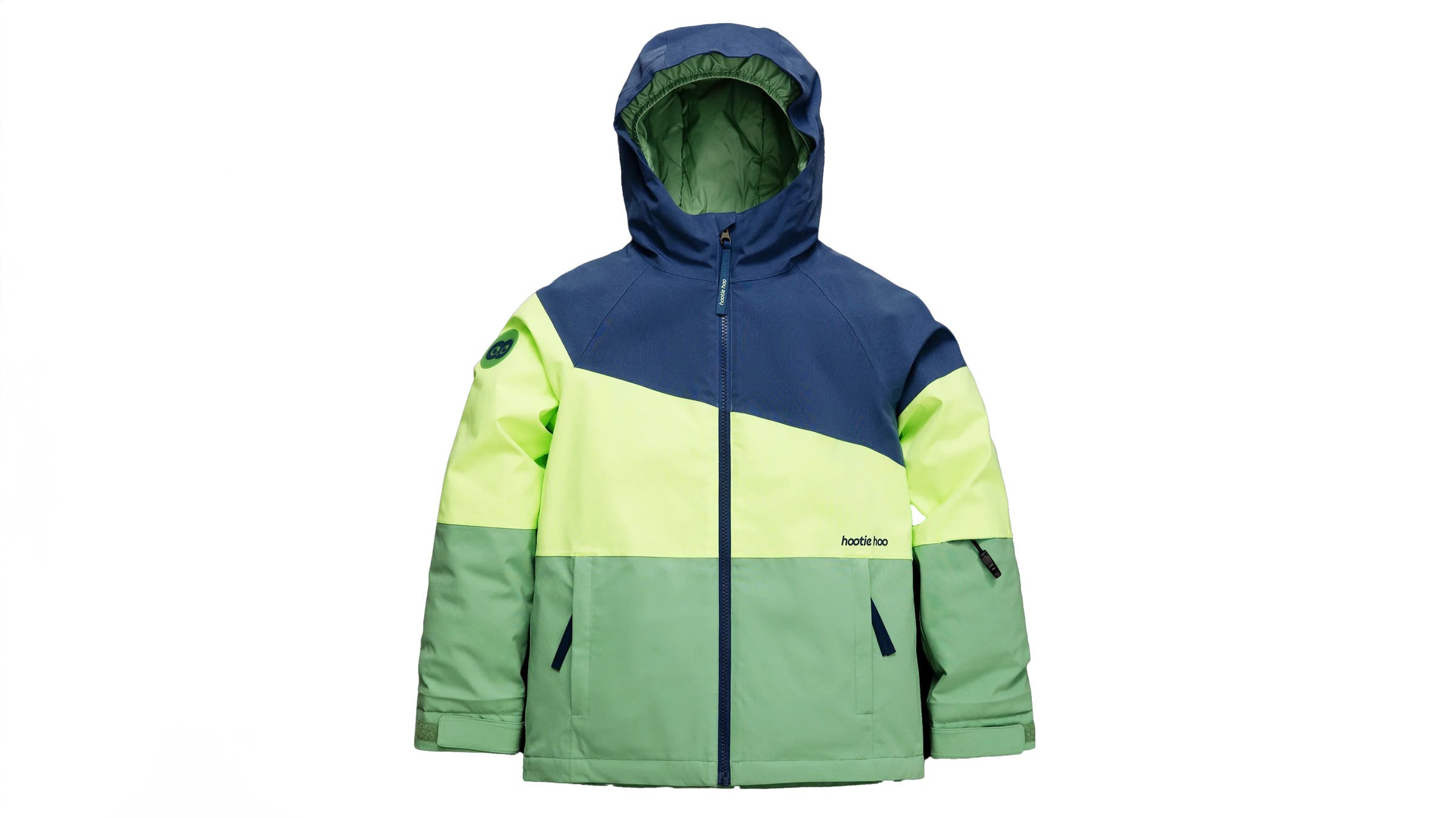
The Hootie Hoo Kids Spruce Insulated Jacket emerged as the top performer, distinguishing itself with a blend of premium features and thoughtful design typically reserved for adult outerwear. Founded by experienced skier moms and apparel designers in Vermont, Hootie Hoo’s ethos clearly prioritizes high-performance functionality for young enthusiasts. This jacket boasts a fully waterproof outer fabric with taped seams and a PFAS-free DWR finish, ensuring robust protection against moisture. Its insulation, PrimaLoft Recycled Silver, provides efficient warmth without excessive bulk, allowing for exceptional freedom of movement. The 7-year-old tester consistently gravitated towards this jacket, praising its non-crinkly, soft inner lining and vibrant aesthetic.
Key features contributing to its acclaim include an integrated powder skirt, a securely attached hood with a gaiter for helmet compatibility and face protection, a convenient sleeve pass pocket, fleece-lined hand pockets for warmth, and an internal stash pocket for small essentials. The "Seam let-out" feature is a significant advantage, extending the jacket’s usable life for growing children. While noted as "lightly insulated," it effectively kept testers warm down to 20 degrees Fahrenheit when paired with a mid-layer, making it ideal for active kids who generate their own heat. Its absence in toddler sizes is a minor drawback, but for its target age range, the Spruce Jacket sets a new benchmark for performance and value in kids’ ski apparel.
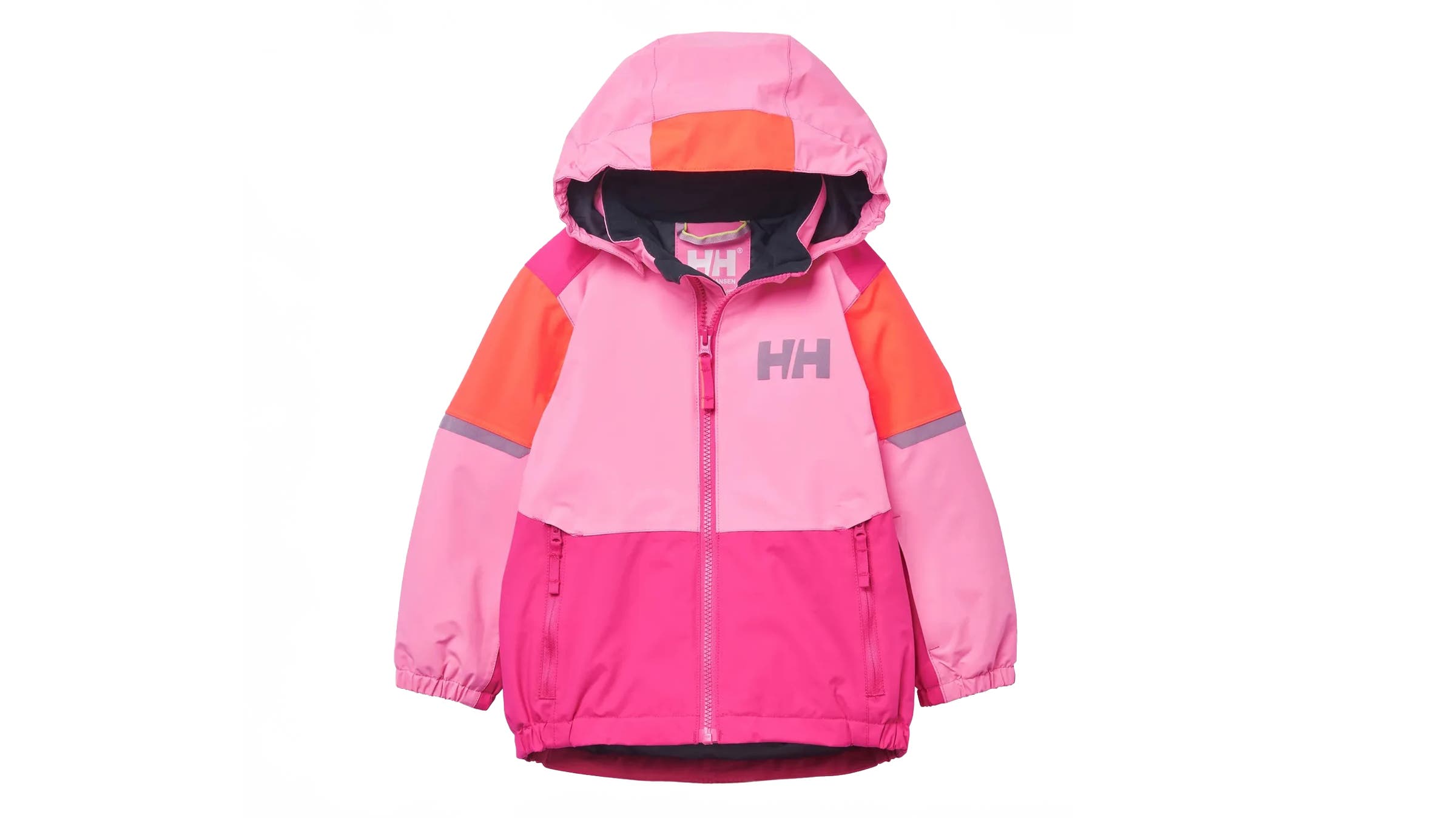
Helly Hansen Kids’ Rider Insulated Ski Jacket: Dependable Performance
- Available sizes: 1-8
- Insulation: 133 g PrimaLoft Black Eco in body, 100 g in arms/hood
The Helly Hansen Kids’ Rider Insulated Ski Jacket secured the runner-up position, living up to the brand’s longstanding reputation for reliable outdoor gear. This jacket provides consistent weather protection with a fully waterproof, yet breathable, shell and sealed seams, offering peace of mind for parents. The insulation, PrimaLoft Black Eco, strikes an excellent balance between warmth and bulk, proving effective across a broad temperature range (20 to 45 degrees Fahrenheit) during long days on the slopes. Parents appreciated its consistent performance in keeping children dry and comfortable.
Essential features include zippered hand pockets and a dedicated ski pass pocket, underscoring its utility for resort skiing. The adjustable and removable hood adds versatility. The primary factors preventing it from claiming the top spot were the absence of a powder skirt, Velcro-adjustable wrist cuffs, and critically, seam let-outs, which limit its multi-season usability for rapidly growing children. Despite these omissions, the Rider Insulated Jacket was perceived as a slightly warmer option than the Hootie Hoo Spruce, without compromising significantly on mobility, making it a highly dependable choice.
The North Face Kids’ Freedom Insulated Jacket: Unbeatable Value
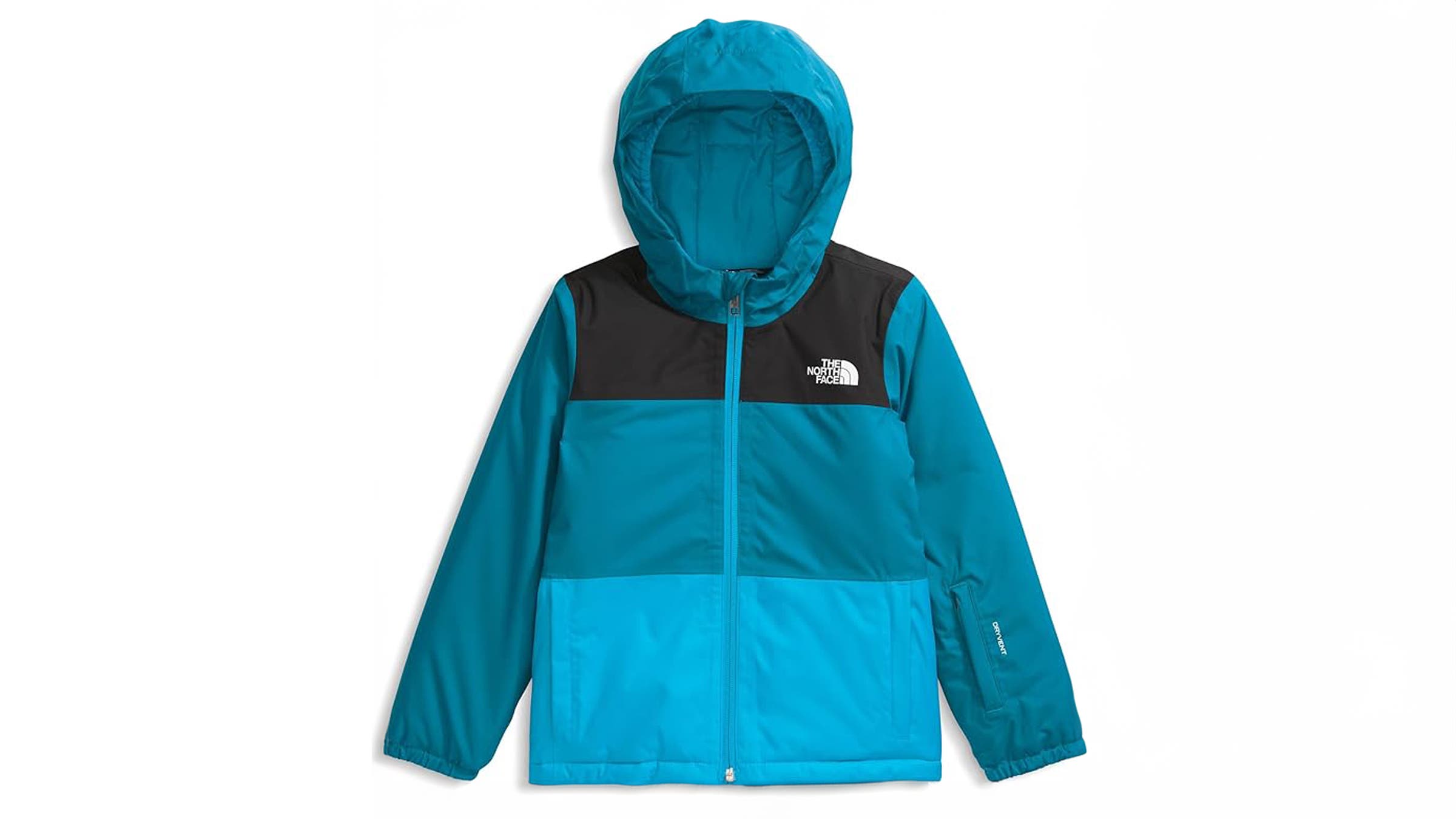
- Available sizes: 2T-7
- Insulation: 200 g Heatseeker polyester in body, 150 g in sleeves, 100 g in hood
For parents seeking robust performance without a premium price tag, The North Face Kids’ Freedom Insulated Jacket stands out as the best value. This jacket seamlessly transitions from ski slopes to backyard snow days, offering versatile protection. Its two-layer polyester shell, treated with a non-PFC DWR, delivers reliable waterproofing. The generous Heatseeker polyester insulation provides substantial warmth across the body, sleeves, and hood, ensuring comfort in cold conditions without causing overheating during strenuous activity. The 3-year-old tester remained warm and dry across various snow activities, from the magic carpet to making snow angels.
Despite its accessible price, the Freedom Jacket is feature-rich. It includes a sleeve pass pocket with a built-in goggle wipe, an integrated powder skirt to prevent snow ingress, and extendable cuff seam let-outs. This last feature significantly enhances its value proposition, allowing the jacket to accommodate growth over multiple seasons. While slightly bulkier and more restrictive in movement compared to the top-tier options, its comprehensive feature set and reliable performance at its price point make it an exceptional choice for budget-conscious families.
Obermeyer Ashor Jacket: Superior Warmth for Harsh Conditions
- Available sizes: 1-8
- Insulation: 220 g proprietary insulation in body, 180 g in sleeves, 80 g in hood
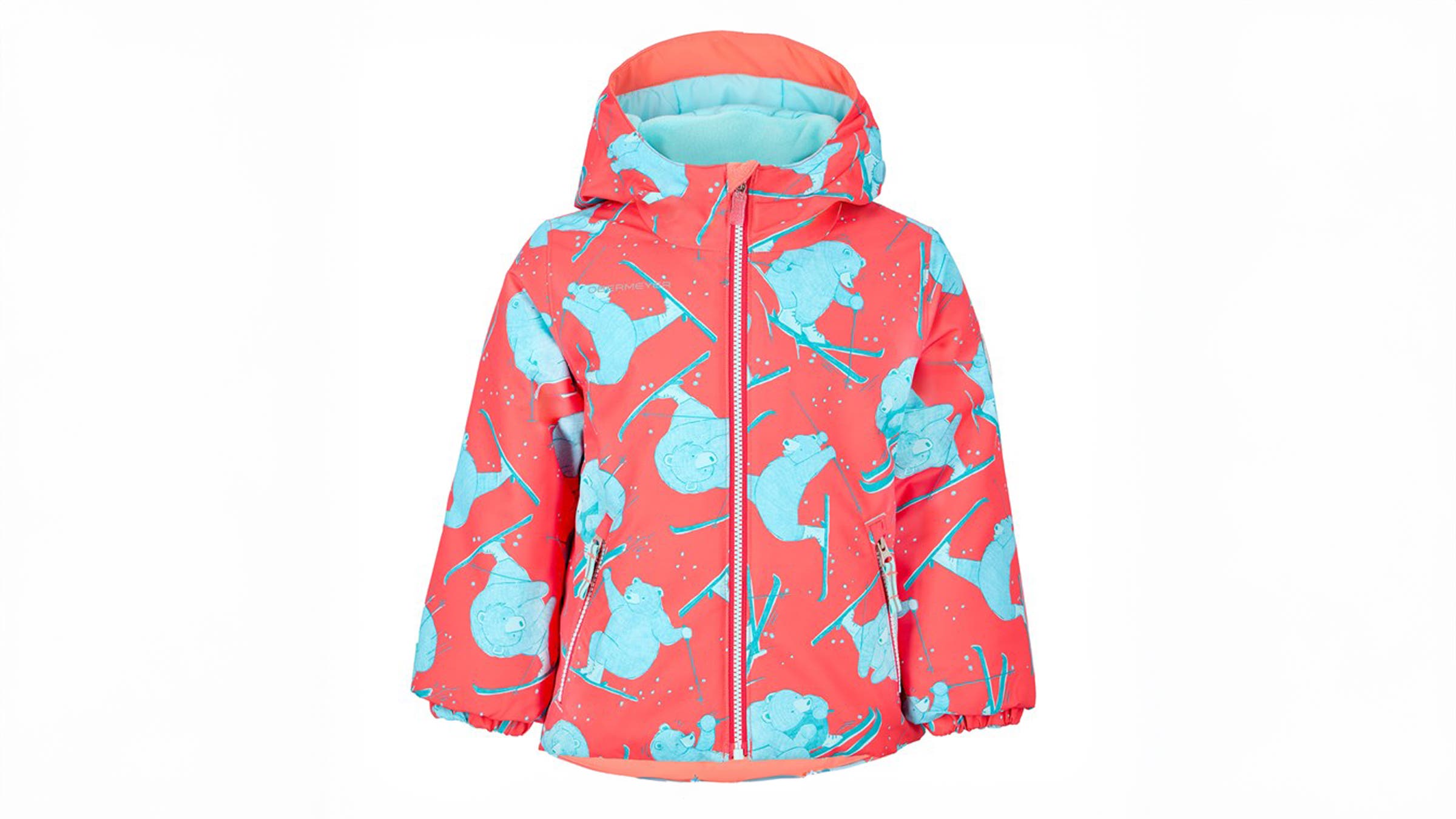
Obermeyer, a venerable name in children’s ski gear, continues its legacy with the Ashor Jacket, identified as the warmest option among those tested. Known for pioneering "grow-with-me" features and vibrant designs, Obermeyer delivers an affordable jacket packed with essentials for young skiers. The Ashor Jacket features an attached hood, an integrated powder skirt, and built-in glove clips in the wrists—a small but highly appreciated detail for preventing lost mittens. Its generous proprietary synthetic insulation across the body, sleeves, and hood ensures maximum warmth, making it an ideal choice for particularly cold or stormy conditions.
The Ashor Jacket’s primary strength is its thermal performance; it felt noticeably warmer than other jackets tested. The main drawback noted by testers was a relative lack of pockets. While it includes two zippered hand pockets, the absence of a dedicated pass pocket and an internal stash pocket for snacks or small items was missed. Nevertheless, for parents prioritizing warmth above all else, especially for younger children who may be less active or more susceptible to cold, the Ashor Jacket offers a cozy, functional, and aesthetically pleasing solution.
Patagonia Baby Snow Pile One-Piece: Optimal for the Youngest Adventurers
- Available sizes: 3-18 months (also available in toddler sizes)
- Insulation: 150 g Thermogreen polyester
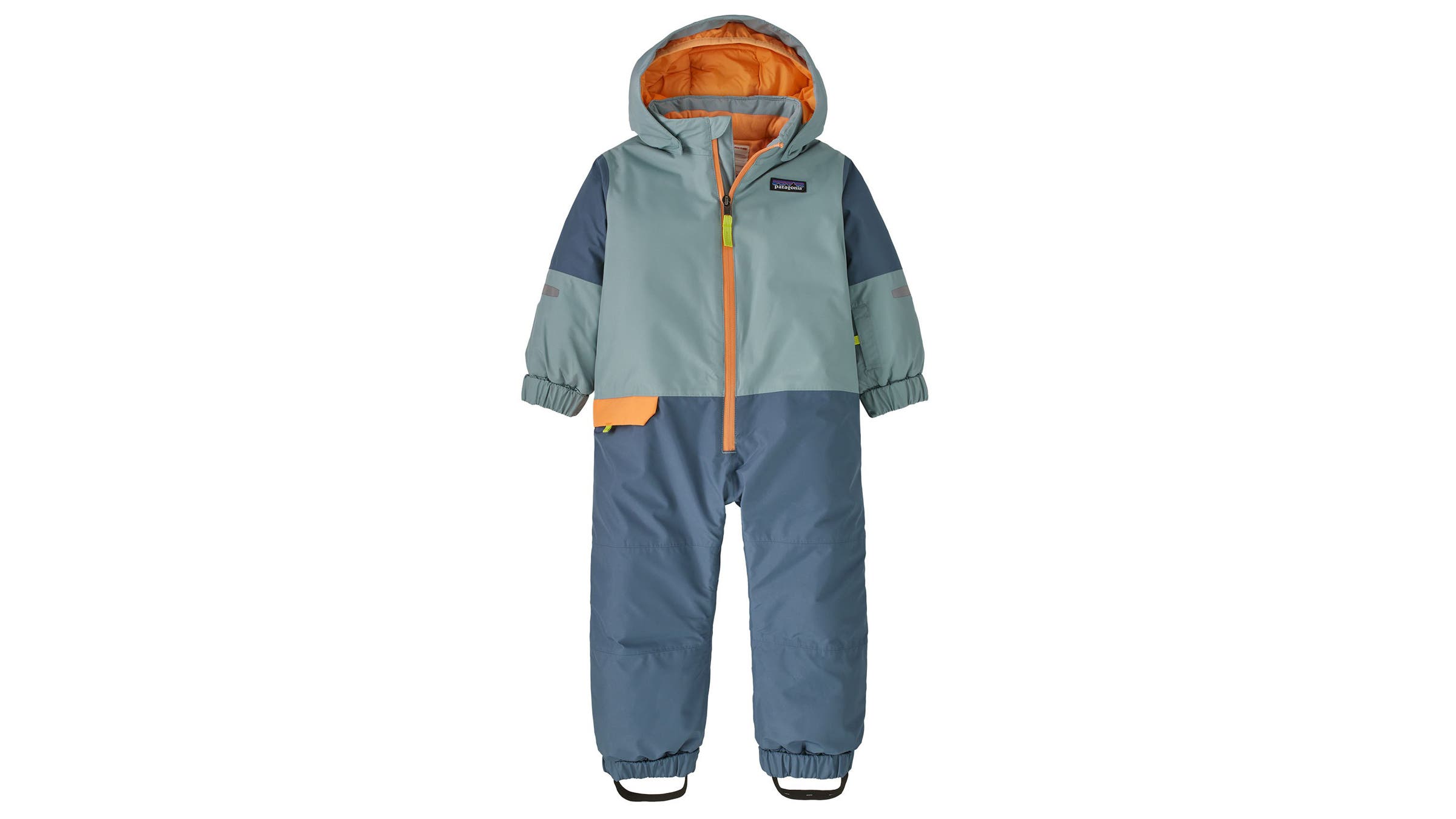
For the youngest members of the family, particularly babies and toddlers who generate less body heat, a one-piece snowsuit offers superior protection by creating a continuous barrier against cold and snow. The Patagonia Baby Snow Pile One-Piece emerged as the top recommendation for this age group, representing a significant investment that proves worthwhile for its comprehensive protection and thoughtful design. Its fully waterproof, seam-sealed shell, combined with 150 g Thermogreen polyester insulation, ensures maximum warmth and dryness.
Patagonia’s commitment to quality is evident in details like a sleeve pass pocket and articulation behind the knees, mirroring the brand’s adult outerwear. The cuff let-out seams are a crucial feature, extending the suit’s lifespan as toddlers grow. A notable fit observation was that Patagonia’s baby buntings tend to run large, meaning many children may get more than a single season of wear even before utilizing the extendable seams. While the price point is higher, especially if not purchased on sale, its durability and performance justify the investment, particularly when considering Patagonia’s strong environmental credentials, with Thermogreen insulation being made from recycled materials. The only minor critique was the absence of reinforced knees and elbows, which could further enhance long-term durability for highly active crawlers and toddlers.
Beyond the Slopes: The Broader Impact of Quality Kids’ Gear
The choice of children’s winter apparel extends beyond mere comfort and protection; it significantly influences a child’s early experiences with outdoor activities and their propensity to develop a lifelong love for winter sports. When children are warm, dry, and unencumbered, they are more likely to enjoy their time outdoors, explore new skills, and associate winter with positive experiences. Conversely, poorly performing gear can lead to discomfort, frustration, and a reluctance to participate, potentially stifling a burgeoning interest in skiing or other snow sports.
Quality kids’ gear also plays a crucial role in safety. Proper insulation prevents hypothermia, while effective waterproofing protects against chilling from wetness. Features like well-fitting hoods and bright colors enhance visibility, an important consideration on busy slopes or in low-light conditions. Furthermore, the increasing incorporation of recycled materials and PFAS-free DWR finishes in children’s apparel reflects a broader industry trend towards sustainability, teaching children the importance of responsible consumption and environmental stewardship from a young age.
The Future of Kids’ Outdoor Apparel
The market for children’s outdoor apparel continues to evolve, driven by parental demand for performance, value, and sustainability. Future innovations are likely to focus on even lighter, more efficient insulations, advanced waterproof-breathable fabrics with improved environmental profiles, and increasingly sophisticated growth-extending features. The integration of smart textiles that monitor temperature or activity levels, while currently niche, may also find its way into children’s wear, enhancing safety and parental peace of mind. Ultimately, the goal remains to equip the next generation of outdoor enthusiasts with gear that empowers them to explore, learn, and thrive in winter environments, fostering a deep and lasting connection with nature.

