
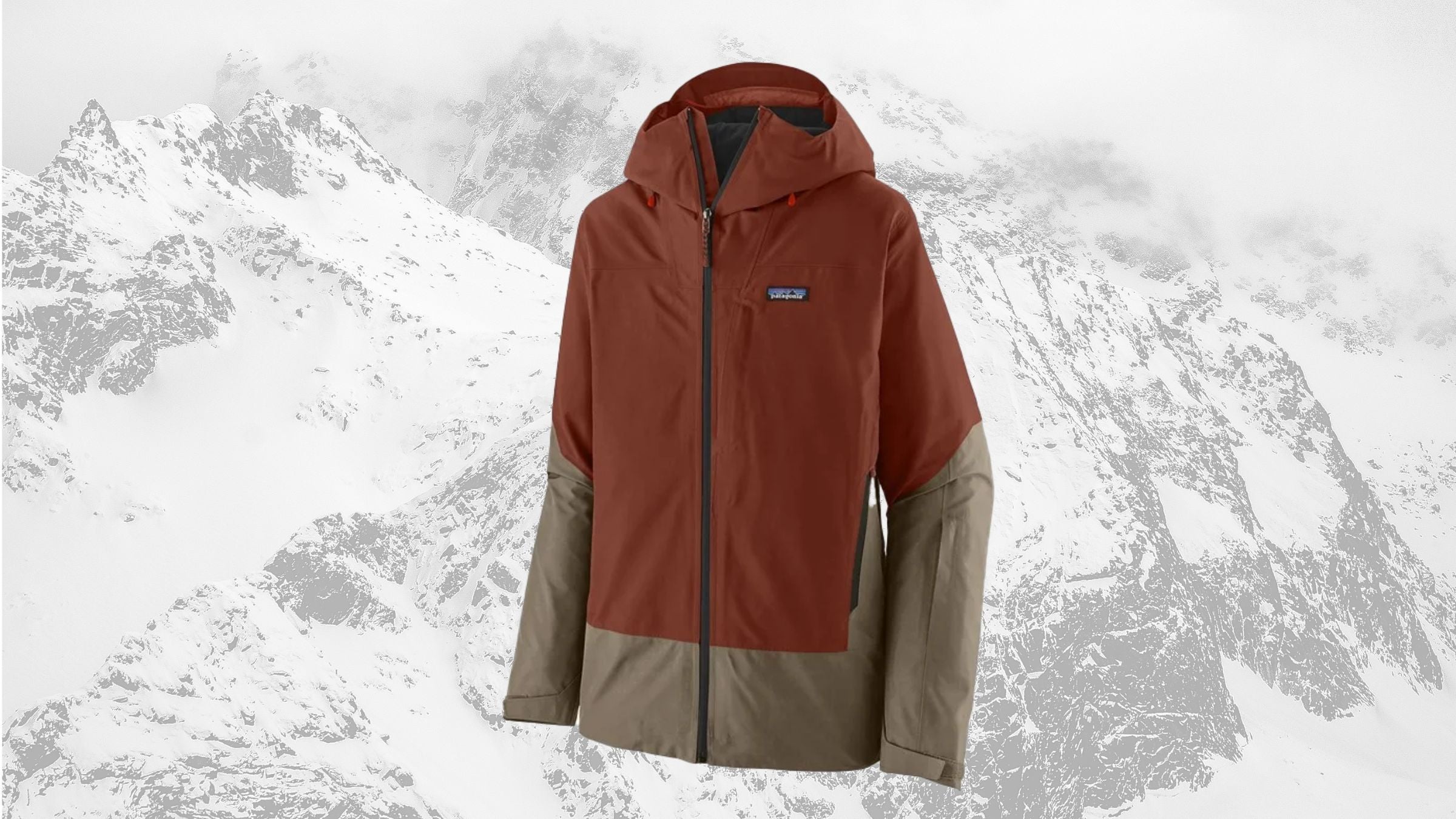
The highly sought-after Patagonia Storm Shift jacket, renowned for its superior weather protection, breathability, and sustainable manufacturing, has been observed on sale at an exceptional 40 percent discount, marking one of the most significant price reductions seen on premium Patagonia outerwear in recent memory. This rare offering, first noted on April 13, 2026, has prompted industry observers to scrutinize the potential implications for both Patagonia’s established brand strategy and the broader high-end outdoor apparel market. Such aggressive pricing from a brand synonymous with full-price exclusivity and unwavering commitment to environmental integrity is atypical, stirring considerable interest among consumers and competitors alike.
Patagonia’s Enduring Philosophy and Premium Positioning
Patagonia, founded by Yvon Chouinard in 1973, has meticulously cultivated a brand identity built upon principles of durability, functionality, and environmental stewardship. Unlike many apparel companies driven solely by profit margins, Patagonia has consistently prioritized ethical production, responsible sourcing, and a steadfast dedication to preserving natural environments. This philosophy is deeply embedded in its product development, from the selection of materials—often recycled, organic, or bluesign® approved—to its Fair Trade Certified™ factories. These commitments inherently contribute to higher production costs, which are then reflected in the premium pricing of their gear. For decades, consumers have accepted this pricing, viewing it as an investment in quality, longevity, and a brand that aligns with their values. The company’s unique ownership structure, which transitioned to a trust and non-profit organization in 2022 to dedicate all profits to fighting the environmental crisis, further underscores its distinct market position. Consequently, significant discounts on Patagonia products are traditionally scarce, reserved typically for end-of-season clearance events or limited promotions, and rarely reaching the 40 percent threshold for a flagship technical garment like the Storm Shift jacket.
The Storm Shift Jacket: A Deep Dive into Technical Excellence
The Patagonia Storm Shift jacket exemplifies the brand’s engineering prowess, designed to meet the rigorous demands of both resort and backcountry skiing. At its core is a robust Gore-Tex membrane, the industry benchmark for waterproof and breathable performance. Gore-Tex technology relies on an expanded polytetrafluoroethylene (ePTFE) membrane containing billions of microscopic pores—each pore 20,000 times smaller than a water droplet, preventing liquid water from penetrating, yet 700 times larger than a water vapor molecule, allowing perspiration to escape. This dual functionality is crucial for maintaining comfort and preventing chilling in dynamic mountain environments.
Beyond its foundational membrane, the Storm Shift jacket incorporates a suite of features meticulously designed for functionality and user experience. Fully taped seams provide an additional barrier against moisture ingress, reinforcing the jacket’s waterproof integrity. Pit zips, strategically placed under the arms, offer rapid ventilation control, allowing users to dump excess heat during strenuous ascents or fluctuating temperatures without needing to remove the jacket. The helmet-compatible hood is engineered for seamless integration with ski helmets, offering comprehensive head and neck protection against wind, snow, and rain, while its adjustable drawcords ensure a secure fit without impeding peripheral vision. A high collar further shields the lower face and neck from the elements. Storage solutions are thoughtfully integrated, featuring multiple exterior pockets—including handwarmer pockets and chest pockets—and interior pockets for securing essentials like goggles, phones, and avalanche transceivers. The jacket’s articulated fit allows for unrestricted movement, essential for skiing, while adjustable cuffs and a powder skirt (often a standard feature in high-end ski jackets, though not explicitly mentioned for this specific model, it’s a common expectation) further seal out snow and cold. Its robust construction is designed to withstand the abrasions and impacts inherent in mountain sports, promising years of reliable performance, a testament to Patagonia’s commitment to product longevity.
The Landscape of Outdoor Apparel Sales and Market Trends (2025-2026)
The timing of this significant discount, observed in April 2026, warrants a closer look at the broader market trends impacting the outdoor apparel industry. Historically, April often marks the winding down of the winter sports season in many regions, making it a logical period for retailers to clear out cold-weather inventory to make way for spring and summer collections. However, a 40 percent reduction on a core technical piece from Patagonia is still noteworthy, even within seasonal sales cycles.
The outdoor apparel market experienced a surge in demand during the initial years of the COVID-19 pandemic, as consumers sought recreation in open spaces. This led to increased sales of hiking, camping, and skiing gear. Post-pandemic, while interest in outdoor activities remains robust, the market has seen some normalization. Data from industry analysts, such as those published by the Outdoor Industry Association (OIA) or NPD Group, indicated continued growth in outdoor participation through 2024 and 2025, albeit with some shifts in consumer spending patterns. Inflationary pressures and economic uncertainties in the mid-2020s have led consumers to be more discerning with discretionary purchases, even for premium goods. This could contribute to a market environment where even top-tier brands might strategically adjust pricing to stimulate demand or manage inventory levels more actively than in previous boom periods. The global outdoor apparel market was projected to reach significant valuations, with compound annual growth rates (CAGR) often exceeding 5-7% in the years leading up to 2026, driven by rising health consciousness and eco-tourism trends. However, this growth is not uniform across all segments or brands.
Broader Implications: A Strategic Move or Market Response?
The 40 percent discount on the Storm Shift jacket raises several questions regarding Patagonia’s market strategy.
For Consumers: This sale represents an extraordinary opportunity to acquire a top-tier technical jacket at a substantially reduced price. For many, Patagonia’s premium pricing has been a barrier to entry, making this discount a gateway to experience the brand’s renowned quality and ethical manufacturing without the full financial commitment. This could potentially broaden Patagonia’s customer base, attracting individuals who might otherwise opt for less expensive alternatives. However, the transient nature of such deep discounts means that inventory and specific sizing typically vanish quickly, necessitating swift action from interested buyers.
For Patagonia: A discount of this magnitude could be interpreted in several ways. It might be a strategic decision to clear existing inventory in anticipation of new product lines or updated versions of the Storm Shift jacket. Product cycles in the outdoor industry often involve annual or biennial updates, and clearing older stock efficiently is a common practice. Alternatively, it could be a response to a slight softening in demand for high-end winter apparel in specific market segments, or a calculated move to maintain market share amidst increased competition from other premium brands like Arc’teryx, Mammut, and The North Face, which also occasionally offer promotional pricing. While Patagonia traditionally avoids aggressive discounting to preserve its brand image of uncompromising value, targeted sales on specific models can be a way to balance inventory management with brand perception, especially if managed carefully through authorized retailers like Evo (as indicated in the original image context).
For the Outdoor Industry: Such a prominent sale from Patagonia could potentially set a precedent or influence pricing strategies across the premium outdoor gear segment. If a brand known for its full-price model begins offering deeper discounts, competitors might feel pressure to follow suit to remain competitive. This could lead to a more promotional environment in the high-end market, beneficial for consumers but potentially challenging for brands accustomed to higher margins. Industry analysts, while refraining from direct speculation on internal company decisions, might infer that even market leaders are adapting to evolving consumer spending habits and a dynamic retail landscape. A spokesperson for an outdoor industry trade group, speaking generally on market trends, might comment that "brands are constantly evaluating inventory levels and market demand, and strategic pricing adjustments are a common tool to optimize sales channels, especially during transitional periods between seasons."
Sustainability, Durability, and the Value Proposition
Even at a discounted price, the underlying value proposition of the Patagonia Storm Shift jacket remains deeply rooted in its sustainability credentials and inherent durability. The company’s commitment to using recycled materials, reducing its environmental footprint, and ensuring fair labor practices adds a layer of ethical value that transcends mere functionality. Consumers are increasingly seeking products that align with their values, and Patagonia has been at the forefront of this movement. A durable jacket that lasts for many seasons, supported by Patagonia’s renowned repair service, inherently reduces consumption and waste, embodying a circular economy approach. This long-term value proposition is often cited by consumers as a justification for the initial investment, and a 40% discount only enhances this value.
Future Outlook and Consumer Response
The rapid disappearance of inventory for such sales underscores the strong consumer demand for high-quality outdoor gear, particularly when accessible at more attractive price points. This event highlights the ongoing tension between a brand’s desire to maintain premium pricing and exclusivity, and the market’s appetite for value. As the outdoor apparel market continues to evolve, influenced by economic factors, sustainability concerns, and shifts in consumer behavior, strategic pricing initiatives from leading brands like Patagonia will remain a critical area of observation. The 40 percent discount on the Storm Shift jacket is not merely a transactional event; it is a signal of the dynamic interplay between brand ethos, market realities, and consumer aspirations in the competitive world of high-performance outdoor equipment. Consumers are advised to act quickly when such opportunities arise, as the combination of premium quality and significant savings is rarely sustained.

