
At least twelve ski areas across the western United States have announced earlier-than-expected closures or the cessation of operations for the season, a direct consequence of a winter characterized by alarmingly low snowfall, prolonged periods of unseasonably warm temperatures, and a rapid late-season thaw that has extinguished any lingering hopes for a robust spring skiing period. This trend, particularly pronounced in California and Colorado, highlights a growing vulnerability within the ski industry to climate-driven shifts in weather patterns.
The visible impact of this anomalously warm and dry winter is starkly evident across the mountainous regions of the West. In California, ski operators throughout the Sierra Nevada range have been compelled to shorten their operating seasons. Declining snowpack at lower elevations, exacerbated by rising temperatures, has led to the premature closure of numerous lifts and trails. The situation in Colorado is equally dire, with state officials reporting that the current winter’s snowpack has reached its lowest level since comprehensive statewide record-keeping commenced in 1941. This historical nadir in snow accumulation underscores the severity of the challenges facing resorts in the Rocky Mountain region.
In response to these deteriorating conditions, a significant number of ski areas have opted to advance their closing dates, temporarily suspend operations, or make the difficult decision to shut down for the remainder of the season. Palisades Tahoe, a prominent resort that had initially targeted a Memorial Day weekend closing, has revised its projections and now anticipates concluding its operations in late April. Similarly, Northstar has announced an accelerated closure date of April 5th, significantly earlier than its originally planned schedule. In the Pacific Northwest, Mt. Hood Meadows in Oregon has also confirmed an early termination of its season, citing an "unusually warm and dry winter" as the primary factor.
The repercussions of this challenging winter extend far beyond the major destination resorts, impacting a broad spectrum of the industry. A comprehensive tally compiled by Unofficial Networks in March revealed a growing list of dozens of western ski areas that had already initiated early closures, paused their operations, or announced abbreviated seasons. These closures span a wide geographical area, affecting resorts in Arizona, California, Colorado, Idaho, Montana, Nevada, New Mexico, Oregon, Utah, Washington, and Wyoming.
While many of these closures appear definitive for the current season, the situation remains fluid for some smaller mountains. These resorts have indicated a potential for reopening should a significant late-season storm system deliver substantial snowfall. This contingency underscores the precariousness of the current conditions and the increasing reliance on unpredictable weather events for a viable operating season. For many in the ski community, this winter has been described as one of the most challenging, if not the strangest, in recent memory.
The Economic and Operational Impact of a Low-Snow Winter
For ski areas that depend heavily on robust snowfall throughout March and April to sustain momentum into the crucial spring months, the weak performance of the latter half of this season has ignited serious discussions about the increasing volatility of low-snow winters. This unpredictability poses significant challenges for operational planning, marketing, and financial forecasting. Resorts must grapple with the growing difficulty of making long-term strategic decisions when the fundamental element of their business – snow – is becoming increasingly unreliable.
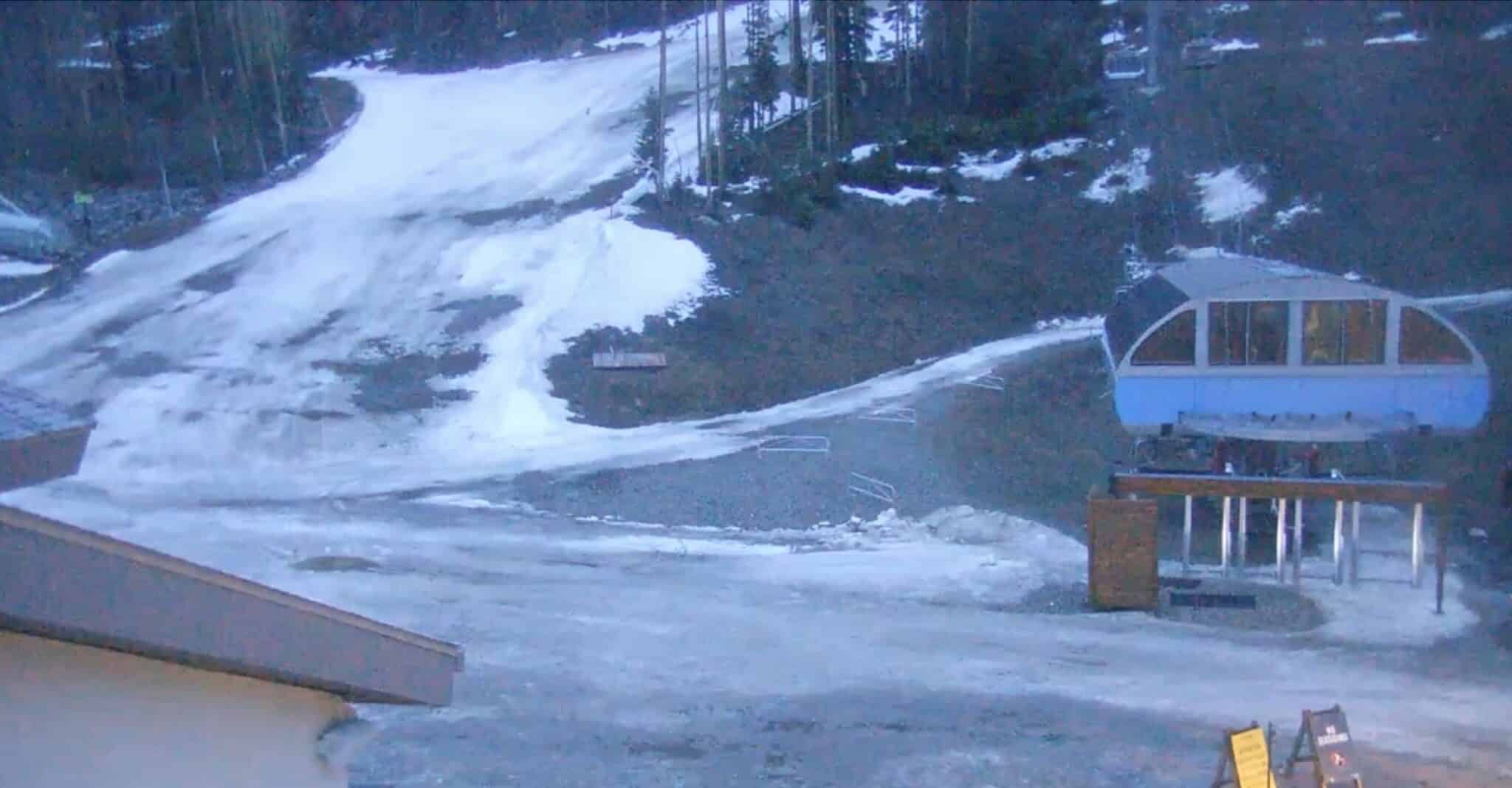
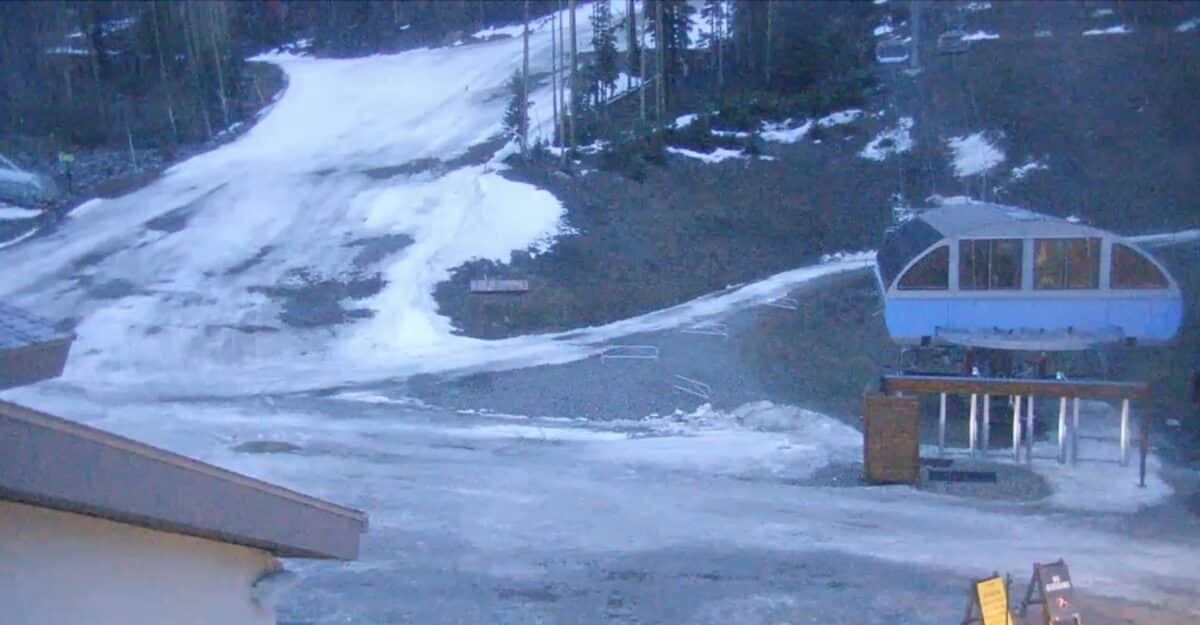
The consequences for skiers and snowboarders are equally significant, translating into a premature end to the season at mountains that would typically be preparing for their busiest spring weekends. This means fewer opportunities for recreational enthusiasts to enjoy their passion, reduced revenue for local economies that depend on ski tourism, and a potential shift in consumer behavior as they reassess their winter vacation plans in light of increasing climate uncertainty.
Understanding the Climate Context
The current winter’s performance is not an isolated incident but rather a continuation of a broader trend of warming winters observed across many mountainous regions of the western United States. Scientific consensus points to climate change as a significant driver of these shifts. Rising global temperatures, amplified at higher altitudes, are leading to:
- Reduced Snowfall: Warmer air can hold more moisture, but precipitation often falls as rain rather than snow at lower and mid-elevations. This leads to less accumulation and a shorter snow season.
- Earlier Snowmelt: Even when snow does fall, warmer temperatures accelerate its melting process, particularly in the spring. This reduces the duration of skiable terrain and can lead to early season closures.
- Increased Variability: While overall warming is evident, climate change can also lead to more extreme weather events, including periods of intense drought interspersed with potentially heavy, but short-lived, snowfall. This makes consistent snowpack management increasingly difficult.
Data Supporting the Trend
Data from various meteorological and environmental agencies provides concrete evidence of these warming trends and their impact on snowpack. For example, the Natural Resources Conservation Service (NRCS) snow surveys consistently show declining snow water equivalent (SWE) – a measure of the amount of water held in the snowpack – in many western mountain ranges over the past several decades. While year-to-year variations are expected, the long-term trajectory is concerning for snow-dependent industries.
According to data from the National Oceanic and Atmospheric Administration (NOAA), the average temperature in the western United States has been increasing, with many regions experiencing warmer winters than historical averages. This warming trend directly impacts the snow-to-rain ratio and the persistence of snow cover on mountains. The low snowpack levels reported in Colorado this year, reaching lows not seen since 1941, serve as a particularly potent indicator of this ongoing environmental shift.
Industry Reactions and Future Implications
The widespread early closures have elicited a range of reactions from ski resort operators, industry associations, and environmental scientists. While specific official statements from all affected resorts are not available, the common theme revolves around the need for adaptation and innovation.
"This winter has been a stark reminder of the challenges posed by a changing climate," stated a spokesperson for a major western ski resort group, who wished to remain anonymous due to ongoing season-end operations. "We are constantly evaluating our snow management strategies, exploring new technologies for snowmaking, and diversifying our offerings to be less reliant on natural snowfall. However, there are limits to what technology can achieve when the fundamental weather patterns are shifting so dramatically."
Industry leaders are increasingly vocal about the need for proactive measures. This includes investing in more efficient snowmaking systems, exploring alternative revenue streams such as summer activities and year-round attractions, and engaging in advocacy for climate action. The economic implications for communities that depend on ski tourism are significant, potentially leading to job losses, reduced tax revenues, and a decline in local businesses.
Analysis of Broader Impact
The current season’s performance serves as a critical case study for the long-term viability of ski resorts in a warming world. It underscores the interconnectedness of climate, environment, and economy. The trend of early closures and reduced operating seasons raises several critical questions:
- Economic Sustainability: How can ski resorts maintain profitability and economic sustainability in an era of increasingly unpredictable snow conditions?
- Investment and Infrastructure: What level of investment is warranted in snowmaking and other climate adaptation technologies, and what are the returns?
- Community Resilience: How can mountain communities diversify their economies to reduce their reliance on a single, climate-vulnerable industry?
- Consumer Behavior: How will consistent poor snow years influence skier and snowboarder travel patterns and destination choices?
While the immediate concern is the current operating season, the long-term implications are far-reaching. The ski industry, like many others, is at a critical juncture, requiring strategic foresight, technological innovation, and a commitment to addressing the root causes of climate change.
It is important to note that as of the reporting date, no ski resorts have announced permanent closures solely due to this season’s conditions. The statement regarding permanent closures in the original context was an April Fool’s Day jest. However, the economic pressures and operational challenges presented by winters like this one will undoubtedly continue to test the resilience of ski areas across the western United States. The industry’s ability to adapt and innovate will be paramount in navigating the evolving landscape of winter recreation.

