
Wyoming’s ski season is drawing to a close, with most of its renowned resorts shuttering their operations in the face of an unseasonably warm and unpredictable winter. While the state is celebrated for its challenging terrain and exceptional skiing experiences, from the legendary steeps of Jackson Hole to the powdery bowls of Grand Targhee, this year’s weather has presented a significant hurdle for many operators and enthusiasts alike. As of early April, only a select few ski areas remain open, highlighting the impact of fluctuating temperatures and inconsistent snowfall across the Rocky Mountain region.
The Shifting Landscape of Wyoming Skiing
Wyoming, a state not typically characterized by a vast number of ski resorts, compensates with the quality and reputation of its offerings. Destinations such as Jackson Hole Mountain Resort, Grand Targhee Resort, and Snow King Mountain are globally recognized for their demanding slopes and abundant snowfall, attracting a dedicated clientele of advanced skiers and snowboarders. However, the 2025-2026 winter season has defied expectations. A notable departure from typical patterns, the season has been marked by a series of warm spells and a general lack of sustained, significant snowfall across much of the state.
This meteorological anomaly has led to an accelerated closure schedule for many of Wyoming’s ski areas. The usual rhythm of late-season skiing, often characterized by softer snow and longer days, has been disrupted. Resorts that typically operate well into April have been forced to cease operations earlier than anticipated, a direct consequence of insufficient snowpack and rising temperatures.
Key Wyoming Ski Area Closures and Remaining Operations
The following is a compilation of the known closing dates and statuses for Wyoming’s ski areas as of early April 2026:
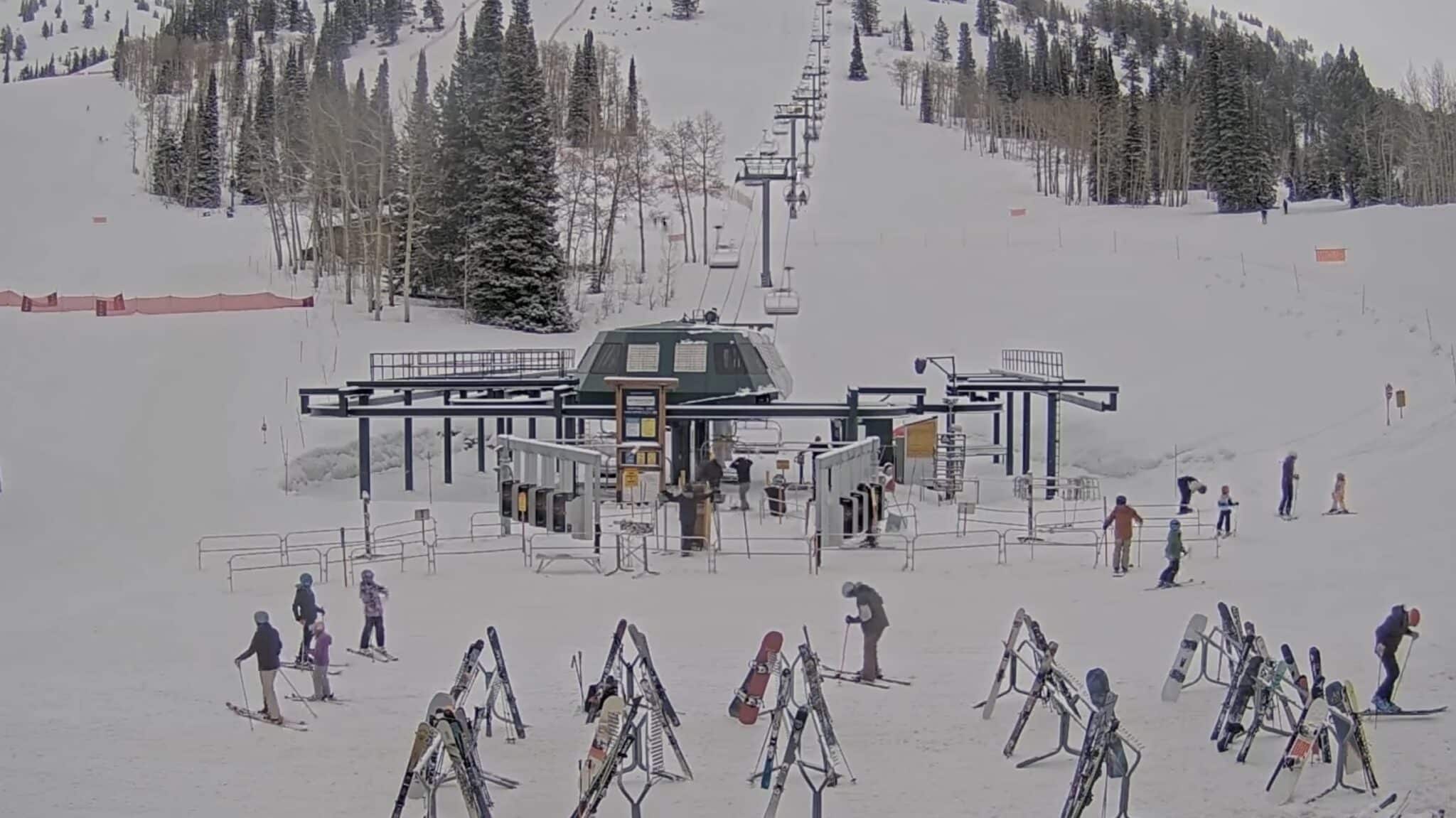
- Antelope Butte Mountain Recreation Area: Closed. This community-focused area, known for its accessible terrain and family-friendly atmosphere, has concluded its season.
- Hogadon Basin Ski Area: Closed. Located near Casper, Hogadon Basin’s season has ended, reflecting the broader trend of early closures across the state.
- Pine Creek Ski Resort: Closed. This smaller, often more intimate resort has also ceased operations for the season.
- Snow King Mountain: Closed. While Snow King is known for its challenging in-town access and often holds snow well, it has also reached its operational conclusion for the season.
- Snowy Range Ski and Recreation Area: Closed. Situated in the Medicine Bow National Forest, Snowy Range’s season has concluded, impacting skiers in the southeastern part of the state.
- White Pine Resort: Closed. This resort, often praised for its natural snow and serene environment, has ended its winter operations.
- Meadowlark Ski Lodge: Closed (with a conditional possibility of reopening). Located in the Bighorn Mountains, Meadowlark Ski Lodge has officially closed. However, there remains a slim possibility of a brief reopening should significant late-season snowfall occur, a scenario that currently appears unlikely given prevailing weather trends.
- Jackson Hole Mountain Resort: Scheduled to close on Sunday, April 12th. One of Wyoming’s flagship resorts, Jackson Hole, has managed to extend its season later than many others, a testament to its high elevation and robust snowmaking capabilities. Its closure marks a significant event in the state’s skiing calendar.
- Grand Targhee Resort: Scheduled to close on Sunday, April 19th. Situated on the western slopes of the Teton Range, Grand Targhee consistently receives abundant snowfall and is known for its pristine powder. Its extended operating season, concluding the last of the major resorts, highlights its resilience to variable winter conditions.
- Beartooth Basin: Summer ski area, opening day TBD. Beartooth Basin operates as a unique summer ski destination, taking advantage of its extremely high elevation. Its opening is contingent on snow conditions in the late spring and summer, and its schedule is independent of the traditional winter ski season.
Background and Context: A Challenging Winter
The 2025-2026 winter season has been characterized by a complex interplay of atmospheric patterns, including a weaker-than-anticipated La Niña event and persistent high-pressure systems influencing the western United States. While some regions experienced heavy snowfall, Wyoming, particularly its lower and mid-elevation ski areas, faced a deficit. This has led to a situation where many resorts, despite their best efforts with snow grooming and limited snowmaking, could not sustain operations through the typical late-season period.
The impact of such weather patterns extends beyond the immediate ski season. For resort operators, a shorter season can translate to reduced revenue, affecting staffing, maintenance, and future investments. For local economies that rely heavily on winter tourism, this also presents a challenge. Ski towns and their associated businesses often see a significant portion of their annual income generated during the ski months.
Analysis of Implications
The early closures and the limited number of resorts remaining open underscore a growing trend of climate variability impacting the ski industry. While the very highest elevation resorts and those with exceptional natural snowfall, like Grand Targhee, can often weather milder winters better, mid-elevation and smaller resorts are more vulnerable.
The conditional reopening of Meadowlark Ski Lodge is a poignant example of this vulnerability. The need for "enough snow" to reopen after a scheduled closure points to the precariousness of relying on natural snowfall in an era of shifting climate patterns. The fact that it remains a possibility, however remote, highlights the inherent hope within the industry for a late-season bounty.
The continued operation of Jackson Hole Mountain Resort and Grand Targhee Resort until mid-April speaks to their strategic advantages: high altitudes, favorable aspects, and often significant pre-season and early-season snowfall that builds a substantial base. These resorts are better equipped to absorb the impacts of warmer spells and mid-winter thaws.
Broader Impact on Wyoming’s Ski Culture
Wyoming’s ski culture is deeply intertwined with its rugged landscape and the challenges it presents. The state is not just about groomed runs; it’s about backcountry access, steep chutes, and the commitment required to earn turns. The current season, while disappointing for many, does not diminish the allure of Wyoming’s mountains. Instead, it may serve to emphasize the importance of preparedness, adaptability, and a deep appreciation for the snow when it does arrive.
The early end to the season also shifts the focus for skiers and snowboarders towards other outdoor pursuits. As spring arrives, activities like hiking, mountain biking, and fly fishing gain prominence. For the dedicated few who can access summer skiing at places like Beartooth Basin, the pursuit of snow continues year-round, albeit in a very different form.
The data on snowfall and temperature deviations for the 2025-2026 winter season will be crucial for long-term planning by Wyoming’s ski resorts. Analyzing these figures in comparison to historical averages will inform decisions regarding snowmaking infrastructure, operational flexibility, and marketing strategies for future seasons. The industry’s ability to adapt to these environmental shifts will be paramount to its continued success in the Cowboy State.

