
Colorado’s vast and varied ski landscape is dotted with the spectral remains of bygone resorts, each with its own tale of ambition, triumph, and ultimately, closure. Among these abandoned titans, Geneva Basin stands out as a particularly compelling narrative. Once a vibrant destination nestled in the Arapaho National Forest, its story is one of a pioneering spirit that grappled with financial woes and unfortunate accidents, ultimately succumbing to the relentless march of time and changing economic realities. Today, its decaying infrastructure and untamed slopes offer a poignant reminder of its past glory, while simultaneously providing a thrilling canvas for modern-day backcountry enthusiasts, including, remarkably, a snowboarding dog.
The Genesis and Early Years of Geneva Basin
Geneva Basin, originally known as Indianhead, first opened its doors in 1963. The vision was to create a premier ski destination in the heart of Colorado, offering challenging terrain and breathtaking views. The initial setup was modest, featuring just two lifts to ferry skiers up the mountain. This was a time of burgeoning ski culture in Colorado, with numerous resorts springing up to cater to a growing demand for winter recreation. The area’s natural snowfall and proximity to Denver made it a promising venture. However, like many ambitious ski resorts, Geneva Basin faced significant financial hurdles throughout its operational history. The high costs associated with maintaining lifts, snowmaking, and resort infrastructure proved to be a persistent challenge, laying the groundwork for future difficulties.
The Turning Point: Accidents and Financial Strain
The trajectory of Geneva Basin took a critical turn in 1984. A significant incident occurred when a chair detached from the Duck Creek lift. This event was not merely a logistical setback; it triggered a cascade of regulatory scrutiny. The Colorado Tramway Board, responsible for ensuring the safety and operational integrity of ski lifts, mandated that Geneva Basin cease operations until the necessary repairs could be completed. This mandate, while intended to protect public safety, placed an insurmountable financial burden on the already struggling resort. Faced with the substantial cost of repairs and ongoing financial instability, Geneva Basin was unable to meet the board’s requirements. Consequently, the lifts remained dormant, marking the effective end of its era as a commercial ski resort. The mountain, once alive with the sounds of skiers and snowboarders, fell silent, its infrastructure slowly succumbing to the elements and the passage of time.
The Slow Fade: From Abandonment to Arson Concerns
The closure of the ski lifts was not the end of Geneva Basin’s story, but rather the beginning of its transformation into an iconic abandoned location. The U.S. Forest Service, which oversees the land on which the resort was situated, grappled with the growing problem of vandalism and the potential for dangerous fires at the abandoned base lodge. In 1993, a decision was made to address these concerns directly. The base lodge, a symbol of the resort’s past, was deliberately burned down by the Forest Service due to persistent vandalism and fire hazards. This act, while a measure to mitigate future risks, further erased physical remnants of the resort’s operational past, solidifying its status as a ghostly landmark.
Geneva Basin’s Enduring Legacy: A Backcountry Haven
Despite the closure of its lifts and the demolition of its base lodge, the spirit of Geneva Basin has found a new life. The mountain remains accessible to the public, transforming into a popular destination for backcountry skiing and hiking. This new iteration of Geneva Basin attracts a different kind of visitor – one seeking adventure, solitude, and the raw beauty of nature unmarred by commercial development. The challenging terrain and ample snowfall continue to draw those who are equipped for the demands of off-piste exploration. The area has been recognized by publications like the Denver Post as Colorado’s most famous abandoned ski area, a testament to its enduring mystique and the compelling narratives that surround its history.
The Unconventional Explorer: A Dog’s Snowy Sojourn
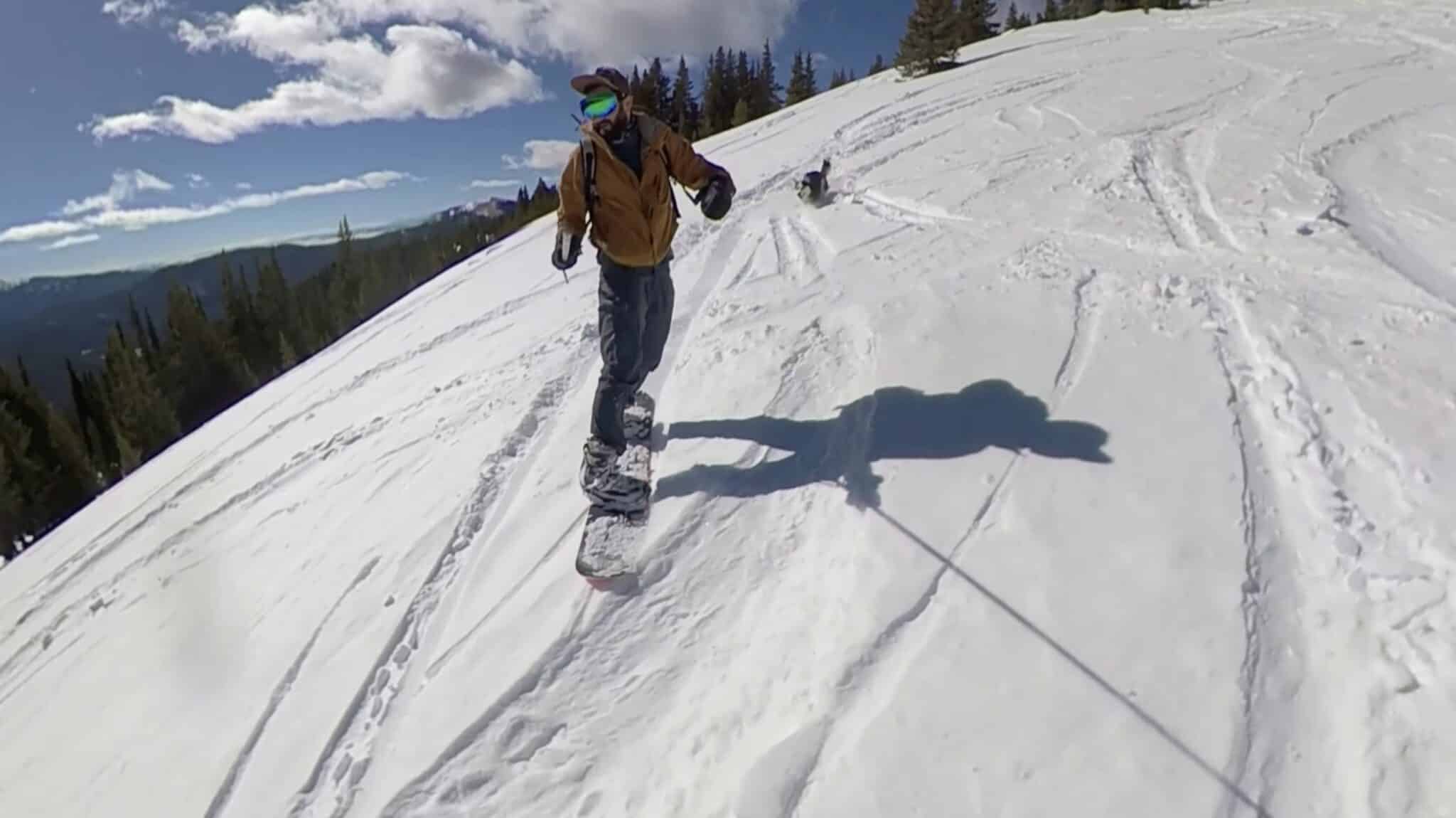
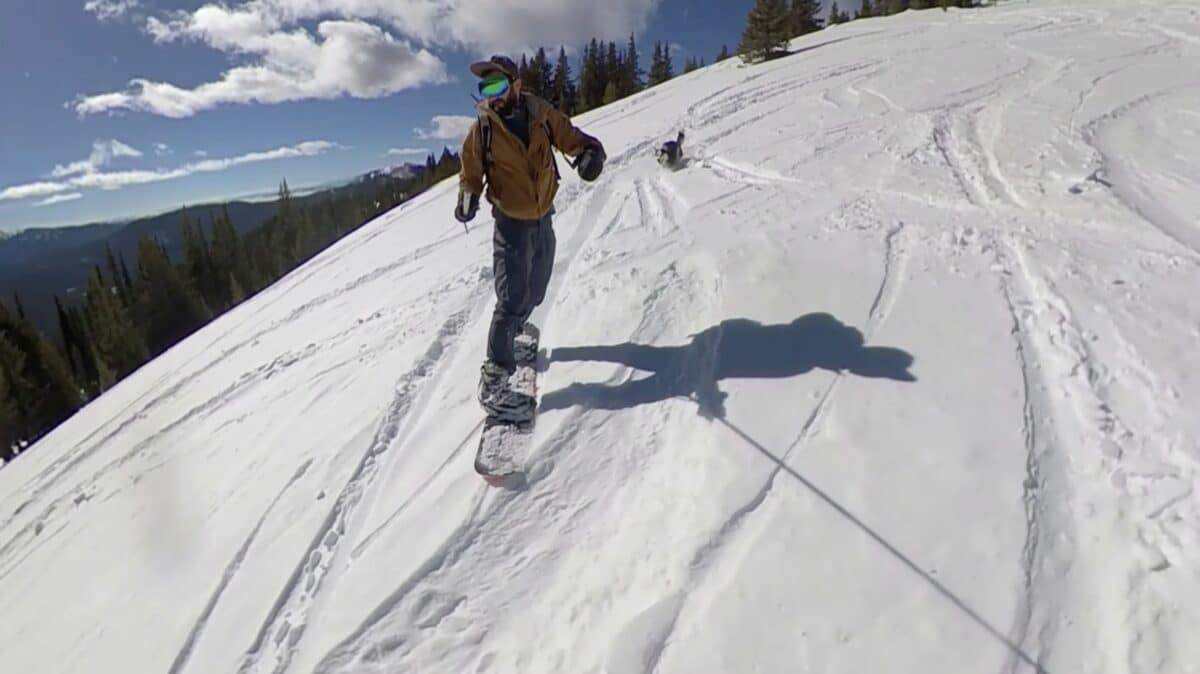
In a remarkable display of the enduring appeal of Geneva Basin, a unique visitor captured the imagination in 2021. YouTuber "Ninja on the Mountains," known for his adventurous explorations of remote and abandoned locations, shared a video documenting his expedition to Geneva Basin. What set this particular video apart was the inclusion of his canine companion, who joined him on the slopes. The footage showcased the pair navigating the snowy terrain, a testament to the dog’s apparent enjoyment and athleticism.
The video provided an intimate glimpse into the experience of exploring Geneva Basin in its current state. It documented the "skin-up," a process where skiers ascend the mountain using specialized climbing skins attached to their skis, a common practice in backcountry touring. The exploration extended to the remnants of the old patrol or warming hut, a structure that offered a poignant connection to the resort’s operational past. Inside, a vintage trail map was discovered, a relic that likely evoked nostalgia for those who remembered the resort in its heyday.
However, the true highlight for many viewers, and arguably for the dog itself, was witnessing the canine’s uninhibited joy as it bounded through the fresh snow. The footage captured the dog’s sheer delight in the wintry environment, an image that resonated with viewers as a pure expression of freedom and exhilaration. This moment, as described by the original report, was likely an unforgettable experience for both the ninja and his four-legged companion, embodying the wild, untamed spirit of Geneva Basin.

The Technological Echo: Preserving the Past Through Digital Media
The advent of platforms like YouTube has played a crucial role in preserving and disseminating the stories of places like Geneva Basin. Videos created by explorers such as "Ninja on the Mountains" not only document current explorations but also serve as digital archives, offering future generations a window into these lost landscapes. The ability to share these experiences globally means that the legacy of Geneva Basin, once confined to the memories of local skiers and its physical remnants, now reaches a much wider audience. This digital preservation is vital for understanding the evolution of recreational landscapes and the impact of economic and environmental factors on human endeavors.
Analysis: The Enduring Allure of Abandoned Spaces
The continued fascination with abandoned ski resorts like Geneva Basin speaks to a broader cultural interest in forgotten places. These locations offer a unique blend of history, nature, and adventure. They are sites where the past is tangibly present, inviting reflection on themes of human ambition, the impermanence of structures, and the resilience of the natural world. For adventurers, they represent a frontier, a challenge to be overcome and a landscape to be experienced in its rawest form. The presence of wildlife, or in this case, a dog reveling in the natural environment, further underscores the rewilding of these spaces, demonstrating that even after human endeavors cease, life finds a way to adapt and thrive.
The story of Geneva Basin is a microcosm of the challenges faced by many ski resorts, particularly those that emerged during periods of rapid expansion in the mid-20th century. High operational costs, the need for constant reinvestment, and the vagaries of weather and economic cycles have all contributed to the closure of numerous ski areas across the globe. Geneva Basin’s narrative, however, is distinguished by its dramatic conclusion and its subsequent reincarnation as a cherished backcountry destination. It stands as a powerful reminder that even in abandonment, a place can retain its allure and offer new avenues for exploration and connection. The image of a dog joyfully snowboarding down its slopes is perhaps the most fitting symbol of this enduring spirit – a testament to the untamed beauty and the boundless joy that the mountains continue to offer, regardless of their past.

