
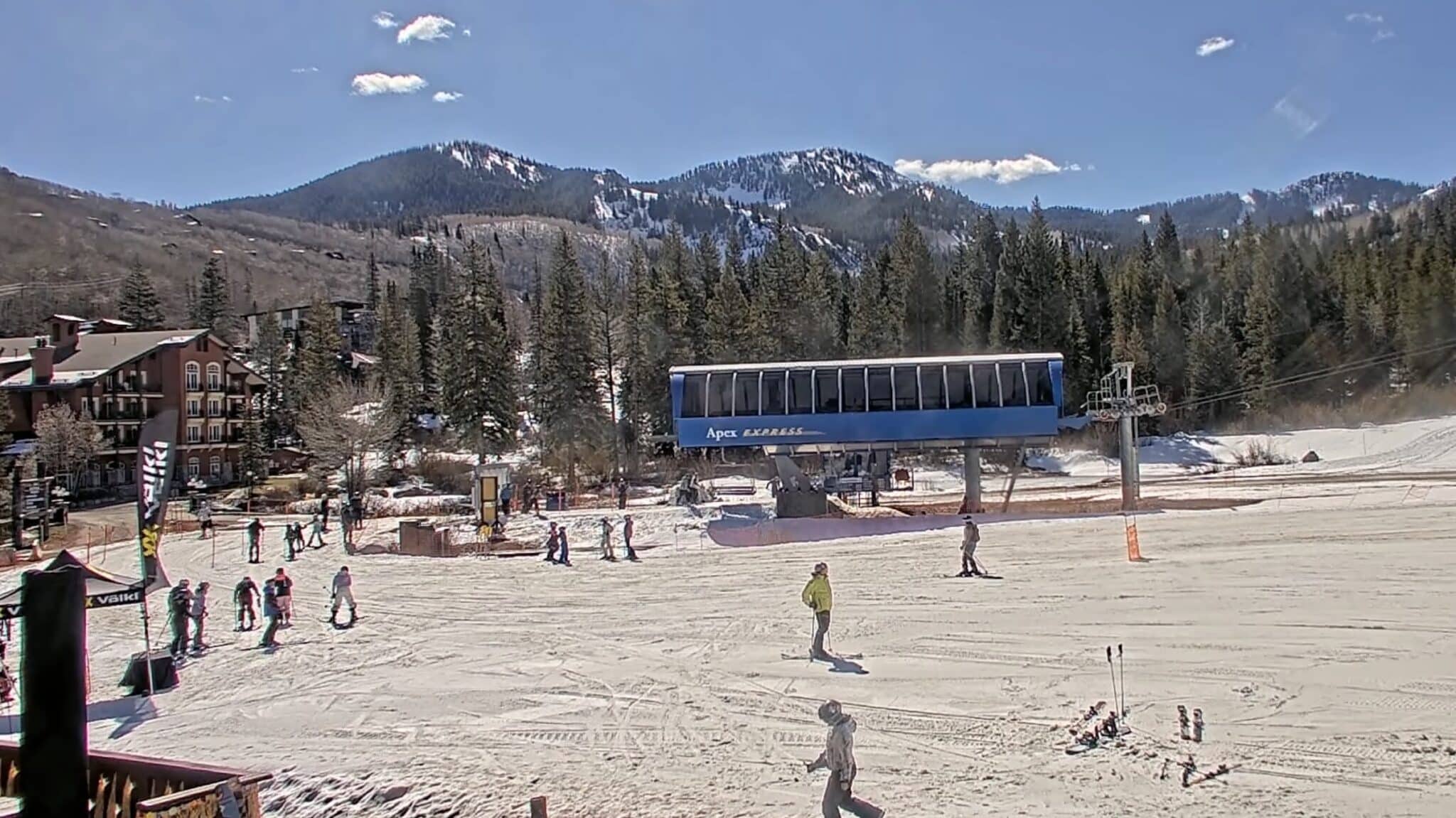
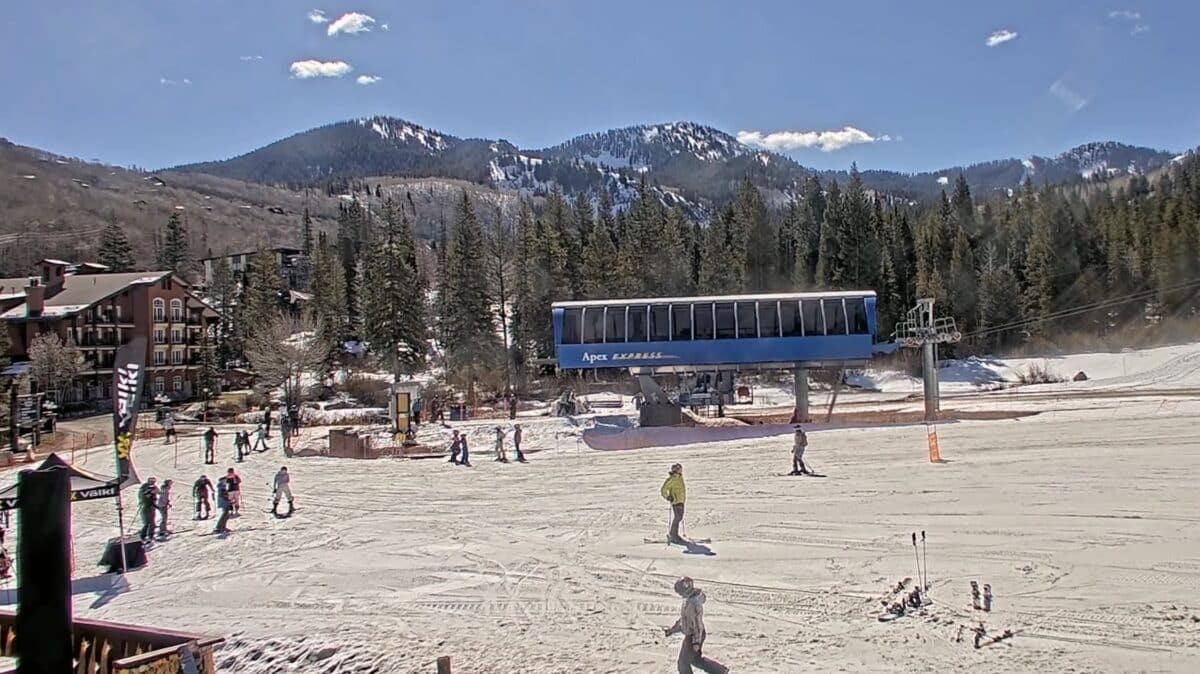
Utah’s 2025/2026 ski season, mirroring trends across much of the Western United States, presented a narrative of less-than-ideal conditions. A confluence of factors, including infrequent snowstorms and unseasonably warm temperatures, contributed to a season characterized by wet, slushy trails for a significant portion of its duration. This challenging winter landscape has led to the closure of many of the state’s 15 ski resorts. However, a select group of five resorts are extending their operations, offering dedicated skiers and snowboarders the opportunity for late-season turns, with some even aiming to push their closing dates into the month of May.
Late-Season Skiing Opportunities in Utah
As of early April 2026, the following Utah ski resorts have announced their intentions to remain open, providing a valuable extension to the winter sports calendar for enthusiasts eager to capitalize on any remaining snowpack:
- Alta Ski Area: With a planned closing date of April 26th, Alta is offering its patrons a final opportunity to experience its renowned powder and challenging terrain. This date marks a common trend for many Utah resorts that rely heavily on natural snowfall and often extend their seasons into late April, contingent on favorable weather.
- Brian Head Resort: Demonstrating a strong commitment to extending the season, Brian Head Resort has set its closing date for May 10th. This extended operational period suggests a more robust snow base or a strategic decision to cater to a market seeking spring skiing opportunities.
- Brighton Resort: Brighton Resort’s closing date remains to be determined (TBD), but the resort has announced that its popular "Meltdown" event will commence on April 20th. This event typically signifies the final phase of the ski season, often involving special pricing or festivities as the resort winds down operations. The TBD status indicates flexibility based on snow conditions.
- Snowbird: Known for its high-alpine terrain and substantial snowfall, Snowbird’s closing date is also TBD. The resort’s elevation often allows it to sustain operations longer than lower-lying resorts, making it a prime candidate for extended skiing into late spring.
- Solitude Mountain Resort: Solitude Mountain Resort has officially set its closing day for April 19th. However, there is a strong possibility of an extended operational weekend, from April 24th to April 26th, provided that current snow conditions permit. This conditional extension highlights the resort’s responsiveness to the evolving winter landscape.
Context of the 2025/2026 Ski Season
The 2025/2026 ski season in Utah, and indeed across much of the Western United States, has been marked by a significant departure from historical averages. Early season snowfall was inconsistent, and a prolonged period of warmer temperatures throughout the winter and into the spring played a crucial role in shaping the operational decisions of ski resorts.
Data Analysis of Winter Conditions:
While specific, aggregated data for the entire 2025/2026 season across all Utah resorts will be fully compiled post-season, anecdotal evidence and preliminary reports from meteorological services indicated a deficit in snowfall for many regions. For instance, during typical peak winter months (December-February), snowfall amounts in the Wasatch Range, where many of Utah’s premier resorts are located, were reportedly below average. This trend is often attributed to shifts in atmospheric patterns, such as weaker El Niño or La Niña phenomena, or changes in the jet stream’s typical path, which can divert moisture-laden storms away from the region.
The impact of these conditions is multifaceted. For ski resorts, it translates directly to reduced natural snowpack, increased reliance on snowmaking (which is less effective at higher temperatures), and a shortened operational window. For skiers and snowboarders, it means less pristine powder and a greater likelihood of encountering icy or slushy conditions, particularly at lower elevations or during warmer periods.
Chronology of the Extended Season
The decision to extend operating dates is a strategic response to the prevailing winter conditions and the inherent desire of resorts to maximize their revenue and cater to their customer base.
- Early Winter (November-December 2025): Initial snowfall was sporadic, creating uncertainty for the early part of the season. Resorts focused on opening terrain with available snow and maximizing snowmaking efforts.
- Mid-Winter (January-February 2026): While some storm cycles occurred, they were not consistently widespread or heavy enough to build a substantial base across all resorts. Temperatures remained moderate, preventing the accumulation of deep, dry powder that Utah is often celebrated for.
- Late Winter/Early Spring (March-April 2026): As the season moved into its traditional closing months, resorts began assessing their snowpack and making decisions about their final operating days. The warmer spring weather accelerated melt rates in some areas, while higher elevations and north-facing slopes retained more snow.
- Spring Extension (April-May 2026): The five resorts listed above have opted to extend their seasons, indicating that they possess sufficient snow depth and quality to offer viable skiing and snowboarding experiences. This extension is often a calculated risk, dependent on continued cold nights to preserve the snowpack and the potential for late-season spring storms, which, while less common, can significantly boost conditions. The "Meltdown" event at Brighton, for example, typically signifies the culmination of the season, but the resort’s TBD closing date suggests a potential to deviate from that schedule if conditions allow. Solitude’s conditional bonus weekend exemplifies this adaptability.
Background and Broader Context
Utah has established itself as a premier destination for skiing and snowboarding, often referred to as "The Greatest Snow on Earth®" due to the unique crystalline structure of its snow, a result of the state’s arid climate and proximity to the Great Salt Lake. This reputation attracts millions of visitors annually, contributing significantly to the state’s economy, particularly in mountain communities.
The 2025/2026 season, however, serves as a reminder of the inherent variability and challenges associated with winter sports, particularly in the context of a changing climate. While specific long-term climate change impacts on snowfall patterns are complex and subject to ongoing research, many regions in the Western U.S. have experienced trends of warmer winters and altered precipitation patterns in recent decades. Ski resorts are increasingly implementing strategies to adapt, including investing in advanced snowmaking technology, diversifying their offerings beyond skiing (e.g., summer activities, events), and carefully managing their operational timelines based on real-time environmental conditions.
The extended operating seasons at these five Utah resorts are not merely a matter of extending the fun; they represent a strategic business decision. By remaining open, resorts can:
- Capture additional revenue: Late-season ticket sales, rentals, and on-mountain food and beverage services can provide a financial boost.
- Retain staff: Extended operations can help maintain employment for seasonal workers.
- Cater to a specific market: Spring skiing appeals to a dedicated segment of skiers and snowboarders who appreciate the unique conditions, often characterized by softer, more forgiving snow in the afternoons.
- Maintain brand presence: Staying open longer keeps the resort top-of-mind for potential visitors and reinforces its image as a year-round destination or a place that offers exceptional value.
Official Responses and Statements (Inferred)
While direct quotes from resort officials regarding the specific challenges and decisions for the 2025/2026 season were not provided in the original content, the actions of extending operating dates speak volumes. A typical statement from a resort extending its season might read:
"We are thrilled to announce an extension of our ski season, thanks to the dedicated efforts of our snowmaking team and the resilience of our natural snowpack at higher elevations," a hypothetical spokesperson for Snowbird might state. "Our commitment is to provide the best possible experience for our guests, and the current conditions allow us to do just that for a few more weeks. We encourage everyone to come up and enjoy some fantastic spring skiing."
Similarly, for a resort like Brian Head, which has a significantly later closing date, the focus might be on its commitment to year-round recreation:
"Brian Head Resort is excited to extend our ski season well into May, offering an extended opportunity for visitors to enjoy the beauty of Southern Utah," a representative could explain. "This extension reflects our dedication to providing exceptional winter sports experiences and capitalizing on the unique spring conditions our mountain offers."
The conditional nature of Solitude’s bonus weekend underscores a practical approach:
"While our official closing day is April 19th, we are optimistic about the potential for a few more days of skiing," a Solitude Mountain Resort official might comment. "We will be closely monitoring snow conditions and will make a final decision regarding the April 24th-26th weekend in the days leading up to it. Our priority is to ensure a safe and enjoyable experience for our guests."
Broader Impact and Implications
The trend of extended ski seasons, even in challenging years, highlights the adaptability of the ski industry. It also underscores the increasing importance of data-driven decision-making, relying on sophisticated snow management systems, accurate weather forecasting, and an understanding of market demand.
For Utah, a state heavily invested in its winter tourism brand, the ability of resorts to extend their seasons, even modestly, is crucial. It helps mitigate the economic impact of a less-than-ideal winter and reinforces the state’s appeal to skiers and snowboarders. The fact that resorts like Brian Head are aiming for May closings suggests a strategic focus on leveraging spring skiing, a niche but valuable segment of the market.
However, these extensions also serve as a quiet acknowledgment of the environmental factors influencing the ski season. The need to extend operations into traditionally warmer months points towards the delicate balance resorts must strike between natural snow availability and the desire to remain operational. This reality will likely continue to drive innovation in snow management and potentially influence long-term resort planning and investment in sustainable practices. As the industry navigates the complexities of changing winter patterns, the success of these late-season operations will be closely watched, offering insights into the future of skiing in a variable climate.

