
Yellowstone National Park, a sprawling expanse of over 2.2 million acres in North America, beckons hikers with its more than 1,100 miles of trails, offering a profound connection to its untamed natural wonders. From leisurely day hikes to challenging multi-day expeditions, the park provides a diverse array of options catering to every fitness level. However, embarking on these adventures requires a deep understanding of the inherent risks, which range from unpredictable weather patterns and snow-covered trails even in summer months—a consequence of many trails exceeding 7,000 feet in elevation—to potential encounters with the park’s formidable resident wildlife.
Preparedness: The Cornerstone of Yellowstone Hiking Safety
The National Park Service (NPS) strongly emphasizes that hiking in Yellowstone is not without its dangers. Visitors are urged to be thoroughly informed and meticulously prepared for all conceivable contingencies. This preparedness is paramount, as the park’s high-altitude environment can subject hikers to rapid weather shifts. The NPS specifically advises carrying bear spray and ensuring proficiency in its use, citing its proven effectiveness in deterring aggressive bear behavior. While bears often dominate hiker concerns regarding backcountry wildlife, other species, particularly bison, also present significant safety considerations.
The Bison Encounter: A Stark Reminder of Wildlife Proximity
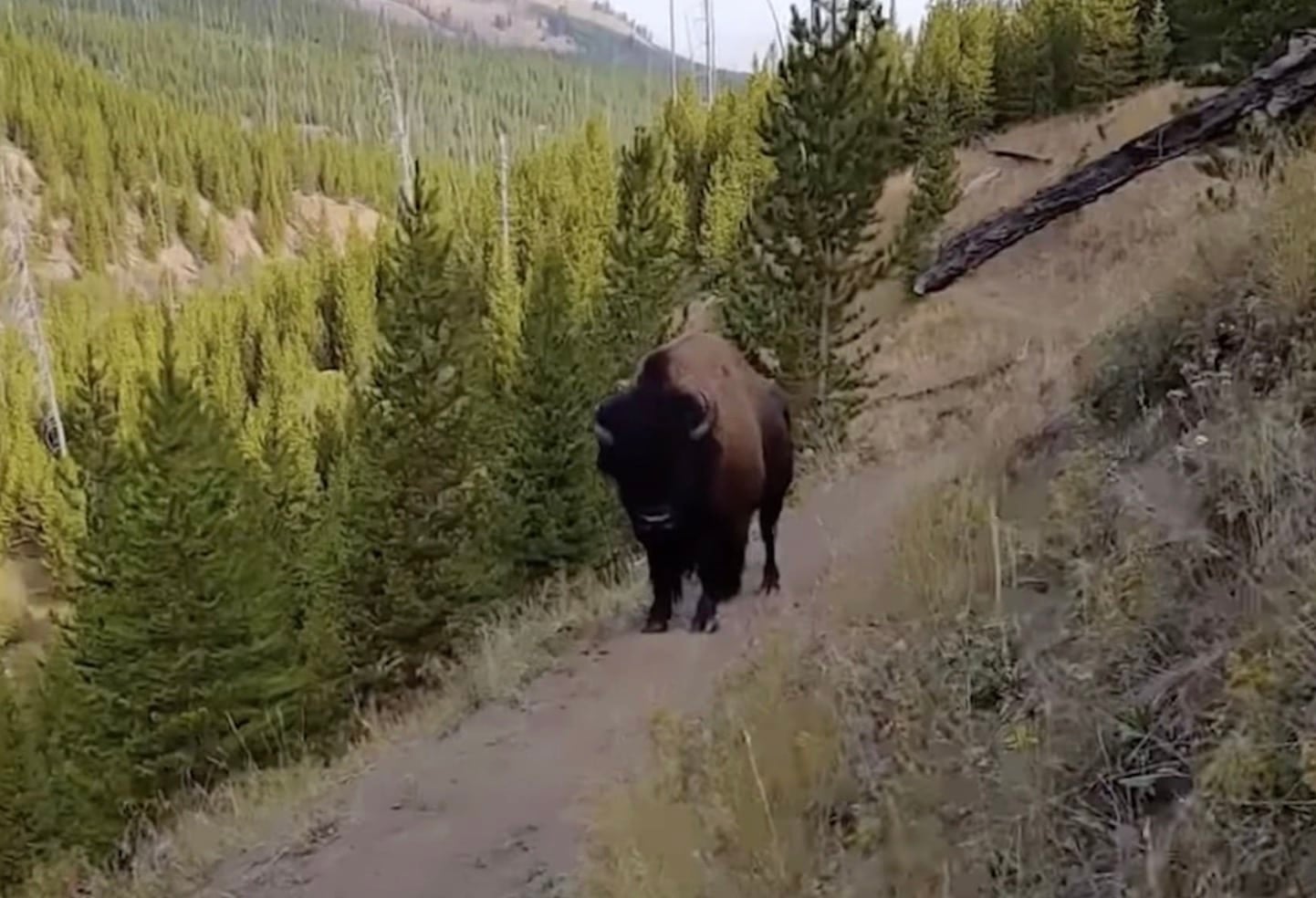
A compelling example of the need for vigilance was recently highlighted by a video captured on a narrow mountainside trail above the Lamar Valley. The footage documented a hiker’s close encounter with an adult bison. In a display of prudent judgment, the hiker wisely retreated uphill, creating ample space for the animal to pass and thereby averting a potentially hazardous confrontation. Bison, though often perceived as placid grazers, are responsible for more visitor injuries in Yellowstone than any other species. Park regulations mandate a minimum distance of 25 yards between visitors and bison, a rule that applies equally to crowded boardwalks near iconic geysers and remote backcountry trails.
Understanding Yellowstone’s Wildlife Dynamics
Yellowstone’s diverse ecosystems support a rich tapestry of wildlife, with each species presenting unique considerations for visitor safety. Bears, including grizzly and black bears, are a primary concern. The park’s vast wilderness provides critical habitat for these apex predators, and encounters, while not guaranteed, are a possibility. Hikers are advised to make noise while walking, such as talking or singing, to avoid surprising bears. Traveling in groups also offers an added layer of safety. Carrying bear spray and knowing how to use it is a non-negotiable safety measure. Park rangers are a valuable resource for current bear activity and trail conditions.
Bison, while seemingly less intimidating than bears, possess immense power and can be unpredictable. Their sheer size and tendency to roam freely across park roads and trails necessitate caution. The incident in the Lamar Valley underscores the importance of respecting their space. Bison can charge if they feel threatened or are surprised, and their speed and strength make them a formidable animal to evade. Maintaining the recommended 25-yard distance is crucial, as is never attempting to feed or approach them, regardless of their apparent docility.
Other wildlife, such as elk and wolves, also inhabit Yellowstone. While wolves are generally reclusive and avoid human contact, elk can be aggressive, particularly during the mating season (rut) in the fall and when females are protecting their young in the spring. Maintaining a safe distance from all wildlife is essential for both visitor safety and the well-being of the animals.
Navigating the Wilderness: Beyond Wildlife Concerns
The challenges of hiking in Yellowstone extend beyond wildlife encounters to encompass environmental factors and geographical considerations. The park’s high elevation means that even during the summer months, trails can be covered in snow, especially at higher altitudes. This can lead to difficult navigation and increased risk of falls. Hikers must be prepared for rapidly changing weather conditions, which can include sudden thunderstorms, high winds, and even snow, regardless of the season.
Backcountry Safety Guidelines: A Comprehensive Approach
The National Park Service provides extensive guidelines for backcountry safety in Yellowstone, covering a range of potential hazards:
Hypothermia and Weather Preparedness
Yellowstone’s weather is notoriously unpredictable. Winter-like conditions can manifest at any time of year, with temperatures capable of dropping into the 20s Fahrenheit even in July, particularly at higher elevations. Calm, sunny mornings can quickly give way to fierce storms with gusty winds, rain, and lightning. Hikers must always pack layers of clothing, including waterproof and windproof outer shells, and be prepared for significant temperature fluctuations. Hypothermia, a dangerous drop in body temperature, can occur even in mild air temperatures (30-50°F) if one becomes wet and chilled. Symptoms include persistent shivering, slurred speech, loss of dexterity, exhaustion, and confusion. Recognizing these signs and taking immediate action, such as seeking shelter, removing wet clothing, and consuming warm, non-alcoholic beverages, is critical.
Water Safety and Purification
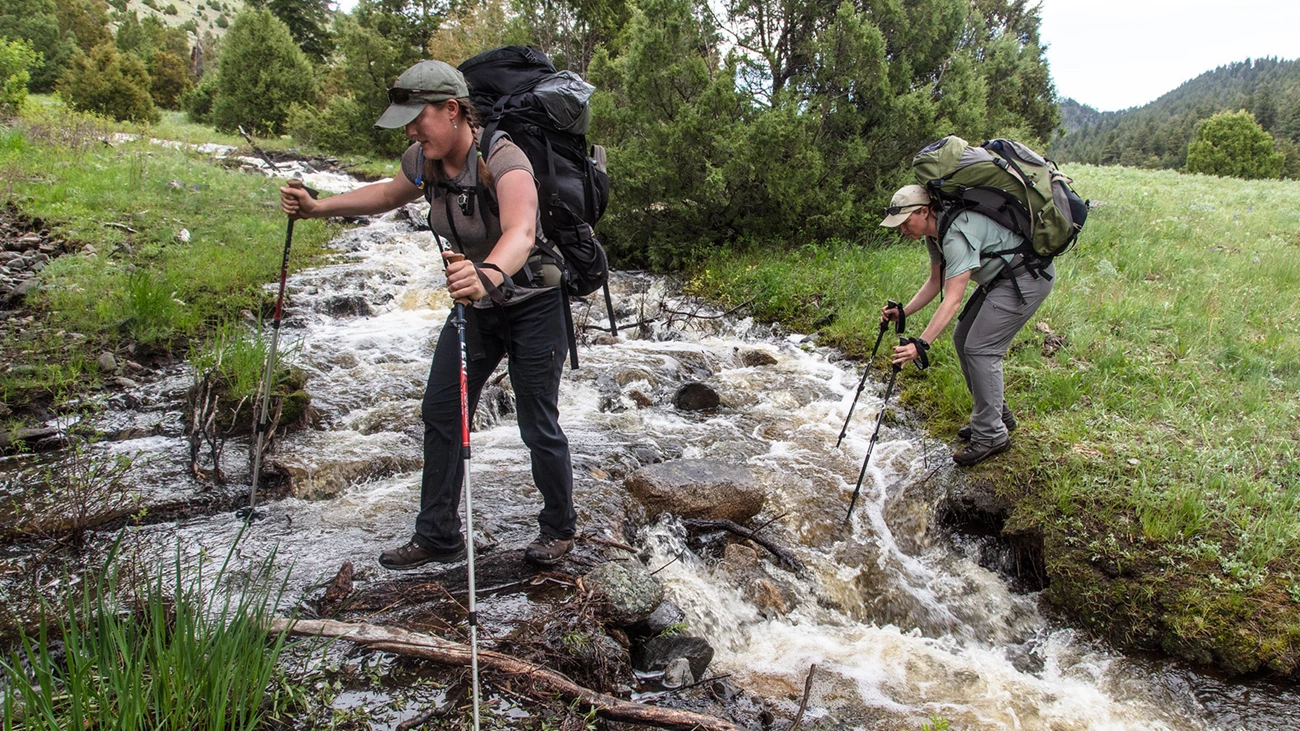
The park’s numerous rivers and streams, while beautiful, can pose a significant hazard. Many lack bridges, and water levels can surge unexpectedly due to rain or snowmelt, making crossings perilous. The water itself can be frigid, fast-moving, and deep. The NPS strongly advises against attempting to ford deep or swift water. Before embarking on a hike, it is recommended to consult topographic maps for potential stream crossings and inquire about current river conditions at a ranger station. Hikers should also be prepared to turn back if conditions are deemed unsafe. Furthermore, all drinking water collected from natural sources must be treated by boiling, filtering, or chemical purification to guard against parasites and bacteria, such as Giardia, which are present in animal and human waste.
Thermal Features: A Unique and Dangerous Environment
Yellowstone is world-renowned for its geothermal features, including geysers and hot springs. While visually stunning, these areas present a significant burn hazard. Serious injuries and fatalities have occurred when visitors have strayed from designated boardwalks and maintained trails. Foot travel in all thermal areas must be restricted to marked paths. Shortcuts through geyser basins, especially after dark, increase the risk of stepping into a scalding hot spring. Swimming or bathing in any water of purely thermal origin is illegal, not only for visitor safety but also to protect the unique microbial life that thrives in these extreme environments. Throwing objects into thermal features is also prohibited, as it can disrupt the delicate geological processes. Food and smoking are not permitted in thermal areas due to fire hazards and potential damage to the features.
Insect Protection: Ticks and Mosquitoes
From mid-March to mid-July, certain areas of Yellowstone, particularly grassy, brushy, low-elevation zones (4,000-6,500 feet), are prime habitats for ticks. Hikers are advised to use insect repellent on all exposed skin, shoes, socks, and clothing. Tucking pant legs into socks and shirts into pants can further prevent ticks from reaching the skin. Frequent checks of clothing and the body for ticks are recommended. During June and July, mosquitoes can be prevalent around lakes and streams, especially in marshy areas. Their numbers typically diminish by mid-to-late August. Long sleeves, long pants, and insect repellent are effective measures against both ticks and mosquitoes.
Navigation and Trail Conditions
Yellowstone’s vastness and the sometimes-infrequent maintenance of its extensive trail system can present navigation challenges. Trails may be difficult to follow due to missing markers, recent fires, or large meadows where the path is not clearly defined. The NPS strongly recommends that all hikers carry a compass and a topographic map of the area they intend to explore, and crucially, possess the knowledge and skills to use them effectively.
Broader Implications for Park Management and Visitor Experience
The ongoing need for robust safety education and enforcement in Yellowstone highlights a fundamental tension in managing a wilderness area that attracts millions of visitors. The park’s allure lies in its wildness and the opportunity for immersive natural experiences. However, this very wildness necessitates constant vigilance and a commitment to responsible visitor behavior.
The incident involving the hiker and the bison serves as a potent, real-time illustration of the importance of adhering to park regulations and respecting wildlife. Such encounters, when handled with knowledge and composure, can become educational moments rather than tragic events. The NPS’s proactive dissemination of safety information, through visitor centers, online resources, and signage, plays a critical role in mitigating risks.
The economic implications of maintaining a safe visitor experience are also significant. A reputation for safety encourages tourism, which in turn supports local economies. Conversely, a series of well-publicized accidents could deter visitors and negatively impact regional businesses. Therefore, the investment in visitor education, trail maintenance, and ranger presence is not merely about risk management but also about preserving the park’s appeal and its economic contribution.
Looking ahead, as climate change potentially alters weather patterns and wildlife distribution, the challenges for park managers and visitors alike may evolve. Understanding these dynamics and adapting safety protocols will be crucial for ensuring that Yellowstone remains a premier destination for wilderness exploration for generations to come. The park’s commitment to providing comprehensive safety guidelines, coupled with visitor diligence and respect for the natural environment, forms the bedrock of a successful and memorable experience in one of America’s most iconic landscapes.

