
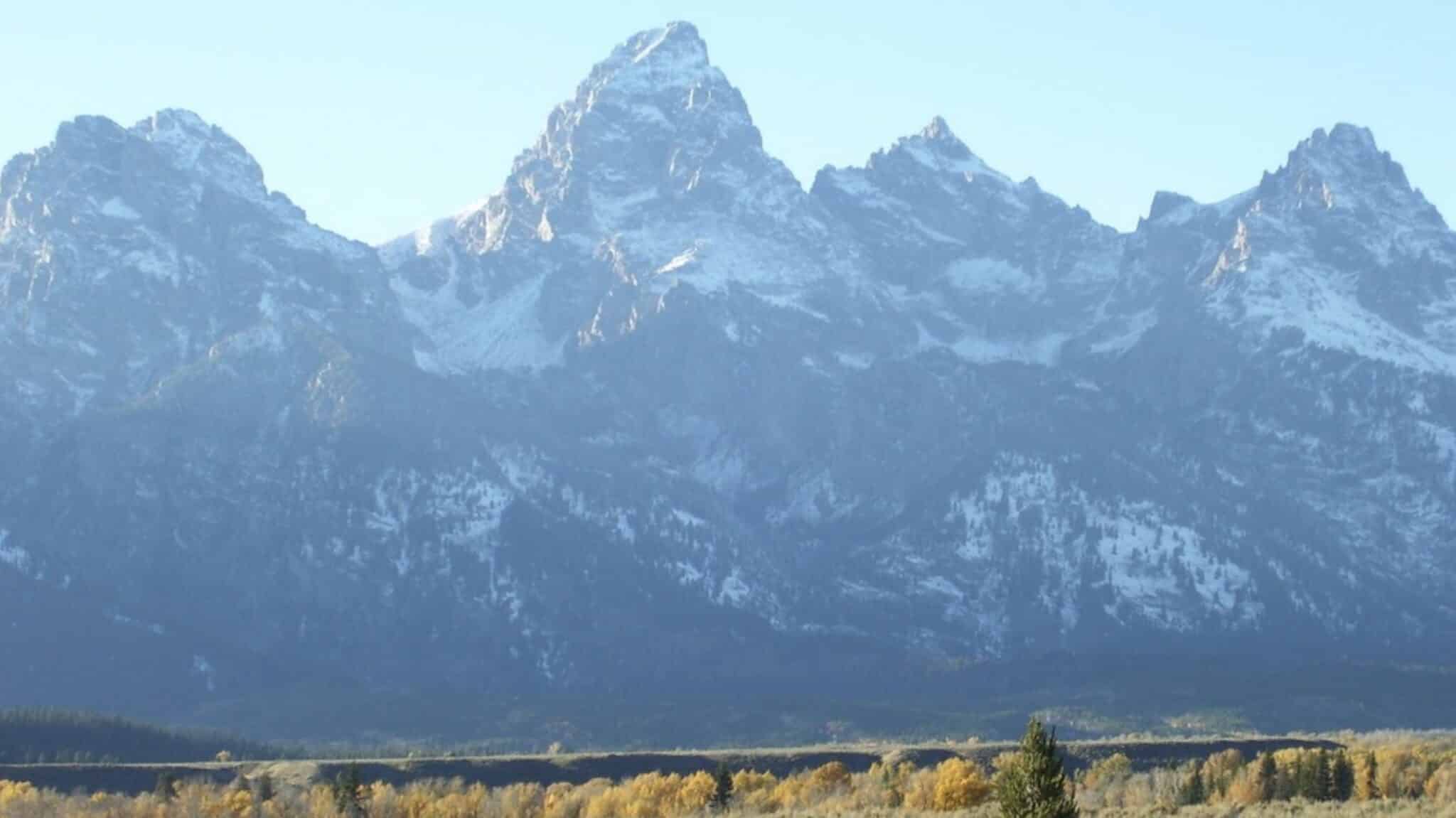
Grand Teton National Park is poised to implement a 196-acre prescribed fire operation in the vicinity of the iconic Mormon Row, with the potential for ignition as early as April 9th, contingent upon the fulfillment of stringent weather and environmental conditions. This controlled burn is a critical component of a larger, long-term ecological restoration initiative aimed at revitalizing approximately 4,000 acres within the Hayfields Restoration Management Area. The strategic deployment of this prescribed fire signifies a proactive approach by park management to enhance the ecological health of the landscape, mitigate wildfire risks, and preserve the park’s cultural heritage.
Strategic Objectives of the Prescribed Burn
The primary objective of this 196-acre prescribed fire is the targeted removal of invasive grasses and noxious weeds that have proliferated across the designated burn area. This region, situated to the east of Blacktail Butte and south of Mormon Row, lies between the Gros Ventre and Antelope Flats roads, an area historically managed as fallow hayfields. The encroachment of non-native vegetation has, over time, begun to displace native plant species, impacting the delicate balance of the local ecosystem. By eradicating these invasive species, park officials anticipate a significant positive ripple effect on the park’s diverse wildlife populations.
The Hayfields Restoration Management Area project, of which this burn is an integral part, aims to systematically re-establish native vegetation. This ecological transition is crucial for supporting a wide array of wildlife, including the park’s iconic bison herds, migrating elk, swift pronghorn antelope, ground-nesting sage grouse, and various species of songbirds. The restoration of native rangelands provides essential forage, habitat, and breeding grounds, ensuring the long-term viability of these species within the park’s boundaries.
Furthermore, the prescribed fire serves a dual purpose by addressing fuel load reduction in proximity to historically significant park structures. The Mormon Row Historic District, a collection of early 20th-century homesteads that offer a tangible glimpse into the lives of early settlers, is a key cultural asset within Grand Teton National Park. By reducing the accumulation of flammable materials, the burn contributes to a more resilient landscape, thereby safeguarding these irreplaceable historical resources from the threat of wildfire.
The Ecological Rationale and Methodological Approach
The decision to employ a prescribed fire is rooted in ecological principles that recognize the natural role of fire in many western ecosystems. Fire, when managed and applied under controlled conditions, can be a powerful tool for ecological restoration. In this specific instance, the burn will serve as a preparatory step for subsequent vegetation management activities. Following the fire, park land managers and vegetation ecologists plan to implement targeted herbicide treatments. This two-phase approach—fire followed by herbicide—is designed to facilitate a gradual and sustainable transition from the current state of invasive species dominance back to a healthy, native rangeland ecosystem.
The use of prescribed fire for invasive species management is a scientifically supported strategy. The heat from the fire can effectively kill or suppress invasive plants, while also creating a mineral soil seedbed conducive to the germination and establishment of native seeds. This method is often more effective and cost-efficient than mechanical removal or repeated herbicide applications alone. Moreover, the ecological impact of a prescribed fire, when executed within predetermined parameters, is generally less disruptive than that of an uncontrolled wildfire.
The broader context of this operation is deeply intertwined with the comprehensive site improvement project for the Mormon Row Historic District. This project encompasses not only ecological restoration but also the preservation and interpretation of the historical structures. By enhancing the surrounding natural landscape, the park aims to create a more immersive and authentic visitor experience, allowing individuals to better appreciate the historical context of Mormon Row within its natural environment.
Operational Details and Visitor Information
The prescribed fire operation is anticipated to be completed within a single day, provided all conditions are met. Park officials have emphasized that no area closures are currently planned as a direct result of the burn. However, visitors should be aware that park staff may implement temporary traffic stoppages on adjacent roadways. These brief pauses in traffic flow are a necessary safety measure to ensure the well-being of firefighters and to allow for the safe movement of equipment and personnel during active burning periods.
To keep the public informed, prescribed fire signage will be strategically posted on roads bordering the burn area both prior to and throughout the duration of the operation. These signs will serve as a visual alert to drivers and visitors, providing them with advance notice of the ongoing activity.
Smoke is an inevitable byproduct of any fire, and in the case of this prescribed burn, it is expected to be most noticeable during the warmer hours of the day when atmospheric conditions can contribute to its dispersion. As temperatures cool in the evening, smoke may settle into lower-lying areas, potentially affecting visibility in valleys and along the valley floor. Visitors concerned about air quality are encouraged to consult the U.S. Environmental Protection Agency’s AirNow program at fire.airnow.gov for real-time air quality data.
Contingency Planning and Monitoring
The execution of a prescribed fire is a complex undertaking that demands meticulous planning and continuous monitoring. Park fire managers and their teams will be diligently evaluating a multitude of factors, including weather patterns, atmospheric conditions, fuel moisture levels, and overall safety considerations. These variables are subject to change, and the decision to proceed with ignition will be made only when conditions are deemed optimal and safe. The park is committed to a responsible and informed approach, prioritizing the safety of its staff, visitors, and the surrounding natural resources.
For the most up-to-date information regarding the status of this prescribed fire, including any potential delays or adjustments to the ignition schedule, visitors and interested parties are directed to the Teton Interagency Dispatch website at tetonfires.com. This platform serves as a central hub for fire-related information in the region and will be updated as developments occur.
Broader Implications for Grand Teton National Park
The 196-acre prescribed fire near Mormon Row represents a microcosm of Grand Teton National Park’s broader commitment to adaptive management and ecological stewardship. In an era marked by increasing environmental challenges, including the impacts of climate change and the persistent threat of invasive species, national parks are increasingly relying on science-based strategies to maintain and restore their natural and cultural resources. Prescribed fires, when implemented thoughtfully and strategically, are an essential tool in this ongoing effort.
The success of this operation will not only contribute to the immediate ecological goals of the Hayfields Restoration Management Area but also serve as a valuable learning experience for future land management endeavors within the park and across the National Park Service. By demonstrating the efficacy of controlled burns in combating invasive species and preparing landscapes for native plant regeneration, Grand Teton is reinforcing its role as a leader in conservation and restoration science.
Moreover, the integration of ecological restoration with the preservation of historical sites, as exemplified by the Mormon Row project, highlights a holistic approach to park management. This ensures that visitors can experience the full richness of Grand Teton—from its awe-inspiring natural beauty to its compelling human history—in a landscape that is both ecologically vibrant and culturally intact. The ongoing efforts at Mormon Row underscore the park’s dedication to providing a legacy of natural and cultural heritage for generations to come.

