
The physical demands of high-altitude alpine sports often mirror the fundamental laws of physics, where the immense kinetic energy generated during a descent necessitates a proportional physical toll on the human frame. For decades, the culture surrounding skiing—often characterized by the "ski bum" lifestyle—prioritized immediate gratification and seasonal endurance over long-term physiological sustainability. However, a growing body of evidence and personal case studies suggest that the traditional reliance on flexibility and cardiovascular health is insufficient to combat the chronic attrition associated with the sport. Recent reports from sports medicine practitioners and veteran skiers highlight a significant shift toward resistance training as a primary intervention for injury prevention and the mitigation of chronic pain, particularly for those entering their fourth decade of life.
The Biomechanics of Mountain Attrition
Skiing is a sport defined by eccentric loading, where muscles must lengthen under tension to absorb the impact of varied terrain and high speeds. This creates a unique set of stressors on the human musculoskeletal system. According to biomechanical analyses, the "action-reaction" forces described in Newton’s Third Law are vividly illustrated on the slopes: for every aggressive turn or powder landing, the body must absorb an equal and opposite force. While the immediate result is the exhilaration of the sport, the long-term reaction often manifests as significant physical degradation.
In a representative case study of a 33-year-old male skier with over 1,000 days of experience on the slopes, the cumulative impact of these forces resulted in a decade-long struggle with chronic ailments. The subject’s history included a traumatic elbow fracture and dislocation eight years prior, coupled with persistent lower back pain that escalated in severity over time. By age 32, the subject experienced acute lower back spasms—involuntary muscle contractions triggered by extreme fatigue—that rendered him immobile for weeks. This progression underscores a critical reality in mountain sports: without structural reinforcement, the body’s "upper apparatus" of broad shoulders and torso can overwhelm the lower back and hips, which act as the primary stabilizers during high-velocity movement.
The Chronology of Injury and Failed Interventions
The timeline of physical decline for many high-frequency skiers follows a predictable pattern. For the subject in question, the first decade of his skiing career was marked by a gradual accumulation of "micro-traumas." Despite a regimen of yoga, stretching, foam rolling, and dietary adjustments intended to maintain leanness and flexibility, the underlying issues remained unaddressed.
- Initial Trauma (Year 0-2): Acute injuries, such as the elbow dislocation and fracture, set the stage for compensatory movements.
- Chronic Management (Year 3-9): Reliance on "soft" recovery modalities like massages, hot tubs, and basic core exercises (planks, sit-ups) provided temporary relief but failed to correct fundamental muscle imbalances.
- The Breaking Point (Year 10): The onset of debilitating back spasms. This physiological event occurs when the nervous system forces a muscle group into a protective contraction to prevent further structural damage to the spine or ligaments.
- The Transition (Year 11): The implementation of a structured weight-lifting regimen, leading to a significant reduction in pain markers and an increase in functional mobility.
Experts suggest that the failure of traditional stretching and "management" techniques is due to their inability to address muscle imbalances. While yoga may increase range of motion, it does not necessarily provide the strength required to stabilize joints under the dynamic loads of skiing.
The Science of Muscle Imbalance and Evolution
Franco Morris, Head of Program Delivery at a specialized fitness facility in Sydney, Australia, posits that modern humans are not evolutionarily optimized for the specific stresses of skiing or the sedentary lifestyles that often bracket recreational sports. "We’re not evolved for what we do, whether that’s skiing, skateboarding, or, as is more often the case, sitting," Morris noted.
For many athletes, the "unevolved" nature of their frames—such as broad shoulders paired with a narrow waist—creates a mechanical disadvantage. In the absence of a strong posterior chain, the lower back is forced to do the "dirty work" of holding the upper body together without sufficient support from the glutes and hamstrings. As Father Time intervenes, muscle tissue becomes less malleable and more susceptible to tears. The integration of weight training serves to "outsmart" these evolutionary gaps by building "cushioning tissue" around the bones and increasing bone density, which is critical for surviving the high-impact nature of falls and collisions.
Tactical Training Protocols for Skiing Longevity
The shift from aerobic-focused training to resistance training requires a specialized approach tailored to the needs of mountain athletes. Data from sports science suggests that skiers benefit most from focusing on the posterior chain—the group of muscles including the hamstrings, glutes, and erector spinae.
The Role of the Posterior Chain
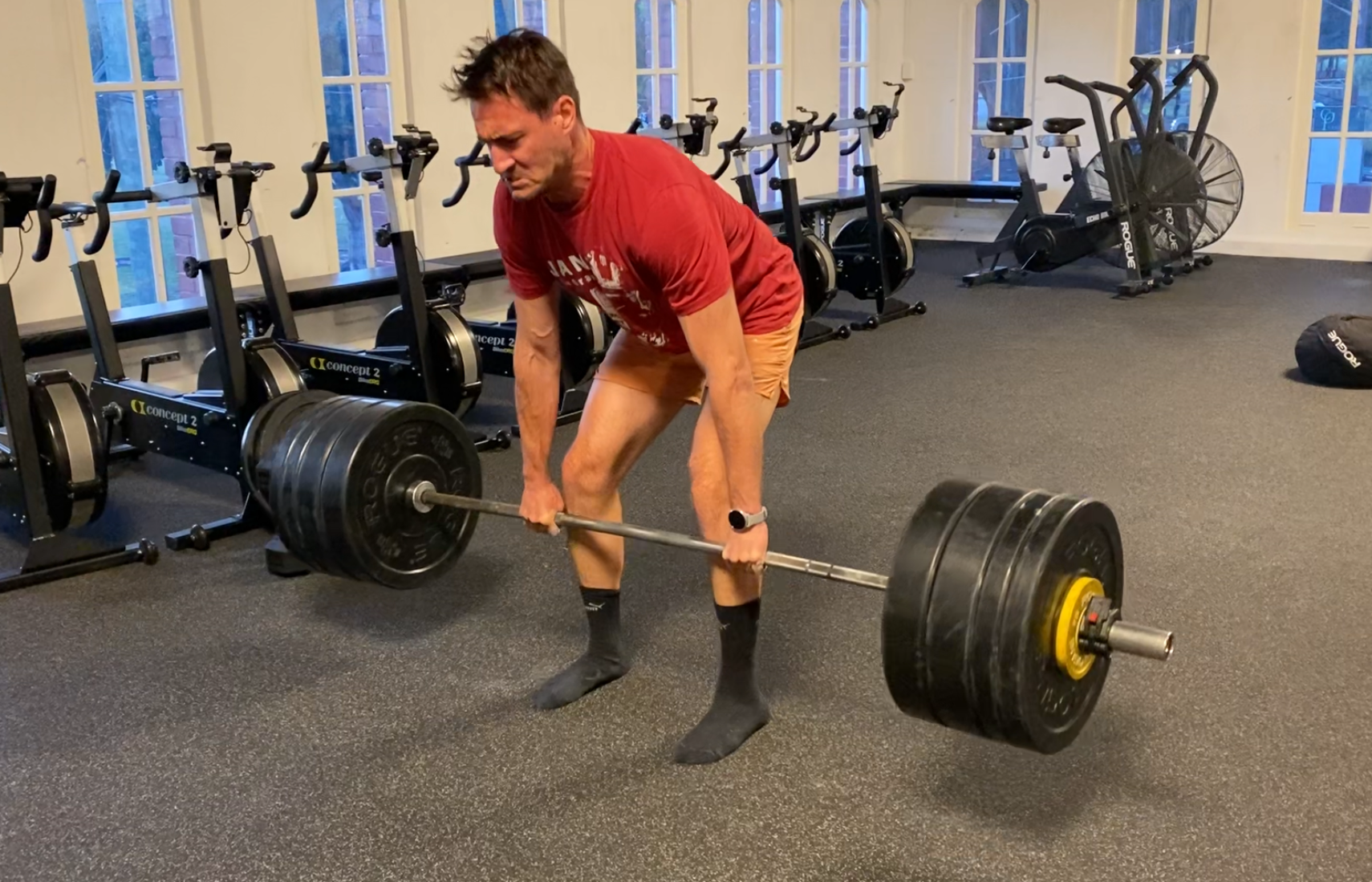
The posterior chain is the engine of the body’s power and posture. For skiers who spend significant time at desks, this chain often becomes "inhibited" or weak. The deadlift is frequently cited as the gold-standard exercise for this issue, as it requires a direct engagement of the entire backside of the body to lift a load from a dead stop. Other essential movements include:
- Kettlebell Swings: These utilize explosive hip hinging to build power in the glutes, which are essential for stabilizing the knees during turns.
- Barbell Hip Thrusts: These isolate the gluteus maximus, providing the necessary strength to support the lower back.
- Barbell Step-ups: These mimic the unilateral (one-legged) nature of skiing, improving balance and eccentric control.
Volume Over Absolute Weight
For endurance-based mountain athletes, the goal of weight training is rarely hypertrophy (mass gain) but rather functional strength and structural integrity. Analysts recommend a focus on repetitions (e.g., 10 repetitions at 60% of maximum capacity) rather than maximal weight (3 repetitions at 85% capacity). This "volume-over-weight" approach builds the muscular endurance necessary for long days on the mountain while minimizing the risk of training-induced injury. Furthermore, avoiding excessive mass in "glamour muscles" (biceps, chest, and abs) ensures that the athlete does not carry unnecessary weight that could strain the joints during high-altitude activities.
Expert Analysis and Official Responses
The growing consensus among trainers like Morris is that weight training is the closest approximation to a "miracle cure" for the aging athlete. By promoting bone density and reinforcing joint capsules, resistance training provides a proactive defense against the inevitable effects of aging. "The sky’s the limit," Morris stated, noting that most individuals have significant room for improvement that can effectively counter the effects of aging for decades.
The psychological impact of this transition is also significant. The subject of the study reported that after one year of consistent weight training, he experienced "entire days with no pain," a sensation he had not felt since his late teens. While the process of adaptation is often described as "torturous" and "extraordinarily challenging," the trade-off—exchanging chronic, debilitating pain for the temporary soreness of a workout—is increasingly viewed as a necessary investment for those committed to the sport.
Broader Implications for the Ski Industry
The implications of this shift in training philosophy extend beyond individual health. As the demographic of active skiers continues to age, the industry faces a potential decline in participation if long-term injury management is not prioritized. Chronic back pain and joint degradation are leading causes of "early retirement" from the sport.
By integrating professional training and resistance regimens into the standard preparation for the ski season, the industry may see a rise in participant longevity. This shift also impacts the fitness sector, where there is an increasing demand for trainers who understand the specific biomechanical needs of alpine athletes. Programs that offer group-based weight training are becoming more accessible, allowing athletes to receive professional guidance without the prohibitive costs of private coaching.
In conclusion, the data suggests that the "reaction" to the "action" of skiing need not be a life of chronic pain. Through the strategic application of resistance training, focus on the posterior chain, and a commitment to functional strength over aesthetic mass, skiers can effectively extend their time on the mountain. As modern sports medicine continues to evolve, the emphasis is moving away from simply managing the symptoms of mountain attrition and toward building a body capable of withstanding the laws of physics that govern the slopes.

