
At the southern extremity of the globe, a team of dedicated researchers is currently engaged in an intensive effort to resolve one of the most pressing uncertainties in modern climate science: the structural integrity and longevity of the Antarctic ice shelves. Led by Dr. Ali Banwell, a Research Scientist at the University of Colorado Boulder and a Professor in Glaciology at Northumbria University, the expedition recently completed a rigorous field season on the McMurdo Ice Shelf. As a member of the Protect Our Winters (POW) Science Alliance, Dr. Banwell’s work transcends academic curiosity, aiming to provide actionable data on how the stability of the Antarctic coastline directly influences global sea levels and the future of coastal civilizations.
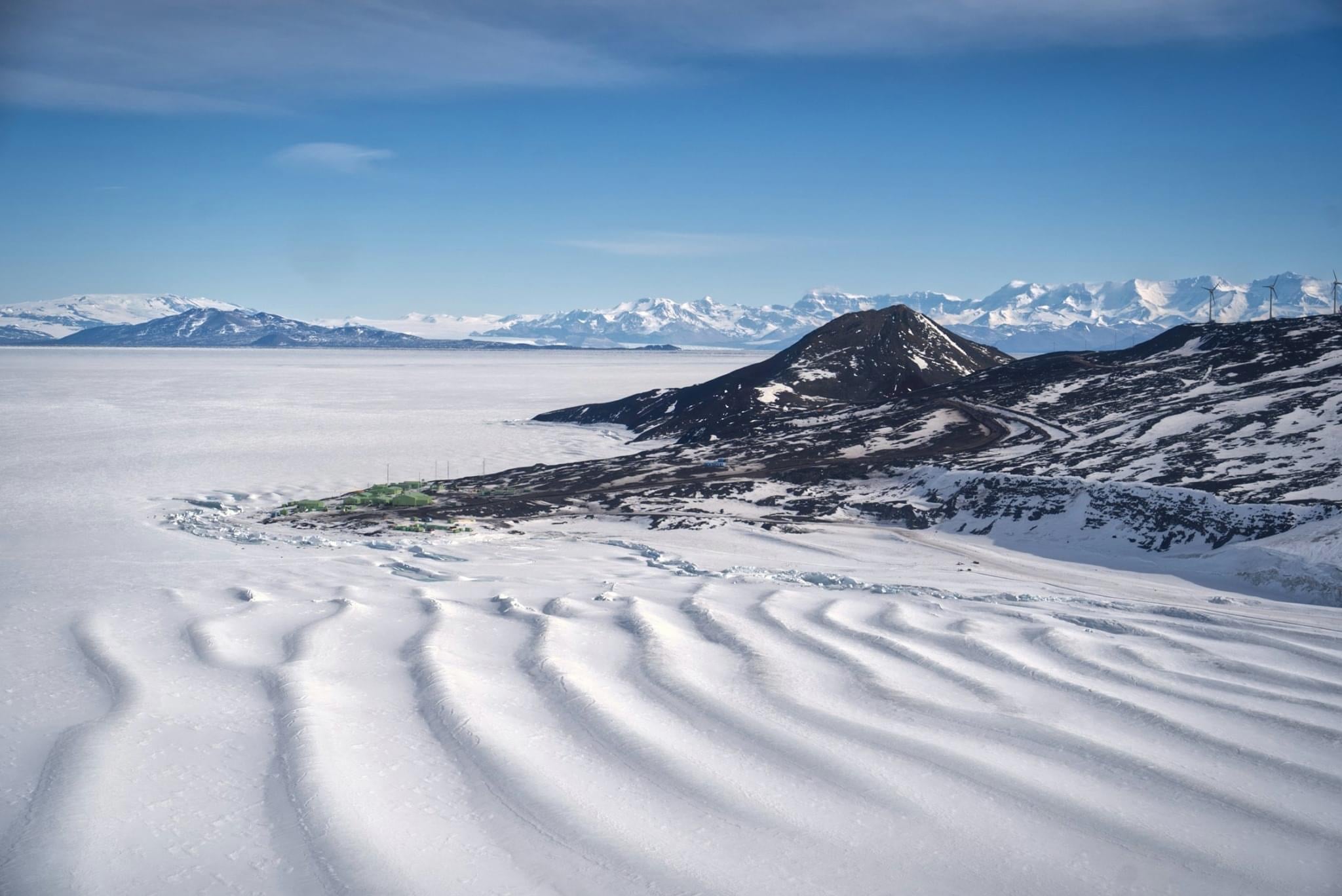
The primary objective of the research, funded by the National Science Foundation (NSF), focuses on the mechanics of "ice shelf rumples"—complex, wave-like ridges formed when floating ice is forced against submerged landmasses or obstacles. While traditional glaciological models often focus on the outward flow of ice into the Southern Ocean, the McMurdo Ice Shelf presents a unique set of variables where ice is compressed and buckled, creating features that may either serve as structural anchors or as precursors to catastrophic collapse.
The Critical Role of Ice Shelf Buttressing
To understand the urgency of Dr. Banwell’s research, one must first recognize the scale of the Antarctic cryosphere. The Antarctic Ice Sheet is the largest single mass of ice on Earth, containing enough freshwater to raise global sea levels by approximately 190 feet (58 meters). While the total melting of this mass is not an immediate threat, the mechanisms governing its gradual release into the ocean are currently undergoing rapid change.
Ice shelves, which ring roughly 75% of the Antarctic continent, act as the primary defense mechanism against sea-level rise. These floating extensions of land-based glaciers provide a "buttressing" effect, effectively functioning as a dam that slows the flow of glacial ice from the continent into the sea. When an ice shelf thins or collapses, the glaciers behind it accelerate their movement toward the ocean. This process, known as marine ice sheet instability, is the primary driver behind current projections of sea-level rise.
Dr. Banwell notes that the McMurdo Ice Shelf is a critical site for studying these dynamics. Unlike many shelves that flow unimpeded toward open water, parts of the McMurdo shelf are being pushed into land, causing the ice to "crumple" into rumples. The central scientific question remains: do these rumples strengthen the shelf by pinning it to the seabed, or do the resulting fractures and stresses make the shelf more susceptible to breaking apart?
Six Weeks of Remote Field Operations: A Chronology
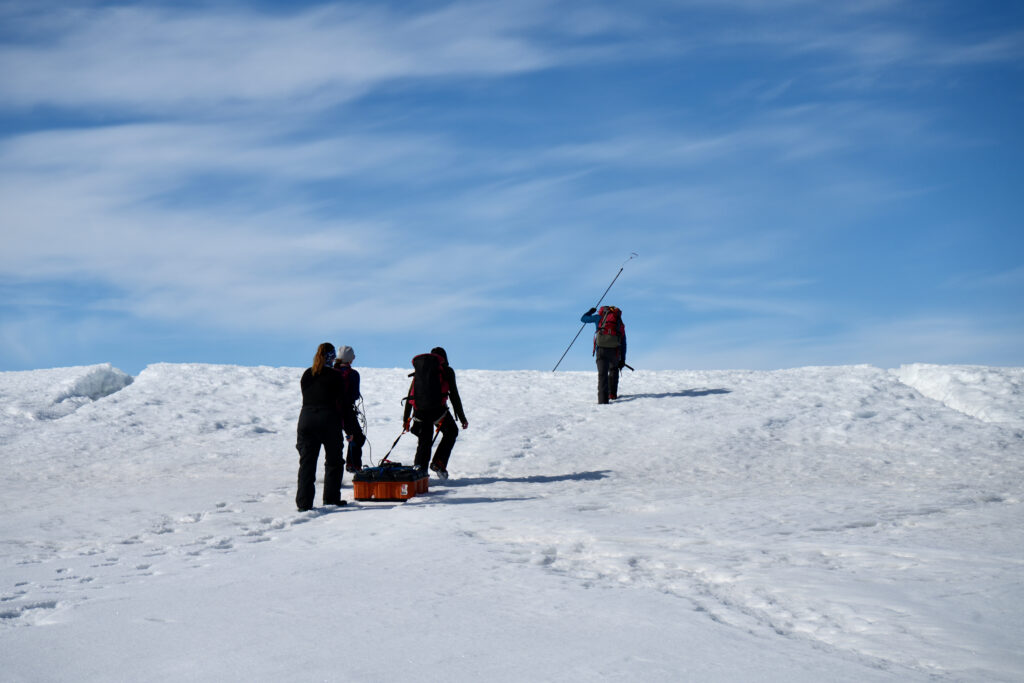
The expedition consisted of a four-person team, including Dr. Banwell, Co-Principal Investigator Ryan Cassotto from the University of Colorado Boulder and the University of Maine, and PhD students Allie Berry (University of Maine) and Michela Savignano (University of Colorado Boulder). The team spent six weeks stationed on the ice, operating out of McMurdo Station, the primary United States research hub in Antarctica.
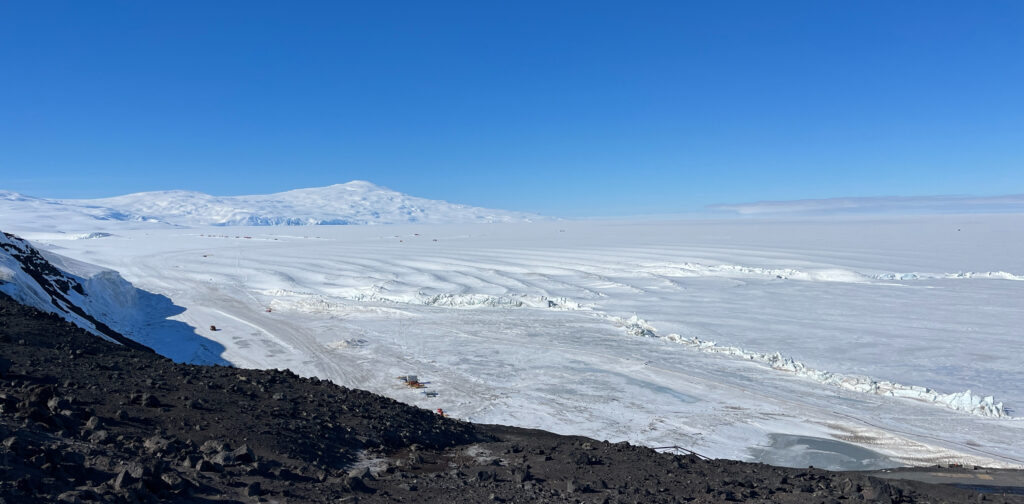
Each day, the researchers traveled via snowmobile across the vast, undulating surface of the ice shelf. The environment is one of perpetual daylight during the Antarctic summer, but it is also one of extreme logistical difficulty. The team had to navigate a landscape defined by hidden crevasses and unpredictable weather patterns, requiring extensive mountaineering expertise and safety protocols.
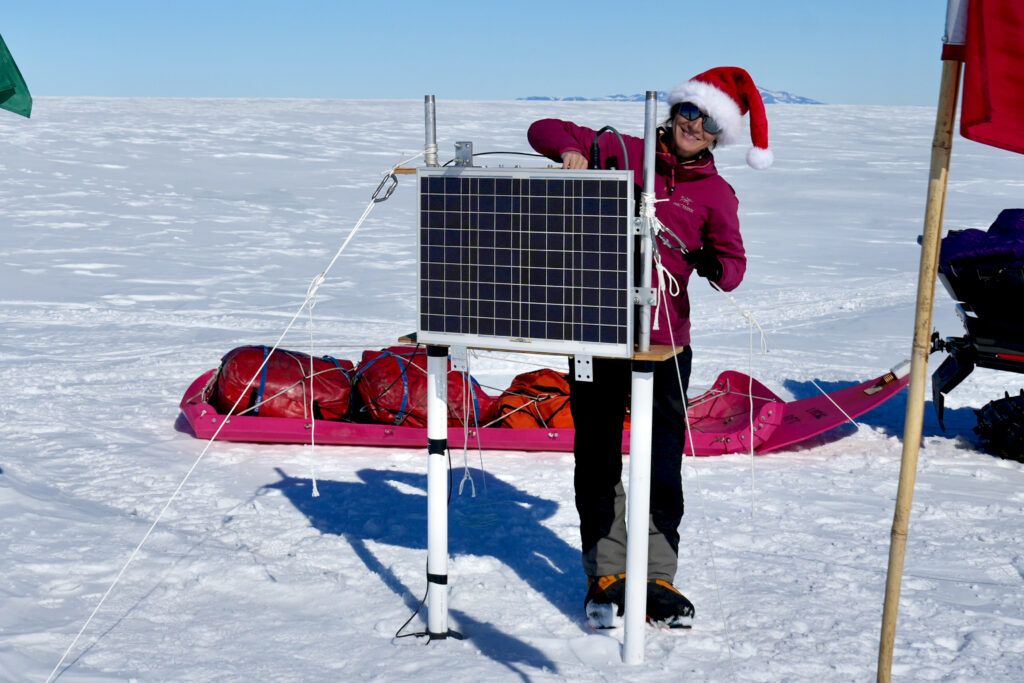
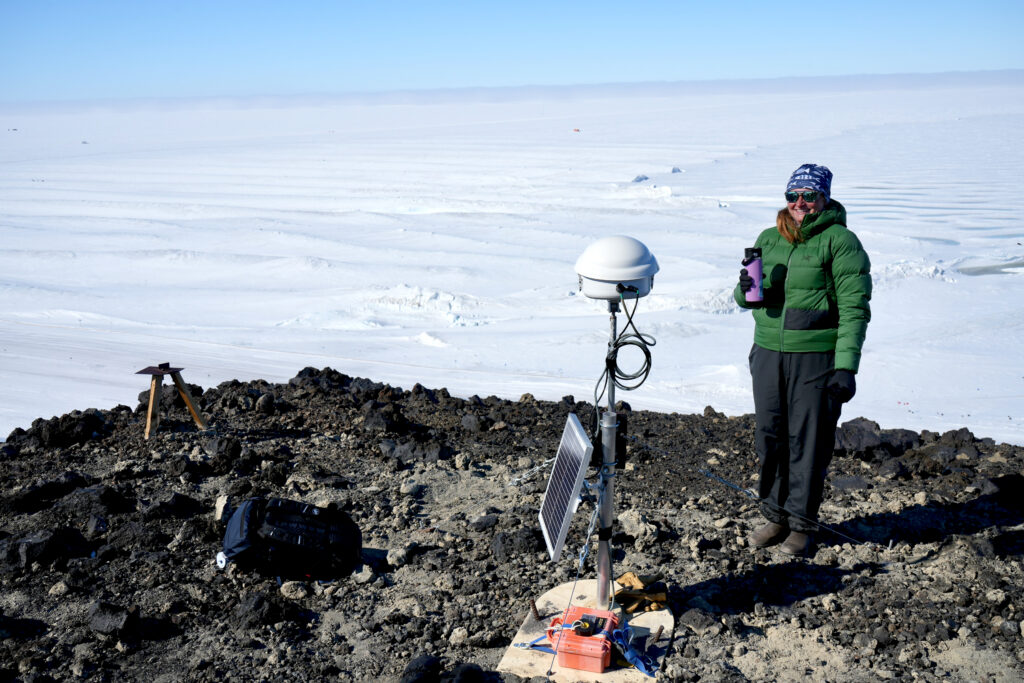
During the first half of the field season, the team focused on the deployment of a sophisticated sensor network. This network was designed to capture a multi-dimensional view of the ice shelf’s behavior. The deployment included:
- Seismometers: Sensitive instruments buried within the snow to detect the subtle "icequakes" caused by internal cracking and fracturing.
- High-Precision GPS Units: Geodetic-grade sensors capable of measuring ice movement with centimeter-level accuracy to track the velocity of the shelf’s flow.
- Radar Systems: Ground-penetrating radar used to map the internal layers of the ice and measure its total thickness and deformation.
- Automated Weather Stations: Instruments to record temperature, wind speed, and solar radiation, providing context for surface melt events.
- Time-Lapse Cameras: Positioned to take high-resolution images every 30 minutes, ensuring a visual record of surface changes throughout the year.
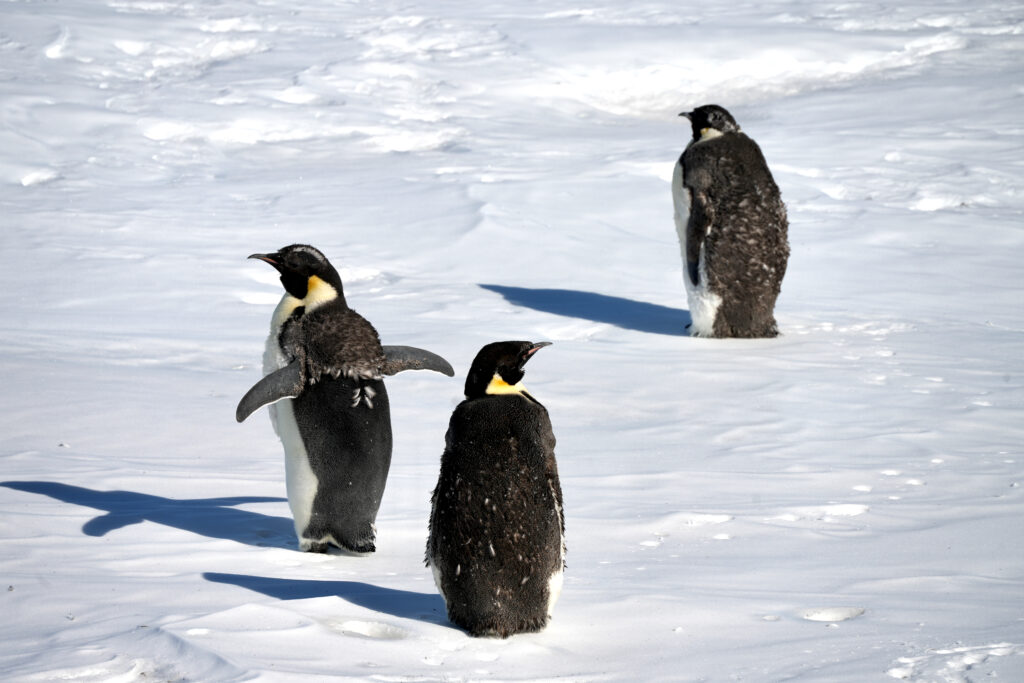
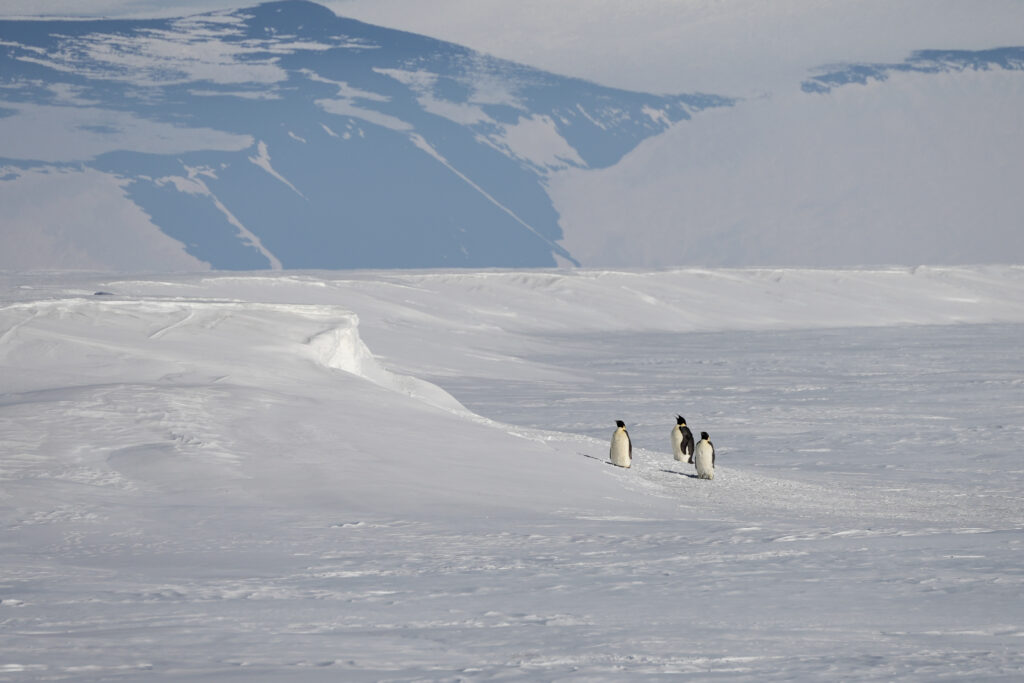
The second half of the season was dedicated to maintenance and preliminary data analysis. During this period, the team observed three Emperor penguins undergoing their annual molt. These birds, unable to enter the water while losing their waterproof feathers, became sedentary companions to the researchers, highlighting the delicate intersection of glaciological change and polar biodiversity.
Preliminary Observations and Environmental Anomalies
While the full dataset remains to be analyzed following the retrieval of instruments in the next field season, Dr. Banwell reported several striking early observations. The team found that the ice was moving at a rate of approximately one to two feet per day. While this may appear slow in a terrestrial context, in glaciology, it represents a dynamic and active system where stresses are constantly being redistributed.
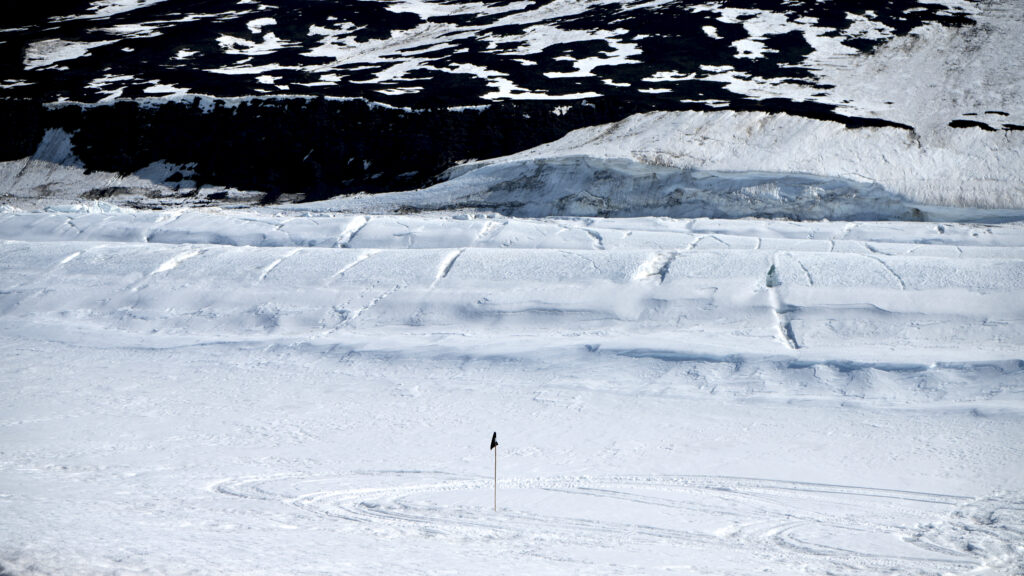
More concerning was the discovery of a highly fractured ice surface. The 2023-2024 field season was the warmest Dr. Banwell had experienced in her seven years of working on the continent. This record-breaking warmth led to earlier-than-expected snowmelt, which stripped away the protective "firn" (multi-year snow) and revealed a labyrinth of crevasses and fractures.
"The team encountered more crevasses than anticipated," Dr. Banwell stated, noting that the increased visibility of these fractures is a sobering indicator of the stresses the ice shelf is currently enduring. The unexpected warmth aligns with broader trends observed across the Antarctic Peninsula and the West Antarctic Ice Sheet, where surface melting is becoming an increasingly frequent contributor to ice shelf instability.
Technical Analysis: The Mechanics of Rumples and Fractures
The "rumples" being studied by the team are indicative of intense compression. When ice flows over a "pinning point"—a high spot on the seafloor—it creates a rise on the surface. These pinning points are vital because they provide the friction necessary to hold back the land-based ice. However, if the ice shelf thins due to warming ocean currents from below or surface melt from above, it may lose contact with these pinning points.
If an ice shelf "unpins," the buttressing effect is lost. The research conducted by Banwell’s team aims to quantify the threshold at which these rumples transition from being stabilizers to being points of structural failure. By using seismic data to listen to the "sound" of the ice cracking and GPS data to measure the "stretch" of the shelf, the team can create more accurate computer models of how other, larger ice shelves—such as the Ross or Filchner-Ronne—might behave in a warming world.
Broader Impact and Global Implications
The stakes of this research extend far beyond the Antarctic circle. Current scientific consensus, including reports from the Intergovernmental Panel on Climate Change (IPCC), suggests that global sea levels could rise by one to three feet by the end of the 21st century. Such an increase would be catastrophic for low-lying coastal regions, potentially displacing tens of millions of people in cities ranging from Miami and New York to Bangkok and Dhaka.
The acceleration of the Antarctic contribution to sea-level rise is considered a "high-impact, low-probability" event in some models, but Dr. Banwell’s observations suggest that the "low-probability" aspect may be shifting as temperatures rise. The fracturing observed during the recent field season serves as a physical manifestation of the stress the global climate system is placing on the Earth’s "refrigerators."
Future Research and the Winter Data Cycle
As the Antarctic winter begins, the team’s instruments remain on the ice, powered by batteries designed to withstand the months of darkness and temperatures that can drop below -50 degrees Celsius. These sensors are currently recording the ice’s response to the brutal winter conditions, providing a rare "year-round" dataset that is often missing from polar research.
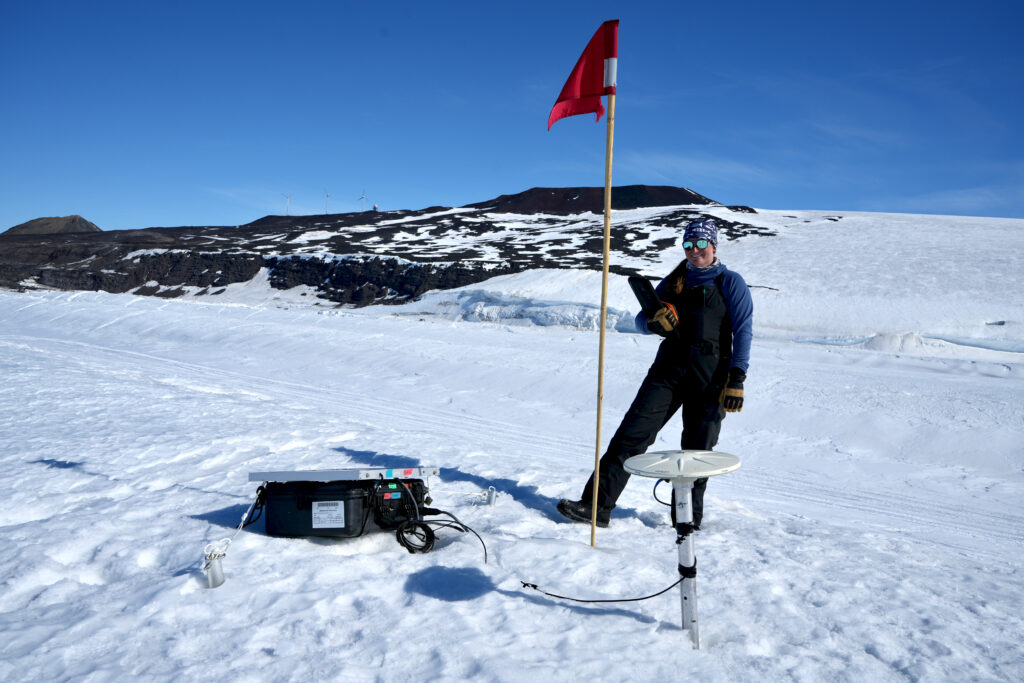
Dr. Banwell and her team are scheduled to return to the McMurdo Ice Shelf in the next field season to retrieve the instruments and download the stored data. This information will then be cross-referenced with satellite imagery from missions such as ICESat-2 and Sentinel-1. The synthesis of ground-based precision and satellite-scale observation is expected to produce one of the most comprehensive studies of ice shelf rumples to date.
The work of these scientists underscores a fundamental reality of climate change: the most significant changes often occur in the most remote places. By drilling into the ice and monitoring the subtle shifts of the McMurdo shelf, Dr. Banwell’s team is providing the world with a clearer picture of the timeline we face. In the high-stakes world of glaciology, every foot of movement recorded on a remote Antarctic shelf is a metric of the future for every coastline on Earth.

