
The 30th United Nations Climate Change Conference, held in the Amazonian port city of Belém, Brazil, concluded with a complex mixture of diplomatic frustration and sub-national progress. As the first COP hosted in the heart of the world’s largest tropical rainforest, the summit was intended to symbolize a turning point for global conservation and climate equity. However, as the final gavel fell, the gap between the urgent demands of climate science and the political realities of nearly 200 negotiating nations remained starkly evident. While the event drew over 60,000 participants and highlighted the growing influence of non-state actors, the inability of the international community to formalize a phase-out of fossil fuels in the final text underscored the persistent influence of petro-state interests and the challenges of consensus-based diplomacy.
Strategic Significance of the Belém Summit
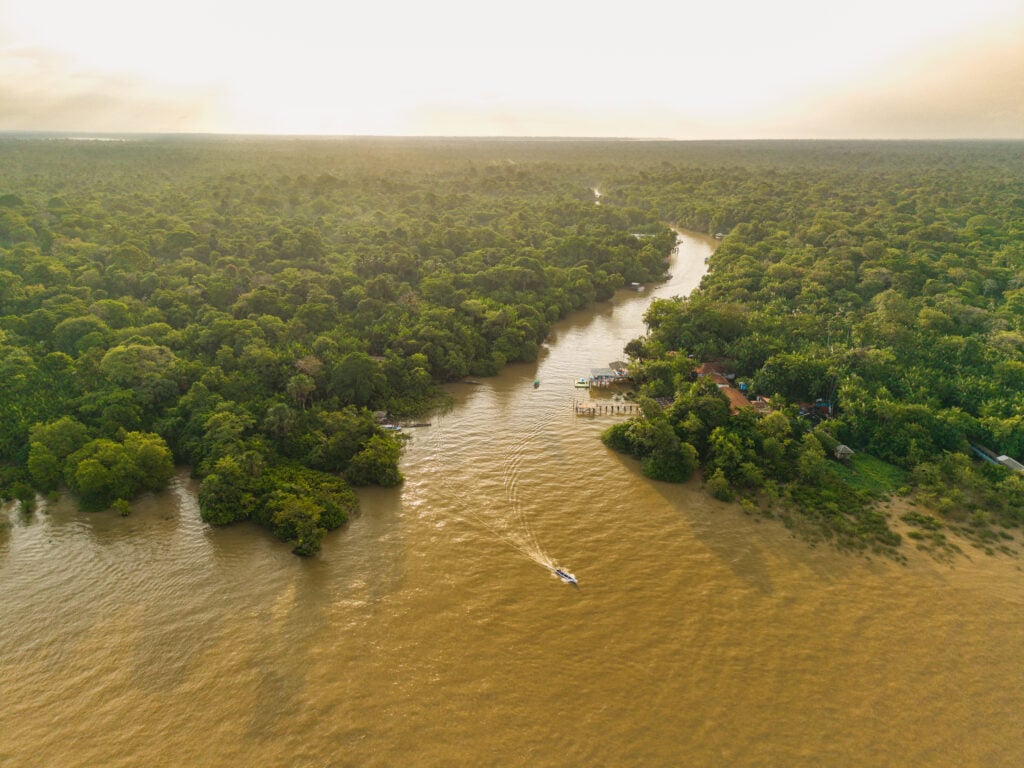
The selection of Belém as the host city for COP30 was a deliberate move by the Brazilian government to center the Amazon—a critical carbon sink—in global climate discourse. Often referred to as the "gateway to the Amazon," Belém provided a visceral backdrop for discussions on biodiversity, deforestation, and the rights of Indigenous peoples. The conference was structured around the "Blue Zone," the formal site of UN negotiations, and the "Green Zone," a space for civil society, alongside the People’s Climate Summit.
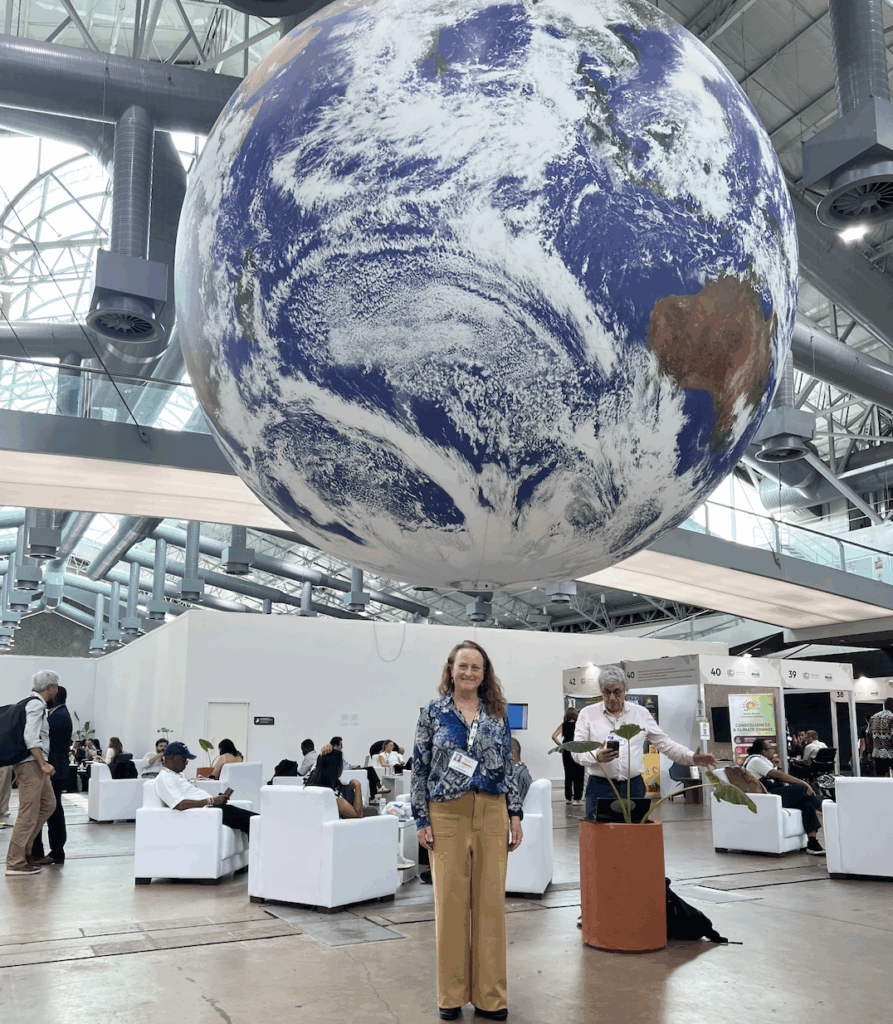
Inside the Blue Zone, the atmosphere was characterized by a convergence of high-level diplomacy and cultural exhibition. National pavilions served as both diplomatic hubs and platforms for "greenwashing," according to some observers, as countries balanced the promotion of their renewable energy investments with the reality of continued fossil fuel extraction. Notable among these was the Indian pavilion’s focus on sustainable aesthetics and Portugal’s emphasis on fostering dialogue through informal networking. A significant addition to this year’s landscape was the Climate Mobility Hub, which addressed the escalating issue of climate-induced migration—a recognition of the "loss and damage" already being experienced by vulnerable populations.
Chronology of Negotiations and Key Events
The two-week summit followed a standard but high-tension timeline, beginning with high-level segments and ending in protracted overnight negotiations.
Week One: Sub-national Diplomacy and Methane Pacts
In the absence of an official federal delegation from the United States, sub-national leaders took center stage during the opening days. California Governor Gavin Newsom emerged as a key figure, utilizing the summit to bypass federal gridlock. Newsom signed significant bilateral agreements, including methane reduction pacts with Colombia and initiatives for electric vehicle (EV) expansion with Nigeria. These moves were supported by coalitions such as "America’s All In" and the "U.S. Climate Alliance," which represent a substantial portion of the American economy and its emissions profile.
Mid-Summit: Protests and Legal Pressure
The middle of the conference saw an escalation in civil society activism. Indigenous leaders and environmental organizations, including Greenpeace, conducted demonstrations to demand accountability from major polluters. A focal point of these actions was Saúl Luciano Lliuya, a Peruvian farmer whose landmark lawsuit against the German energy giant RWE has become a cornerstone of global climate litigation. Lliuya’s presence served as a reminder of the growing "polluter pays" movement, which seeks to hold corporations legally responsible for climate-related damages.
Week Two: The Struggle for the Final Text
As the negotiations moved into their final phase, the focus shifted to the "Global Stocktake" and the setting of new Nationally Determined Contributions (NDCs). Despite a coalition of more than 80 nations advocating for an explicit commitment to phase out fossil fuels, the final document notably omitted the term. This omission was largely attributed to intense lobbying and pressure from major oil-producing nations. The exclusion of "fossil fuels" from the text was met with sharp criticism from scientists and mountain community advocates, who argued that without addressing the root cause of warming, the 1.5°C target remains mathematically impossible.
The Data of Climate Urgency
The discussions in Belém were informed by increasingly dire data from the United Nations Environment Programme (UNEP) and the Intergovernmental Panel on Climate Change (IPCC). To maintain a viable pathway to limiting global warming to 1.5°C by 2035, the international community must achieve a 55% reduction in greenhouse gas emissions from current levels within the next decade.
The summit highlighted several critical data points regarding the current trajectory:
- Emissions Gap: Current national pledges put the world on track for a temperature rise well above 2°C, which would trigger irreversible tipping points in the Amazon and polar regions.
- Indigenous Stewardship: While Indigenous peoples make up less than 5% of the global population, they protect 80% of the world’s remaining biodiversity. Despite this, they receive less than 1% of international climate finance.
- Fossil Fuel Influence: Analysis revealed that over 1,800 fossil fuel lobbyists were present at COP30, outnumbering the combined delegations of the most climate-vulnerable nations.
The Role of the United States and Congressional Responses
The geopolitical landscape of COP30 was significantly altered by the U.S. federal government’s decision not to send an official negotiating team. This vacuum was noted by former U.S. negotiators who attended in an unofficial capacity, stating that the lack of federal leadership made it difficult to broker the complex compromises required for a more ambitious final agreement.
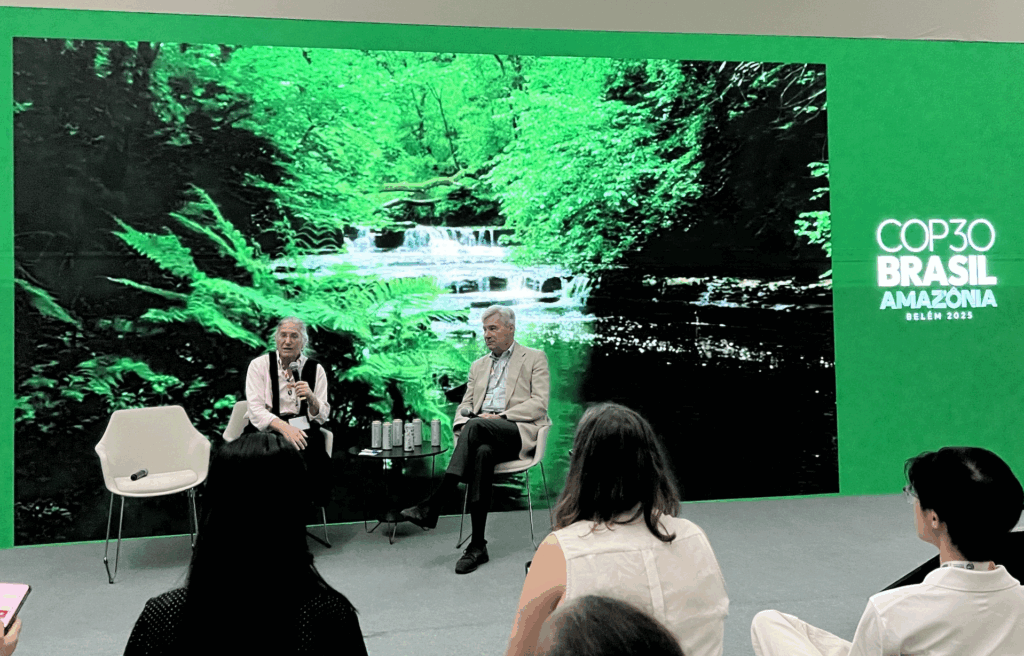
Senator Sheldon Whitehouse of Rhode Island, the sole member of the U.S. Congress in attendance, addressed the disparity between American public interest and federal policy. In meetings with student delegations and international observers, Whitehouse criticized the influence of the fossil fuel industry on the American political process. "As long as the fossil fuel industry enjoys the freedom to pollute for free, we will never find that pathway to climate safety," Whitehouse stated. He characterized the partisan divide on climate in the U.S. as an "artificial state" created by massive industry spending rather than a reflection of natural national sentiment.
Indigenous Leadership and the Barriers to Inclusion
While Brazil’s presidency of COP30 succeeded in increasing Indigenous representation—growing from 300 delegates at COP29 to 900 in Belém—the quality of that inclusion remained a point of contention. Indigenous leaders argued that their presence was often treated as symbolic rather than substantive.
The conference highlighted systemic inequities in the UNFCCC process. Many Indigenous representatives faced significant hurdles, including:
- Visa Restrictions: Delegates from nations like Cameroon were unable to secure transit visas to reach Brazil.
- Language Barriers: Despite the summit being held in a Lusophone country with a high Spanish-speaking neighbor population, the majority of formal negotiations and high-level events were conducted exclusively in English, excluding many Quechua and Spanish-speaking Andean representatives.
- Economic Disparity: The cost of travel and lodging in Belém during the summit proved prohibitive for many grassroots organizations, even those with official accreditation.
Analysis of Outcomes and Broader Implications
The outcomes of COP30 are viewed by analysts as a study in contradictions. On one hand, the failure to name fossil fuels as the primary driver of the climate crisis in the final text is seen as a significant diplomatic setback. On the other hand, the summit solidified the role of "civil society" and "sub-national actors" as the new engines of climate action.
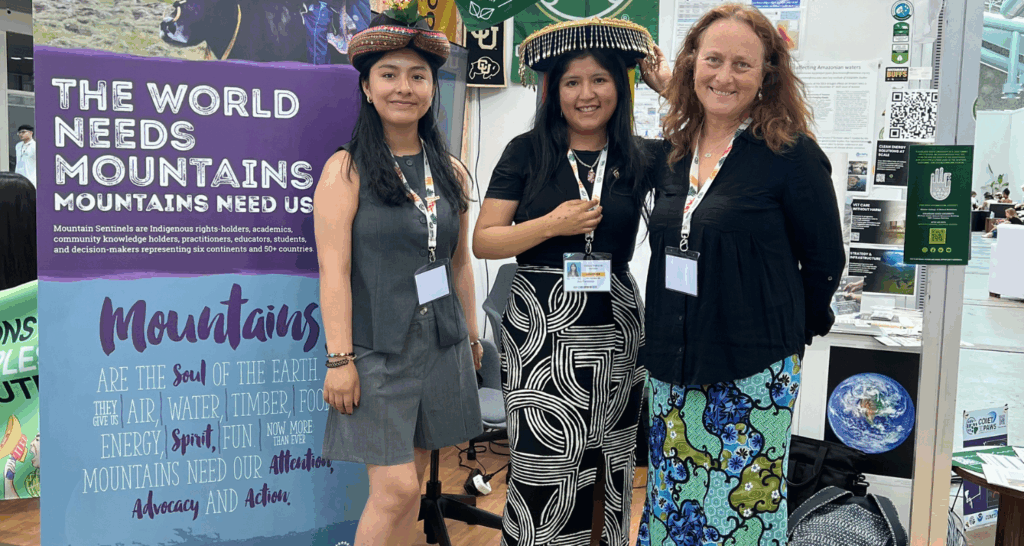
The Research and Independent Non-Governmental Organizations (RINGO) constituency, which includes major academic institutions like Colorado State University and the University of Colorado, played a vital role in knowledge sharing. These groups facilitated cross-cultural alliances, such as the partnership between the Mountain Sentinels Alliance and Indigenous Andean fellows, ensuring that the specific vulnerabilities of high-altitude ecosystems remained on the agenda.
The "Climate Mobility Hub" and the progress in methane agreements represent incremental wins that provide a framework for future action. Furthermore, the networking that occurred in the hallways of the Blue Zone—ranging from informal agreements between researchers to the strengthening of the "Mountain Agenda" within the UNFCCC—suggests that the real impact of COP30 may lie in the decentralized alliances formed outside the formal negotiating rooms.
As the global community looks toward COP31, the mandate remains clear. The "everyone, everywhere, all at once" approach advocated by participants reflects an understanding that federal diplomacy alone is currently insufficient to meet the scale of the crisis. For the "Outdoor State"—those whose livelihoods and cultures are tied to the stability of the natural world—the Belém summit served as a reminder that while the path to 1.5°C is narrowing, the mobilization of local leaders, scientists, and Indigenous stewards continues to offer a viable, albeit challenging, route forward.

