
The landscape of professional alpine athletics is undergoing a fundamental shift as the focus moves from raw power and high-impact training toward a sophisticated integration of biometric data, artificial intelligence, and holistic recovery. Jonny Moseley, the 1998 Olympic gold medalist whose "new-school" approach once revolutionized mogul skiing, is now at the forefront of this transition. By partnering with Velvaere, a luxury wellness community in Deer Valley, Utah, Moseley is demonstrating how the cutting-edge recovery protocols once reserved for elite Olympic training centers are becoming accessible to a broader demographic of winter sports enthusiasts. This evolution marks a significant departure from the "grind-at-all-costs" mentality that dominated the late 20th century, replaced instead by a data-driven philosophy centered on the cycles of strain and rejuvenation.
The Historical Context of the 1998 Revolution
To understand Moseley’s current emphasis on recovery, one must examine the disruptive nature of his competitive career. In the mid-1990s, freestyle skiing was a rigid discipline governed by strict technical requirements. Moseley, however, introduced a creative, snowboard-influenced aesthetic that would eventually give birth to the freeskiing movement. His victory at the 1998 Nagano Winter Olympics was secured through a 360-degree mute grab—a move that was considered revolutionary at the time and forced judges to reconsider the boundaries of the sport.
This success was not merely the result of natural talent; it was underpinned by a training regimen that was decades ahead of its time. While many of his contemporaries relied on traditional coaching methods, Moseley was an early adopter of biometric tracking. In an era before smartwatches and ubiquitous fitness apps, he utilized heart rate monitors and meticulous journaling to quantify his daily performance. By analyzing "second-day soreness" and tracking his recovery intervals, he was able to peak with surgical precision for the 1998 World Cup circuit and the Olympic Games. This obsession with the four-year Olympic cycle necessitated a deep understanding of human physiology, as athletes essentially had a single window to achieve immortality in their sport.
The Technological Advancement of Wellness and Recovery
The tools available to Moseley during his peak competitive years were rudimentary compared to the suite of technologies currently deployed at facilities like Velvaere. The wellness industry has seen a massive influx of aerospace and medical technology adapted for athletic use. At the center of this new frontier is the integration of Artificial Intelligence (AI) into physical therapy.
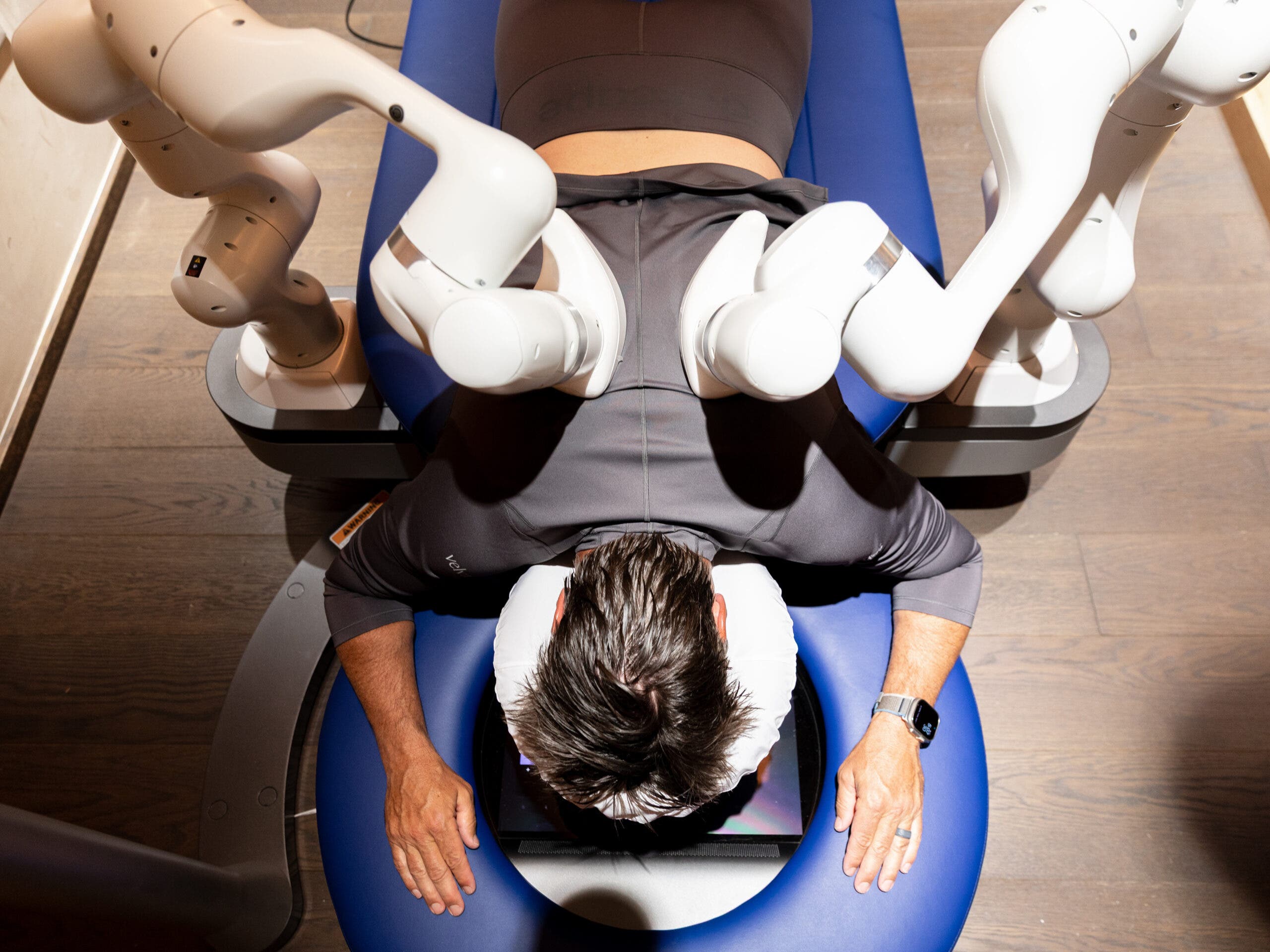
The AI-powered massage robots utilized at the Deer Valley facility represent a milestone in personalized care. These systems use advanced sensors to map the user’s musculoskeletal structure, identifying areas of hypertonicity or inflammation before administering a customized treatment. This level of precision mimics the "hands-on" expertise of a high-level sports therapist but with the consistency and data-logging capabilities of a machine.
Furthermore, the inclusion of LightStim LED therapy and cryotherapy chambers addresses the cellular level of recovery. LED therapy, or photobiomodulation, uses specific wavelengths of light to stimulate ATP production in cells, accelerating tissue repair and reducing oxidative stress. Cryotherapy, which involves exposing the body to sub-zero temperatures for brief periods, triggers a systemic anti-inflammatory response and improves circulation. For a veteran athlete like Moseley, these interventions are no longer "luxuries" but essential components of a lifestyle designed to mitigate the long-term wear and tear associated with high-impact skiing.
A Chronology of Training: From Summer Strength to Winter Specificity
Moseley’s current fitness philosophy is defined by periodization—the systematic planning of physical training to reach the best possible performance at a specific time. His yearly cycle is divided into distinct phases that reflect the changing demands of the seasons and the physiological needs of a maturing athlete.
The Summer Foundation: Strength and Power
During the early summer months, the focus is primarily on hypertrophy and foundational strength. This period involves compound lifts designed to build a "buffer" of muscle mass that will protect the joints during the winter. Moseley’s routine begins with a strict morning cardio session, often involving a 30- to 60-minute walk or treadmill work, which serves to prime the metabolic system.
The Autumn Transition: Endurance and Lateral Stability
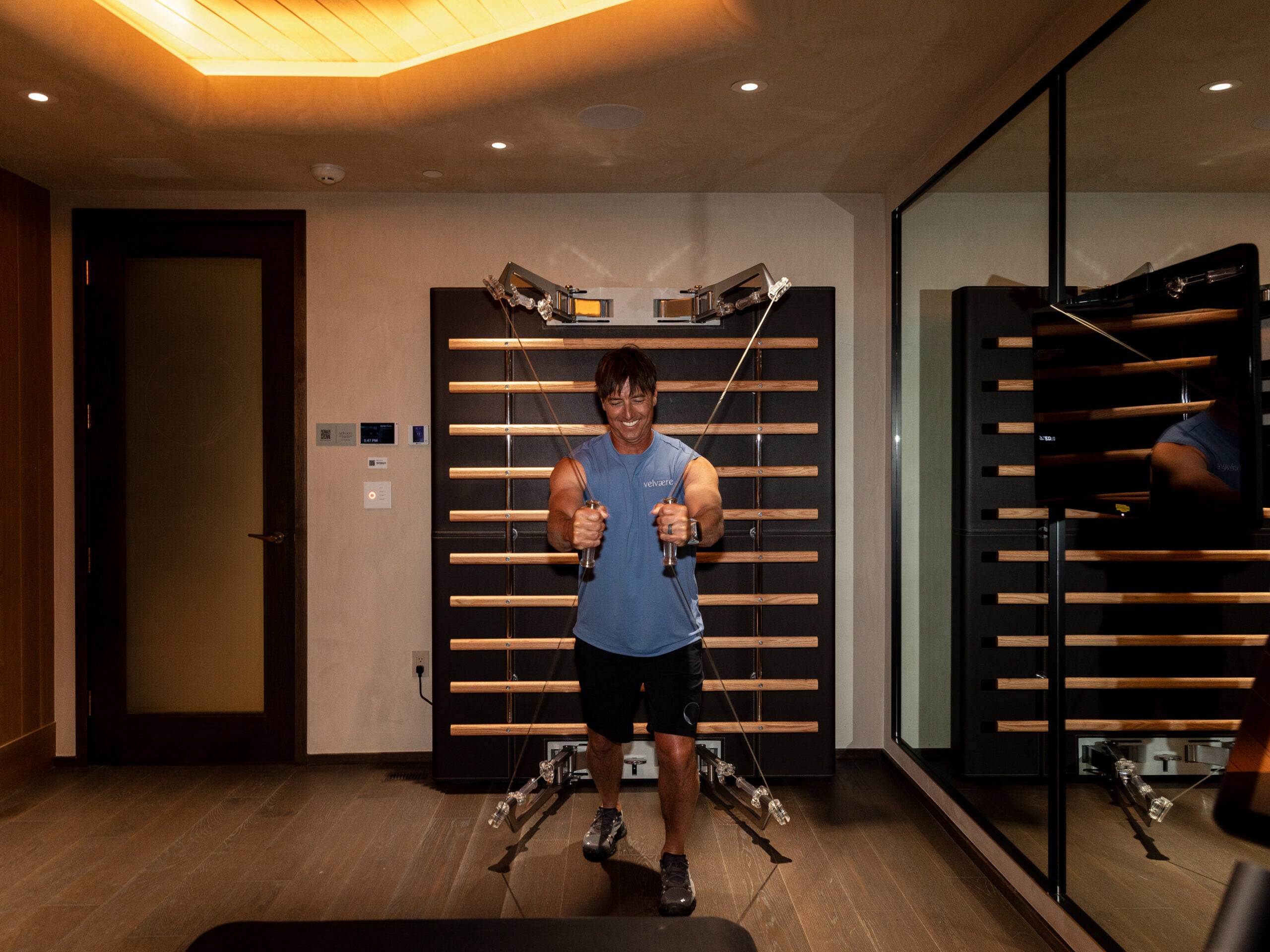
As temperatures drop, the training shifts toward endurance and sport-specific movements. For skiers, lateral stability is paramount. Moseley utilizes slide boards and one-legged training exercises to mimic the side-to-side forces encountered on a mogul run. This "unilateral" training is critical for preventing common skiing injuries, such as ACL tears, by ensuring that both legs possess equal stabilizing strength.
The Pre-Season Peak: Plyometrics and Reactivity
In the weeks leading up to the first snowfall, Moseley incorporates plyometrics. Box jumps are considered the "gold standard" for developing the explosive power needed to navigate uneven terrain. However, Moseley advocates for a graduated approach, starting with lower heights to avoid the jarring impact that can lead to tendonitis in older athletes. This phase transitions the body from "slow" gym strength to the "fast" reactive power required on the slopes.
The Shift Toward Mobility and Holistic Health
Perhaps the most significant change in Moseley’s regimen is the increased emphasis on mobility and flexibility. In his youth, his training was almost exclusively focused on the lower body. Today, he identifies as a proponent of hot yoga, recognizing that as the body ages, the connective tissues—fascia, tendons, and ligaments—require more attention to maintain a full range of motion.
The inclusion of yoga and mobility work serves a dual purpose. Physically, it ensures that the kinetic chain remains fluid, reducing the risk of compensatory injuries. Mentally, it provides a counterweight to the high-intensity nature of skiing. Moseley’s admission that he has historically struggled with "slowing down" highlights a common trait among elite athletes; however, his current embrace of rest as a performance-enhancing tool suggests a more sustainable approach to longevity.
Broader Implications for the Winter Sports Industry
The partnership between Moseley and Velvaere is indicative of a larger trend within the ski industry: the rise of the "wellness-centric" ski community. Traditionally, ski resorts focused on lift capacity, terrain variety, and après-ski entertainment. However, the modern consumer—and particularly the aging demographic of "baby boomer" and "Gen X" skiers—is increasingly prioritizing health span and recovery.
Data from the Global Wellness Institute suggests that wellness tourism is one of the fastest-growing sectors of the travel industry. By integrating medical-grade recovery technology into residential ski-in/ski-out properties, developers are catering to a market that views skiing not just as a sport, but as part of a comprehensive health strategy. This shift is likely to influence how future resorts are designed, with more space allocated to "recovery suites" and less to traditional high-calorie dining options.
Analysis of the "Community" Factor in Performance
Moseley emphasizes that being part of a community where wellness is a shared lifestyle is a significant contributor to success. From a psychological perspective, this is supported by research into "social contagion" and behavioral norms. When an individual is surrounded by peers who prioritize recovery, sleep hygiene, and proper nutrition, they are more likely to adhere to those behaviors themselves.
For the "weekend warrior" or the recreational skier, the takeaway from Moseley’s current routine is the democratization of elite sports science. While not everyone has access to an AI massage robot, the principles of Moseley’s routine—monitoring heart rate, prioritizing mobility, and respecting the recovery cycle—are universal. The "new-school" attitude that once changed the way people looked at moguls is now changing the way people look at aging in the mountains.
Conclusion: The Future of Athletic Longevity
Jonny Moseley’s journey from a 22-year-old Olympic rebel to a 50-year-old ambassador for wellness mirrors the broader trajectory of sports science. The focus has moved from the "what" (the tricks and the speed) to the "how" (the physiological maintenance required to keep performing). By leveraging the same analytical mindset that won him gold in 1998, Moseley is now providing a roadmap for how athletes can extend their careers and their quality of life long after they have left the competitive circuit. As the winter sports industry continues to evolve, the integration of technology and tradition seen in Moseley’s routine will likely become the standard for anyone looking to master the mountains for a lifetime.

