
The physiological demands of alpine skiing represent a unique intersection of explosive power, isometric stability, and cardiovascular resilience. As the winter season approaches, the focus for both professional athletes and recreational enthusiasts shifts from general fitness to sport-specific conditioning. Central to this preparation is the concept of power endurance—the ability of the neuromuscular system to sustain high-intensity, explosive outputs over an extended duration. This capacity is what differentiates a skier who can maintain technical precision during a final afternoon run from one whose form collapses due to muscular fatigue, significantly increasing the risk of lower-extremity injuries.
According to Chris Miller, a veteran coach who has spent years refining the physical profiles of elite ski racers, the transition from "dryland" training to the slopes requires a nuanced approach. While traditional weightlifting builds the raw force necessary to hold a turn against high G-forces, power endurance ensures that this force can be replicated across hundreds of turns in a single day. The following analysis explores the methodology behind these training protocols, the science of ski-specific movement, and a comprehensive workout structure designed to optimize performance on the mountain.
The Biomechanics of Alpine Performance
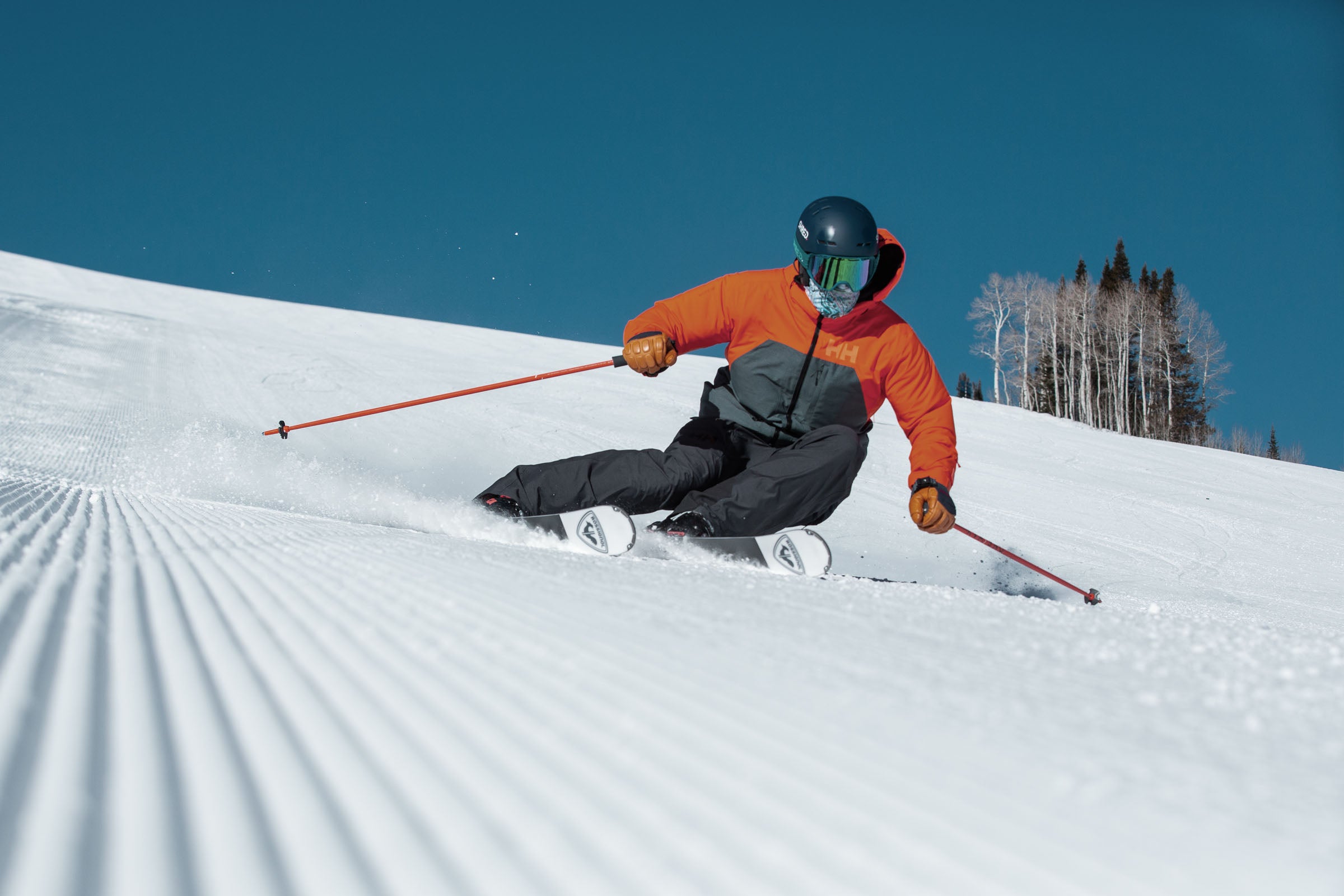
To understand the necessity of power endurance, one must first examine the biomechanical stressors of skiing. Unlike many endurance sports that rely on rhythmic, concentric muscle contractions—such as running or cycling—skiing involves a high degree of eccentric and isometric loading. When a skier carves a turn, the downhill leg must resist the combined forces of gravity and centrifugal acceleration. This requires the quadriceps, glutes, and core to "brake" or stabilize the body’s weight, a process known as eccentric contraction.
As the skier moves through a series of turns, the muscles are subjected to rapid cycles of loading and unloading. Data from sports science studies indicate that elite slalom skiers can experience forces up to four times their body weight during high-speed turns. For the recreational skier, while the forces may be lower, the duration of effort is often longer. A typical "top-to-bottom" run at a major resort can last anywhere from three to ten minutes, placing an immense burden on the glycolytic energy system. Without specific training, the accumulation of lactic acid and the depletion of oxygen in the muscle tissues lead to "leg burn," a precursor to technical failure and potential injury.
Chronology of Pre-Season Preparation
Effective ski conditioning is typically structured in phases, moving from general hypertrophy to specific power and finally to power endurance.
- Hypertrophy and Base Strength (Late Summer): Focuses on building muscle mass and foundational strength through traditional lifts like squats, deadlifts, and presses.
- Maximum Power (Early Autumn): Transitions to faster movements, such as Olympic lift variations and heavy plyometrics, to increase the rate of force development.
- Power Endurance (Late Autumn/Pre-Opening): The current phase, characterized by high-repetition explosive movements, short rest intervals, and "anti-movement" core stability.
This final phase is designed to simulate the "burn" of a long mogul field or a steep groomed run. By training the body to remain explosive while under metabolic stress, skiers can extend their "bell-to-bell" capacity—the ability to ski from the opening lift to the final sweep without a degradation in safety or performance.
The Power Endurance Protocol: A Detailed Breakdown
The workout developed by Chris Miller focuses on three distinct pillars: mobility/activation, lower-body power, and trunk stability. This circuit-based approach is intended to be performed with minimal rest to maximize the cardiovascular and muscular endurance benefits.
Phase I: The Quadruped and Mobility Series
Preparation begins with the Quadruped Series, a sequence designed to activate the posterior chain and improve joint articulation. In skiing, mobility in the hips and ankles is crucial for maintaining a proper "athletic stance." If the hips are tight, the lower back often compensates, leading to chronic pain.
- Quadruped Movements: These involve six repetitions per side of bird-dogs and fire hydrants. The goal is to wake up the gluteus medius—the primary stabilizer of the knee—and the multifidus muscles of the spine.
- Lunge and Dynamic Series: This transitions the body from the floor to a standing position. By performing multi-directional lunges, the skier prepares the connective tissues for the lateral stresses inherent in carving and side-slipping.
Phase II: The Sandbag and Leg Power Circuit
The core of the power endurance workout is the Leg Circuit, which utilizes sandbags or similar weighted implements to provide "live" resistance. Unlike a barbell, a sandbag shifts during movement, forcing the stabilizing muscles to work harder—much like the uneven terrain of a ski slope.

- The Routine: This circuit consists of four sets with no rest between individual exercises and a 45-second recovery between sets.
- Rotational Movements: Skiing is rarely a linear sport. Incorporating rotational lunges or sandbag cleans develops the "X-factor"—the separation between the upper and lower body that allows a skier to keep their chest facing down the fall line while their legs move beneath them.
- Plyometric Integration: Exercises such as Skater Hops (lateral jumps) are included to mimic the weight transfer from the uphill to the downhill ski. These movements train the fast-twitch muscle fibers to fire even when the athlete is beginning to fatigue.
Phase III: Trunk Stability and Anti-Movement
In the context of modern sports science, "core training" has evolved into "anti-movement" training. For a skier, the goal of the core is not necessarily to move the torso, but to prevent the torso from being moved by external forces. If a skier hits a hidden bump, a strong core prevents the spine from collapsing into flexion or rotation.
- Deadbugs and Planks: These exercises teach the athlete to maintain a neutral spine while the limbs are in motion.
- Rotational Resistance: Using resistance bands to perform "Pallof presses" or similar holds develops the obliques’ ability to resist the rotational forces of a high-speed turn. This circuit is performed in three sets with 45 to 60 seconds of rest, focusing on "time under tension" rather than simple repetition counts.
Supporting Data: Injury Prevention and Performance
The implications of power endurance training extend beyond mere enjoyment; they are a critical component of risk management. Statistics from the National Ski Areas Association (NSAA) and various orthopedic studies suggest that a significant percentage of non-collision injuries, such as ACL (Anterior Cruciate Ligament) tears, occur during the final hour of the ski day.
Fatigue-induced biomechanical errors, such as "back-seat" skiing (leaning too far back) or "knee-valgus" (knees caving inward), are the primary drivers of these incidents. When the quadriceps and glutes fatigue, they lose the ability to stabilize the knee joint, placing the brunt of the force on the ligaments. By increasing power endurance, a skier maintains the muscular integrity required to keep the skeletal system in a safe alignment.
Furthermore, a study on alpine skiers published in the Journal of Strength and Conditioning Research found that athletes who engaged in an eight-week pre-season power endurance program showed a 15% increase in "time to exhaustion" during simulated downhill runs compared to a control group. This translates to more vertical feet skied and a higher quality of movement throughout the duration of a ski vacation.
Industry Response and Broader Implications
The shift toward specialized ski fitness has sparked a response from the broader outdoor industry. Major resorts have begun partnering with fitness apps and professional trainers to offer "pre-ski" programs to their season pass holders. This trend reflects a growing realization that a fit customer is a more satisfied customer.

"We see a direct correlation between physical readiness and the overall guest experience," notes a representative from a leading Rocky Mountain resort group. "Skiers who have prepared their bodies spend more time on the mountain, utilize more of the terrain, and are less likely to require assistance from ski patrol due to exhaustion-related mishaps."
Additionally, the rise of "backcountry" skiing—which involves hiking up mountains rather than using lifts—has further emphasized the need for power endurance. In the backcountry, the "descent" is only half the battle; the "ascent" requires a massive aerobic base, while the downhill requires the same explosive power as resort skiing. Training protocols like those suggested by Chris Miller are becoming the standard for the growing demographic of human-powered skiers.
Analysis of Long-Term Athletic Longevity
The adoption of power endurance protocols also has significant implications for the longevity of a skier’s "career." As the median age of the skiing population increases, the focus on joint preservation becomes paramount. High-impact sports like skiing can be taxing on the hips and knees over decades. However, by maintaining high levels of functional strength and endurance, older skiers can mitigate the impact on their joints, effectively "armoring" their bodies against the wear and tear of the sport.
The methodology of "quality over quantity" in training—focusing on explosive, stable movements rather than mindless repetitions—ensures that the nervous system remains sharp. As the winter season of 2025 approaches, the integration of these science-backed routines offers a clear path for skiers to maximize their time on the snow, ensuring that the first chair of the morning and the last chair of the afternoon are met with the same level of strength and enthusiasm.
In conclusion, the transition from the gym to the mountain is a calculated process of physiological adaptation. By prioritizing power endurance, skiers of all levels can bridge the gap between strength and stamina, leading to a safer, more productive, and more enjoyable season on the slopes. Whether carving pristine corduroy or navigating technical glades, the foundation of a great season is built long before the first snowflake falls.

