
The physical demands of alpine skiing place an extraordinary level of stress on the human musculoskeletal system, often resulting in a predictable cycle of peak performance followed by chronic physiological attrition. For many dedicated skiers, the exhilaration of high-velocity descents and "powder days" is eventually countered by the onset of persistent joint and spinal issues. Recent clinical observations and athlete testimonials suggest that traditional recovery methods—such as yoga, stretching, and passive rest—may be insufficient in addressing the root causes of these ailments. Instead, a growing body of evidence points toward structured resistance training, specifically targeting the posterior chain, as a critical intervention for maintaining athletic longevity and mitigating the effects of long-term mechanical wear.
The Biomechanics of Alpine Attrition
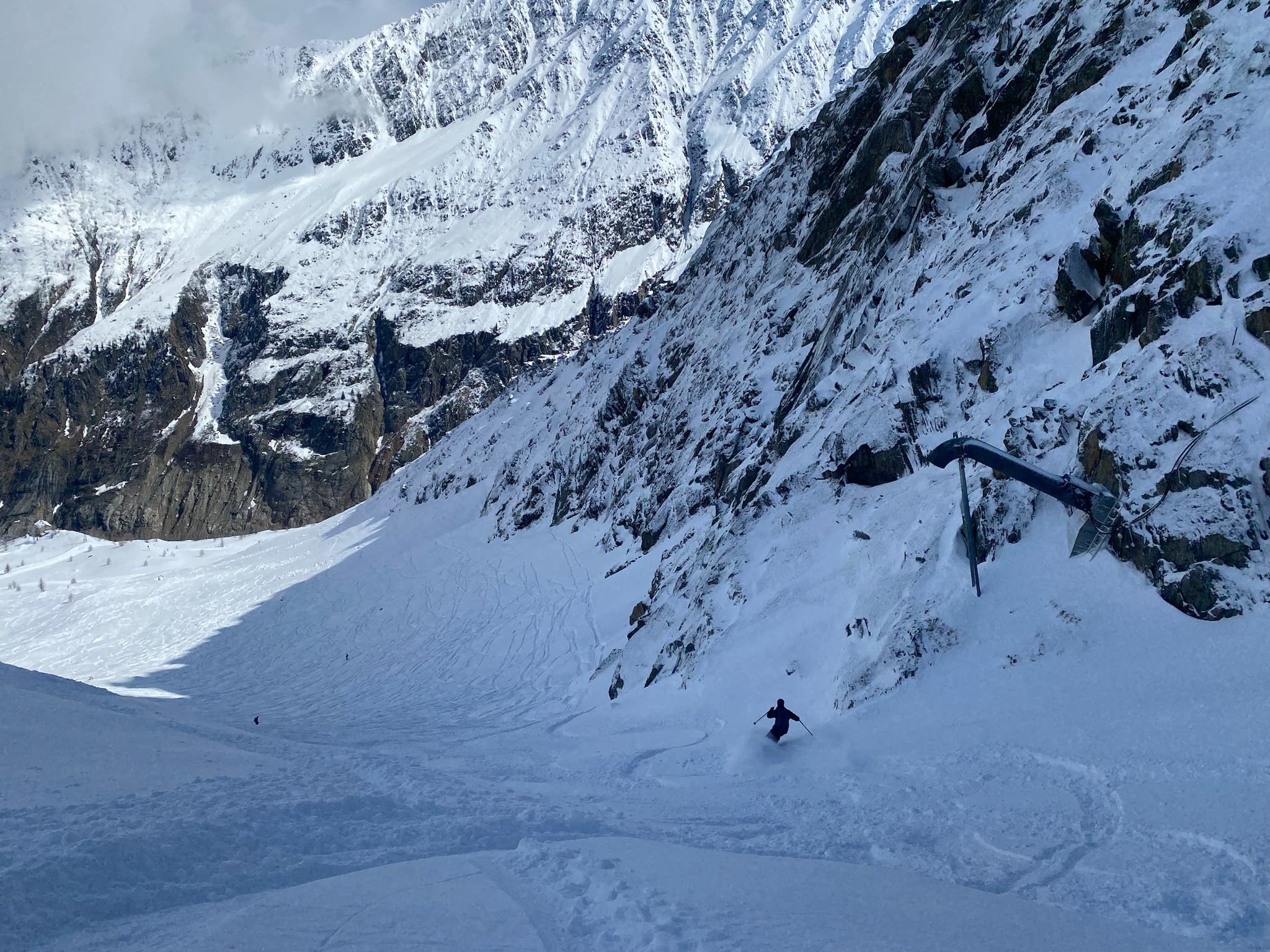
Skiing is a sport defined by eccentric loading and high-frequency vibrations. When an athlete navigates variable terrain, the lower back and lower extremities must act as shock absorbers for the entire body. Newton’s third law of motion—that every action has an equal and opposite reaction—manifests in skiing as the ground reaction force. As a skier carves through snow, the force they exert on the mountain is returned through their boots, up the kinetic chain, and into the spine.
For an athlete who has accumulated significant time on the slopes—quantified in some case studies as upwards of 1,000 days of active skiing—the cumulative impact can lead to significant structural issues. Statistics from sports medicine clinics indicate that while acute injuries like ACL tears are high-profile, the more pervasive threat to the skiing population is chronic lower back pain and degenerative joint inflammation. In many instances, these symptoms begin to manifest in an athlete’s early thirties, a period when natural muscle elasticity begins to decline and the metabolic rate of tissue repair slows.
The Failure of Passive Recovery and Management
Historically, the "management" of ski-related pain has relied on a combination of flexibility exercises and anti-inflammatory measures. Common practices include foam rolling, yoga, and the use of firm mattresses or ergonomic adjustments to daily life. While these methods provide temporary symptomatic relief, they often fail to address the underlying "muscle imbalances" that drive chronic pain.
According to Franco Morris, Head of Program Delivery at a prominent training facility in Sydney, Australia, these imbalances are frequently the result of an evolutionary mismatch. Human physiology is not naturally optimized for the specific demands of alpine sports or the sedentary lifestyles that often occupy the time between ski seasons. "We’re not evolved for what we do, whether that’s skiing, skateboarding, or, as is more often the case, sitting," Morris states. The "desk-bound" nature of modern professional life leads to the atrophy of the posterior chain, leaving the lower back to compensate for weakened glutes and hamstrings during high-intensity movements.
Chronology of a Recovery: From Spasm to Strength
The transition from chronic pain to functional health often requires a catalytic event. For many athletes, this arrives in the form of a debilitating lower back spasm. This physiological response occurs when the muscles surrounding the spine become so fatigued or overloaded that they contract involuntarily to protect the spinal cord and vertebrae from perceived injury. The resulting immobility can last for weeks, often serving as a turning point where the athlete must choose between abandoning the sport or radically altering their physical preparation.
The integration of weight training into a skier’s routine represents a shift from "management" to "rehabilitation and fortification." Data from a year-long observation of a 33-year-old skier indicates that consistent resistance training can result in "miracle cure" outcomes, where days of total pain-free movement are achieved for the first time in a decade. This recovery is not instantaneous; it follows a rigorous timeline of adaptation:
- Initial Adaptation (Weeks 1–8): High levels of delayed onset muscle soreness (DOMS) as the body adjusts to new mechanical stresses.
- Imbalance Correction (Months 3–6): Noticeable improvement in posture and a reduction in "crackling" or "popping" in the hips and knees.
- Functional Fortification (Months 6–12): Increased bone density and the development of "cushioning tissue" that protects joints during high-impact skiing.
Essential Training Modalities for the Alpine Athlete
To successfully transition from the weight room to the mountain, the training focus must remain on the posterior chain—the group of muscles including the hamstrings, glutes, and lower back. These muscles are responsible for driving power and maintaining the "athletic stance" required for stable skiing.
The Deadlift and Glute Engagement
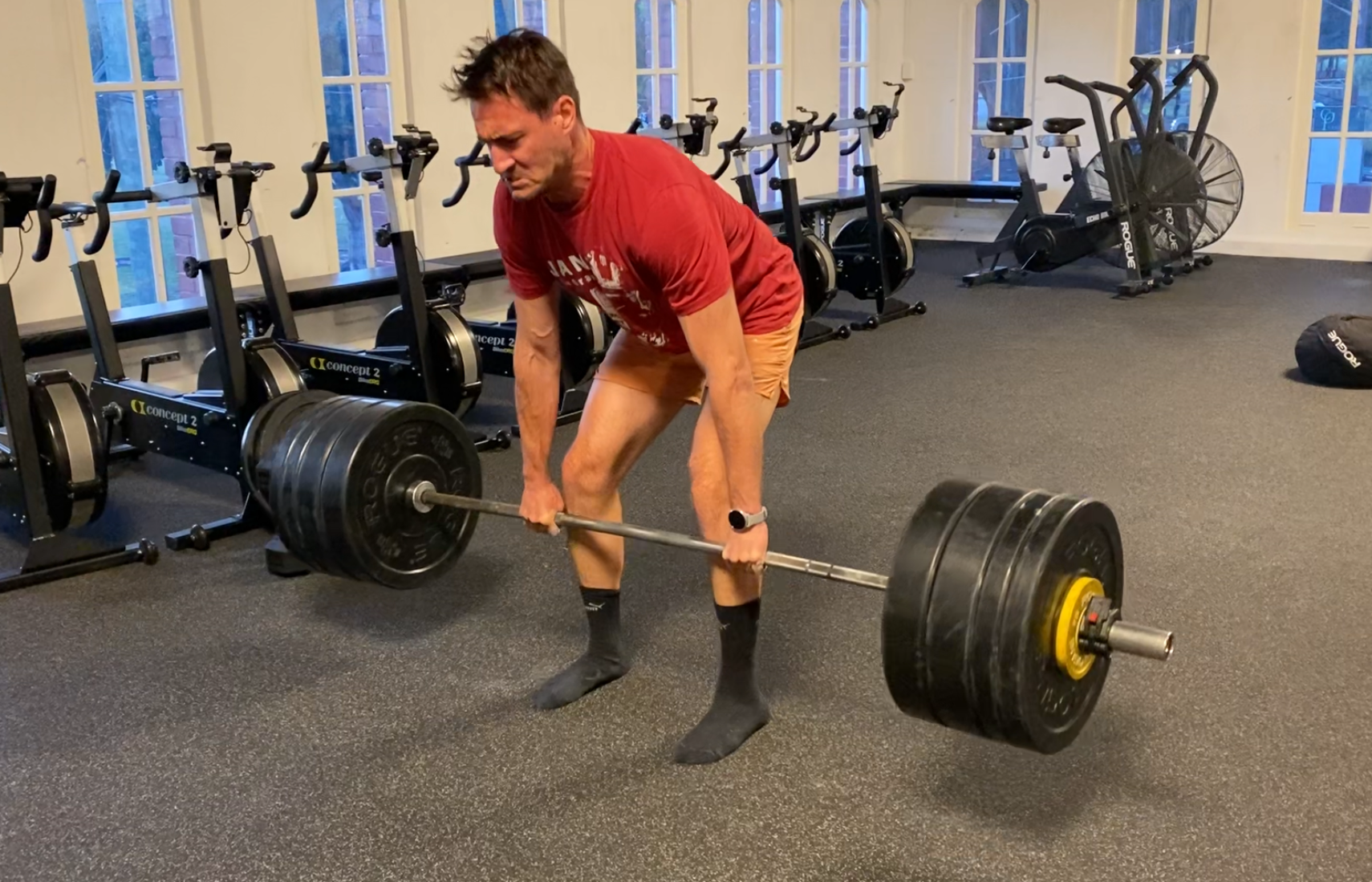
The deadlift is widely considered the most effective movement for skiers. By lifting a barbell from the ground to a standing position, the athlete engages the entire posterior chain, teaching the body to lift and stabilize using the hips rather than the lumbar spine. Complementary movements such as kettlebell swings and barbell hip thrusts further isolate the gluteus maximus, ensuring that the "gluteal sidekick" is active enough to support the lower back during the "dirty work" of a high-speed descent.
Volume Over Absolute Weight
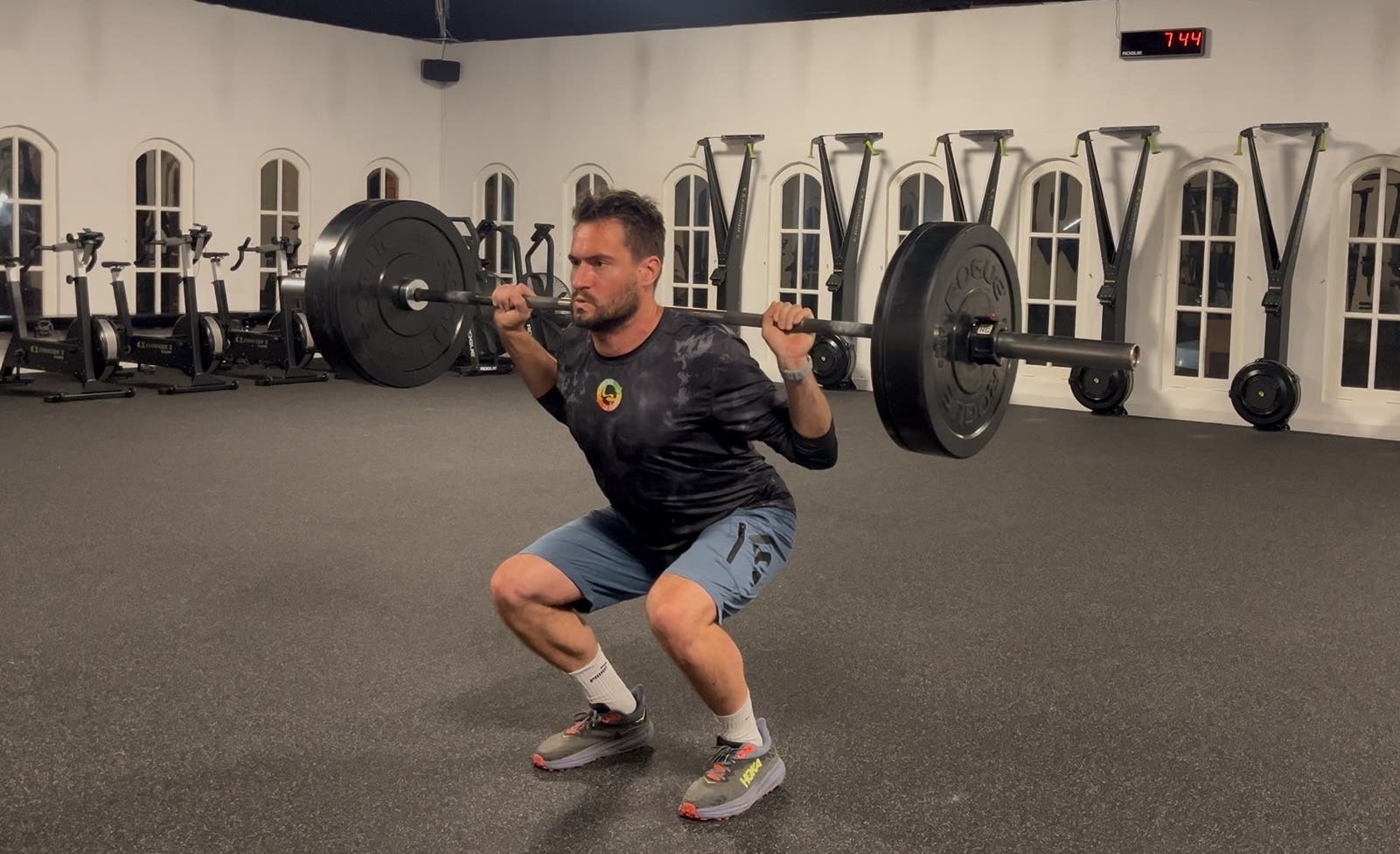
For the endurance-based demands of skiing, sports scientists recommend focusing on volume (repetitions) over maximum weight (1-rep max). High-repetition sets—typically 10 to 12 reps at 60% of maximum capacity—build muscular endurance and reduce the risk of injury during the training process itself. This approach prevents the gain of excessive "glamour muscle" mass (biceps, chest, and abdominals) which, while aesthetically pleasing, can add unnecessary weight that hampers performance in mountain environments.
The Importance of Control and Eccentric Strength
The "low and slow" philosophy of weightlifting mirrors the controlled descent of a technical ski run. Moving under strict control, particularly during the eccentric (lowering) phase of a lift, maximizes muscle fiber recruitment and mimics the way skiers must resist gravity and centrifugal force in a turn.
Clinical Implications and Injury Prevention
Beyond pain management, the clinical benefits of weight training for skiers are profound. Franco Morris emphasizes that building muscle promotes increased bone density, a critical factor in surviving the high-impact crashes common in alpine sports. Furthermore, the development of lean muscle mass around the knees and ankles provides a "natural brace," which can prevent the ligamentous tears that frequently end ski careers.
The psychological impact of this physical fortification is equally significant. The "mental fortitude" required to complete a grueling weight session translates directly to the mountain, providing the athlete with the confidence to tackle challenging terrain without the fear of immediate physical reprisal.
Broader Impact on the Skiing Community
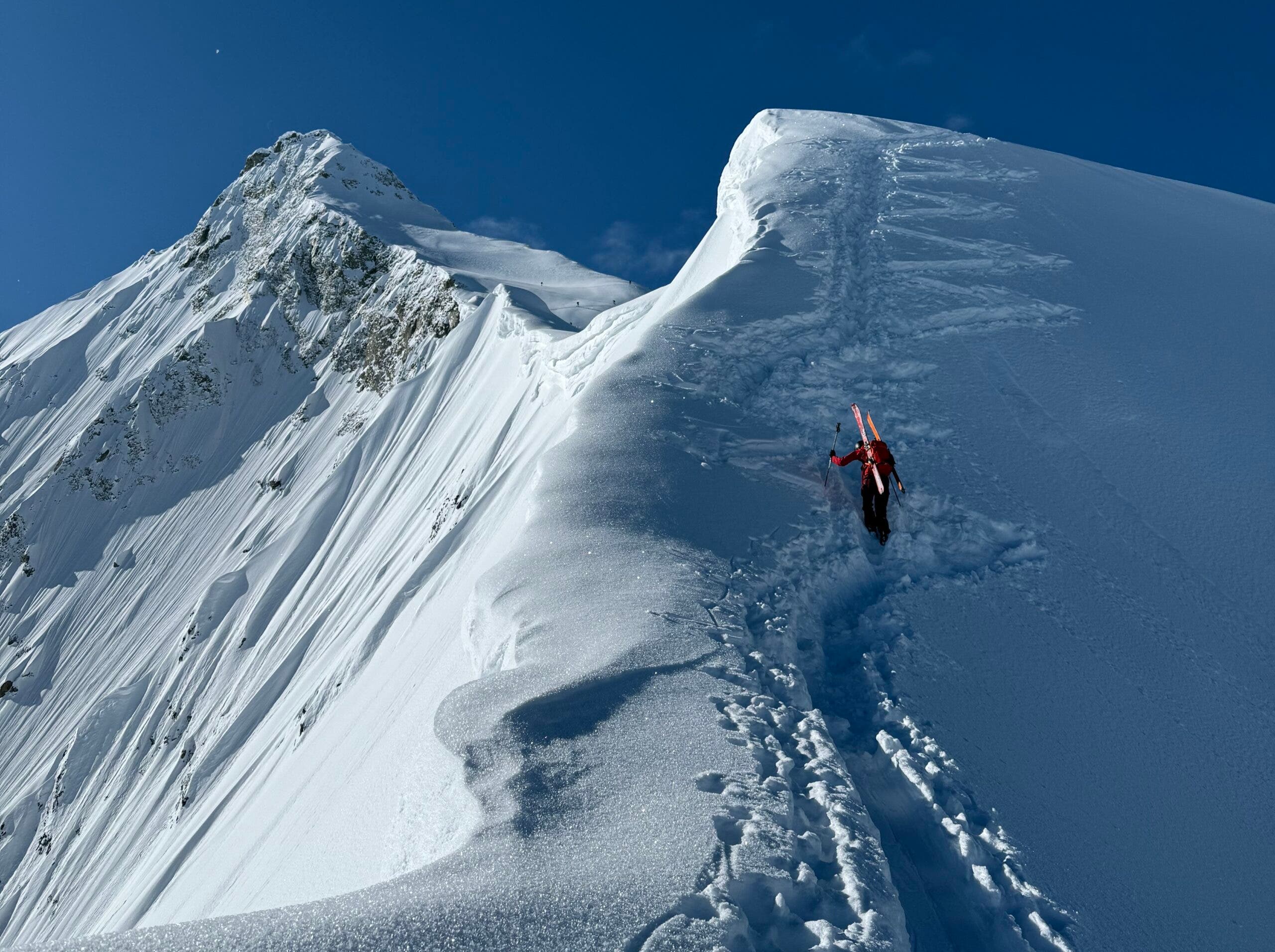
As the median age of the skiing population continues to rise, the industry is seeing a shift in how fitness is marketed to enthusiasts. No longer is "getting in shape for the season" viewed as a three-week pre-season cardio blitz. Instead, year-round resistance training is becoming the standard for those seeking to extend their "skiing life" into their 50s, 60s, and beyond.
The economic implications are also noteworthy. By reducing the frequency of chronic injuries and surgeries, athletes can maintain a higher level of participation in the sport, benefiting resort economies and the outdoor equipment industry. Moreover, the move toward group-based weight training programs has made high-quality coaching more accessible, with many athletes finding that a weekly investment equivalent to the cost of a single lift ticket can yield dividends in the form of decades of pain-free skiing.
Conclusion
The data suggests that the "action" of a lifetime of skiing does not have to result in a "reaction" of permanent physical disability. By outsmarting genetic predispositions and the sedentary traps of modern life through structured weight training, athletes can counter the effects of aging and mechanical wear. As experts like Franco Morris suggest, for those willing to endure the "torturous" minutes of a weight session, the sky remains the limit for their alpine ambitions. The metamorphosis from a pain-ridden veteran to a fortified athlete is a years-long journey, but it is one that ensures the joy of the "powder day" remains accessible well into the future.

