
The European ski transfer sector has signaled the start of the 2026/27 planning cycle as Alpine Fleet officially launched its booking platform for the upcoming winter season. In an industry where early logistical planning is increasingly becoming the standard for international travelers, the company has introduced a series of incentives, including a 10% discount for bookings made during the spring window. This move positions Alpine Fleet as one of the first major operators to open its inventory for the 2026/27 period, reflecting a broader trend of extended booking horizons in the alpine tourism market.
The early release of the booking calendar is specifically targeted at winter sports enthusiasts who have already secured their accommodation and flights for the season commencing in December 2026. By utilizing the promotional code ‘SPRINGSKI’, travelers can mitigate the rising costs of holiday logistics, a factor that has become a primary concern for the modern skier. Alpine Fleet, which specializes in connecting major aviation hubs to high-altitude resorts across France, Switzerland, and Austria, continues to expand its footprint in a competitive landscape dominated by both local shuttle services and large-scale international transport firms.
Strategic Expansion and Geographic Reach
Alpine Fleet’s operational model distinguishes itself through a comprehensive network that spans three of the world’s most prominent skiing nations. While many transfer operators focus on localized corridors—such as the Tarentaise Valley or the Arve Valley—Alpine Fleet has maintained a strategy of broad geographic diversification. This approach allows the company to serve as a one-stop solution for travelers flying into various gateways, including Geneva, Zurich, Lyon, and Grenoble.
In the French Alps, the company’s 2026/27 schedule includes high-demand routes to the Tarentaise region, servicing world-renowned resorts such as Tignes, Val d’Isère, Les Arcs, and La Plagne. It also maintains a strong presence in the Three Valleys (Les Trois Vallées), the world’s largest linked ski area, providing transfers to Val Thorens, Méribel, Courchevel, and Les Menuires. Further north, the Haute-Savoie region is well-represented with services to the Portes du Soleil circuit, including Morzine, Avoriaz, and Les Gets, as well as the Grand Massif resorts of Flaine, Samoëns, Morillon, and Les Carroz. The inclusion of high-altitude destinations like Alpe d’Huez and Les 2 Alpes further reinforces the company’s reach into the Isère department.
The Swiss and Austrian sectors of the business are anchored primarily by operations out of Zurich Airport. This hub serves as a critical gateway for the eastern Alps. For the 2026/27 season, Alpine Fleet has prioritized routes to the Arlberg region of Austria, specifically targeting St. Anton, Lech, and the high-energy resort of Ischgl. Within Switzerland, the company continues to facilitate access to the prestigious destinations of Davos, St. Moritz, and Verbier. This cross-border capability is a logistical cornerstone of the company’s value proposition, allowing for seamless transit across national boundaries that often present a hurdle for independent travelers.
Service Tiers and Consumer Choice
To cater to a diverse demographic ranging from budget-conscious backpackers to luxury-seeking families, Alpine Fleet has structured its 2026/27 offerings into three distinct service tiers: shared, private, and premium.
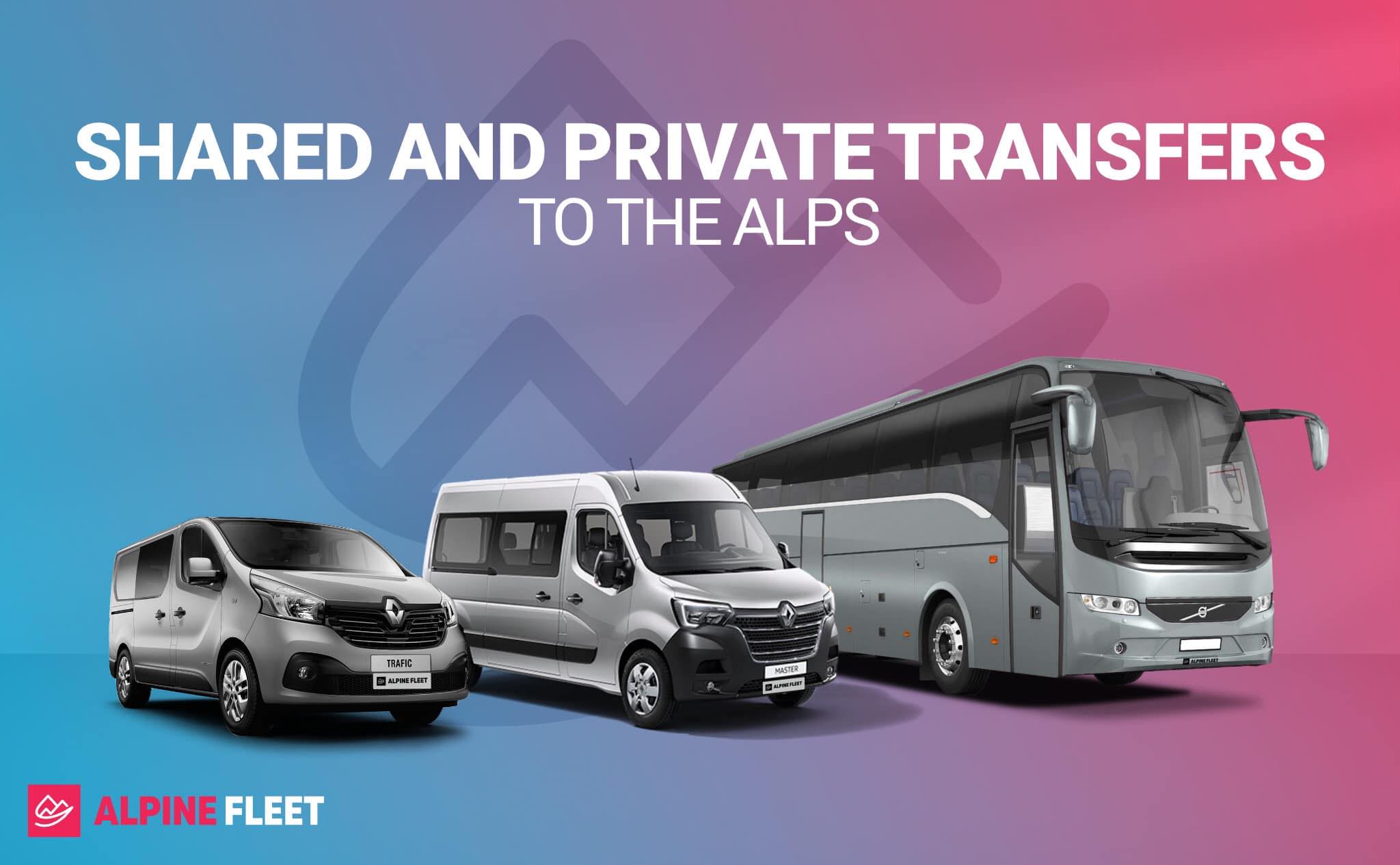
Shared Transfers: The Economic and Ecological Choice
The shared transfer service remains the most popular option for solo travelers and couples. By aggregating passengers arriving at similar times, the company is able to offer lower price points while simultaneously reducing the carbon footprint per passenger. In the context of the 2026/27 season, sustainability is expected to remain a top priority for European tourism, and the efficiency of shared transport aligns with the environmental goals of many Alpine municipalities.
Private Transfers: Flexibility for Groups
For families and larger groups, the private transfer tier offers a direct door-to-door service without the wait times associated with shared shuttles. This service is particularly utilized by those traveling with significant amounts of specialized equipment or those arriving at off-peak hours. The 2026/27 booking launch includes updated vehicle fleets designed to handle the rigorous conditions of mountain driving while maintaining passenger comfort.
Premium Transfers: Luxury and Bespoke Logistics
The premium tier targets the high-end market, providing luxury vehicles and professional chauffeurs. This segment has seen steady growth over the past three seasons, as affluent travelers seek to bypass the crowded public spaces of airports and bus terminals. The premium service often includes additional amenities and a more personalized meet-and-greet experience at the arrivals hall.
Chronology of Operations and Market Context
The opening of the 2026/27 booking window in April 2026 follows a period of significant growth for Alpine Fleet. The company, co-founded by industry veteran Simon Carrelli, has spent the last several years refining its technological infrastructure to allow for real-time tracking and automated booking adjustments.
In autumn 2025, the company underwent a strategic review that led to the expansion of its summer operations. This diversification was a response to the "green season" trend, where Alpine resorts are increasingly visited during the warmer months for hiking and mountain biking. The 2026/27 winter launch is part of this continuous operational cycle, ensuring that the transition between the summer mountain bike season and the winter ski season is seamless.
The timeline for the current rollout is as follows:
- April 2026: Launch of the 2026/27 booking portal and the "SPRINGSKI" early bird promotion.
- May – September 2026: Continued operation of summer transfer services, including specialized bike-carrying trailers.
- October 2026: Expected finalization and announcement of "new developments" for the winter season, which may include new resort partnerships or expanded vehicle classes.
- December 2026: Commencement of the full winter 2026/27 transfer schedule.
Supporting Data: The Importance of Early Booking
Market data from the 2024/25 and 2025/26 seasons suggests that travelers who book their transfers at least six months in advance save an average of 15-20% compared to last-minute bookings. The 10% discount currently offered by Alpine Fleet, when combined with the baseline early-season rates, represents a significant saving for consumers facing inflationary pressures in other areas of their holiday, such as lift passes and energy surcharges on accommodation.

Furthermore, the "last-mile" logistics of a ski holiday—the journey from the airport to the resort—often becomes a bottleneck during peak weeks such as Christmas, New Year, and the February half-term. Data indicates that during these periods, demand for private transfers exceeds supply by nearly 40%. By opening bookings 20 months in advance, Alpine Fleet is attempting to smooth this demand curve, allowing for better fleet management and driver scheduling.
Leadership and Vision
Simon Carrelli, co-founder of Alpine Fleet, has been a vocal advocate for professionalizing the transfer industry. Under his leadership, the company has focused on transparency in pricing and reliability in service. While the company has not released a formal statement regarding the specific "developments" mentioned for the next winter, industry analysts suggest that these could involve the integration of electric vehicles (EVs) into the fleet or the launch of a new mobile application to enhance the passenger experience during transit.
The company’s commitment to the summer market also reflects a broader vision of year-round alpine engagement. By offering transfers that accommodate mountain bikes during the summer months, Alpine Fleet is positioning itself as a permanent fixture in the mountain transport ecosystem, rather than a seasonal operator.
Broader Impact and Industry Implications
The decision by Alpine Fleet to go live with 2026/27 bookings so early is likely to prompt a response from other major players in the sector. Competitors may be forced to accelerate their own booking timelines to avoid losing market share to the early-bird incentives. This competition is ultimately beneficial for the consumer, as it encourages price transparency and forces operators to improve their service levels to retain loyalty.
Additionally, the focus on a wide network—spanning France, Switzerland, and Austria—highlights the increasing globalization of the ski industry. Travelers are no longer sticking to one valley or even one country for their winter fix; they are looking for operators who can provide a consistent level of service regardless of where they land. Alpine Fleet’s ability to service Zurich, Geneva, and Lyon with the same operational standards is a key differentiator in a market that has historically been fragmented.
As the 2026/27 season approaches, the role of transfer companies will continue to evolve. They are no longer just "taxi services" but are integral partners in the travel chain, often being the first and last point of contact for a tourist in the Alps. The early launch of the 2026/27 booking page is a testament to the maturity of the industry and the sophisticated nature of the modern ski traveler who demands efficiency, value, and a high degree of forward planning.
The 10% discount code ‘SPRINGSKI’ remains active for the duration of the spring booking phase, providing a tangible incentive for those ready to commit to their 2026/27 winter adventures. As the company finalizes its upcoming developments, the industry will be watching closely to see how Alpine Fleet continues to shape the logistics of mountain travel.

