
The historic Hill Ski Centre in Rossendale, a cornerstone of British alpine skiing heritage, is currently facing an uncertain future as Rossendale Borough Council initiates a comprehensive review of its leisure portfolio and funding structures. Established in 1973, the facility has served as the foundational training ground for some of the United Kingdom’s most decorated winter athletes, most notably Dave Ryding, the most successful British alpine skier in history. However, a recent council report has highlighted significant financial and operational challenges that have placed the facility’s continued operation under intense scrutiny. The review comes at a critical juncture for the regional leisure industry, as local authorities across the country grapple with rising maintenance costs, aging infrastructure, and the necessity of balancing community service provision with fiscal responsibility.
The Hill, often referred to locally as Ski Rossendale, is managed by the Rossendale Leisure Trust on behalf of the council. The facility’s operations are currently sustained through a complex financial model involving a combination of local government subsidies, Sport England grants, and contributions from the Heritage Lottery Fund. Despite this multi-faceted support system, the council’s report indicates that the site is struggling to achieve financial self-sufficiency. The document explicitly describes the facility as "costly" and notes that it is increasingly "constrained" in its ability to introduce the new attractions and modernizations required to compete in a contemporary leisure market.
The Legacy of The Hill and the Rise of Dave Ryding
To understand the weight of the potential closure, one must look at the immense sporting legacy generated by the Rossendale slope. For over five decades, the plastic matting of this Lancashire hillside has provided a gateway to winter sports for thousands of residents in a region far removed from the alpine peaks of Europe. Its most famous alumnus, Dave Ryding, recently concluded a legendary career that saw him become the first Briton ever to win a World Cup slalom race—a historic victory achieved in Kitzbühel in 2022.
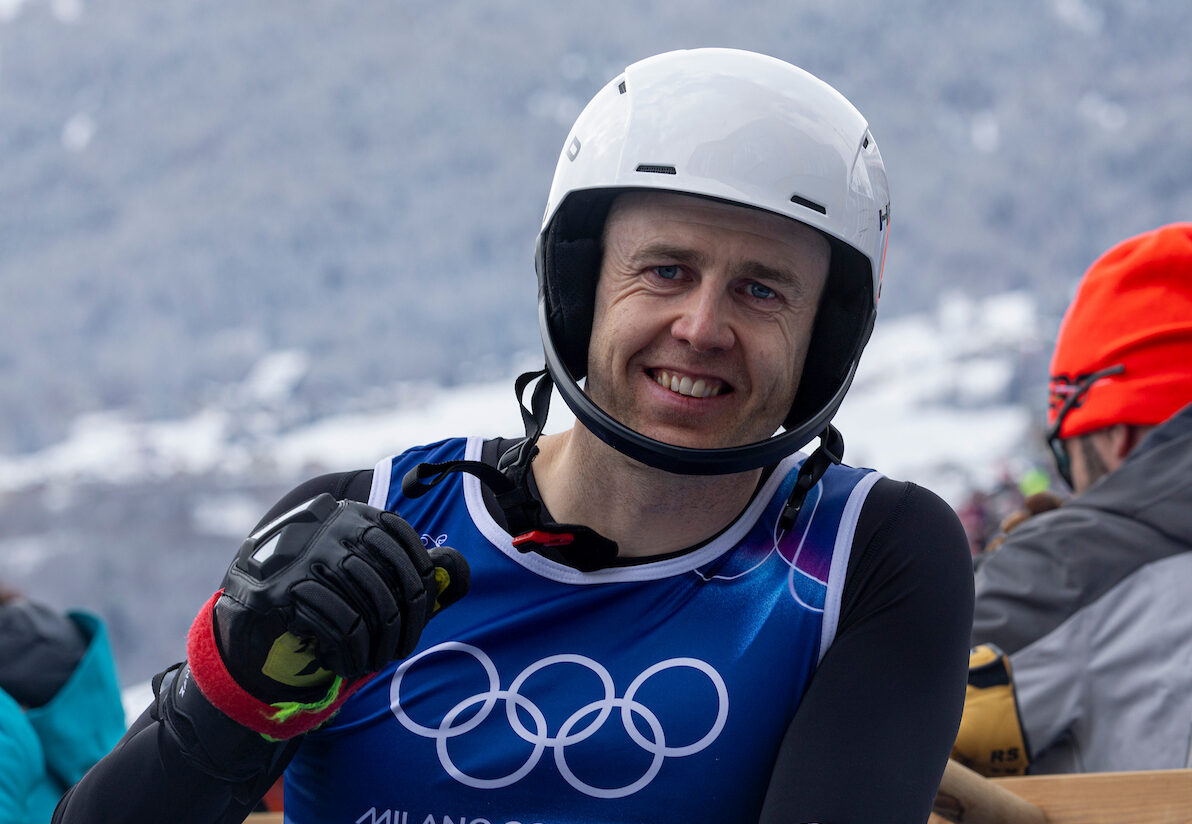
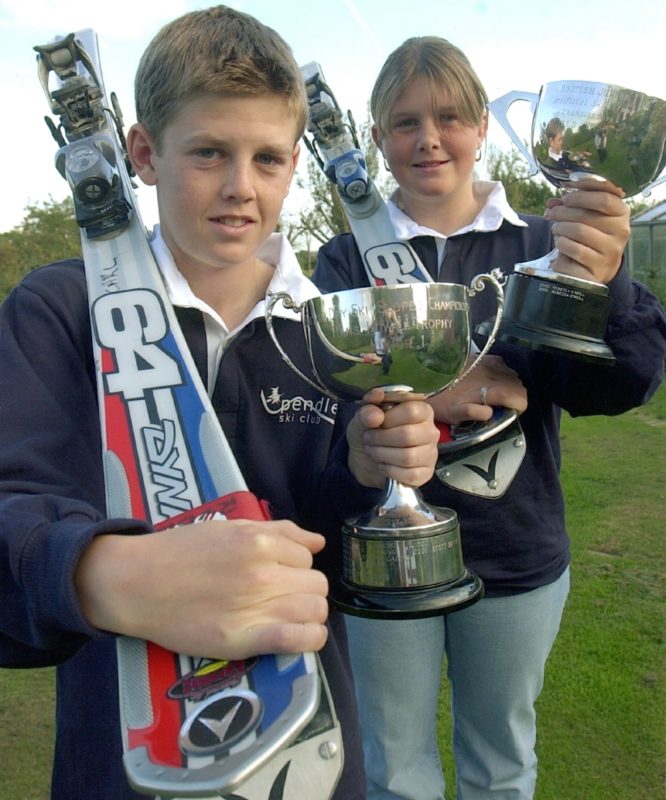
Ryding, who competed in five consecutive Winter Olympic Games before retiring at the conclusion of the last season, began his journey at the age of six on the dry slopes of the North West. Alongside his sister, Jo, he rose through the ranks to become a British dry slope champion, a trajectory that eventually led him to the pinnacle of international ski racing. Ryding has been vocal about the importance of such facilities, describing the prospect of closure as "short-sighted." He emphasized that The Hill provides a "genuine community benefit" and warned that shuttering the doors would have a "huge impact" on the local community, potentially deterring the next generation of athletes from ever entering the sport.
The success of athletes like Ryding has historically validated the existence of UK dry slopes. Unlike indoor snow centers, which are often more expensive and located in major urban hubs, outdoor dry slopes like Rossendale have traditionally offered a more accessible and affordable entry point for working-class families. The loss of such a venue represents not just the loss of a business, but the removal of a developmental pathway for British winter sports.
Financial Constraints and the Rossendale Leisure Trust Review
The council’s move to review The Hill is part of a broader examination of all leisure sites managed by the Rossendale Leisure Trust. This includes a variety of facilities ranging from traditional gymnasiums and sports halls to the Marl Pits Swimming Pool. The core of the issue lies in the "breadth of sites," which the report suggests creates "real challenges" in generating sufficient income to cover operational overheads, reinvest in aging facilities, and service what is described as an "inter-company loan."
According to the official report, the financial case for the level of investment required to modernize The Hill does not align with its realistic income-generating potential. The site’s geography and existing infrastructure limit the scope for "external investment opportunities," making it difficult to pivot the business model toward more lucrative "adventure" or "lifestyle" leisure offerings that have saved other similar sites. Consequently, the report suggests that the Rossendale Leisure Trust should prioritize its core focus on gyms, traditional sports, and physical activity sites like Marl Pits, while "other future options" should be explored for the ski slope.
Of the three primary recommendations currently being considered by council members, the future of the ski slope is officially categorized as the "most complex." This complexity arises from the site’s unique status as both a niche sporting venue and a significant historical asset, coupled with the specialized nature of its maintenance and the high cost of replacing its artificial skiing surfaces.
A Growing Trend: The Decline of the British Dry Slope
The situation in Rossendale is not an isolated incident; it reflects a wider trend affecting the UK’s artificial ski slope industry. For decades, the UK was a world leader in dry slope technology and participation, but many of these sites, built in the 1970s and 80s, are now reaching the end of their operational lifespans.
A parallel situation is currently unfolding at the Gloucester Ski and Snowboard Centre in Matson. Much like Rossendale, the Gloucester site is synonymous with British skiing history, having served as the training base for Michael Edwards, better known as "Eddie the Eagle." Edwards, the first Briton to compete in Olympic ski jumping, has also expressed deep concern over the future of his home slope, which is currently on the market for £625,000.
Edwards noted that while there had been interest from potential buyers previously, those deals appear to have stalled. "It was my home when I was a child," Edwards remarked, echoing Ryding’s sentiments regarding the emotional and developmental importance of these centers. The fact that two of the most iconic slopes in British history are simultaneously facing existential threats suggests a systemic issue within the industry, driven by high land values, rising energy costs for lifts and floodlighting, and the increasing popularity of indoor real-snow centers.

Chronology of Events and Upcoming Decisions
The timeline regarding the future of The Hill has moved rapidly over the spring of 2026. Following the conclusion of the winter season and Dave Ryding’s retirement—an event that brought renewed media attention to his roots in Lancashire—the council commissioned a formal audit of its leisure assets.
- 1973: The Hill Ski Centre officially opens in Rossendale, Lancashire.
- 1990s-2000s: The facility produces multiple national champions, including Dave and Jo Ryding.
- 2022: Dave Ryding’s World Cup success brings international prestige to the Rossendale training model.
- Early 2026: Rossendale Borough Council initiates a review of the Rossendale Leisure Trust’s financial viability.
- April 2026: A council report is released, highlighting the "costly" nature of the ski slope and recommending a focus on core leisure sites.
- May 6th, 2026: Councillors are scheduled to meet to formally consider the report’s recommendations and vote on the next steps for The Hill.
This upcoming meeting on May 6th is expected to be a pivotal moment. Councillors will have to weigh the undeniable social and sporting value of the slope against the stark financial realities presented in the report. Options on the table could range from a continued (but reduced) subsidy, an invitation for private commercial takeover, or, in the worst-case scenario, the permanent closure and decommissioning of the site.
Implications for British Snowsports and Local Community Health
The potential closure of The Hill carries implications that extend far beyond the borders of Lancashire. From a national sporting perspective, the UK’s "Park and Pipe" and alpine programs rely heavily on the domestic dry slope circuit to identify talent. Without these grassroots venues, the cost of entry for skiing and snowboarding would rise significantly, as aspiring athletes would be forced to travel to indoor centers or overseas to the Alps, effectively making the sport the exclusive province of the wealthy.
Locally, the impact on public health and community engagement cannot be overlooked. The Hill provides an outdoor, physically demanding activity that appeals to a demographic that might not otherwise engage with traditional team sports or indoor gyms. Furthermore, the site serves as a hub for school trips and youth groups, providing a controlled environment for children to learn risk management and physical coordination.
If the council decides that the financial burden is too great for the public purse, the focus may shift to a community-led buyout or a charitable trust model, similar to those that have saved local libraries and community centers across the UK. However, the specialized equipment and safety certifications required for a ski slope make this a much more daunting prospect than maintaining a standard community hall.
As the May 6th meeting approaches, the community of Rossendale and the wider British skiing world remain in a state of anxious anticipation. The decision made by the council will not only determine the fate of a 53-year-old Lancashire landmark but will also serve as a barometer for the value local governments place on niche sporting heritage in an era of unprecedented fiscal constraint. Whether The Hill can survive this latest uphill battle remains to be seen, but the voices of champions like Dave Ryding and Eddie the Eagle have ensured that the debate over its future will be heard loud and clear.

