
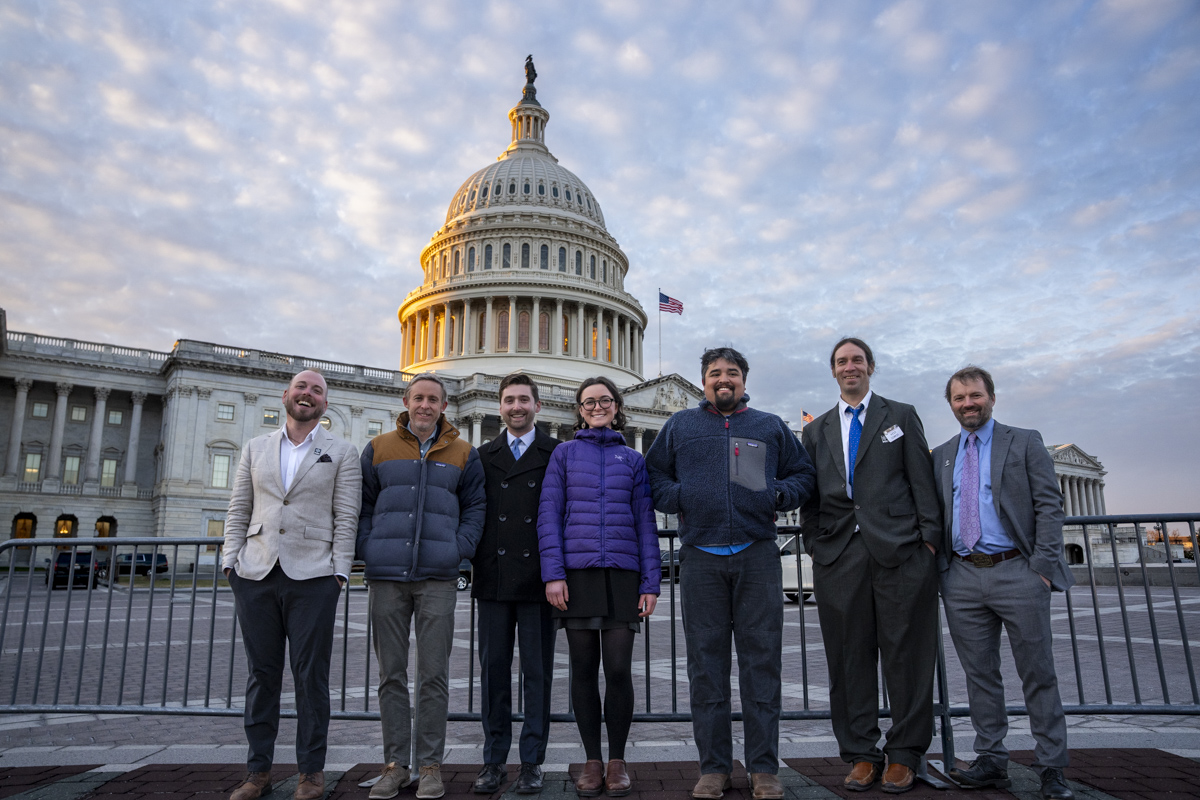
A coalition of environmental advocates, professional athletes, and Indigenous representatives descended upon Washington, D.C., last week to mount a formal challenge against the expansion of oil and gas extraction in the Arctic. Led by the advocacy group Protect Our Winters (POW) and the Alaskan Wilderness League (AWL), the delegation arrived on Capitol Hill to hand-deliver a comprehensive 74-page petition containing 6,000 signatures. The document, which represents the collective voice of the "Outdoor State"—a demographic of outdoor enthusiasts, industry professionals, and athletes—calls for permanent protections for the Arctic National Wildlife Refuge (ANWR) and the National Petroleum Reserve in Alaska (NPRA).
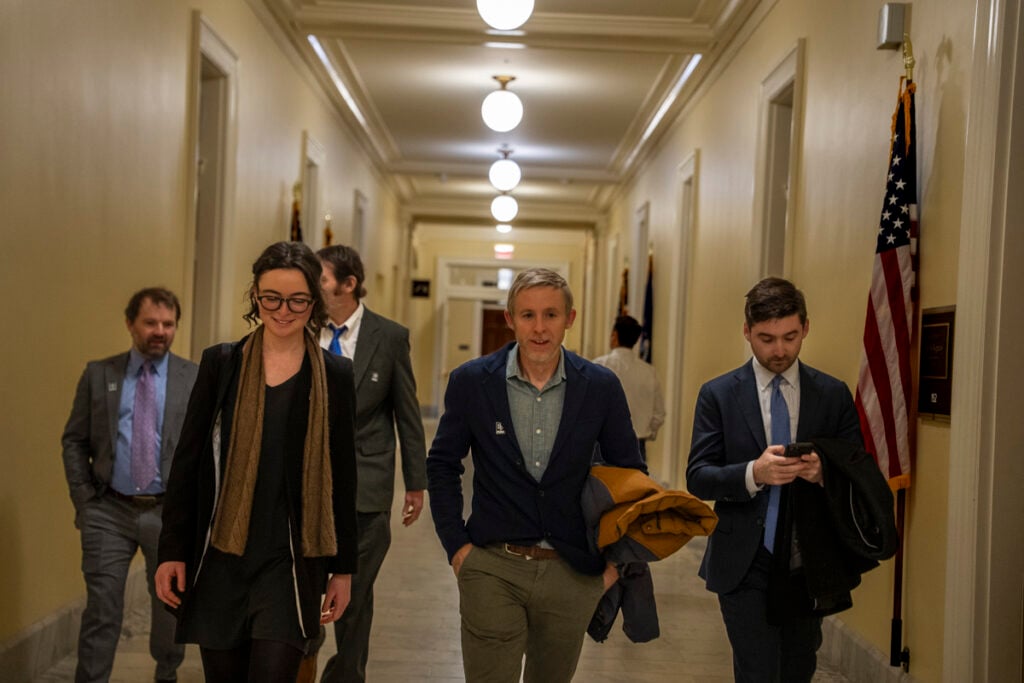
The timing of the visit was critical, occurring as the Trump administration moved to finalize legislation designed to streamline the permitting process for drilling and mining operations in the Alaskan Arctic. The legislative shift, signed into law last Friday, represents a significant pivot in federal land management policy, prioritizing energy independence and resource extraction over the conservation mandates that have characterized the region’s management in recent years. In response, the POW-led coalition engaged in a high-stakes "fly-in," a two-day strategic series of meetings with lawmakers to argue that the Arctic is not a bargaining chip for short-term economic gains.
The Strategic Mission: Advocacy Through Lived Experience
The delegation was not composed solely of policy lobbyists; it featured a diverse array of stakeholders including scientists, filmmakers, and world-renowned athletes such as POW Climb Alliance member Tommy Caldwell and Creative Alliance member Brennan Lagasse. By integrating scientific data with personal narratives and cultural perspectives, the coalition sought to bridge the partisan divide. The primary objectives of the mission were fourfold: to deliver the 74-page Arctic petition, to demonstrate the unified strength of the outdoor recreation industry, to lobby against new leasing in carbon-rich landscapes, and to promote the Energizing Our Communities Act (EOCA) as a viable alternative for energy resilience.
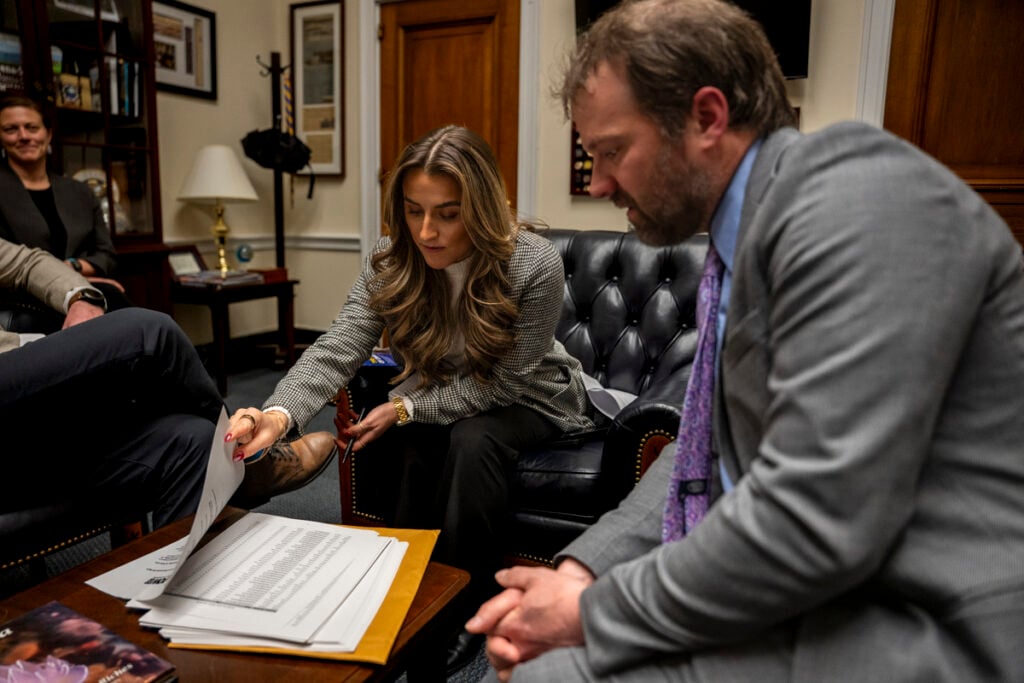
During the two-day advocacy push, members of the coalition met with key offices in both the Senate and the House of Representatives. Notable meetings included sessions with the office of Senator Martin Heinrich (D-NM) and Representative Jared Huffman (D-CA), among others. The discussions focused on the multi-dimensional risks of Arctic drilling, which the coalition categorized as environmentally reckless, fiscally risky, and increasingly out of step with global energy market trends.
Chronology of Federal Arctic Policy and Recent Escalations
The conflict over the Arctic Refuge has spanned decades, but the current escalation follows a specific timeline of legislative and executive actions. In 2017, the Tax Cuts and Jobs Act included a provision that mandated the sale of oil and gas leases in the Arctic Refuge’s 1.5-million-acre Coastal Plain, often referred to as the 1002 Area. While the subsequent administration paused these leases citing environmental concerns and legal deficiencies, the current administration has moved to accelerate the process.
Last Friday’s signing of new legislation marks a definitive turning point. The new laws are designed to reduce "regulatory friction," effectively easing the path for corporations to secure drilling and mining rights in some of the most remote and ecologically sensitive areas of the United States. This includes not only the Arctic Refuge but also the NPRA, which is the largest tract of public land in the nation.
The coalition’s presence on Capitol Hill was timed to provide a counter-narrative to these legislative developments. By delivering the petition directly to the desks of lawmakers, the advocates aimed to remind the federal government that a significant portion of the American electorate views the Arctic as a critical component of the nation’s climate strategy rather than an untapped oil field.
The Economic and Environmental Case for Protection
A central pillar of the coalition’s argument is the economic reality of Arctic extraction. Advocates presented data suggesting that drilling in the far north is a poor long-term investment. The extreme environment requires massive infrastructure development, including roads, pipelines, and housing, all of which must be built on permafrost that is rapidly thawing due to rising global temperatures.
Furthermore, the global financial landscape has shifted. To date, over two dozen major international banks—including Goldman Sachs, JPMorgan Chase, and Wells Fargo—have announced policies that restrict or prohibit the financing of new oil and gas projects in the Arctic. This financial retreat is driven by both the high cost of production and the reputational risks associated with destroying Indigenous lands and critical habitats.
The environmental stakes are equally high. The Arctic Refuge serves as the calving ground for the Porcupine caribou herd and provides essential habitat for polar bears and migratory birds from all 50 states. From a climate perspective, the region acts as a massive carbon sink. Disturbance of these lands would not only release stored carbon but would also diminish the landscape’s ability to mitigate the effects of global warming.
The Energizing Our Communities Act: A Bipartisan Path Forward
While much of the fly-in focused on opposition to drilling, the coalition also championed a proactive solution: the Energizing Our Communities Act (EOCA). This proposed legislation aims to support a clean-energy transition by providing direct benefits to communities that host renewable energy projects. By focusing on practical, community-level solutions, the EOCA serves as a bipartisan bridge, offering an economic path forward that does not rely on the extraction of fossil fuels from protected lands.
The EOCA is designed to strengthen energy resilience and ensure that the transition to a greener economy is inclusive of rural and Indigenous communities. In meetings with lawmakers, the delegation highlighted the EOCA as a way to achieve energy security while respecting ecological boundaries—a message that resonated with several offices across the political spectrum.
Voices from the Front Lines: Athlete and Artist Perspectives
The involvement of professional athletes provided a unique leverage point for the coalition. These individuals, whose careers and passions are inextricably linked to the natural environment, spoke to the tangible changes they are witnessing in the mountains and wild spaces.
Tommy Caldwell, a prominent figure in the climbing community, emphasized the role of policy in conservation. "Like it or not, policy is the only thing that has the chance to fix our climate and save our public lands," Caldwell stated. He noted that the trip to D.C. demonstrated the power of the outdoor community to "show up big time" when public lands are threatened.
Brennan Lagasse, a member of the POW Creative Alliance who has visited the capital three times for this cause, noted a sense of urgency despite the challenging political climate. "Even given the current political climate, every office reiterated it mattered that we were there, hand-delivering these petitions from constituents," Lagasse said. He described the effort as a "vibrant counter-balance" to the momentum currently favoring industrial expansion in the Arctic.
Analysis of Implications and Future Outlook
The signing of the new drilling legislation by the Trump administration does not signify the end of the debate, but rather the beginning of a new phase of legal and social conflict. Historically, Arctic drilling projects have faced years, if not decades, of litigation from environmental groups and Indigenous tribes such as the Gwich’in Steering Committee, who consider the Arctic Refuge coastal plain to be "The Sacred Place Where Life Begins."
The 6,000 signatures delivered by POW and its partners serve as a formal record of public opposition that can be utilized in future legal challenges. Under the National Environmental Policy Act (NEPA), public sentiment and environmental impact statements are critical components of the federal decision-making process. By documenting this opposition, the coalition is laying the groundwork for "Phase Two" of their campaign.
This next phase is expected to involve increased pressure on the Arctic Congressional Delegation and a focus on the economic realities of the energy market. As clean energy costs continue to plummet and the demand for fossil fuels faces long-term uncertainty, the coalition intends to continue making the case that Arctic drilling is a fiscal liability for the U.S. taxpayer.
Conclusion: A Renewed Sense of Purpose
The coalition departed Washington, D.C., with a clear-eyed understanding of the obstacles ahead but energized by the relationships built during the fly-in. The delivery of the 74-page petition was more than a symbolic gesture; it was a strategic assertion of the "Outdoor State’s" influence.
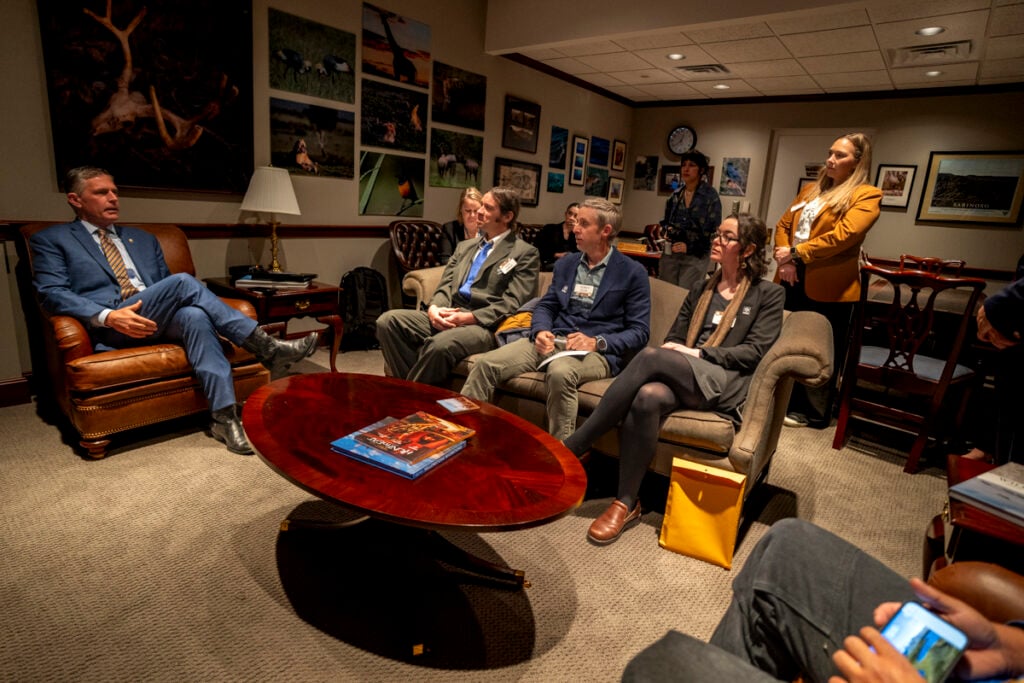
Ming Poon, a member of the POW Creative Alliance, reflected on the experience of engaging with those who hold opposing views. "Even in meetings with those pushing to open the Refuge to oil extraction, we found at least some common ground—or at minimum, established communication channels," Poon observed. This opening of dialogue is seen as essential for navigating the complex political landscape of 2026 and beyond.
As the federal government moves forward with its plans to ease drilling restrictions, the coalition remains vigilant. The fight for the Arctic remains one of the most high-profile environmental battles in American history, representing a fundamental clash between traditional industrial priorities and a modern vision of conservation and climate resilience. The momentum from this D.C. visit is expected to carry into the new year, as advocates prepare to defend the Arctic through every available legislative and legal channel.

