
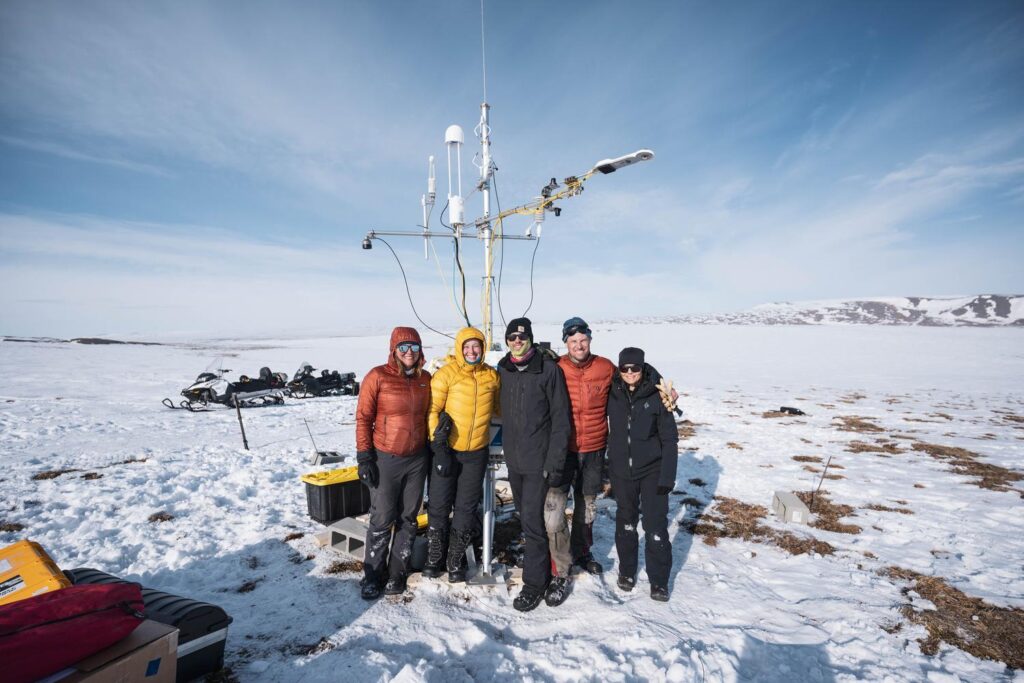
Scientists from the Protect Our Winters (POW) Science Alliance and the Woodwell Climate Research Center recently completed a critical field mission at the Toolik Field Station on Alaska’s North Slope to address significant gaps in global climate modeling. Led by ecologist Dr. Jenny Watts and snow scientist Dr. Kelly Gleason, the research team installed a specialized flux tower designed to measure the release of methane and carbon dioxide from permafrost thaw slumps. This installation represents the first of its kind in the Arctic specifically positioned to evaluate emissions from areas of rapidly collapsing permafrost, providing high-resolution data on how these "abrupt thaw" events contribute to the global carbon cycle.
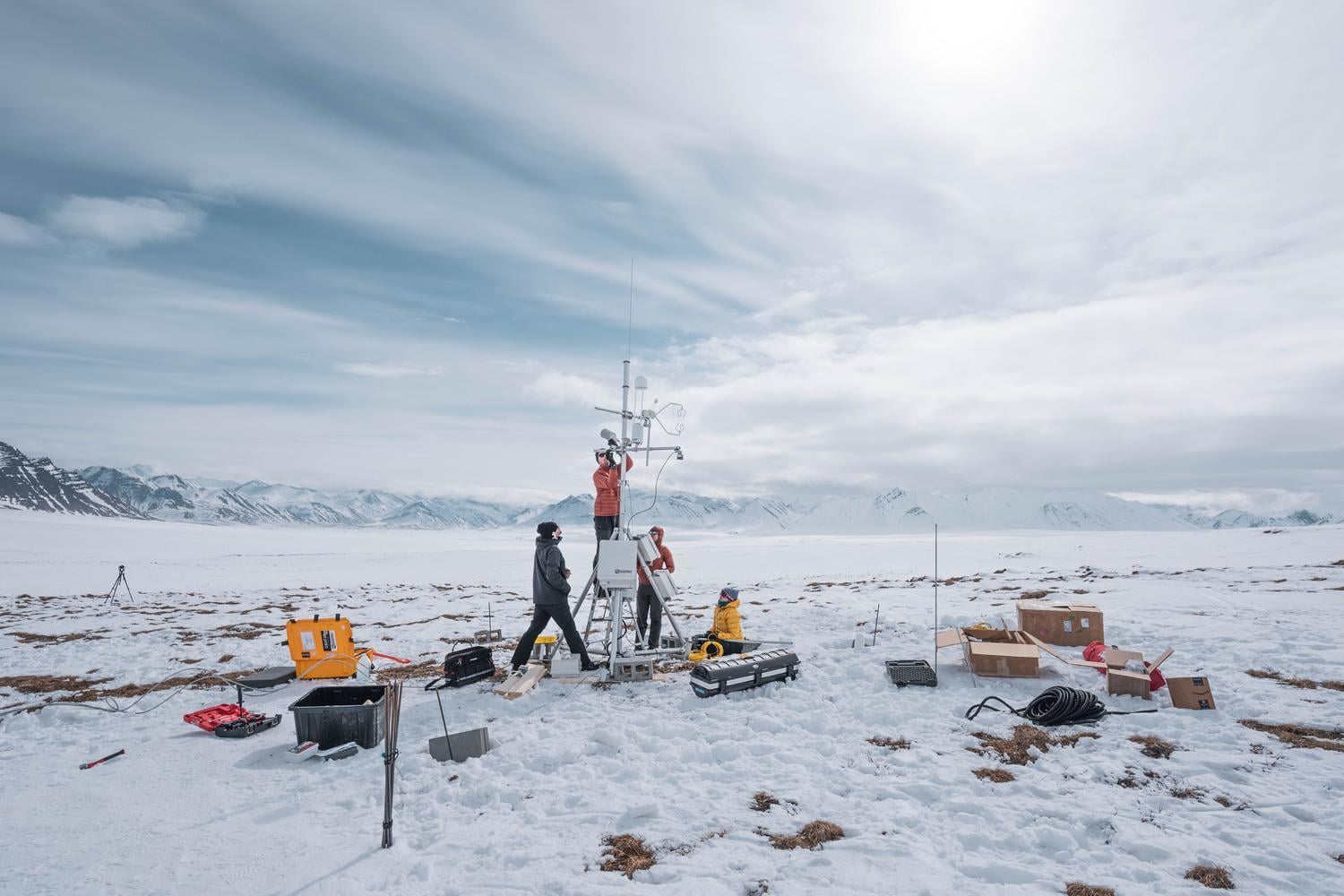
The mission, which included researchers Kyle Arndt, Christina Minions, and Kai Sterling, focused on the intersection of snow hydrology and permafrost degradation. While traditional climate models often treat permafrost thaw as a gradual, uniform process, the reality on the ground is increasingly defined by dramatic "thaw slumps"—steep, eroding features where frozen soil loses its structural integrity and collapses. These slumps expose ancient organic matter, some of which has been frozen for thousands of years, to microbial decomposition, resulting in the sudden release of potent greenhouse gases.
Chronology of the North Slope Expedition
The expedition commenced in early May, a transitional period in the Arctic where sub-zero temperatures persist despite the increasing solar angle. Operating out of the Toolik Field Station—a long-term ecological research site managed by the University of Alaska Fairbanks—the team prepared for a multi-day deployment across the tundra.
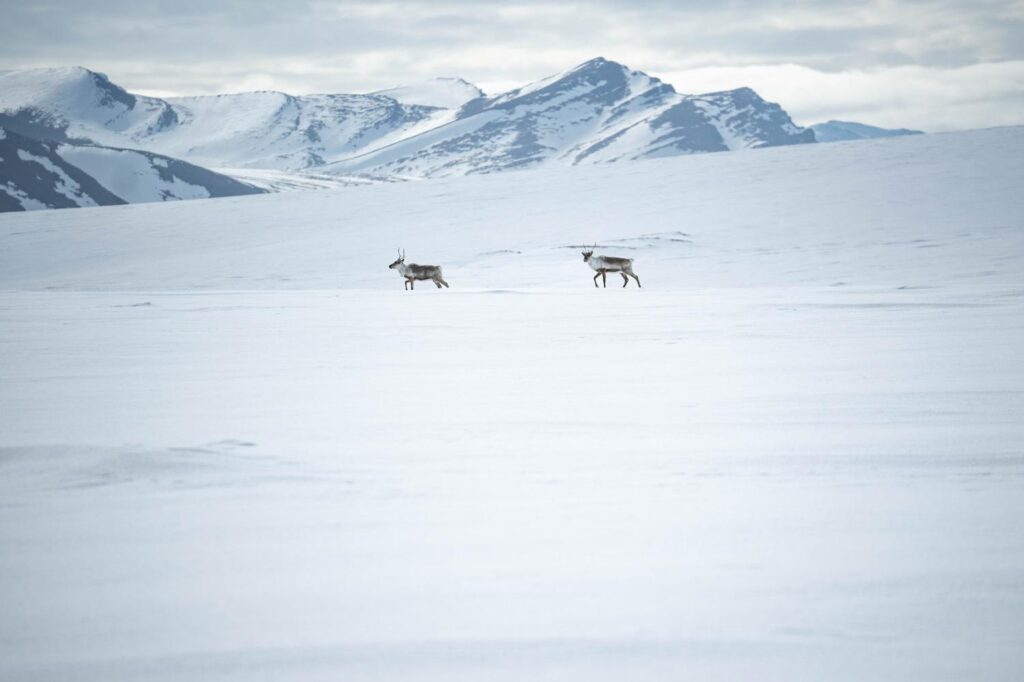
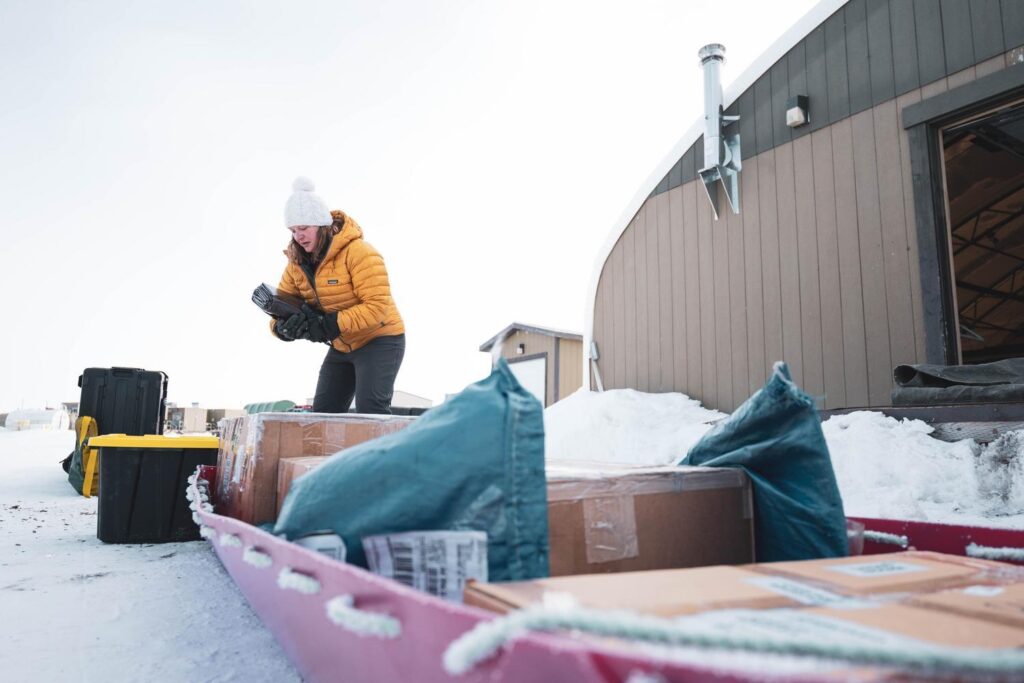
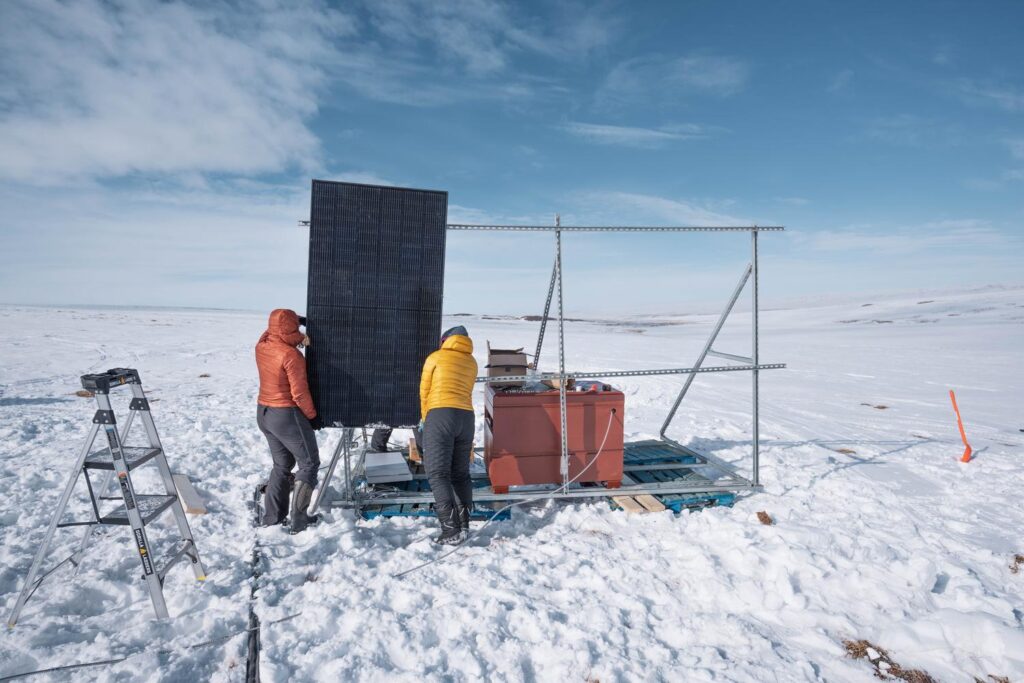
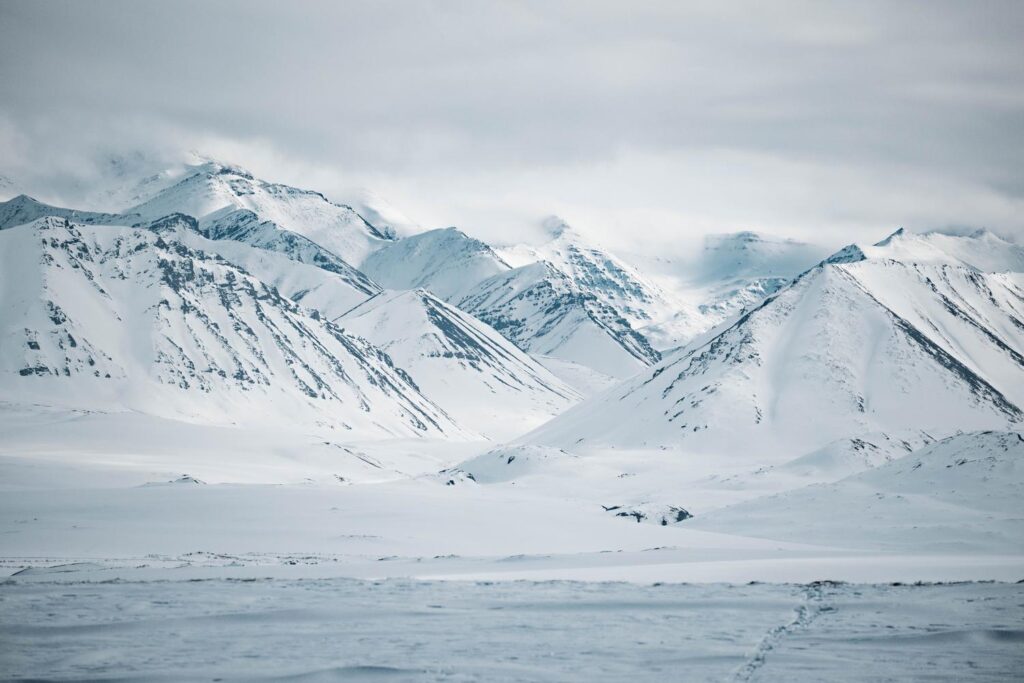
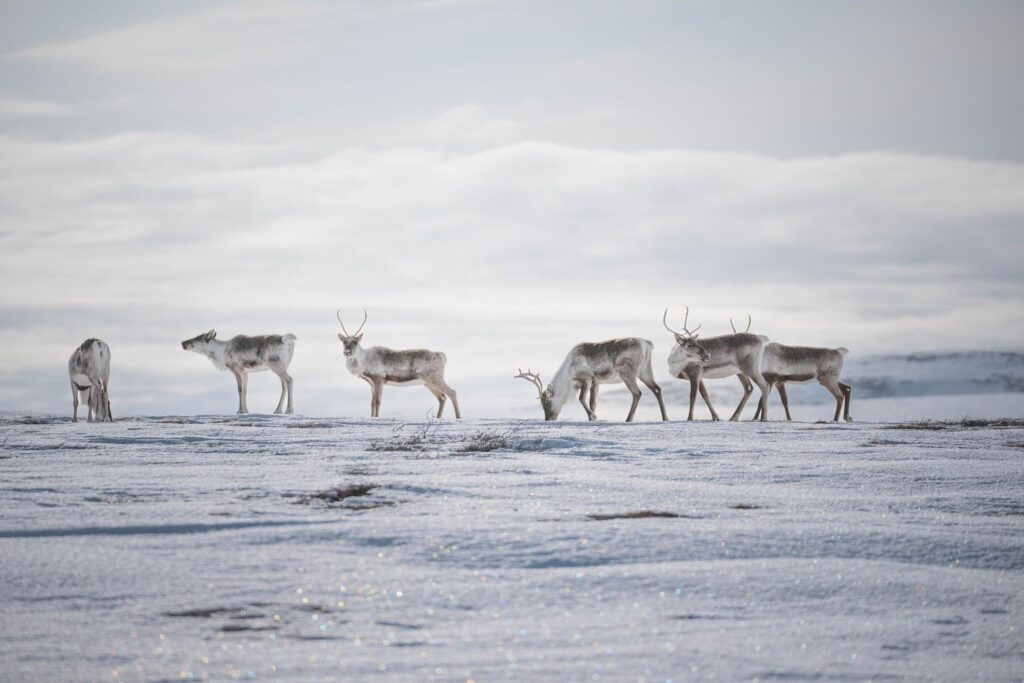
The logistical phase began with the transport of heavy monitoring equipment across the snow-covered expanse. Utilizing snowmachines and heavy-duty sleds, the team moved a 15-foot aluminum flux tower frame, eight deep-cell batteries weighing over 100 pounds each, four large-scale solar panels, and a massive electrical enclosure to the target site. The transit required navigating the rugged terrain of the North Slope, bordered by the Brooks Range, where caribou populations remain active even in the frigid spring conditions.
The installation process was technically demanding, requiring the team to anchor the tower into the unstable ground using cement anchors, guy-lines, and steel spikes. Once stabilized, the tower was outfitted with sensors capable of detecting invisible gas fluxes. The solar-powered system was designed to operate autonomously, capturing data on methane (CH4) and carbon dioxide (CO2) concentrations as the permafrost enters its most active thawing phase during the summer months.
Following the tower installation, the team conducted a series of snow pit analyses. By digging into the snowpack at varying depths, the researchers sought to understand the thermal relationship between snow accumulation and the soil beneath. This phase of the mission concluded with the successful synchronization of the tower’s telemetry systems, ensuring that data could be transmitted for analysis throughout the thaw season.
Scientific Context: The Permafrost Carbon Feedback
The significance of the Toolik Field Station mission lies in the sheer volume of carbon stored within the Arctic permafrost. Estimates suggest that permafrost regions contain roughly 1,400 to 1,600 billion metric tons of carbon—nearly twice the amount currently present in the Earth’s atmosphere. As the Arctic warms at a rate nearly four times faster than the global average, this "frozen" carbon is becoming a primary driver of climate feedback loops.
Permafrost thaw slumps are particularly concerning to the scientific community because they bypass the slow, top-down thawing process. When a slump occurs, it exposes deep layers of soil that are rich in organic material. If the ground is saturated with water, microbes break down this material into methane, a greenhouse gas that is approximately 25 to 80 times more effective at trapping heat than carbon dioxide over a 100-year and 20-year period, respectively.
Current global climate models (GCMs) frequently omit these localized, abrupt thaw events because they occur at a scale smaller than most model grids can resolve. The data collected by the new flux tower at Toolik is intended to bridge this gap, providing empirical evidence that can be used to refine these models and produce more accurate predictions of future warming.
Supporting Data: The Role of Snow as a Thermal Insulator
During the mission, Dr. Kelly Gleason’s research into snow hydrology revealed a counterintuitive aspect of Arctic warming: the insulating power of snow. While snow is traditionally viewed as a cooling agent due to its high albedo (reflectivity), it also acts as a thermal blanket for the ground.
Data collected from the team’s snow pits highlighted a stark contrast in ground temperatures based on snow depth:
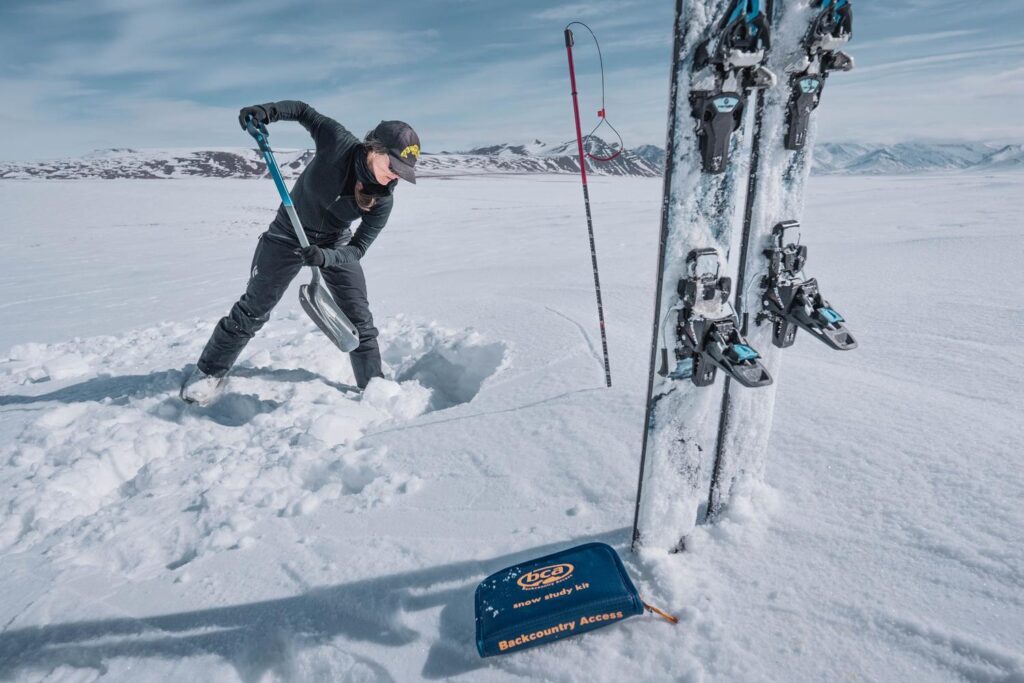
- Shallow Snowpack (57 cm): At this depth, the snow allowed the extreme cold of the Arctic air to penetrate the soil. The temperature at the base of the snowpack was recorded at -10°C, a temperature that keeps permafrost stable and inhibits microbial activity.
- Deep Snowpack (Approx. 2 meters): Beneath a large drift, the ground was significantly warmer. While the surface temperature was -3°C, the temperature at the soil-snow interface was also near -3°C.
This thermal gradient indicates that deeper snow prevents the ground from "recharging" its cold during the winter. As climate change leads to increased atmospheric moisture and heavier snowfall in certain Arctic regions, the resulting deeper snowpacks may paradoxically accelerate permafrost thaw by keeping the ground warm enough for microbial decomposition to continue even in sub-zero air temperatures.
Institutional and Advocacy Perspectives
The expedition was supported by Protect Our Winters (POW), an organization that leverages the influence of the outdoor sports community and the scientific expertise of the POW Science Alliance to advocate for climate policy. The involvement of the Science Alliance underscores a growing trend in the scientific community: the transition from pure research to active science communication and advocacy.
"Science shows us what’s happening, but advocacy gives us a path forward," the researchers noted during the mission. The goal of the POW Science Alliance is to translate complex data—such as carbon flux measurements and snow-water equivalents—into narratives that can inform policymakers and the public. By documenting the physical reality of the changing Arctic, the team aims to emphasize the "responsibility" inherent in scientific observation.
The Woodwell Climate Research Center, a partner in the project, has long emphasized that Arctic emissions are a "forgotten" component of the global carbon budget. Their scientists argue that if permafrost emissions are not accounted for in international climate agreements, such as those established under the Paris Accord, the world may overshoot its warming targets even if human-caused emissions are drastically reduced.
Broader Impacts and Global Implications
The research conducted at Toolik Field Station has implications far beyond the borders of Alaska. The Arctic acts as the Earth’s air conditioner; however, as the region shifts from a carbon sink (absorbing CO2) to a carbon source (emitting CO2 and methane), it threatens to destabilize global weather patterns.
- Sea Level Rise and Ocean Currents: The thermal changes in the Arctic contribute to the melting of the Greenland Ice Sheet and the disruption of the Atlantic Meridional Overturning Circulation (AMOC), which regulates temperatures in Europe and North America.
- Water Security: For researchers like Dr. Gleason, who also studies mountain environments in the Western United States, the Arctic serves as a point of comparison for snow-water storage. While snow in the West is a vital reservoir for agriculture and municipal use, Arctic snow is a regulator of global greenhouse gas concentrations.
- The Feedback Loop: The mission’s findings reinforce the "Arctic Amplification" effect. As permafrost thaws and releases gases, the planet warms, leading to more thaw and more emissions. Breaking this cycle requires a precise understanding of where and how fast these gases are escaping.
Conclusion
The installation of the flux tower on the North Slope is a vital step in quantifying the invisible changes occurring in the Arctic. As the team from the POW Science Alliance and Woodwell Climate Research Center monitors the data from this new site, the focus remains on the urgency of the climate crisis. The fragile landscape of the Arctic, characterized by its "watercolor hues" and "jagged peaks," is currently undergoing a fundamental transformation.
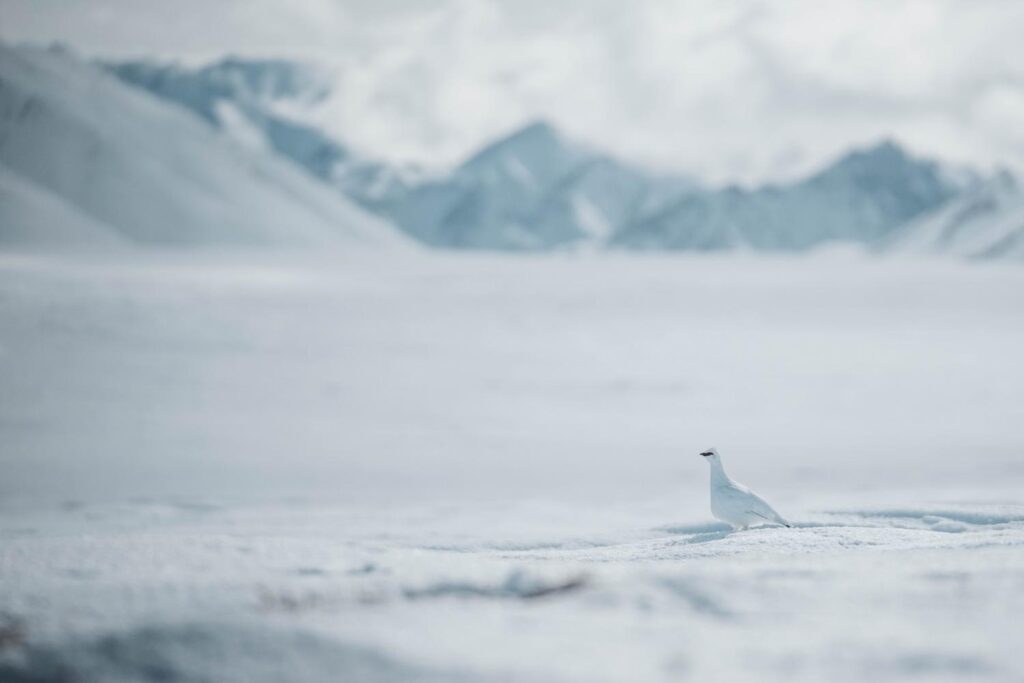
By integrating field-based observations with global climate advocacy, the scientific community is working to ensure that the "ancient sentinels" of the Brooks Range do not witness the unchecked collapse of the permafrost beneath them. The data collected at Toolik will serve as a foundational piece of evidence in the ongoing effort to protect the Earth’s cryosphere and, by extension, the stability of the global climate system.

