
The United States energy and environmental landscape is undergoing a rapid and fundamental transformation as the current administration moves to dismantle existing renewable energy frameworks, challenge established climate research institutions, and significantly expand fossil fuel extraction. In a series of executive and departmental actions, the federal government has effectively paused the burgeoning offshore wind industry, proposed the largest offshore oil and gas leasing expansion in American history, and intervened in state-level utility decisions to keep aging coal infrastructure operational. These maneuvers represent a coordinated shift in national priority, prioritizing traditional energy production and "national security" concerns over the transition to a low-carbon economy.
Sudden Suspension of Major Offshore Wind Developments
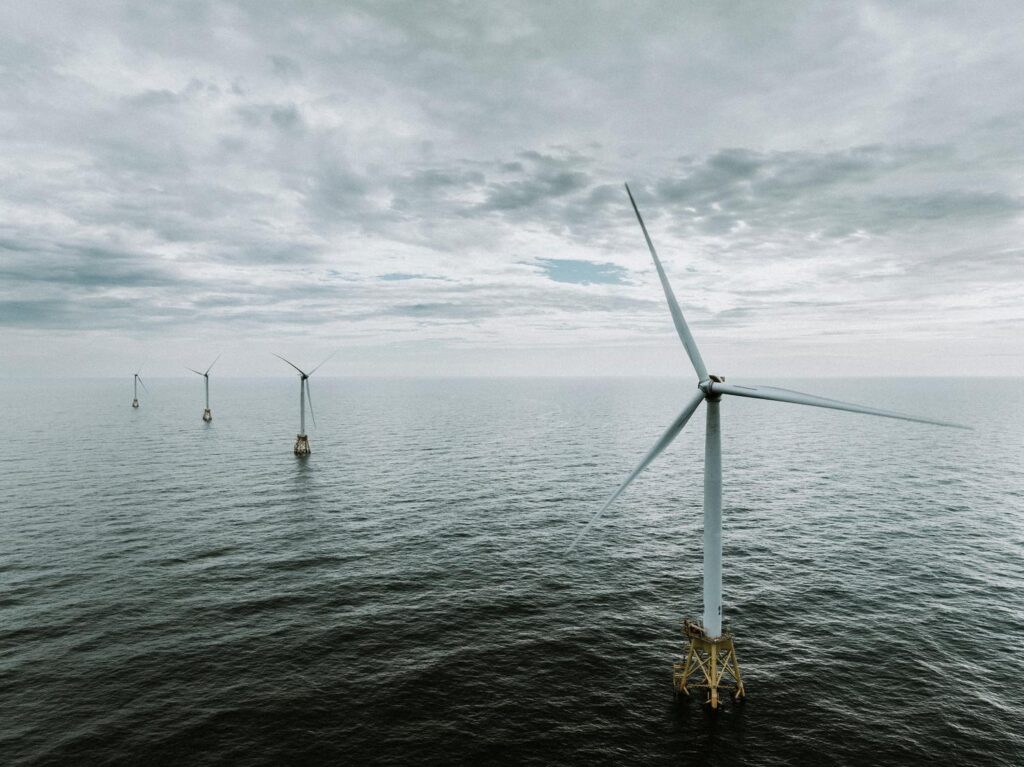
In an unprecedented move that has sent shockwaves through the renewable energy sector, the Department of the Interior (DOI) has ordered an immediate halt to five fully permitted offshore wind projects currently under construction. The projects affected—Vineyard Wind, Revolution Wind, Coastal Virginia Offshore Wind, Sunrise Wind, and Empire Wind—represent the vanguard of the American offshore wind industry. Collectively, these projects were expected to provide several gigawatts of clean energy to the Eastern Seaboard, enough to power millions of homes and support thousands of unionized construction and maritime jobs.
The administration cited "national security" concerns as the primary justification for the suspension. While specific details remain classified, the invocation of security protocols allows the federal government to bypass traditional administrative review processes and pause activity on projects that have already cleared rigorous environmental and regulatory hurdles. This decision marks a sharp departure from the previous administration’s goal of deploying 30 gigawatts of offshore wind by 2030, a target that was intended to catalyze a domestic supply chain and reduce reliance on foreign energy sources.
The immediate impact of the halt is both economic and logistical. Developers had already invested billions of dollars in specialized vessels, turbine components, and undersea cabling. The Vineyard Wind project, located off the coast of Massachusetts, was already delivering power to the grid when the order was issued. Industry analysts suggest that mid-build suspensions are particularly damaging, as they create immense contractual liabilities and may lead to the permanent abandonment of projects if financing becomes untenable due to prolonged delays.

A Massive Expansion of Offshore Drilling Proposals
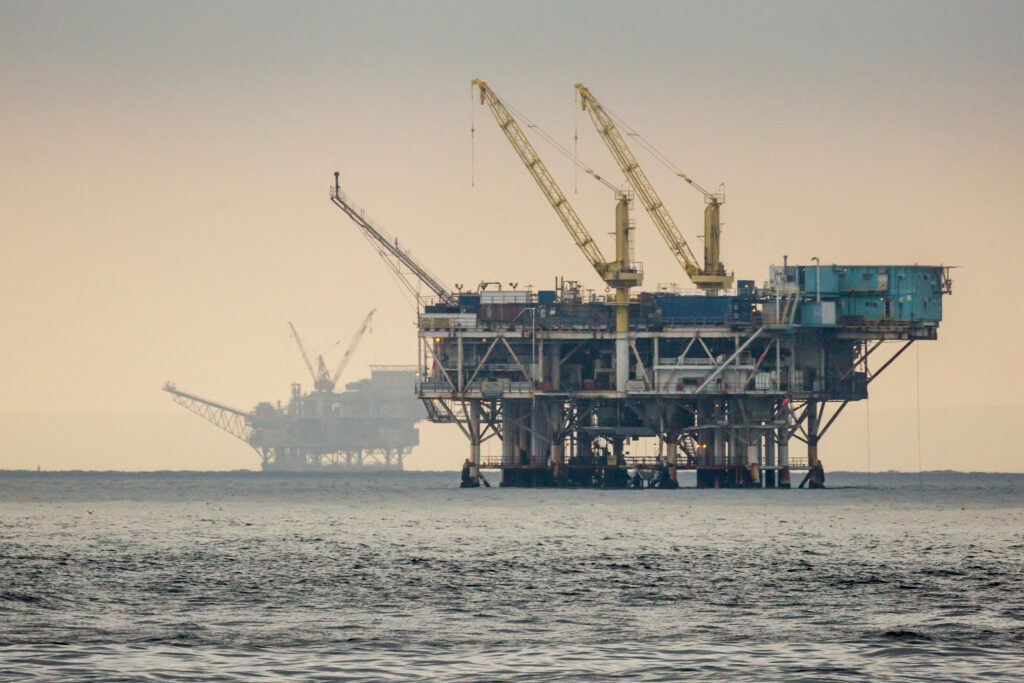
Simultaneous with the wind energy freeze, the administration has unveiled a draft proposal to open 1.27 billion acres of U.S. federal waters to oil and gas leasing. This proposal encompasses nearly the entirety of the U.S. Outer Continental Shelf, including sensitive areas in the Atlantic, Pacific, and Arctic Oceans, as well as the Eastern Gulf of Mexico—regions that have been largely protected from drilling for decades.
This proposal represents a total reversal of the 2024–2029 National Outer Continental Shelf Oil and Gas Leasing Program, which had limited future sales to a record-low number. The administration argues that the expansion is necessary to ensure long-term energy dominance and to insulate the American economy from global price volatility. However, the move has drawn fierce opposition from a bipartisan coalition of coastal governors, tourism boards, and environmental organizations.
The timeline for such an expansion is extensive. Under the Outer Continental Shelf Lands Act, the DOI must undergo a multi-stage process involving public comment periods and environmental impact statements. However, the scale of the proposal signals a clear intent to prioritize fossil fuel extraction as the cornerstone of federal maritime policy. Critics point out that the development of new offshore oil rigs can take a decade or more to reach production, meaning the move does little to address immediate energy prices while locking in greenhouse gas emissions for the mid-21st century.
Challenges to Federal Climate Science and NCAR
The administration’s policy shift extends beyond energy production into the realm of scientific research. A proposal to shut down or significantly defund the National Center for Atmospheric Research (NCAR) has raised alarms within the global scientific community. Established in 1960 and managed by the University Corporation for Atmospheric Research (UCAR) under a cooperative agreement with the National Science Foundation (NSF), NCAR is a cornerstone of American atmospheric science.
NCAR provides the high-performance computing power and observational data necessary for the Community Earth System Model (CESM), one of the world’s most respected tools for predicting climate trends. The institution also plays a vital role in short-term weather forecasting, wildfire behavior modeling, and solar storm tracking.
The potential dissolution of NCAR would create significant "data gaps" in the United States’ ability to predict extreme weather events. From a budgetary perspective, the administration views these research efforts as redundant or ideologically driven. However, the private sector—including the insurance, agriculture, and aviation industries—relies heavily on NCAR’s open-source data to manage risk. The scientific community warns that dismantling such an institution would take decades to rebuild, leaving the U.S. vulnerable to increasingly unpredictable weather patterns and natural disasters.
Federal Intervention in Colorado’s Energy Transition
In the interior of the country, the Department of Energy (DOE) has exercised rarely used emergency powers to intervene in the scheduled retirement of a coal-fired power plant. The Craig Generating Station Unit 1, located in northwestern Colorado, was slated for decommissioning as part of a long-negotiated transition plan between state regulators and the utility provider, Tri-State Generation and Transmission Association.
Despite the unit being offline due to mechanical failure and its retirement being a central component of Colorado’s Clean Heat Plan, the DOE invoked Section 202(c) of the Federal Power Act to mandate that the plant remain operational. The administration justified the order as necessary to maintain "grid reliability" during peak demand periods.
This federal override of state-level energy planning has created a legal and economic quagmire. Colorado leaders and utility analysts argue that keeping the nearly 50-year-old plant running is uneconomic. The costs of repairing the failed unit and purchasing coal will likely be passed on to ratepayers, who were expecting lower costs from a transition to cheaper wind and solar alternatives. Furthermore, the decision complicates the state’s ability to meet its statutory carbon reduction goals. This move signals a broader federal strategy to use "emergency" designations to preserve the existing coal fleet against market forces and state mandates.
Chronology of Recent Policy Shifts
To understand the speed of these changes, it is necessary to look at the timeline of executive actions and departmental orders issued during the recent transition period:

- Mid-December: The Department of the Interior begins a formal review of all pending offshore wind permits, citing the need for "comprehensive security assessments."
- Late December: The DOE issues the emergency order for Craig Generating Station Unit 1, 24 hours before its scheduled closure.
- Early January: The Bureau of Ocean Energy Management (BOEM) releases the 1.27-billion-acre offshore leasing proposal for public review.
- Current Week: Formal orders are issued to halt construction on the five major Atlantic wind farms, leading to the immediate demobilization of offshore crews.
Economic and Environmental Implications
The pivot toward fossil fuels and the suppression of renewables carry significant implications for the U.S. economy and the global climate. The offshore wind industry was projected to generate $12 billion in annual investment and support 77,000 jobs by 2030. By halting these projects mid-construction, the federal government risks alienating international investors who view the U.S. regulatory environment as increasingly unstable.
On the environmental front, the expansion of offshore drilling and the forced operation of coal plants will inevitably lead to an increase in domestic carbon emissions. The United States is currently the world’s largest producer of oil and gas, and these policies aim to further solidify that position. However, the scientific consensus, as reflected in reports from the Intergovernmental Panel on Climate Change (IPCC), indicates that any new fossil fuel infrastructure is incompatible with limiting global warming to 1.5 degrees Celsius.
The impact on outdoor recreation and coastal economies is also a point of concern. States like Florida and California rely on multi-billion dollar tourism industries that are sensitive to the perceived health of their coastlines. The prospect of oil rigs visible from the shore or the risk of spills has historically united diverse groups in opposition to offshore expansion.
Official Responses and Stakeholder Reactions
The reaction to these policies has been sharply divided along ideological and regional lines.
Industry Groups: The American Petroleum Institute (API) has praised the moves, stating that "expanding access to domestic resources is essential for American energy security and economic growth." Conversely, the American Clean Power Association (ACP) described the wind energy halt as "a devastating blow to a nascent industry that was on the verge of providing clean, reliable power to millions."
State Leadership: Governors from East Coast states, including New Jersey and Massachusetts, have expressed "profound disappointment" and are exploring legal avenues to challenge the federal halts. In Colorado, Governor Jared Polis’s office emphasized that the state remains committed to its transition to 100% clean energy by 2040, despite federal interference in the Craig station.
Scientific Community: The American Meteorological Society issued a statement defending NCAR, noting that "climate science is not a partisan issue, but a fundamental requirement for national safety and economic resilience."
Conclusion and Future Outlook
The administration’s actions represent a decisive attempt to "lock in" a fossil-fuel-based energy system while systematically dismantling the infrastructure of the clean energy transition. By utilizing national security claims and emergency federal powers, the executive branch has found ways to bypass the slow-moving legislative process to enact immediate change.
However, these actions are likely to face a gauntlet of legal challenges. Environmental NGOs, state attorneys general, and private developers are expected to file lawsuits arguing that the administration has exceeded its statutory authority and violated the Administrative Procedure Act. The coming months will likely see a protracted battle in the federal courts, which will ultimately determine whether these executive shifts become permanent fixtures of American policy or temporary disruptions in the long-term trend toward decarbonization.
As the 2026 midterms approach, the debate over energy independence versus climate stewardship is set to become a central theme of the national discourse. For now, the "flashing red warning light" for the renewable energy sector remains lit, as the country navigates an era of unprecedented volatility in energy and environmental governance.

