
The National Collegiate Athletic Association (NCAA) is on the precipice of enacting a pivotal eligibility rule change for its Division I programs, a move that could fundamentally redefine how aspiring ski racers navigate their development, time their careers, and ultimately enter the highly competitive collegiate system. Spearheaded by NCAA President Charlie Baker, the proposed shift introduces an age-based eligibility model, expanding the competitive window to five seasons but critically altering the commencement of that eligibility clock. This impending reform, widely discussed and meticulously reviewed, signals a significant departure from long-standing practices, particularly within sports like ski racing that traditionally benefit from flexible development timelines.
Understanding the Proposed Division I Eligibility Framework
At the heart of the NCAA’s proposed changes lies a new mechanism for determining eligibility for Division I athletes. Under this evolving framework, student-athletes would be granted five seasons of competition, an increase from the current four. However, the initiation of this five-season window is where the most profound alteration lies. The eligibility clock would now commence at the start of the academic year immediately following whichever of these three benchmarks occurs first: an athlete’s 19th birthday, their actual high school graduation, or their expected graduation date based on initial high school enrollment.
This "whichever comes first" clause is designed to close avenues that have historically allowed athletes to extend their pre-collegiate development without impacting their NCAA eligibility. For decades, many aspiring collegiate athletes, particularly in sports with extensive international circuits like ski racing, have leveraged "prep years" or prolonged secondary schooling to mature physically, hone their skills, and gain competitive experience. The proposed rule would effectively curtail this practice, ensuring that eligibility begins within a more standardized and compressed timeframe relative to an athlete’s age and educational progression.
Furthermore, the proposal explicitly clarifies that enrolling full-time at any collegiate institution—whether domestic or international—before these established benchmarks would immediately trigger the eligibility clock. This particular detail carries substantial weight for international athletes, who frequently engage in academic coursework alongside intensive training regimens in Europe or other global hubs. Previously, such coursework might not have counted against NCAA eligibility if it wasn’t recognized as full-time collegiate enrollment within a specific framework. The new clarity aims to create a more consistent and predictable application of rules across the board, minimizing ambiguity but simultaneously reducing previous avenues of flexibility.
Rationale Behind the NCAA’s Modernization Drive
The drive for this eligibility overhaul is rooted in a broader NCAA strategy to modernize its governance and operational frameworks, a priority emphasized by President Charlie Baker since his tenure began. The organization has been under increasing pressure to streamline its often-complex rulebook, address issues of fairness and equity across its diverse athletic programs, and adapt to the evolving landscape of amateur and professional sports development.
Sources close to the NCAA’s legislative process indicate that the primary motivations behind the age-based model include fostering greater consistency, enhancing transparency for athletes and institutions alike, and preventing scenarios where athletes might gain a perceived competitive advantage by deliberately delaying their collegiate entry. The move is also seen as an attempt to reduce the administrative burden associated with evaluating numerous individual waiver requests, which have become a significant bottleneck in the current system. While the proposal remains "under consideration" as of late April 2026, according to reports from ESPN’s Pete Thamel and NCAA communications, its advanced stage suggests a strong institutional commitment to its adoption. The NCAA aims to establish a clearer, more predictable pathway for student-athletes, aligning the collegiate experience more closely with traditional educational timelines.
A Shift Away from Traditional Flexibility: The End of Many Waivers
A significant structural shift embedded within the proposed rule change is the near-total elimination of several mechanisms that have historically provided crucial flexibility for student-athletes facing unique circumstances. Under the current system, athletes and programs have relied on clock extensions, medical hardship waivers, season-of-competition waivers, and delayed enrollment rules to navigate injuries, take time for specialized training, or address personal situations without prematurely exhausting their eligibility.
The new model drastically curtails these options. Only a highly limited set of exceptions would remain, primarily encompassing circumstances such as pregnancy, religious missions, or military service. This streamlining, while promoting uniformity, marks a significant departure from a system that often accommodated varied athletic and personal development timelines. For current student-athletes, a transitional provision offers some relief: those with remaining eligibility could be evaluated under either the existing system or the new model, whichever proves more favorable. However, this flexibility is time-bound, as waiver relief under current rules must be submitted by July 31, 2026, and will not extend to circumstances occurring beyond the 2025-26 academic year. This deadline underscores the NCAA’s intent to transition fully to the new, more rigid framework within a defined period.
The Unique Landscape of NCAA Ski Racing: A Multi-Divisional Challenge
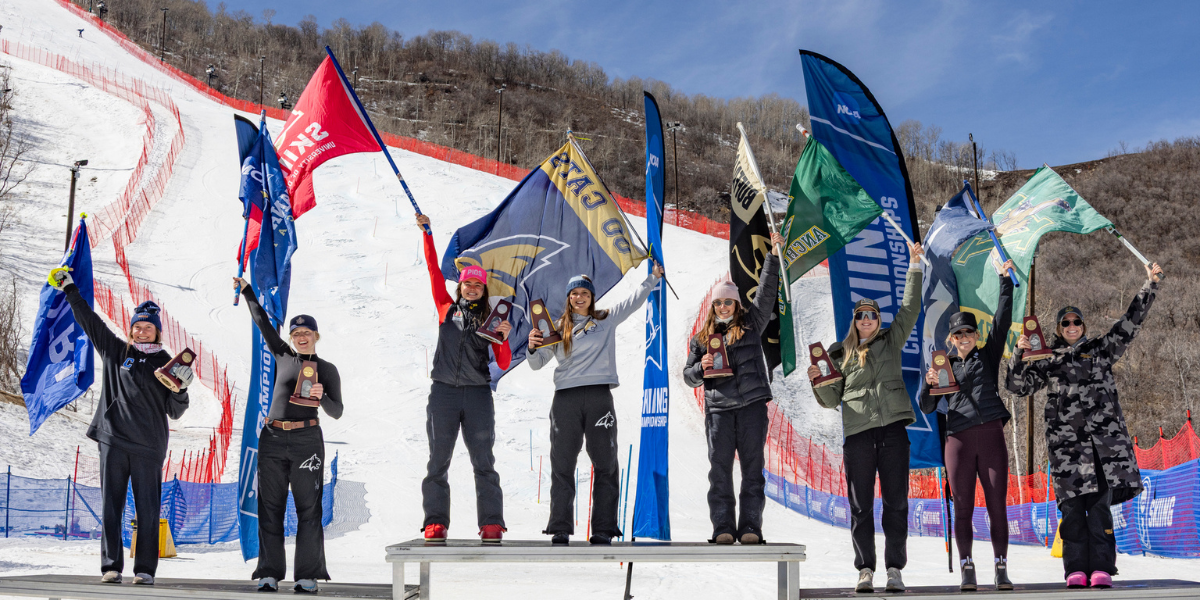
The implications of this Division I eligibility overhaul are particularly intricate and potentially disruptive for collegiate ski racing, a sport with a highly distinctive NCAA structure. Unlike many other sports, NCAA ski racing sees Division I, Division II, and Division III programs competing head-to-head within the same conferences—specifically the Rocky Mountain Intercollegiate Ski Association (RMISA) and the Eastern Intercollegiate Ski Association (EISA). These diverse programs also qualify for and compete in the same NCAA Championships.
This integrated competitive environment means that athletes from all three divisions frequently race against each other, vying for the same individual and team titles. Despite this shared battlefield, each division operates under its own distinct set of eligibility rules. Crucially, the proposed age-based model applies specifically to Division I programs. Division II and Division III schools, including those that are integral members of RMISA and EISA, would continue to adhere to their existing eligibility standards. This divergence creates a unique challenge for ski racing, potentially leading to scenarios where a Division I athlete might be ineligible due to age or prior enrollment, while a similarly aged or experienced athlete at a Division II or III school could still compete within the same conference and championship structure. This disparity could introduce new complexities in recruitment, competitive balance, and the overall strategic planning for ski programs across the collegiate spectrum.
Profound Implications for International Ski Racers
One of the most immediate and significant impacts of the proposed rule change will be felt by international ski racers, who have historically formed a vital talent pipeline for NCAA alpine programs. European athletes, in particular, often spend multiple years honing their skills on demanding FIS (International Ski Federation) circuits after high school, delaying college entry until their early twenties. This extended development period allows them to achieve higher levels of performance and maturity before transitioning to the collegiate environment. Many arrive with significant international experience, contributing immediately to the competitive strength of NCAA teams.
The introduction of an age-based eligibility clock would dramatically compress this established timeline. An athlete turning 19 and graduating high school would see their NCAA eligibility clock begin, regardless of whether they have enrolled in a collegiate program. This forces international prospects to make earlier decisions about their athletic and academic futures. They would have a more limited window to contribute at Division I programs under the new rule, potentially truncating their collegiate careers if they opt for extensive post-high school development abroad.
In response, Division I programs may be compelled to adjust their recruiting strategies. There could be an increased emphasis on identifying talent at a younger age, potentially shifting focus towards promising North American junior athletes who can transition directly from high school into the NCAA system. While the NCAA Eligibility Center would still evaluate cases for older prospects, the overarching direction of the new model unmistakably points toward an earlier entry into Division I competition. This could alter the demographic composition of DI ski teams and reduce the influx of highly experienced, older international athletes who have been a cornerstone of collegiate ski racing success.
Reshaping the Domestic Gap-Year Development Path
The proposed rule change also poses significant challenges for U.S. and Canadian athletes who frequently opt for a "gap year" or extended post-high school development period. It has been a common and often successful pathway for North American skiers to defer college enrollment for a year or two to focus exclusively on competitive skiing, participating in events like the World Junior Championships, NorAm Cup, or Europa Cup circuits. This time allows them to mature physically, gain crucial race experience, and improve their FIS points, making them more attractive recruits and more impactful collegiate athletes upon arrival.
Under the new Division I model, this traditional pathway becomes far more constrained. While athletes would typically receive a one-year grace period after their high school graduation before their eligibility is impacted, any extended development beyond that single year would likely come at the direct cost of NCAA seasons. For instance, an athlete who takes two years post-graduation to race full-time would effectively lose one year of their five-season NCAA eligibility before even stepping foot on a college campus. This creates a difficult calculus for athletes, their families, and their coaches at Division I programs. They would be forced to weigh the undeniable benefits of extended development opportunities against the long-term implications for their collegiate careers. The pressure to choose between immediate competitive experience and maximizing NCAA eligibility could reshape the development trajectories of many promising North American skiers.
Coaching Strategies and Roster Dynamics Under the New Rules
For collegiate coaches, the impending shift represents a significant reduction in the long-standing flexibility they’ve had in managing athlete progression and roster development within Division I programs. NCAA ski teams have traditionally employed strategies such as redshirting athletes, fostering staggered progression across multiple seasons, and nurturing long-term roster development. These approaches allowed coaches to bring in raw talent, develop them patiently, and integrate them into the competitive lineup over several years, optimizing their physical and mental readiness.
A fixed five-season window, especially when combined with the removal of most waiver options, would inevitably increase the pressure on athletes to contribute earlier in their careers. Coaches would have less leeway to "redshirt" an athlete for a year of pure development or recovery without that year counting against the athlete’s precious five-season limit. This could lead to a more immediate "win-now" mentality, potentially at the expense of comprehensive long-term athlete development.
The ripple effects would likely influence recruiting strategy, pushing coaches to target athletes who are already highly developed and capable of immediate impact. Roster construction might prioritize immediate performance over potential, and the delicate balance between securing victories and nurturing athlete growth could shift. Coaches may find themselves with fewer tools to manage injuries, academic challenges, or slower development curves, making the strategic management of a Division I ski team a far more rigid and high-stakes endeavor.
Toward a Simpler, Yet More Rigid, Collegiate Athletic System
The proposed age-based model for Division I eligibility undeniably aims to introduce a more standardized and transparent framework into collegiate athletics. For international athletes, in particular, the clarity regarding when their eligibility clock begins could simplify the complex process of navigating NCAA rules, potentially reducing confusion and administrative hurdles. The NCAA’s intent to create a more equitable and predictable system is clear.
However, this increased standardization comes at the cost of flexibility. The historical ability to accommodate varied development timelines, which has been particularly crucial for sports like ski racing with its unique global pathways, would be significantly reduced. The rigidity of the new system might force athletes into premature decisions about their careers, potentially limiting their full athletic potential or compelling them to forgo valuable pre-collegiate development experiences.
The disparity in eligibility structures between Division I, II, and III programs within ski racing further complicates this picture. As these athletes compete directly against one another, differing eligibility standards could become a more visible and impactful factor in roster construction, competitive strategy, and ultimately, the balance of power within collegiate ski racing conferences and at the NCAA Championships. Division II and III programs, retaining their current flexibility, might become more attractive options for athletes seeking extended development pathways.
If adopted, this change would indeed mark a clear turning point at the Division I level. It signals a decisive push for ski racing toward earlier entry into collegiate competition, shorter development windows within the NCAA system, and a more defined, less adaptable pathway from junior competition to the pinnacle of collegiate skiing. The ongoing discussions and the ultimate decision will undoubtedly shape the future landscape of NCAA Division I ski racing for years to come.
Stakeholder Reactions and Future Outlook
While official statements from coaches and athletes are pending the final adoption of the rule, the implications are already generating considerable discussion within the collegiate ski racing community. Coaches are reportedly evaluating how such a change would alter their recruitment pipelines, particularly concerning their reliance on international talent and the traditional gap-year development path for domestic athletes. Concerns may arise regarding the potential narrowing of the talent pool for Division I programs and the increased pressure on athletes to perform immediately.
For aspiring student-athletes, the proposed changes present a crossroads. Those with ambitions of competing at the Division I level may need to make critical decisions about their post-high school development earlier than ever before. This could mean foregoing certain international racing opportunities or accelerating their academic timelines to align with the new eligibility clock. The emphasis on age and graduation date underscores a push towards a more uniform "traditional student" model, potentially sidelining those whose athletic development naturally follows a different trajectory.
The NCAA, on its part, views these reforms as essential for the long-term health and integrity of collegiate athletics. The aim is to create a sustainable, understandable, and fair system that supports student-athletes while upholding the principles of amateurism and academic integration. The proposal, as reported by ESPN’s Pete Thamel on April 27, 2026, and confirmed by NCAA communications, remains under active consideration. Its eventual adoption, modification, or rejection will be a watershed moment, determining the future contours of Division I eligibility and, by extension, the competitive and developmental landscape of collegiate ski racing. The coming months will be crucial as the NCAA finalizes its deliberations on this far-reaching proposal.

