
The iconic British rock band The Police, known for their innovative sound and global success, left an unexpected mark on the Canadian ski landscape by filming two of their music videos at the now-defunct Gray Rocks ski resort near Mont-Tremblant, Quebec. This unique intersection of music history and the annals of Canadian winter tourism occurred during a period of significant artistic output for the band, comprising Sting, Andy Summers, and Stewart Copeland. The serendipitous circumstances that led to these videos being shot at the resort highlight the sometimes-unpredictable nature of creative endeavors and the lasting, albeit unusual, legacies that can emerge.
A Musical Interruption and a Quebec Sojourn
In the early 1980s, The Police were at the zenith of their popularity, having released seminal albums like "Zenyatta Mondatta" and preparing for the global phenomenon that would be "Synchronicity." Their tour schedule was demanding, and it was during a planned stop in Montreal that fate intervened. The band was scheduled to perform, but the concert was postponed. With an unexpected gap in their itinerary, The Police found themselves with free time in the vicinity of Mont-Tremblant. Rather than let this period go to waste, their management reportedly sought out a location to capture new visual content for their burgeoning hit singles.

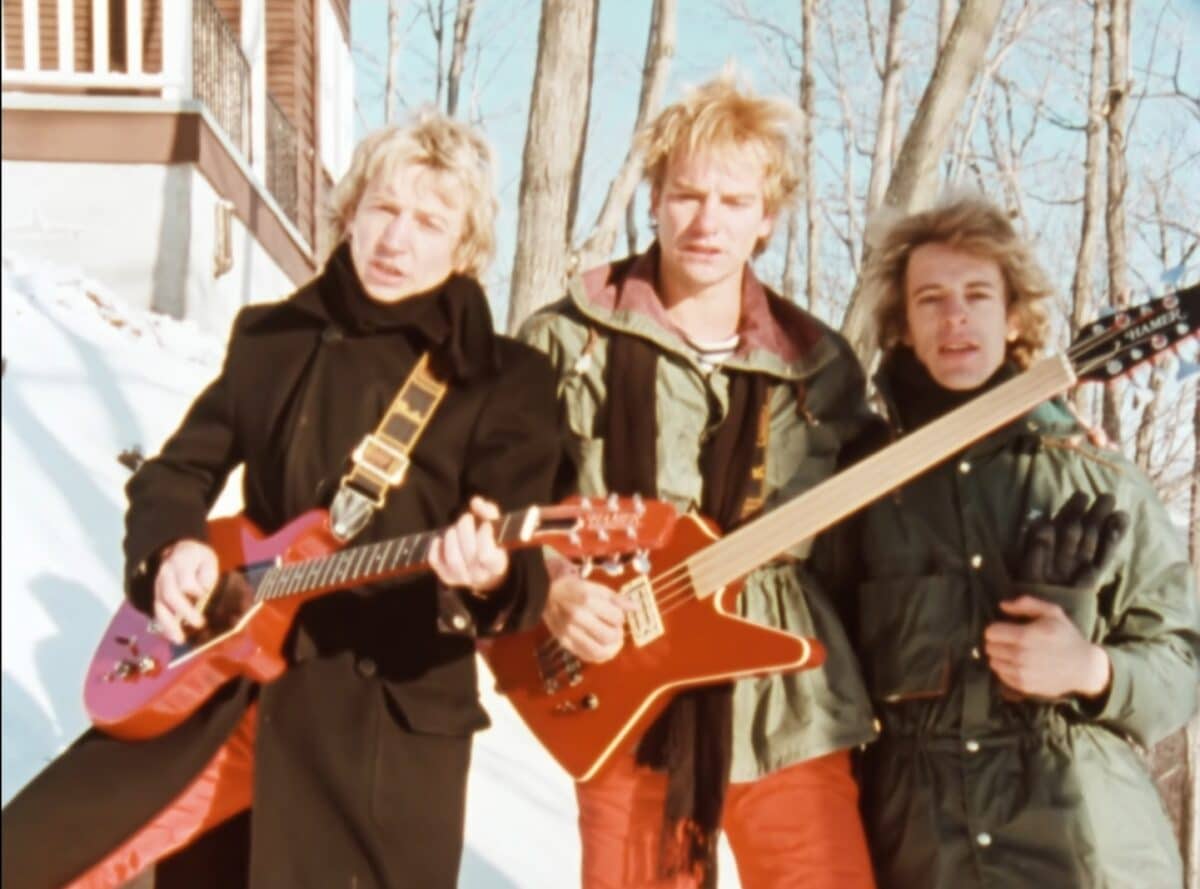
The chosen venue was Gray Rocks, a historic resort that had been a fixture in the Laurentian Mountains since its opening in 1906. The resort, encompassing a grand hotel and a respectable ski operation, provided a picturesque and functional backdrop for the band’s creative endeavors. It was here that the band filmed the official music video for their infectious hit "De Do Do Do, De Da Da Da," a song from their 1980 album "Zenyatta Mondatta." The video, featuring the band performing amidst the snowy landscapes and ski slopes of Gray Rocks, cemented a visual association between the band’s music and the Canadian winter environment.
Beyond the official release, an even more unusual project was undertaken: an alternative Christmas version of their Grammy-winning song "Don’t Stand So Close to Me." This track, from the 1980 album "Zenyatta Mondatta," explored themes of forbidden attraction and classroom dynamics. The decision to film a Christmas-themed rendition at a ski resort, particularly given the song’s subject matter, remains a curious footnote in their discography. While the specific motivations behind this festive reinterpretation are not widely documented, it suggests a creative willingness to experiment and perhaps capitalize on seasonal marketing opportunities, potentially yielding significant financial returns for the record label. The resulting footage, though perhaps less iconic than the primary video, further intertwined The Police’s image with the rustic charm of Gray Rocks.
The Rise and Fall of Gray Rocks: A Skiing Legacy
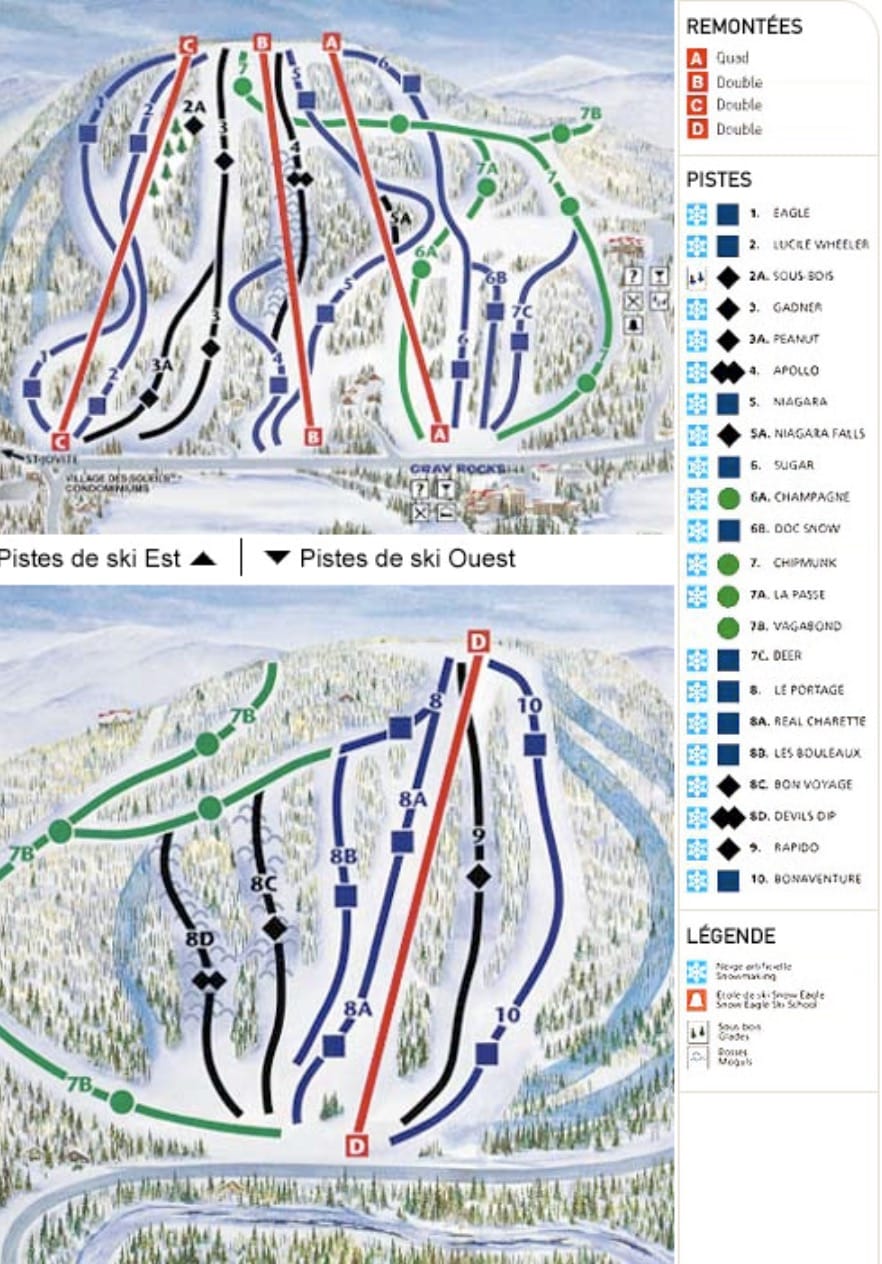
The history of Gray Rocks is a compelling narrative in itself, mirroring the evolution of winter tourism in Quebec. Established in 1906 by the Miller family, the Gray Rocks Hotel and its accompanying ski area quickly became a prominent destination in the Mont-Tremblant region. For decades, it offered a classic Laurentian resort experience, attracting families and outdoor enthusiasts alike. The ski resort eventually boasted 22 trails serviced by four lifts, providing a solid offering for skiers and snowboarders.
However, Gray Rocks operated in the shadow of its much larger and more commercially successful neighbor, Mont-Tremblant. This proximity presented a perpetual challenge for the smaller resort, as it vied for market share and visitor attention. Despite its historical significance and dedicated clientele, the economic realities of the ski industry, coupled with environmental factors, began to take their toll.
The Financial Storm and the End of an Era
The closure of the Gray Rocks ski resort and hotel in 2009 marked the end of an era. Several factors contributed to its demise. Increasingly warm winters, a trend observed across many ski destinations, led to a decline in reliable snow cover, impacting the ski season’s viability. Compounding these environmental challenges was a devastating financial blow. Reports indicate that ownership suffered significant losses, exceeding $4 million CAD, due to investments connected to the infamous Bernie Madoff Ponzi scheme. This financial devastation, combined with the operational challenges, proved insurmountable.
The physical remnants of the resort also faced destruction. In 2014, a fire ravaged much of the historic hotel, leaving behind only a fraction of its former grandeur. The property also included two golf courses, which met different fates. One eventually closed, while the other was acquired by Clublink, a major golf course operator.
A New Chapter for the Land
Despite the closure and destruction, the story of the Gray Rocks land did not end there. In 2023, the City of Mont-Tremblant took a significant step in preserving and revitalizing the area by purchasing the land that once encompassed the ski resort. This acquisition signaled a renewed commitment to the region’s natural beauty and recreational potential.
Following the purchase, efforts were made to transform the former ski area into a public recreational space. For the 2024-25 season, new trails were opened, catering to a diverse range of winter activities. These newly accessible routes are designed for snowshoers, fat bikers, and winter hikers, ensuring that the spirit of outdoor recreation continues to thrive on the historic grounds, albeit in a different form. This initiative represents a thoughtful approach to land use, honoring the past while embracing future recreational possibilities for the community.
The legacy of Gray Rocks, therefore, is multifaceted. It is remembered as a historic resort that played a role in the development of Quebec’s tourism industry. It is also etched in the annals of popular culture through its unexpected connection to The Police. Furthermore, its recent transformation into a public recreational area demonstrates a forward-looking vision for the land, ensuring its continued contribution to the region’s identity and the well-being of its residents. The band’s fleeting presence, captured in iconic music videos, now serves as a unique historical marker on a landscape that continues to evolve and offer new experiences to visitors and locals alike.

