
BEAVER CREEK, Colo. – The prestigious Stifel Birds of Prey Audi FIS Ski World Cup is set to make history in December 2026, announcing an unprecedented expansion that will feature seven total World Cup races across two weekends, making it the largest Birds of Prey festival in the event’s storied history. This monumental announcement, jointly made by the Vail Valley Foundation, International Ski and Snowboard Federation (FIS), Beaver Creek Resort, and the Stifel U.S. Ski Team, includes the addition of a second women’s downhill race, signifying a major leap forward for gender equity in alpine ski racing.
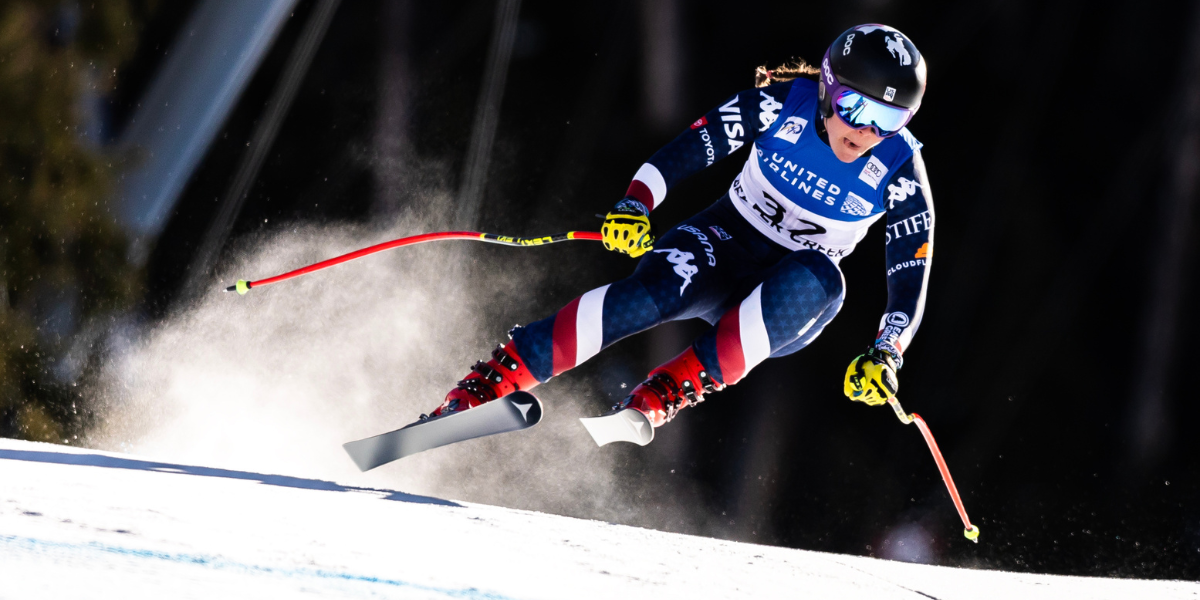
The expanded schedule, spanning December 3-13, 2026, will transform Beaver Creek Resort into the epicenter of global ski racing for nearly two weeks. The men’s series will comprise two downhills, a super-G, and a giant slalom, maintaining its traditional strength. Complementing this, the women’s weekend will now proudly showcase back-to-back downhills, followed by a super-G, doubling their speed event presence on the iconic Birds of Prey track. This move builds directly on the landmark debut of women’s racing on the formidable Birds of Prey downhill track in 2024, a moment celebrated by many in the ski world as long overdue and a pivotal step towards greater inclusivity in the sport.
A Legacy Forged in Snow: The Birds of Prey History
The Birds of Prey World Cup at Beaver Creek has long been revered as one of the most challenging and spectacular stops on the men’s FIS World Cup circuit. Its history dates back to 1997, when it first hosted men’s World Cup speed events, quickly establishing itself as a favorite among racers and fans alike. The course, officially known as the "Golden Eagle" track, gained international prominence when it hosted the FIS Alpine World Ski Championships in 1999, and again in 2015. Designed by Olympic gold medalist Bernhard Russi, the track is infamous for its demanding terrain, featuring harrowing sections like "The Pitch," "Talon," "Abyss," and "Pumphouse," where racers routinely hit speeds exceeding 70 miles per hour, navigating treacherous icy turns and breathtaking jumps. Its reputation as a true test of skill, courage, and technical prowess has solidified its status as one of the sport’s most iconic venues.
For decades, however, this premier stage was exclusively reserved for men’s competitions. The dream of seeing elite women racers tackle the Birds of Prey began to materialize with increasing calls for gender parity in venue scheduling. The 2024 debut of women’s racing on the course was not just an event; it was a testament to persistent advocacy and a recognition of the growing strength and popularity of women’s alpine skiing. That inaugural women’s event at Beaver Creek was met with overwhelming enthusiasm, setting the stage for this latest, even more significant, expansion.
Elevating Women’s Racing: A Milestone Decades in the Making
The decision to add a second women’s downhill underscores a profound commitment to advancing women’s racing within the global ski community. Sarah Franke, Senior Vice President of Operations for the Vail Valley Foundation, articulated the sentiment behind this expansion. "Seven World Cup races across two weekends is a reflection of how far this festival has come and where it’s headed," Franke stated. "The historic debut of women’s racing in 2024 was a milestone decades in the making, and we are proud to build on that this year with the biggest and most exciting festival we have ever hosted." Her comments highlight the cumulative effort and vision that have propelled Birds of Prey to this unprecedented scale.
Beaver Creek COO Bobby Murphy echoed this enthusiasm, emphasizing the broader implications of the expanded calendar. "The addition of a third women’s race, combined with four men’s races, would make the 2026 event the biggest and most dynamic in our history," Murphy remarked. "It reflects the growth of the sport, our commitment to elevating women’s racing, and the continued evolution of Birds of Prey as one of the premier stops on the World Cup calendar." This strategic alignment with the global trend of increasing visibility and investment in women’s sports positions Beaver Creek at the forefront of this progressive movement.
The inclusion of multiple women’s speed events on such a demanding track not only offers athletes more opportunities to compete but also elevates their visibility, inspiring a new generation of female skiers. Athletes like Mikaela Shiffrin, Breezy Johnson, and the legendary Lindsey Vonn, who has long advocated for equal opportunities, have paved the way for this moment. Competing on a course historically dominated by men sends a powerful message about equality of challenge and recognition within the sport.
The Full 2026 Birds of Prey World Cup Schedule (Preliminary)
While the schedule remains preliminary, pending final FIS Council approval, the proposed lineup promises an exhilarating two weeks of world-class racing:
Men’s Weekend
- December 5, 2026: Downhill Race 1
- December 6, 2026: Downhill Race 2
- December 7, 2026: Super-G
- December 8, 2026: Giant Slalom
Women’s Weekend
- December 11, 2026: Downhill Race 1
- December 12, 2026: Downhill Race 2
- December 13, 2026: Super-G
This comprehensive schedule ensures a diverse range of disciplines, appealing to fans of both speed and technical racing.
Economic Catalyst and Community Celebration
Beyond the thrill of competition, the expanded Birds of Prey festival is poised to deliver a significant economic boost to the Vail Valley region. Major international sporting events like the FIS World Cup typically generate millions of dollars in direct and indirect spending. This includes increased bookings for hotels, lodges, and vacation rentals, a surge in patronage for local restaurants, bars, and retail shops, and demand for transportation and event services. The extended two-week duration means a prolonged period of increased tourism and economic activity, providing a substantial injection into the local economy during the early winter season.
Historically, Birds of Prey has drawn tens of thousands of spectators to Beaver Creek, and the expanded 2026 festival is expected to surpass previous attendance records. Organizers are committed to making the event accessible, once again offering free general admission at the John and Karen Arnold Red Tail Stadium, the home to all races. This policy ensures that ski racing remains approachable for a broad audience, fostering grassroots interest in the sport. For those seeking an enhanced experience, VIP hospitality options will be available, featuring indoor viewing areas, gourmet food and beverage service, and premium race access.
The festival atmosphere itself is a key component of the Birds of Prey experience. The two-week extravaganza is designed to be more than just a series of races; it’s a full-fledged celebration of winter sports and mountain culture. Spectators can anticipate a vibrant lineup of live music performances, engaging athlete autograph sessions, interactive sponsor activations, and the immensely popular "Beers of Prey" event, which transforms Beaver Creek Village into a lively hub of camaraderie and entertainment. These elements contribute to a holistic event that appeals to families, avid ski fans, and casual visitors alike, creating lasting memories and reinforcing Beaver Creek’s reputation as a world-class destination.
Broader Implications for the World Cup Circuit and North American Skiing
The announcement from Beaver Creek comes at a pivotal moment for women’s alpine racing globally. North America, in particular, has seen increased momentum, with growing visibility, stronger attendance figures at events, and a rising tide of investment in women’s World Cup events. This expansion at Birds of Prey serves as a powerful endorsement of this trend, solidifying North America’s role as a vital region for the FIS World Cup circuit.
For the FIS, the move demonstrates a proactive approach to enhancing its product. By diversifying its schedule and promoting gender equity at a high-profile venue, the federation reinforces its commitment to the universal appeal and growth of alpine skiing. It also offers a blueprint for other World Cup venues, showcasing how established men’s tracks can successfully integrate women’s competitions, providing equal platforms for athletic excellence.
From an athletic perspective, the opportunity to compete on an additional downhill at Beaver Creek is invaluable. The demanding nature of the Birds of Prey course provides an unparalleled training ground and a crucial benchmark for speed specialists. More races mean more chances to earn World Cup points, improve rankings, and gain critical experience on a truly challenging piste, which can be particularly beneficial for North American athletes competing on home snow.
In essence, the addition of a second women’s downhill at the 2026 Stifel Birds of Prey Audi FIS Ski World Cup is more than just a schedule change; it is a monumental step forward for alpine skiing. It cements Beaver Creek’s position as one of the premier speed venues in the world, signals a continued commitment to expanding opportunities for both men’s and women’s racing on one of the sport’s most iconic stages, and promises an unforgettable festival experience that celebrates the pinnacle of ski racing. The Vail Valley eagerly awaits the arrival of athletes and fans for what is set to be the biggest and most dynamic Birds of Prey in history.

