
Kicking Horse Mountain Resort, a jewel of British Columbia’s famed Powder Highway, has garnered international attention not only for its challenging ski terrain and authentic mountain town charm but also for its innovative approach to wildlife conservation and enrichment. Nestled in the picturesque town of Golden, this renowned resort is home to North America’s largest enclosed and protected mountainside grizzly bear habitat, a sanctuary for its resident grizzly, affectionately known as Boo. While skiers and snowboarders traverse the powdery slopes during winter, Boo remains in hibernation, a peaceful giant sleeping beneath the very gondola that ferries guests. As spring awakens, Boo emerges, offering visitors a remarkable opportunity to observe his daily life within his expansive 20-acre domain.
The resort’s commitment to Boo’s welfare extends beyond providing a safe haven. Wildlife professionals meticulously manage Boo’s diet, ensuring he receives the necessary caloric intake for a healthy life. While Boo naturally forages for a significant portion of his nutrients from the diverse vegetation within his habitat—including horsetails, roots, sedges, dandelions, and grasses—his diet is supplemented by these dedicated professionals. This supplemental feeding, however, is far from mundane. In a move that has captured the imagination of many, Kicking Horse Resort employs a uniquely engaging method for delivering larger food items: dropping them from the very gondola that traverses the enclosure.
This unconventional feeding strategy serves multiple purposes. As explained by the wildlife management team, "Using harnesses, we are able to safely open the doors and drop food throughout his enclosure. Boo is able to naturally forage for up to half of his daily nutrient needs. However, a large bruin like Boo can cover almost as much as 1400 square kilometers in this region, and although Boo has a large home, he is not going to get the full caloric intake of what he needs on a daily basis from his habitat alone. In order to ensure Boo is getting what he needs, we boost his diet with extra calories. Spreading out the food provides Boo with more enrichment as he has to use his senses to locate the food. This form of delivery also allows us to drop in bigger food items such as the odd animal carcass, typically provided from local roadkill!" This method not only ensures Boo receives essential nutrients but also stimulates his natural foraging instincts, providing crucial mental and physical enrichment.
The practice of dropping food items, such as watermelons, from the gondola has become a highlight for visitors, offering a rare and captivating glimpse into the life of a grizzly bear. The visual of a large fruit descending from the sky to be discovered and enjoyed by Boo adds an element of spectacle to his daily routine, transforming a necessary feeding practice into an engaging educational experience.

Boo’s natural behaviors are also a key aspect of the refuge’s appeal. Grizzlies are known for their complex scent-marking behaviors, which include rubbing against trees, biting bark, urinating, and defecating to distribute their scent. These actions are vital for inter-species communication, allowing bears to convey information about their presence, status, and territory to other wildlife. The Kicking Horse Grizzly Bear Refuge provides an environment where these natural behaviors can be observed, offering valuable insights into bear ecology and social dynamics.
A Sanctuary for Boo and Education for All
The Kicking Horse Grizzly Bear Refuge is more than just a tourist attraction; it is a testament to the resort’s dedication to wildlife conservation and public education. Established as a protected area, the 20-acre refuge allows Boo to live a life as close to natural as possible, while still ensuring his safety and well-being. He hunts, plays, forages, and explores within this carefully managed mountainside habitat, mirroring the activities of his wild counterparts.
The interpretive center, open daily during the summer months, serves as a hub for visitors eager to learn about Boo and grizzly bear conservation. Guests have the unique opportunity to witness Boo’s strength, agility, intelligence, and individual personality firsthand. The educational programs offered at the refuge aim to foster a deeper understanding and appreciation for these magnificent animals, highlighting the importance of their role in the ecosystem and the challenges they face in the wild.
A particularly noteworthy aspect of the visitor experience is the resort’s commitment to ensuring everyone has a chance to see Boo. If Boo is not visible during an initial visit, guests are welcome to return for another free tour, underscoring the resort’s focus on guest satisfaction and educational accessibility. The consensus among visitors is that observing Boo in his natural habitat is an unforgettable and truly unique experience, a sentiment that resonates deeply with those who have had the privilege of witnessing this remarkable program.
Supporting Data and Ecological Context
The Kicking Horse Grizzly Bear Refuge plays a critical role in the conservation of grizzly bears in British Columbia. Grizzly bears (Ursus arctos horribilis) are apex predators whose presence is indicative of a healthy ecosystem. Historically, grizzly bear populations have faced significant threats from habitat loss, human-wildlife conflict, and hunting. While populations in some areas have stabilized or shown signs of recovery, they remain vulnerable and require ongoing conservation efforts.

The 20-acre enclosure at Kicking Horse is designed to mimic a natural grizzly bear habitat, providing ample space for foraging, exploration, and natural behaviors. This acreage, while substantial for an enclosed habitat, is a fraction of the vast territories wild grizzlies typically roam, which can extend up to 1,400 square kilometers for males. This stark contrast underscores the importance of supplemental feeding to ensure Boo meets his nutritional needs, as highlighted by the wildlife professionals.
The diet of a grizzly bear is omnivorous and highly varied. In the wild, their diet consists of berries, roots, grasses, insects, fish, and carrion. The natural vegetation within Boo’s enclosure, such as horsetails, roots, sedges, and dandelions, forms a crucial part of his diet, contributing to his overall health and well-being. Supplemental feeding, which can include fruits like watermelons and occasionally animal carcasses sourced responsibly, ensures a balanced caloric intake, particularly important for bears in semi-wild or captive environments.
Chronology of Boo’s Presence at Kicking Horse
While the exact date of Boo’s arrival at Kicking Horse Mountain Resort is not publicly detailed, his role as a resident grizzly bear has been a long-standing feature of the resort’s unique offerings. His hibernation cycle dictates his visibility to the public. Typically, Boo enters hibernation in late fall or early winter and emerges in the spring, usually around April or May, depending on weather conditions and his internal biological clock.
The feeding practice of dropping food from the gondola has been a practiced method for several years, evolving as a standard enrichment and feeding protocol. The resort’s commitment to Boo’s welfare is ongoing, with continuous monitoring and adjustments to his care plan by experienced wildlife professionals. The interpretive center operates seasonally, aligning with Boo’s active period, thereby maximizing the opportunity for visitors to observe him.
Official Responses and Broader Impact
The Kicking Horse Grizzly Bear Refuge has consistently received positive feedback from visitors and conservationists alike. The resort’s proactive approach to wildlife management and education has set a benchmark for other recreational facilities. By integrating conservation efforts into the guest experience, Kicking Horse Mountain Resort not only provides a unique attraction but also educates the public on the importance of protecting wildlife and their habitats.
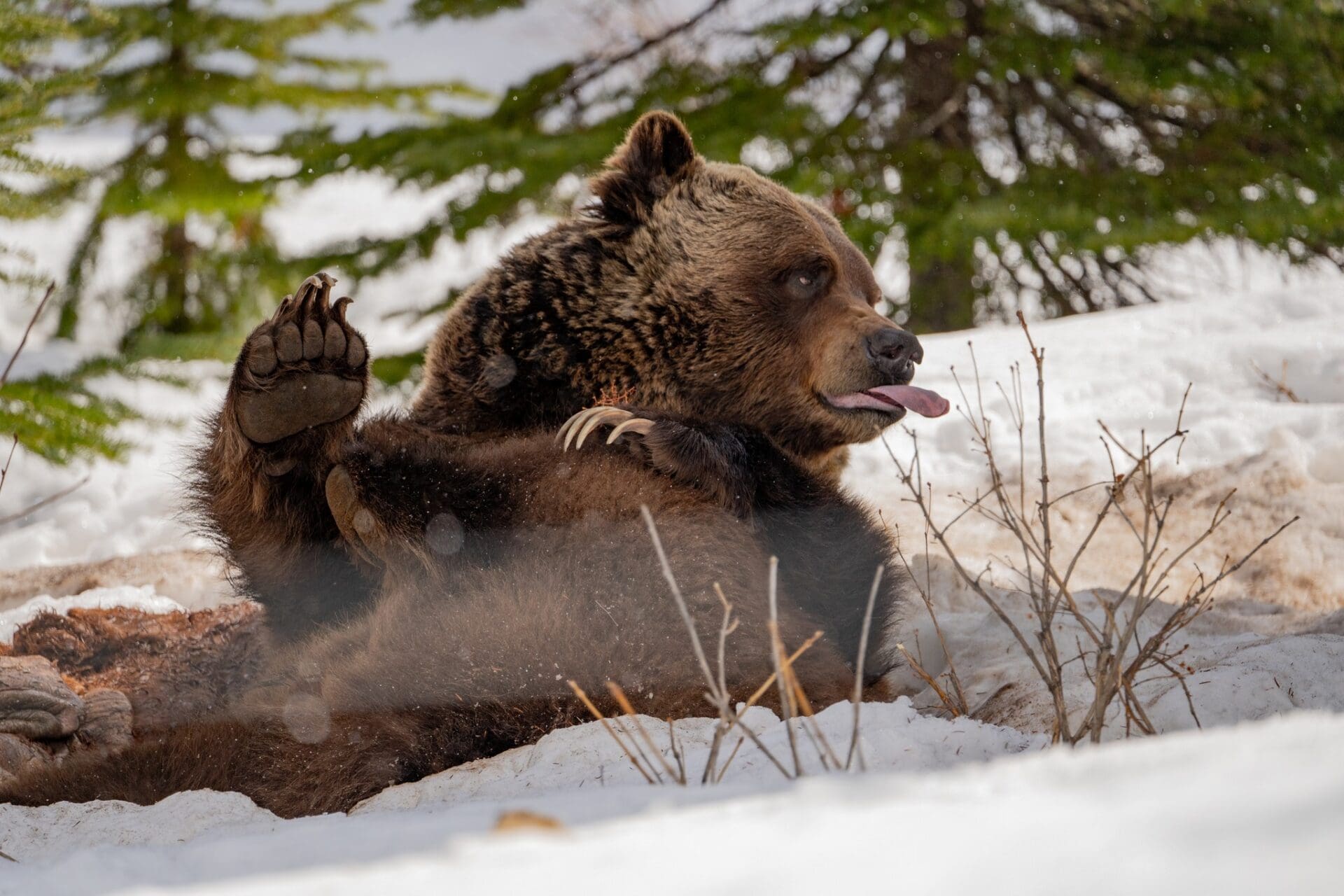
The practice of dropping food from the gondola, while visually striking, is a carefully considered aspect of Boo’s care. It is designed to be enriching and to meet his dietary needs without compromising his natural behaviors or creating dependency that would hinder his well-being. The success of this program is a testament to the dedication of the resort’s wildlife team and their understanding of bear behavior.
Analysis of Implications
The Kicking Horse Grizzly Bear Refuge and its innovative feeding methods have significant implications for wildlife tourism and conservation education. Firstly, it demonstrates that a thriving ski resort can coexist with and actively contribute to wildlife preservation. By showcasing Boo in a managed, yet naturalistic, environment, the resort fosters a connection between the public and wildlife that might otherwise be inaccessible. This connection can translate into greater public support for broader conservation initiatives.
Secondly, the unique feeding strategy serves as an effective educational tool. It provides a memorable and engaging way to illustrate the challenges of supplementing wild animal diets and the importance of understanding their nutritional requirements. This experiential learning can create more informed and empathetic wildlife advocates.
Furthermore, the economic impact of such a unique attraction cannot be overlooked. It draws visitors to the region who might not otherwise consider Golden, contributing to the local economy through tourism and hospitality. This symbiotic relationship between conservation and commerce highlights a model for sustainable tourism that benefits both the environment and the local community. The resort’s commitment to offering free return visits if Boo isn’t seen underscores a dedication to visitor experience and a belief in the value of their conservation program, reinforcing its positive reputation.

