
May 8, 2026 – A remarkable late-season weather pattern is bringing a surge of fresh snow to popular ski destinations across the Northern Hemisphere, including the Alps and the Rocky Mountains, with some resorts extending their operations well into the summer months. Simultaneously, early snowfall in the Southern Hemisphere is signalling the imminent start of the winter season down under. This unexpected bounty of snow marks a strong conclusion to the 2025/26 ski season for many, with high-altitude areas continuing to receive significant accumulations.
Alpine Delights: Les2Alpes Leads the Charge with Exceptional Spring Snow
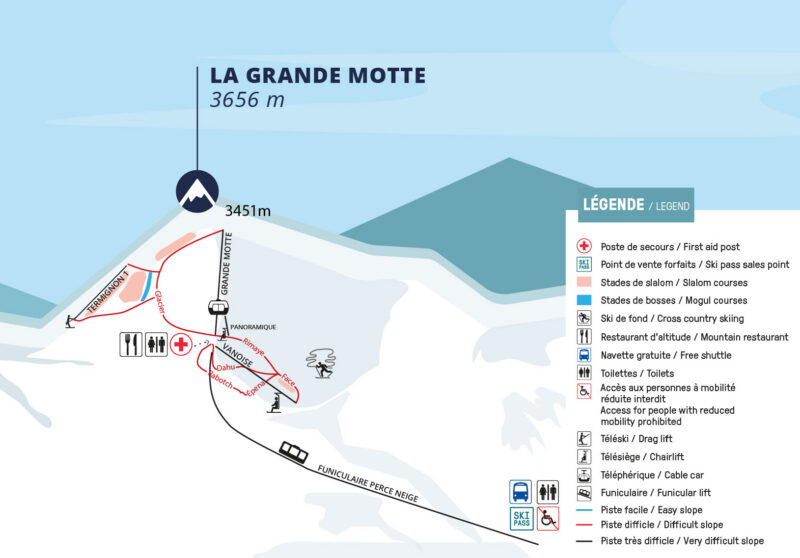
The French resort of Les2Alpes is currently enjoying an exceptionally strong spring and summer skiing season, bolstered by a substantial 70cm of fresh snowfall this past week. The resort’s renowned glacier is reported to be in excellent condition, and skiing is available not only on the glacier itself but also down to an impressive 2,600 meters. This level of snow in mid-May is a significant event, offering a rare treat for skiers and snowboarders.
Les2Alpes is scheduled to remain open for skiing until July 5th, and the recent snowfall significantly enhances the prospects for the remaining weeks of operation. This late-season snowfall has generated considerable interest, prompting an investigation into its causes.
Fraser Wilkin, a meteorologist and expert from weatherertoski.co.uk, explained the phenomenon. "The significant snowfall in Les2Alpes is primarily attributed to a potent storm system that swept through earlier this week, impacting the western and south-western Alps with varying degrees of intensity," Wilkin stated. "Les 2 Alpes found itself in an ideal position, particularly on Tuesday, receiving between 50-70cm of new snow at higher elevations."
Wilkin further noted that the Zermatt/Cervinia area in the Swiss-Italian Alps experienced comparable snowfall, also allowing for skiing below glacier level, especially on the Italian side. This highlights a broader pattern of beneficial snow events across specific alpine regions.

Glacier Skiing Continues: A Glimpse into Summer Alpine Operations
Beyond Les2Alpes, several other Alpine resorts are maintaining glacier skiing operations throughout the summer. Saas-Fee in Switzerland plans to reopen for summer skiing from July 18th to October 31st, while Tignes in France will offer summer skiing from June 20th to July 19th. These extended seasons provide dedicated skiers with opportunities to carve turns well beyond the traditional end of winter.
Zermatt, Switzerland, continues its ambition to be the only resort in the Alps offering year-round skiing. However, this year has seen a notable shift in operational plans for other resorts.
Hintertux’s Summer Hiatus: A Shift in Year-Round Skiing Availability
The Hintertux Glacier in Austria, which has historically offered year-round skiing, has announced a temporary cessation of its continuous operations. Following several years of inconsistent snow conditions, the resort will close for its summer break after extending operations into July.
"After that, we will enjoy the glacier summer to the fullest off the slopes," the resort stated on its website, indicating a focus on other summer activities. Skiing is anticipated to recommence in September 2026, with the "Hintertux Park Opening" scheduled for early October. The resort has not definitively stated whether this is a permanent change to its year-round skiing policy or a temporary measure for the current year. This decision could have implications for the perception of year-round skiing viability in the Alps, especially in light of climate change concerns.
Rockies Receive a Late Boost: Colorado Sees Welcome Snowfall
In the United States, the Rocky Mountains are also experiencing a late-season storm. Loveland Pass in Colorado received significant snowfall on Wednesday, drawing a considerable number of skiers eager to take advantage of fresh powder. This comes after a winter characterized by the state’s lowest snowpack in over a century, making this late influx of snow particularly welcome, albeit potentially too late to significantly alter the overall winter season’s statistics.
Despite this late flurry, the overall winter season in the US Rockies has been widely described as poor, with many resorts struggling to maintain consistent conditions and facing reduced visitor numbers.
Several US resorts are still open for skiing, including Snowbird in Utah, Mammoth Mountain in California, Timberline Lodge in Oregon, and Jay Peak in Vermont. These operations are primarily reliant on higher elevations and glacier access.
Canadian Rockies Flourish: Sunshine Village Reports Record Snowfall
Further north in Canada, Sunshine Village near Banff in Alberta is enjoying an excellent season and is continuing its skiing operations. The resort is set to close on May 18th before reopening for a short summer stint that will run into July.
"Our decision to host summer skiing is thanks to record snowfall," a resort spokesperson confirmed. Currently, Sunshine Village boasts a mid-mountain base of 182 cm and an impressive 238 cm on its upper slopes. The plan is to open the Strawberry Express lift and potentially another lift, depending on prevailing conditions. This lift accesses beginner-friendly terrain on the eastern side of Mount Standish.
Kendra Scurfield, Vice-President of Brand and Communications for Sunshine Village, described the season as "a bit of a fairy tale," adding, "We couldn’t have written it to be as great as it has turned out to be if we had tried." She acknowledged that summer skiing will offer "slushy summer skiing – high vibes – and just with the novelty of skiing in July in the Canadian Rockies," rather than deep powder turns. Sunshine Village was noted as a base for PlanetSKI journalists for two months at the start of the winter season.
Southern Hemisphere Awakens: Early Snowfall in Australia
As the Northern Hemisphere approaches the end of its ski season, the Southern Hemisphere is gearing up for its winter. The ski season in Australia officially begins in June, and early snowfall has already been observed at several Australian resorts. While this early snow is expected to melt, it serves as a promising precursor to the winter months ahead.
Resorts such as Lake Mountain, Mount Hotham, and Mount Buller have reported some snowfall, generating excitement among the local skiing community and anticipation for the upcoming season. This early dusting suggests a potentially robust start to winter in Australia, a welcome sign after a period of variable conditions in recent years.

Analysis and Implications: A Tale of Two Hemispheres and Shifting Seasons
The current snow patterns present a complex picture of the global ski industry. The exceptional late-season snowfall in parts of the Alps and Rockies offers a positive boost for resorts that can extend their operations, providing much-needed revenue and visitor engagement. For destinations like Les2Alpes and Sunshine Village, record or near-record snowfall has directly translated into the possibility of extended summer skiing, a significant marketing and operational advantage.
However, the stark contrast with regions experiencing poor snowpack, such as the US Rockies, underscores the growing unpredictability of winter weather patterns. The decision by Hintertux to suspend year-round operations may reflect a broader trend of adaptation to changing climatic conditions, with resorts increasingly focusing on shorter, more reliable operational windows and diversifying their offerings.
The early snowfall in Australia offers a hopeful outlook for the Southern Hemisphere, potentially mitigating concerns about El Niño or other climate-related impacts on ski seasons.
The continued availability of glacier skiing in the Alps highlights the resilience of high-altitude environments. However, the sustainability of such operations in the long term remains a subject of ongoing discussion and research within the snow sports community and climate science.
As the 2025/26 Northern Hemisphere ski season winds down, the focus shifts to the operational success of these extended summer ski offerings and the unfolding winter in the Southern Hemisphere. The global nature of snowsports means that a dynamic interplay of weather events across continents will continue to shape the industry’s landscape, from resort operations to traveler expectations. Further updates on snow conditions and operational plans will be closely monitored.

