
A French court has delivered a verdict of manslaughter against a skier involved in a fatal collision that claimed the life of a young British girl in the French Alps in January 2022. The 43-year-old skier was sentenced to a 12-month suspended prison term and ordered to pay €165,000 in damages to the victim’s family. This ruling brings a measure of closure to the grieving family, who have endured a protracted legal process spanning over two years. The suspended sentence means the convicted skier will avoid immediate incarceration, provided they adhere to the court’s directives.
The Tragic Incident at Flaine
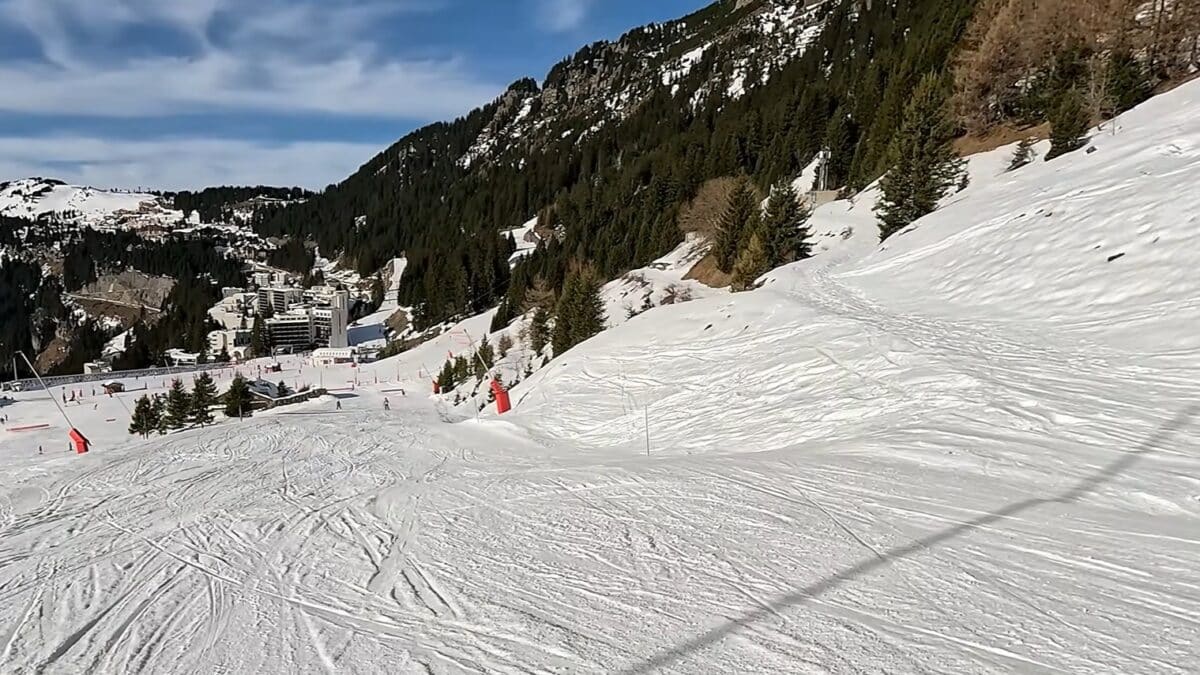
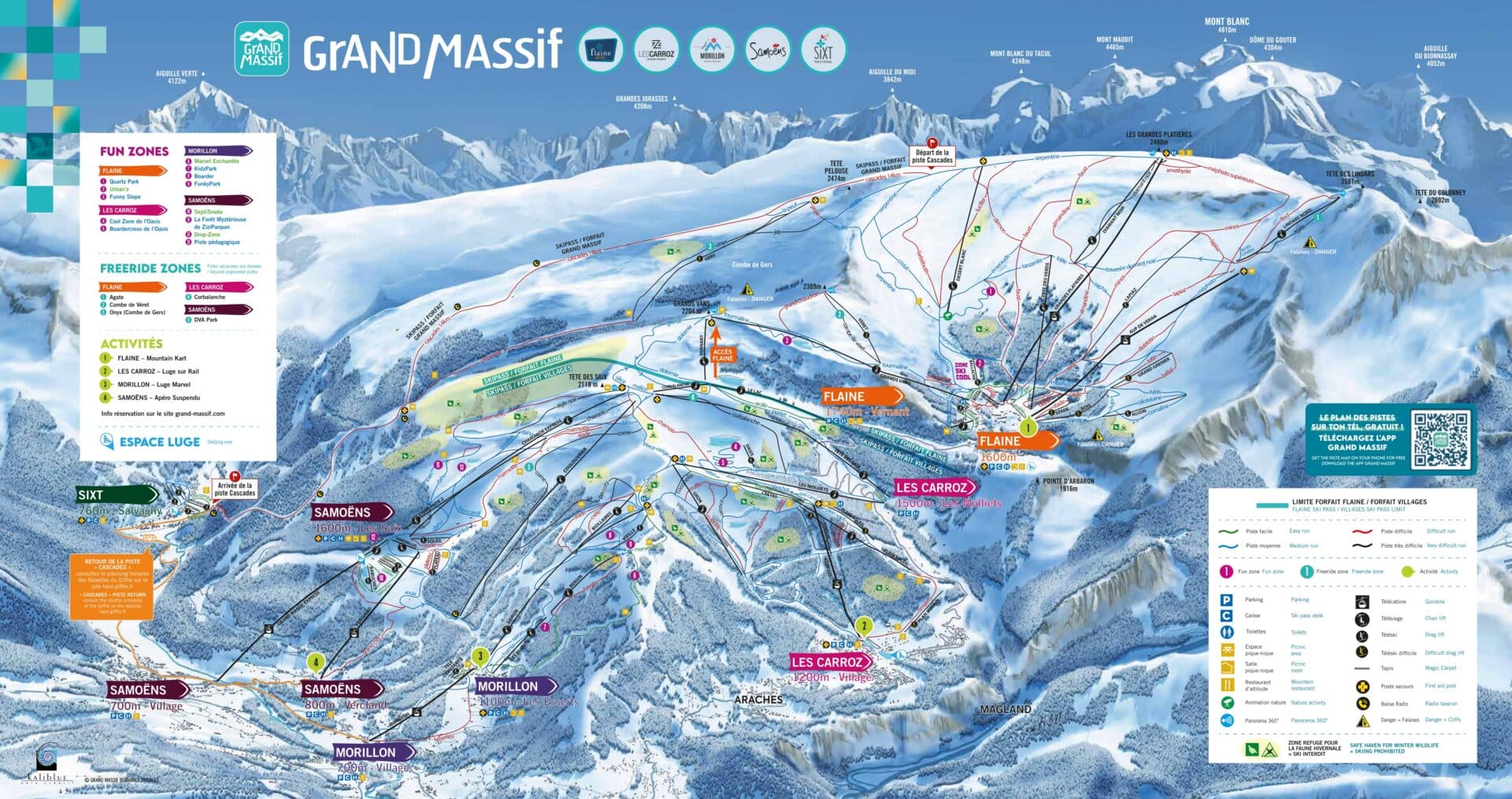
The incident occurred on the Serpentine trail at the popular Flaine ski resort, which is part of the extensive Grand Massif ski area. The Serpentine piste, previously classified as an easy run, had its difficulty rating upgraded in recent years due to a history of serious accidents. On the day of the collision, the victim, a young British girl, was skiing as part of a ski school group. Reports indicate she had momentarily fallen behind her group when the collision took place.
The convicted skier was reportedly traveling at an estimated speed of 60 kilometers per hour (approximately 37 miles per hour). While this speed is not inherently illegal on all slopes, it significantly exceeds recommended speeds for many runs, particularly those with varied terrain and potential for reduced visibility. The exact circumstances leading to the impact are understood to have involved a sudden rise or bump on the piste, which obscured the view of both skiers. This unexpected obstacle is believed to have contributed to the inability of either skier to react in time.
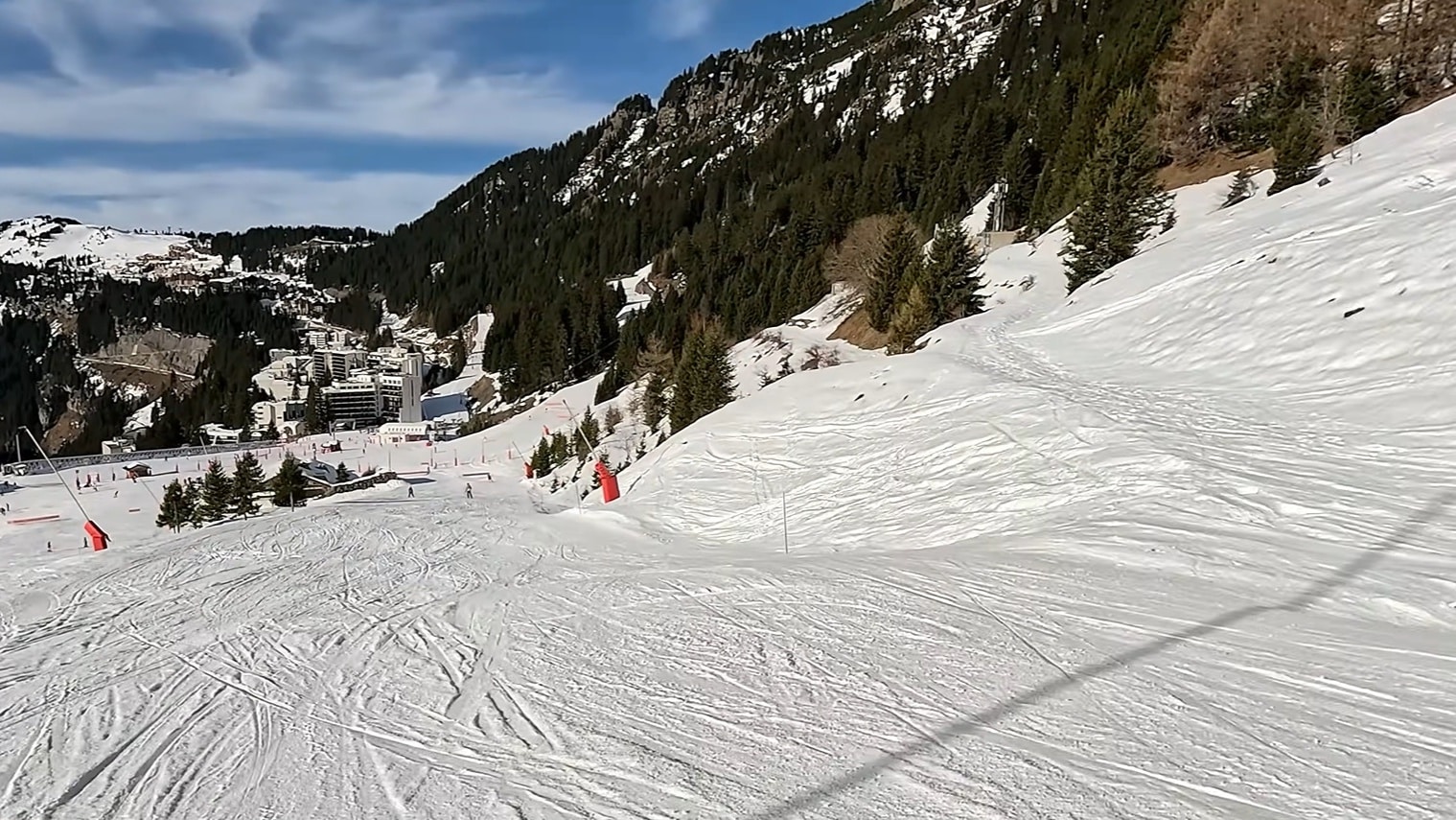
Following the collision, both individuals fell a considerable distance down the slope. Tragically, the young victim was discovered without her helmet and ski gear, indicating the force of the impact. Despite immediate efforts to provide assistance, she was later pronounced dead at a local hospital. The severity of her injuries underscores the high-speed nature of the collision.
Legal Proceedings and Defense Arguments
The legal proceedings focused on the actions of the convicted skier and whether his speed and control of his descent constituted negligence. The prosecution argued that his speed was excessive for the conditions and the nature of the piste, leading directly to the fatal encounter.
The defense, however, sought to portray their client as a responsible and experienced skier who was profoundly affected by the tragic outcome. His lawyer emphasized the devastating impact the event had on the convicted skier, stating, "If there is one skier to whom this tragedy should never have happened, it is him." This argument likely aimed to highlight the defendant’s remorse and suggest the incident was a terrible accident rather than a result of reckless disregard for safety. The defense may have also pointed to the piste’s conditions, including the visibility issue caused by the bump, as contributing factors beyond their client’s sole control.
Chronology of Events
- January 2022: A fatal collision occurs between two skiers on the Serpentine trail at Flaine ski resort. A young British girl sustains fatal injuries.
- Post-Incident Investigation: Authorities launch an investigation into the circumstances surrounding the collision, focusing on speed, visibility, and adherence to piste regulations.
- Legal Proceedings: A lengthy legal process ensues, involving the prosecution of the skier involved in the collision.
- Court Verdict: A French court finds the 43-year-old skier guilty of manslaughter.
- Sentencing: The court imposes a 12-month suspended prison sentence and orders a €165,000 fine payable to the victim’s family.
Supporting Data and Contextual Information
Skiing, while a popular recreational activity, carries inherent risks. According to various safety organizations, collisions on ski slopes, though less frequent than other types of skiing injuries, can be severe. Factors contributing to such collisions often include excessive speed, lack of attention, failure to yield, and poor visibility.
The International Ski Federation (FIS) outlines a set of rules for behavior on the slopes, including the obligation for skiers to be in control at all times and to adapt their speed and manner of skiing to their ability, the terrain, snow conditions, and the density of other skiers. While specific speed limits are not universally enforced on all pistes, a general duty of care is expected from all skiers.
The Grand Massif, as one of Europe’s largest interconnected ski areas, hosts millions of visitors annually. Resorts like Flaine are equipped with varying levels of piste difficulty, and while efforts are made to maintain safety, the dynamic nature of the mountain environment means that hazards can arise. The reclassification of the Serpentine trail suggests that the resort management itself recognized an elevated risk profile for this particular slope.
Broader Impact and Implications
This verdict has significant implications for ski safety regulations and the legal responsibilities of skiers. It underscores the principle that operating a ski at a speed that compromises control or the ability to react to unforeseen circumstances can lead to severe legal consequences.
For the victim’s family, the verdict represents the end of a difficult legal journey. The substantial fine may offer some financial solace, but the emotional toll of losing a child is immeasurable. The prolonged nature of the legal proceedings highlights the complexities involved in prosecuting cases of accidental death on the slopes, often requiring detailed reconstruction of events and expert testimony.
The case also serves as a stark reminder to all skiers of the importance of adhering to safe skiing practices. Maintaining awareness of one’s surroundings, controlling speed, and respecting the abilities of others on the mountain are paramount. The court’s decision reinforces the idea that the privilege of skiing comes with a significant responsibility for the safety of oneself and others. The legal precedent set by this case could influence future judgments in similar incidents, potentially leading to stricter enforcement of safe skiing practices and a greater emphasis on individual accountability on ski slopes.
The long-term impact of this case may encourage ski resorts to review and enhance their safety protocols, including piste classification, signage, and potentially even speed monitoring in high-risk areas. It also reinforces the importance of wearing appropriate safety equipment, such as helmets, though in this tragic instance, the absence of a helmet did not appear to be the primary cause of death, but rather the impact itself.
The legal battle, while concluded, will undoubtedly leave a lasting impression on the skiing community, emphasizing that negligence on the slopes can have irreversible and devastating consequences. The family’s pursuit of justice, though arduous, has culminated in a legal finding that acknowledges the gravity of the incident and the responsibilities that come with engaging in high-risk recreational activities.

