
The physical demands of alpine skiing have long been associated with a high incidence of chronic musculoskeletal issues, often viewed by enthusiasts as an inevitable tax paid for years of high-altitude performance. However, emerging evidence and individual case studies suggest that the transition from chronic pain to functional recovery is increasingly found in the weight room rather than the pharmacy. For many long-term skiers, the solution to decade-long struggles with lower back pain, joint instability, and muscle imbalances lies in the strategic application of resistance training, specifically targeting the posterior chain. This shift in athletic preparation marks a significant departure from traditional reliance on flexibility-based recovery methods like yoga or passive treatments such as massage.
The Biomechanical Toll of High-Intensity Skiing
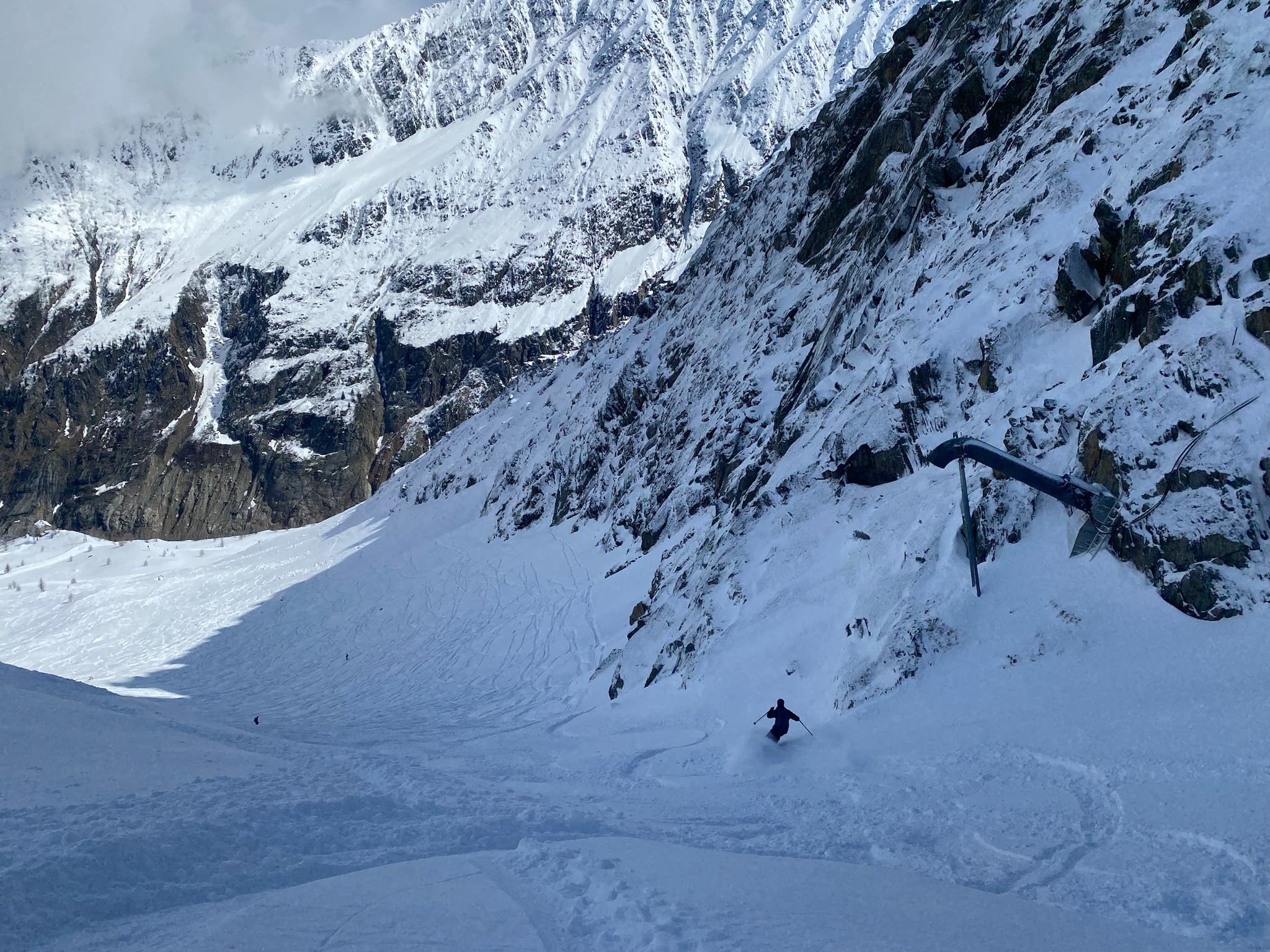
Alpine skiing is a sport defined by intense eccentric loading, where muscles must lengthen under tension to control the body’s descent against gravity and centrifugal force. Over time, these forces place immense stress on the vertebral column and the major joints of the lower extremities. Statistical data from sports medicine clinics indicate that lower back pain is one of the most prevalent non-traumatic complaints among skiers, often stemming from "gluteal amnesia" or the inability of the posterior chain to stabilize the torso during high-speed maneuvers.
In a representative case study of a 33-year-old male skier with over 1,000 days of on-mountain experience, the physical "reaction" to years of action manifested as a decade of daily lower back aches, hip soreness, and residual pain from a prior elbow fracture and dislocation. Despite a regimen of yoga, foam rolling, and dietary changes, the subject experienced a complete physical breakdown at age 32, characterized by acute lower back spasms. These spasms, a physiological defense mechanism where muscles contract involuntarily to prevent further spinal injury, resulted in total immobility and a temporary cessation of professional and athletic activities.
Chronology of Physical Decline and Recovery
The trajectory of a skier’s physical health often follows a predictable pattern of youthful resilience followed by sudden onset chronic dysfunction.
- The Foundation Phase (Ages 18-25): High activity levels are supported by natural malleability. Minor injuries, such as the elbow fracture experienced by the subject eight years prior, are treated as isolated incidents rather than symptoms of systemic imbalance.
- The Compensatory Phase (Ages 25-31): The body begins to compensate for minor joint instabilities. In the subject’s case, broad shoulders and a tall, 6’3” frame created a long lever arm that the lower back struggled to stabilize without adequate gluteal support.
- The Crisis Point (Age 32): Cumulative fatigue and muscle imbalances lead to acute trauma. For the subject, this resulted in a week of debilitating back spasms that necessitated a complete reevaluation of his approach to fitness.
- The Intervention Phase (Year 1 of Training): Implementation of a structured weight training program. Within 12 months, the subject reported "miracle cure" results, including days with zero pain—a state not achieved in the previous decade.
Expert Analysis: The Science of Muscle Imbalance
Franco Morris, Head of Program Delivery at a prominent athletic facility in Sydney, Australia, identifies muscle imbalance as the primary catalyst for the "achiness" reported by veteran skiers. According to Morris, human evolution has not kept pace with the demands of modern mountain sports or the sedentary lifestyles that often precede them.
"We’re not evolved for what we do, whether that’s skiing, skateboarding, or, as is more often the case, sitting," Morris states. This evolutionary gap is particularly pronounced in skiers who spend their workweeks at desks. Prolonged sitting leads to the shortening of hip flexors and the weakening of the gluteus maximus, forcing the erector spinae (lower back muscles) to overwork during the dynamic movements of skiing.
Morris emphasizes that as athletes age, muscle tissue becomes less malleable and less responsive to sudden loads, significantly increasing the risk of tears and structural injuries. Resistance training acts as a prophylactic measure, building "cushioning tissue" around the skeletal structure and increasing bone density through controlled mechanical stress.
Strategic Focus: The Posterior Chain
For skiers seeking to mitigate chronic pain, the consensus among strength and conditioning coaches is a prioritized focus on the posterior chain. This group of muscles, which includes the hamstrings, glutes, and lower back, serves as the body’s engine and primary stabilizer.
Essential Movements for Alpine Stability
Data suggests that certain compound movements offer the highest return on investment for mountain athletes:
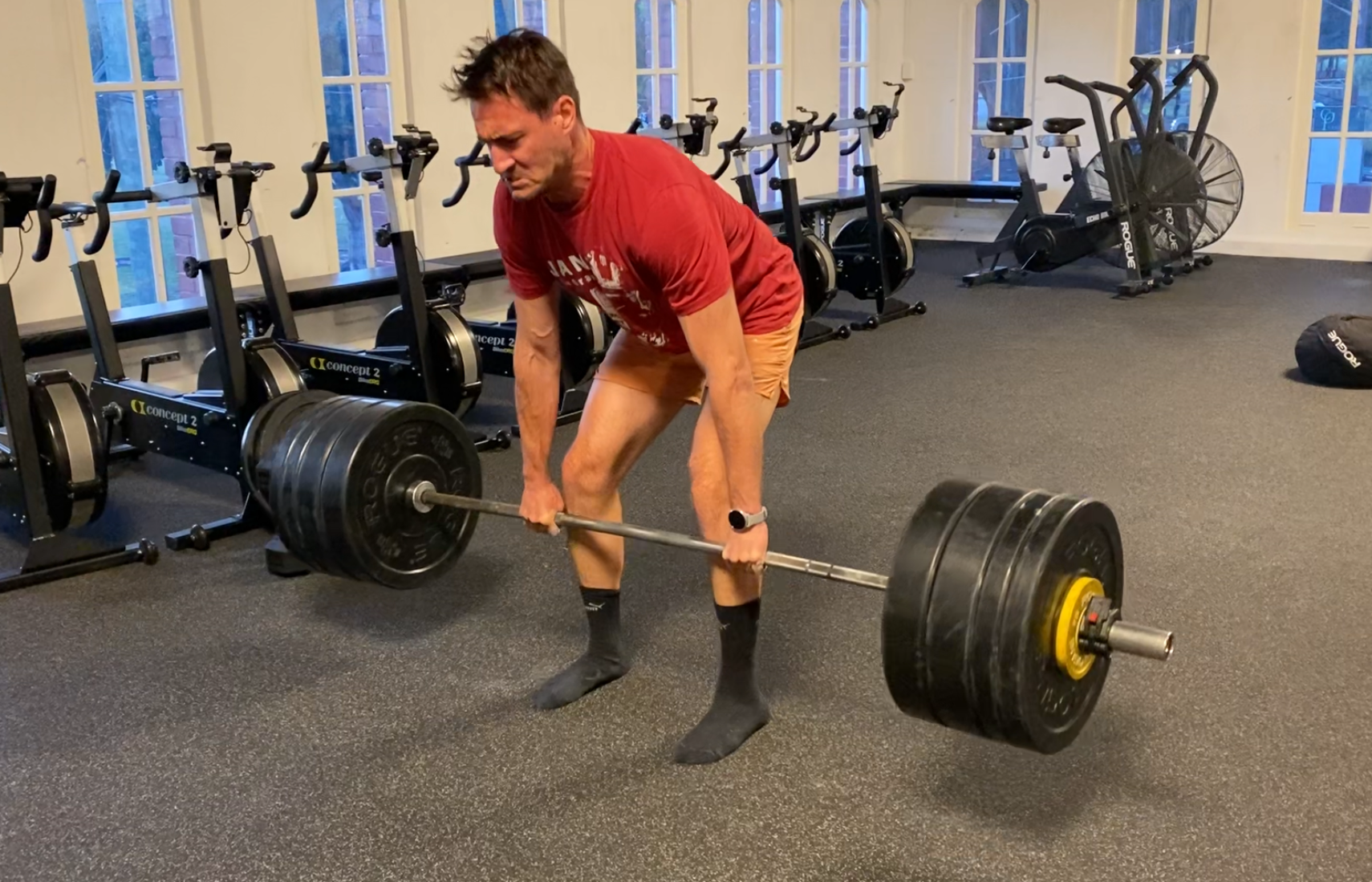
- The Deadlift: By lifting a barbell from the ground to a standing position, the athlete engages the entire posterior chain. This movement mimics the bracing required during high-pressure turns and builds the foundational strength necessary to protect the spine.
- Kettlebell Swings: This explosive movement targets the glutes and teaches the body to hinge at the hips rather than rounding the back, a critical skill for maintaining a proper skiing stance.
- Barbell Hip Thrusts: Specifically designed for glute isolation, this exercise counters the "gluteal amnesia" caused by sedentary office work.
- Barbell Step-ups: This unilateral exercise builds the single-leg stability required for navigating uneven terrain and moguls.
Methodological Recommendations for Aging Athletes
The transition into weight training for those over the age of 30 requires a shift in philosophy from "maximum intensity" to "controlled volume." Professional trainers advocate for several key principles to ensure longevity and prevent gym-related injuries:
Professional Supervision and Form
Lifting with improper form can exacerbate the very injuries an athlete seeks to heal. Working with a qualified personal trainer or joining a supervised group program is recommended to ensure movement integrity. In the case study, the subject noted that professional guidance was essential for navigating the "metamorphosis" of the first few months, which are often characterized by significant muscle soreness.
Repetition Over Absolute Mass
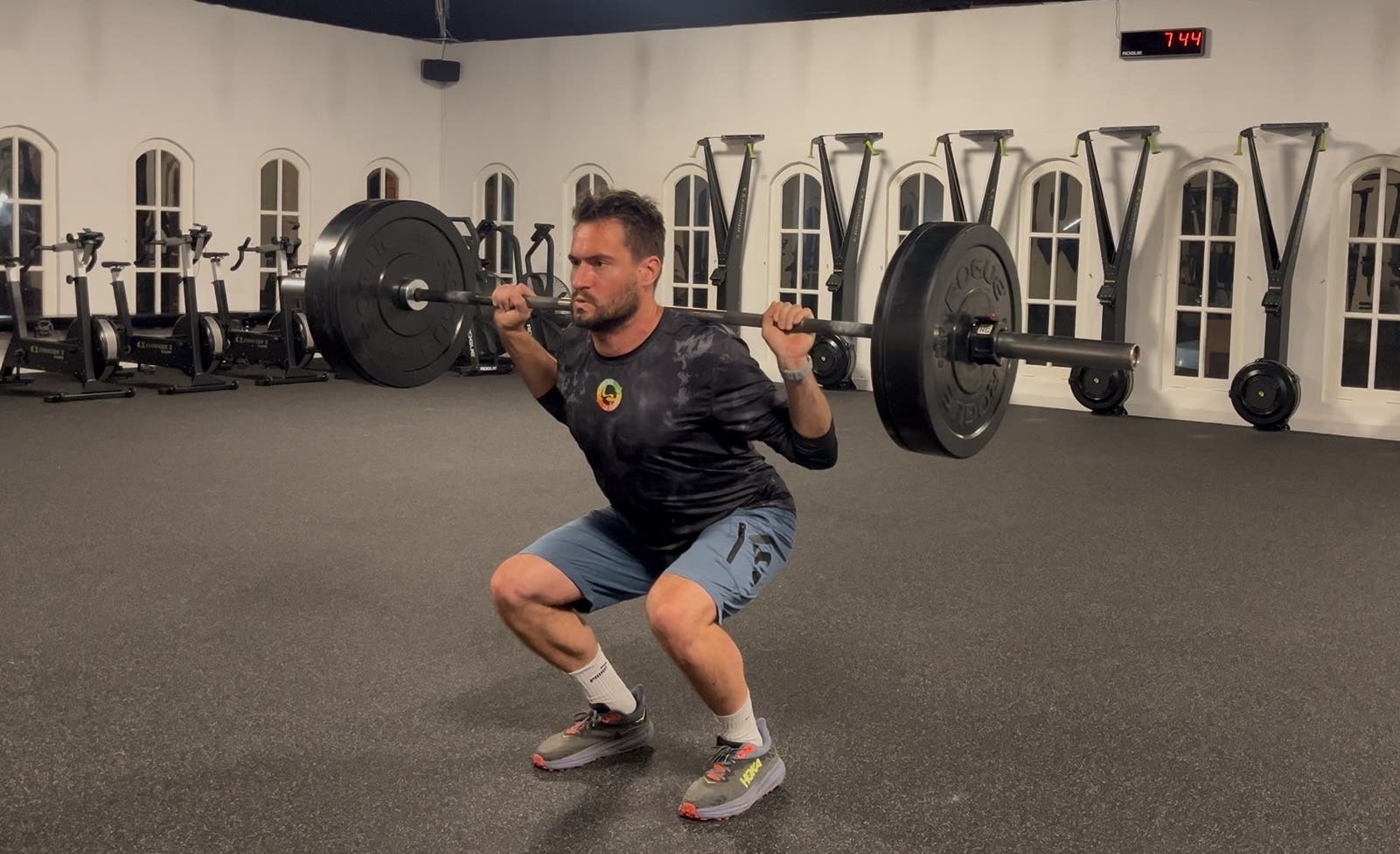
Skiers are fundamentally endurance athletes rather than powerlifters. Training protocols should favor higher repetitions (e.g., 10-12 reps at 60% of maximum capacity) rather than low-rep, high-weight sets. This approach builds muscular endurance and connective tissue strength without adding excessive "glamour muscle" mass—such as in the chest or biceps—which can be counterproductive in mountain environments where power-to-weight ratios are critical.
The Principle of Control
In resistance training for injury prevention, the speed of the movement is secondary to the control of the weight. "Low and slow" eccentric phases (the lowering of the weight) are where the most significant gains in tendon strength and muscle control are realized.
Broader Implications for the Mountain Sports Community
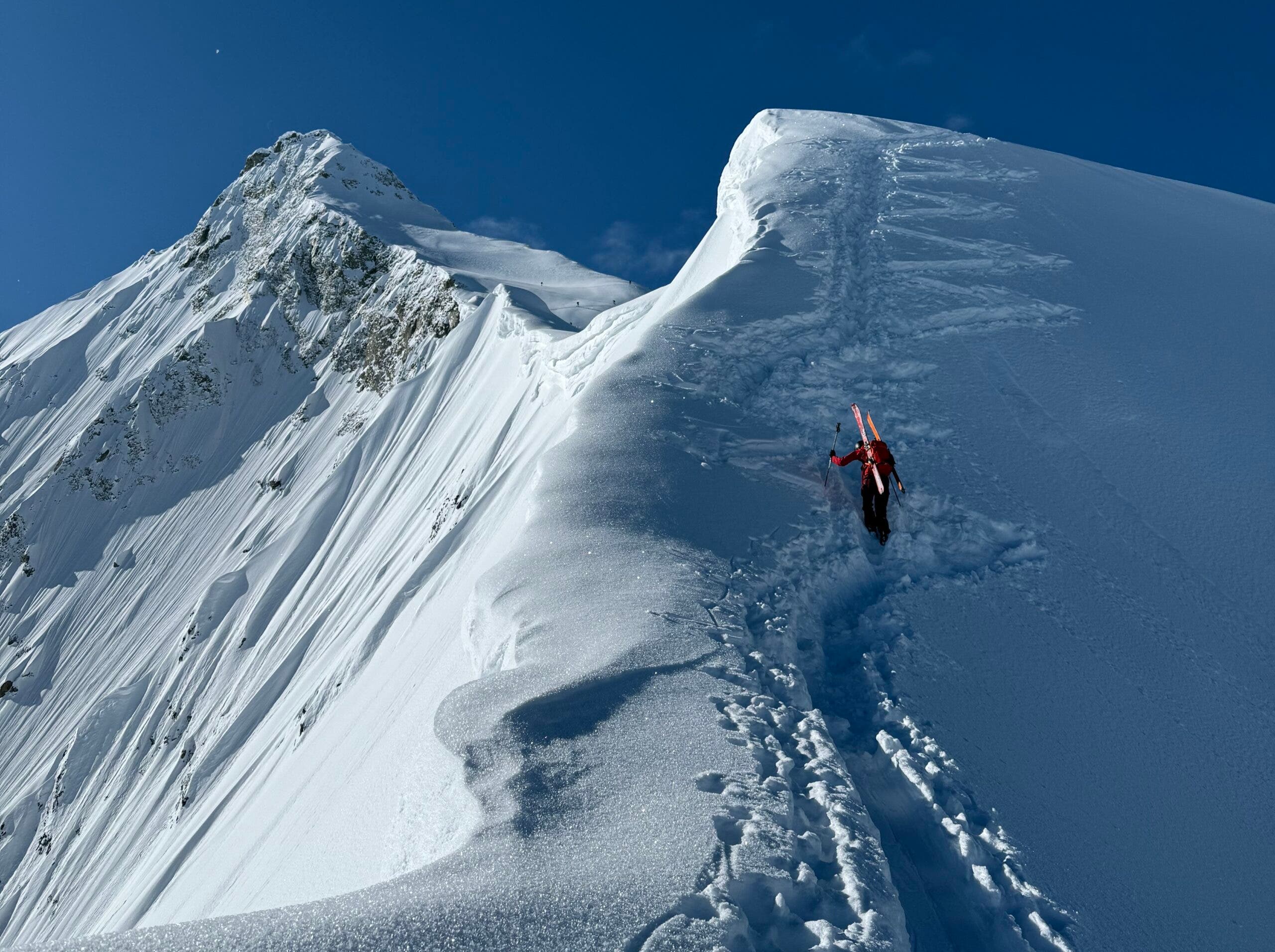
The realization that weight training is a "miracle cure" for ski-related chronic pain has broader implications for the culture of mountain towns. Traditionally, the "ski bum" lifestyle has been associated with a disregard for long-term physical maintenance, often resulting in premature retirement from the sport due to knee or back failures.
As the demographic of active skiers ages, the integration of strength training represents a shift toward "athletic sustainability." The ability to counter the effects of aging through bone density improvement and muscle balance allows participants to extend their skiing careers by decades.
Furthermore, the economic and social impacts are noteworthy. Chronic pain is a leading cause of lost productivity and decreased quality of life in ski-centric communities. By adopting preventative strength regimens, individuals reduce their reliance on the healthcare system and maintain their ability to participate in the local economy and social fabric.
Conclusion and Outlook
The journey from debilitating back spasms to pain-free skiing underscores a fundamental law of physical activity: the body must be prepared for the forces it intends to encounter. For the modern skier, the "equal and opposite reaction" to the joy of a powder day need not be chronic pain. Through the targeted strengthening of the posterior chain and a commitment to professional training standards, the physical "sky" remains the limit for athletes well into their middle age and beyond.
As Franco Morris concludes, most individuals have such significant room for physiological improvement that they can effectively "outsmart" the natural aging process for a considerable period. The prognosis for the informed, strength-trained skier is one of longevity, resilience, and a continued pursuit of the "infinite joy" found on the mountain.

