
The European State of the Climate 2025 report details glaciers shrinking and snow cover declining, highlighting Europe’s status as the fastest warming continent on Earth, heating up at twice the global average rate. This rapid warming is leading to a dramatic reduction in snow and ice cover across the continent, with high air temperatures, prolonged droughts, severe heatwaves, and record-breaking ocean temperatures impacting all regions, including Europe’s iconic mountain ranges. These stark findings are presented in the comprehensive European State of the Climate (ESOTC) 2025 report, a collaborative effort between the European Centre for Medium-Range Weather Forecasts (ECMWF), implementing the Copernicus Climate Change Service, and the World Meteorological Organization (WMO).
The ESOTC 2025 report, released on May 5th, 2026, and last modified on May 8th, 2026, synthesizes the work of approximately 100 leading scientific contributors. It provides a detailed and authoritative overview of critical changes in key climate indicators across Europe, painting a concerning picture of the continent’s environmental trajectory.
Alarming Glacier Retreat and Ice Loss
A central and deeply troubling finding of the ESOTC 2025 report is the widespread and significant loss of glacial ice across all European regions. Glaciers experienced a net mass loss throughout the reporting period, with Iceland recording its second-largest glacier loss on record. This continued trend underscores the profound impact of rising global temperatures on these vital ice reserves.
Beyond the European Alps, the Greenland Ice Sheet, a critical component of the global cryosphere, also suffered substantial ice loss, shedding an estimated 139 gigatonnes (139 billion tonnes) of ice. This figure represents a considerable volume of water, contributing to global sea-level rise and highlighting the interconnectedness of climate impacts across the Arctic and beyond.
Snow Cover Plummets to Record Lows
The decline in snow cover is another prominent and alarming indicator detailed in the ESOTC 2025 report. In March 2025, the snow-covered area in Europe was approximately 1.32 million square kilometers below the historical average. This deficit is staggering, equivalent to the combined landmass of France, Italy, Germany, Switzerland, and Austria. This marked the third-lowest snow extent recorded since meteorological records began in 1983, indicating a clear and persistent trend of diminishing winter snowpack.
The report attributes this significant loss of snow and ice cover in Europe’s mountain ranges to a combination of above-average temperatures and below-average precipitation. These climatic conditions create a feedback loop, where warmer temperatures accelerate snowmelt, and reduced snowfall fails to replenish the depleted snowpack, leading to a cumulative and detrimental effect on winter landscapes.

Direct Impact on European Ski Resorts
The implications of these climate shifts are particularly acute for Europe’s renowned ski industry. The rapid warming and reduction in snow cover have direct and tangible consequences for ski resorts, forcing operational adjustments and raising serious questions about the long-term viability of winter tourism in many areas.
A striking example of this impact is the announcement by the Austrian glacier resort of Hintertux that it would be unable to offer skiing across the summer months. This decision, communicated on the resort’s website, signals a significant departure from previous operational norms. "After that, we’ll enjoy the glacier summer to the fullest off the slopes," the resort stated, acknowledging the changing conditions. PlanetSKI’s own records indicate that summer skiing at Hintertux was still possible in 2023, underscoring the accelerated pace of change in recent years.
This situation at Hintertux is not isolated. The report implicitly acknowledges a pattern of closures and reduced operating seasons at various European ski destinations. Tignes, a French resort that once boasted year-round skiing, ceased its summer operations several years ago due to the escalating impacts of climate change.
Currently, Zermatt in Switzerland stands as one of the few remaining alpine ski areas that can potentially offer summer skiing, contingent upon favorable weather conditions. However, the increasing frequency of operational disruptions at these traditionally reliable locations serves as a potent and visible manifestation of climate change’s reach into everyday life and established industries.
A Continent Warming at an Accelerated Pace
The ESOTC 2025 report firmly reiterates Europe’s position as the fastest warming continent globally. The continent’s average temperature is increasing at a rate approximately twice the global average, a phenomenon that drives the observed changes in its cryosphere and weather patterns.
This accelerated warming trend is not a new development but rather an intensifying reality. Previous iterations of the State of the Climate reports have consistently highlighted this disparity, and the 2025 edition provides further evidence of its persistent and escalating nature. The scientific consensus attributes this amplified warming in Europe to a complex interplay of factors, including changes in atmospheric circulation patterns, feedback mechanisms related to land use, and the continent’s geographical location.
Broader Environmental and Societal Implications
The findings of the ESOTC 2025 report extend far beyond the ski slopes, carrying profound implications for Europe’s environment, economy, and society.
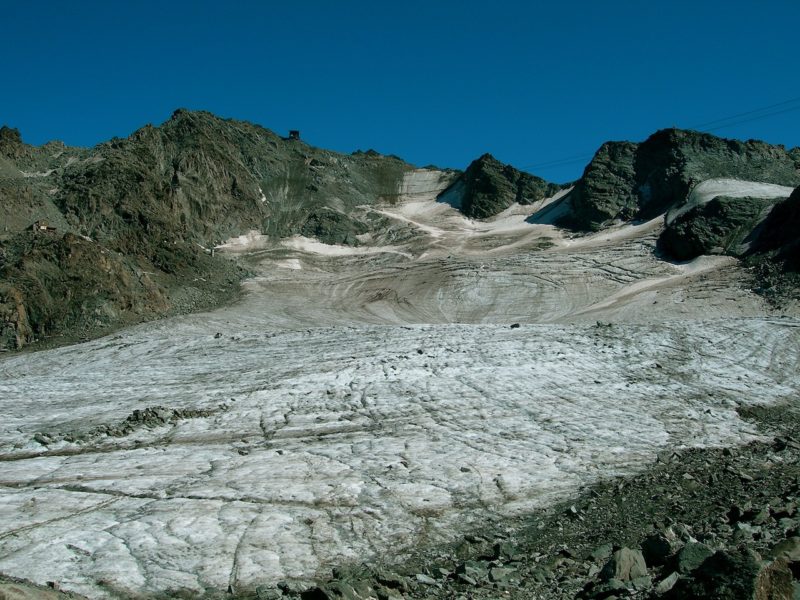
Water Resources: The shrinking glaciers and reduced snowpack have significant implications for freshwater availability across Europe. Glaciers act as natural reservoirs, storing water during winter and releasing it gradually during the warmer months, feeding rivers and supporting agriculture, hydropower, and ecosystems. Their diminishing size threatens long-term water security in many regions, particularly those reliant on glacial meltwater.
Ecosystems: Changes in temperature and precipitation patterns, coupled with the loss of ice and snow, profoundly affect terrestrial and aquatic ecosystems. Alpine flora and fauna, adapted to specific cold environments, face habitat loss and increased competition from species migrating from lower altitudes. Rivers fed by glacial melt may experience altered flow regimes, impacting fish populations and aquatic life.
Natural Hazards: The report’s mention of heatwaves and drought highlights an increased risk of natural hazards. Higher temperatures exacerbate drought conditions, increasing the likelihood and intensity of wildfires, particularly in southern Europe. Changes in snow cover and permafrost thaw can also influence the risk of landslides and debris flows in mountainous regions.
Economic Impacts: Beyond the direct impact on winter tourism, the broader economic consequences are substantial. Agriculture, a sector heavily influenced by weather patterns and water availability, faces challenges from drought and unpredictable rainfall. Energy production, particularly hydropower, can be affected by altered river flows. Furthermore, the costs associated with adapting to and mitigating the impacts of climate change are expected to rise significantly.
Societal Adaptation: The report implicitly calls for enhanced adaptation strategies across Europe. This includes investing in water management infrastructure, developing drought-resistant agricultural practices, implementing early warning systems for extreme weather events, and supporting communities heavily reliant on climate-sensitive industries.
Official Responses and Scientific Consensus
The collaboration between the ECMWF and the WMO in producing the ESOTC report underscores the seriousness with which these international bodies view the climate crisis in Europe. Representatives from both organizations have consistently emphasized the need for urgent action based on robust scientific data.
While specific direct quotes from officials regarding the 2025 report are not provided in the initial excerpt, the consistent messaging from the WMO and Copernicus Climate Change Service highlights a commitment to informing policymakers and the public about the unfolding climate reality. Their publications serve as crucial evidence bases for international climate negotiations and national policy development.

The scientific community broadly supports the findings presented in the ESOTC reports. The consensus among climate scientists is that human-induced greenhouse gas emissions are the primary driver of the observed warming trends and their associated impacts. The ESOTC 2025 report adds further weight to this scientific understanding by providing detailed, continent-specific data and analysis.
Looking Ahead: The Urgency of Climate Action
The European State of the Climate 2025 report serves as a stark and undeniable testament to the accelerating pace of climate change across the continent. The vanishing glaciers, diminished snow cover, and the direct impacts on iconic European landscapes and industries are not abstract future threats but present-day realities.
The data presented in the report, compiled by a vast network of scientific experts, leaves little room for doubt regarding the severity of the situation. The fact that Europe is warming at twice the global average rate demands a proportionate and urgent response. This necessitates not only a concerted effort to reduce greenhouse gas emissions globally but also robust and immediate adaptation strategies to cope with the changes already underway.
The implications for future generations are profound. The continued degradation of natural resources and the increased frequency of extreme weather events pose significant challenges to Europe’s environmental sustainability, economic stability, and social well-being. The ESOTC 2025 report is a critical call to action, urging a reevaluation of current policies and a renewed commitment to addressing the climate crisis with the urgency it demands. The future of Europe’s landscapes, its ecosystems, and its way of life depend on the decisions made today.

