
Sturla Holm Lægreid, a biathlete renowned for his almost flawless shooting, experienced an unusual number of misses during a recent training session, not on the familiar snow-covered shooting range, but on a new terrain: the orienteering course. The Norwegian biathlon star, typically a picture of precision, found himself grappling with uncharacteristic errors, a situation that provided valuable insights for both himself and the Norwegian orienteering national team. This unique collaboration, held in Oslo, offered a fresh perspective on the mental and physical demands of elite sports, highlighting the transferable skills and challenges across disciplines.
The incident occurred during a joint training camp where Lægreid, accustomed to the intense focus required for biathlon’s shooting stages, was introduced to the dynamic challenges of orienteering. While his skiing prowess is undeniable, the precise control needed for orienteering, which involves navigating varied terrain and making rapid decisions, presented a different kind of test. Lægreid himself admitted to being "too eager at the start and lost control," leading to a "star miss" – a term often used in biathlon to describe a significant error. This uncharacteristic lapse underscored the inherent difficulties of adapting to a new sporting environment, even for an athlete of his caliber.
A New Arena, New Challenges
For Lægreid, the experience was a stark departure from his usual training regime. While he typically excels under pressure on the biathlon range, the demands of orienteering, with its emphasis on constant navigation and physical exertion, proved to be a different kind of adversary. "For the most part, I stayed behind and just followed," Lægreid explained. "But I was supposed to lead on one leg, and that’s when it went wrong." This desire to take the lead, a natural inclination for a competitor, perhaps contributed to his uncharacteristic errors in this unfamiliar discipline.
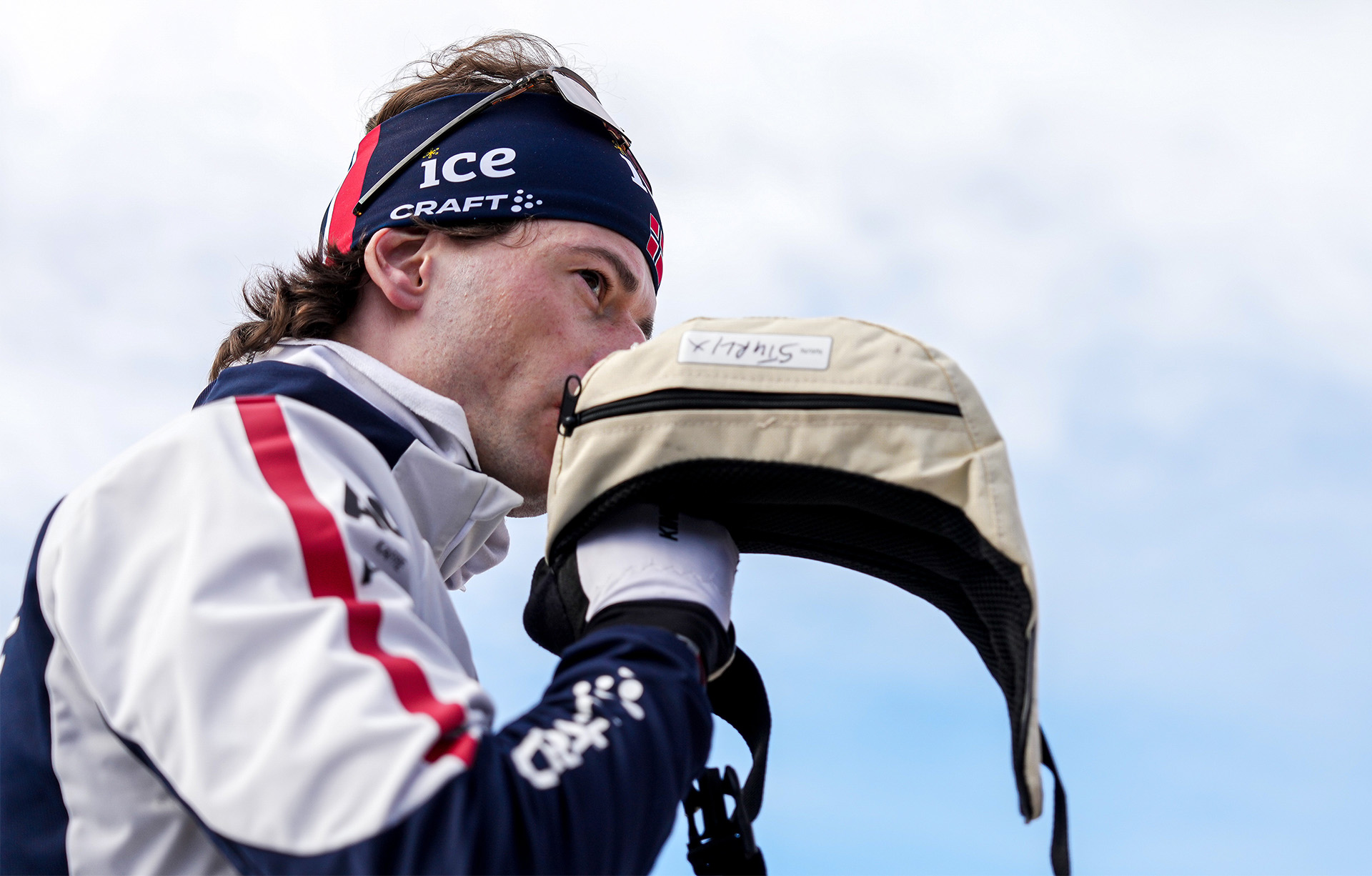
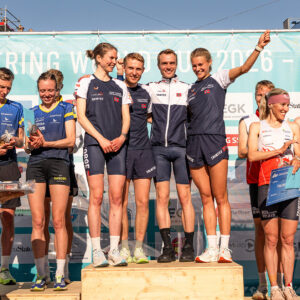
The presence of Lægreid, a household name in Norwegian sports, was a significant event for the Norwegian orienteering national team. Athletes like Kasper Fosser and Pia Young Vik, while accomplished in their own right, typically receive less media attention than the biathlon star. The collaboration offered a unique opportunity for the orienteering team to gain exposure and for Lægreid to engage with a different sporting community. The initiative aimed to foster cross-disciplinary learning and to highlight the shared principles that underpin success in various high-performance sports.
The Strategic Alliance: More Than Just a Training Session
The collaboration between Lægreid and the orienteering national team was not merely a publicity stunt or a casual training exchange. It was built on a foundation of shared athletic principles, particularly the critical ability to maintain concentration under extreme physical duress. Lægreid, drawing from his extensive experience in biathlon, was able to offer valuable insights into managing mental fatigue and sustaining focus after expending maximum effort.
Biathlon, a sport that combines cross-country skiing with rifle shooting, demands an extraordinary level of mental fortitude. Athletes must transition from intense physical exertion, which elevates heart rate and breathing, to a state of calm precision for shooting. Similarly, orienteering requires athletes to make split-second decisions and navigate complex routes while their bodies are pushed to their limits. The ability to control breathing, calm the nervous system, and execute technically demanding tasks under fatigue is a common thread that connects these seemingly disparate sports.
Lægreid’s expertise in this area was particularly relevant. He shared his strategies for mental recovery and focus, knowledge that could be directly applied by the orienteering athletes. This reciprocal learning environment allowed both parties to benefit from each other’s unique experiences and expertise, aiming to enhance performance and resilience in their respective disciplines.
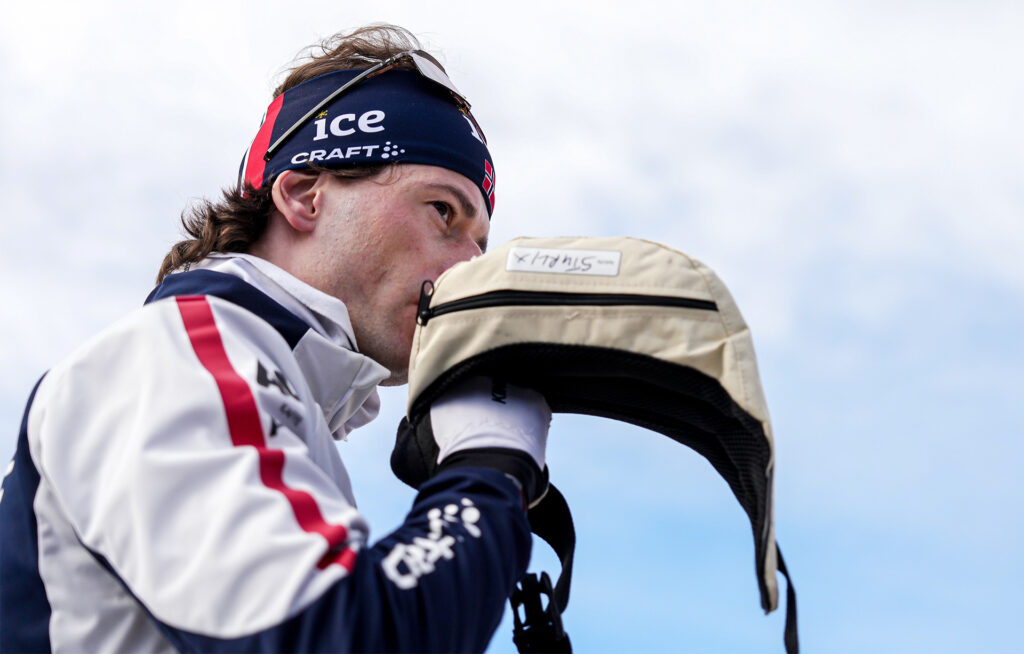
Data and Context: Lægreid’s Shooting Prowess
To fully appreciate the significance of Lægreid’s misses, it’s crucial to understand his exceptional track record in biathlon shooting. Throughout his career, Lægreid has consistently ranked among the top shooters in the International Biathlon Union (IBU) World Cup. His accuracy is a defining characteristic, often setting him apart from his competitors and contributing significantly to his race victories.
For instance, in the 2022-2023 IBU World Cup season, Lægreid’s shooting percentage on the prone position was an astounding 93.5%, and on the standing position, it was 90.2%. These figures are exceptionally high, demonstrating a level of consistency that few athletes can match. His ability to shoot clean, meaning no misses, is a frequent occurrence, and his penalty loops (which result from missed targets) are often few and far between. This unparalleled precision has earned him the nickname "The Machine" among fans and media.
In contrast, the "star miss" Lægreid experienced during the orienteering training was not an isolated incident within that specific session. The article implies he had more misses than other participants in that particular orienteering exercise, suggesting a learning curve associated with the new sport. While the exact number of misses in the orienteering context isn’t provided, the emphasis is on the rarity of such an occurrence for Lægreid in any shooting-related activity.
The Chronology of the Collaboration
While the exact date of the training session is not specified, it is presented as a recent event. The collaboration likely occurred during the off-season or a period of lighter competition for Lægreid, allowing him the time and flexibility to participate in such a cross-sport initiative. The training took place in Oslo, a natural hub for both elite sports training and national team activities in Norway.
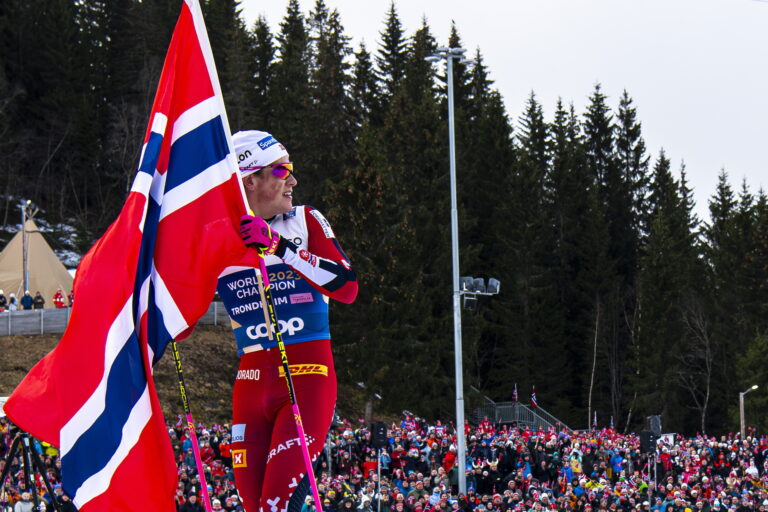
The timeline of events within the training session, as described by Lægreid, suggests a progression from observation to active participation. Initially, he adopted a more passive role, observing and learning from the orienteering athletes. However, when he took the initiative to lead on a specific leg of the course, the challenging demands of the sport became apparent, leading to his uncharacteristic errors.
This experience can be viewed as a micro-chronology of learning and adaptation. It highlights the initial stages of skill acquisition, where an athlete might rely on existing strengths (like physical fitness), followed by the inevitable challenges of mastering new technical and cognitive demands. The subsequent sharing of insights with the orienteering team suggests a debriefing or reflection phase, where lessons learned are processed and disseminated.
Official Responses and Inferred Reactions
While direct quotes from the coaches or other members of the Norwegian orienteering team are not included in the provided text, it is highly probable that their reaction to Lægreid’s participation was overwhelmingly positive. The opportunity to train alongside and learn from one of Norway’s most successful biathletes would have been a significant morale booster and a valuable learning experience for their athletes.
The article states that for the orienteering team, it was "big to have the star with them on training." This suggests an appreciation for Lægreid’s willingness to step outside his comfort zone and engage with their sport. The exchange was mutually beneficial, providing Lægreid with a novel challenge and the orienteering team with access to elite sports knowledge and increased visibility.
One can infer that the orienteering coaches would have recognized the inherent difficulties Lægreid faced. They would likely have seen his "star miss" not as a failure, but as a natural part of the learning process in a new sport. Their focus would have been on the positive aspects of the collaboration, such as the shared learning and the potential for improved performance for both disciplines.
Broader Impact and Implications
The collaboration between Sturla Holm Lægreid and the Norwegian orienteering national team carries broader implications for the world of elite sports. It underscores the growing recognition that while specific techniques may differ, the underlying principles of high-performance athleticism – discipline, focus, mental resilience, and strategic planning – are universal.
This interdisciplinary approach can foster innovation and cross-pollination of ideas. By exposing athletes to different training methodologies and competitive environments, sports organizations can unlock new avenues for development and performance enhancement. For Lægreid, the experience serves as a reminder that even the most accomplished athletes can benefit from challenging themselves in new ways. It can lead to a deeper understanding of their own strengths and weaknesses and potentially refine their mental preparation for their primary sport.
For the orienteering team, the collaboration provides a tangible benefit in terms of shared expertise and a potential increase in public interest. As the article mentions, Lægreid normally receives much more PR and attention than the orienteering athletes. This partnership could help elevate the profile of orienteering in Norway and inspire a new generation of athletes.
Furthermore, the article hints at a practical application of this collaboration: "Hopefully, the cooperation will lead to neither the biathletes nor the orienteering athletes missing next time." This suggests a forward-looking perspective, where the lessons learned from this joint training are expected to translate into improved performance in future competitions for both sports. The ability to maintain concentration under fatigue, a key takeaway from Lægreid’s insights, is directly applicable to both biathlon shooting and crucial moments in an orienteering race.
This initiative also aligns with a broader trend in sports psychology and performance coaching, which emphasizes the transferability of mental skills. The ability to remain calm under pressure, manage self-doubt, and execute complex tasks with precision are skills that can be honed and applied across a wide range of demanding activities. Lægreid’s experience, therefore, serves as a compelling case study in the interconnectedness of elite athletic development.
Conclusion: A Learning Curve for the Best
Sturla Holm Lægreid’s uncharacteristic misses during his foray into orienteering training highlight a fundamental truth about elite sports: mastery in one discipline does not automatically translate to effortless success in another. While his reputation as a near-perfect shooter in biathlon is well-deserved, the dynamic and demanding nature of orienteering presented a unique set of challenges. His admission of being "too eager" and losing control points to the psychological and strategic adjustments required when stepping into unfamiliar territory.
However, the true value of this event lies not in the few misses, but in the collaborative spirit and the insights gained. The partnership between Lægreid and the Norwegian orienteering national team exemplifies a progressive approach to athlete development, emphasizing the shared principles of mental fortitude, strategic thinking, and resilience. By sharing his expertise on maintaining focus under duress, Lægreid provided the orienteering athletes with valuable tools, while simultaneously experiencing the learning curve of a new sport himself. This mutual exchange is likely to foster stronger performances for both disciplines, proving that even the most accomplished athletes can find new frontiers for growth and discovery. The hope is that this cross-sport collaboration will indeed lead to fewer missed targets, whether on the biathlon range or the orienteering course, for all involved.

