
The closure of the Horstman Glacier for summer skiing operations at Whistler Blackcomb marks a significant turning point in the history of North American alpine sports, signaling a shift from a seasonal challenge to a permanent environmental reality. For Mike Douglas, a professional Salomon athlete often referred to as the "Godfather of Freeskiing," the glacier was once the epicenter of a burgeoning freestyle movement. During the 1990s, the Horstman Glacier served as a high-altitude training ground where the world’s elite gathered during the summer months to hone their skills. Today, that proving ground has largely vanished, with summer skiing suspended indefinitely due to rapid glacial recession. This development serves as the catalyst for a broader industry-wide movement led by Salomon and the advocacy group Protect Our Winters (POW), which seeks to transition the outdoor industry from passive awareness to systemic corporate and political action.
The Evolution of the Horstman Glacier: A Chronology of Decline
To understand the gravity of the current situation, one must look at the historical significance of the Horstman Glacier within the context of British Columbia’s outdoor culture. In the 1980s and 1990s, the glacier was a year-round hub. It hosted the legendary Camp of Champions and various mogul and freestyle programs that defined the "New School" skiing movement. Mike Douglas, working and training at Whistler Blackcomb during this era, witnessed a landscape that seemed immutable. The glacier provided a reliable snowpack that allowed for year-round employment for mountain staff and year-round training for athletes.
However, the timeline of the glacier’s decline reflects a broader global trend of warming temperatures in high-altitude environments. By the early 2000s, the retreating ice forced resort operators to install specialized snowmaking equipment and "snow farming" techniques to preserve the summer skiing lanes. Despite these efforts, the structural integrity of the glacier continued to weaken. In 2020, the Horstman T-bar—a lift that had operated for decades—was permanently removed because the ice beneath it had thinned to the point where it could no longer support the machinery. In 2023, Whistler Blackcomb officially announced that summer skiing would be suspended indefinitely, citing the safety of participants and the unsustainable cost of maintaining a viable snow surface on a dying glacier.
Scientific Context and Regional Environmental Data
The disappearance of the Horstman Glacier is not an isolated event but a localized manifestation of a regional crisis. According to studies published by the University of Northern British Columbia and the University of British Columbia, glaciers in Western Canada are projected to lose between 70% and 90% of their volume by the year 2100 if current greenhouse gas emission trajectories continue.
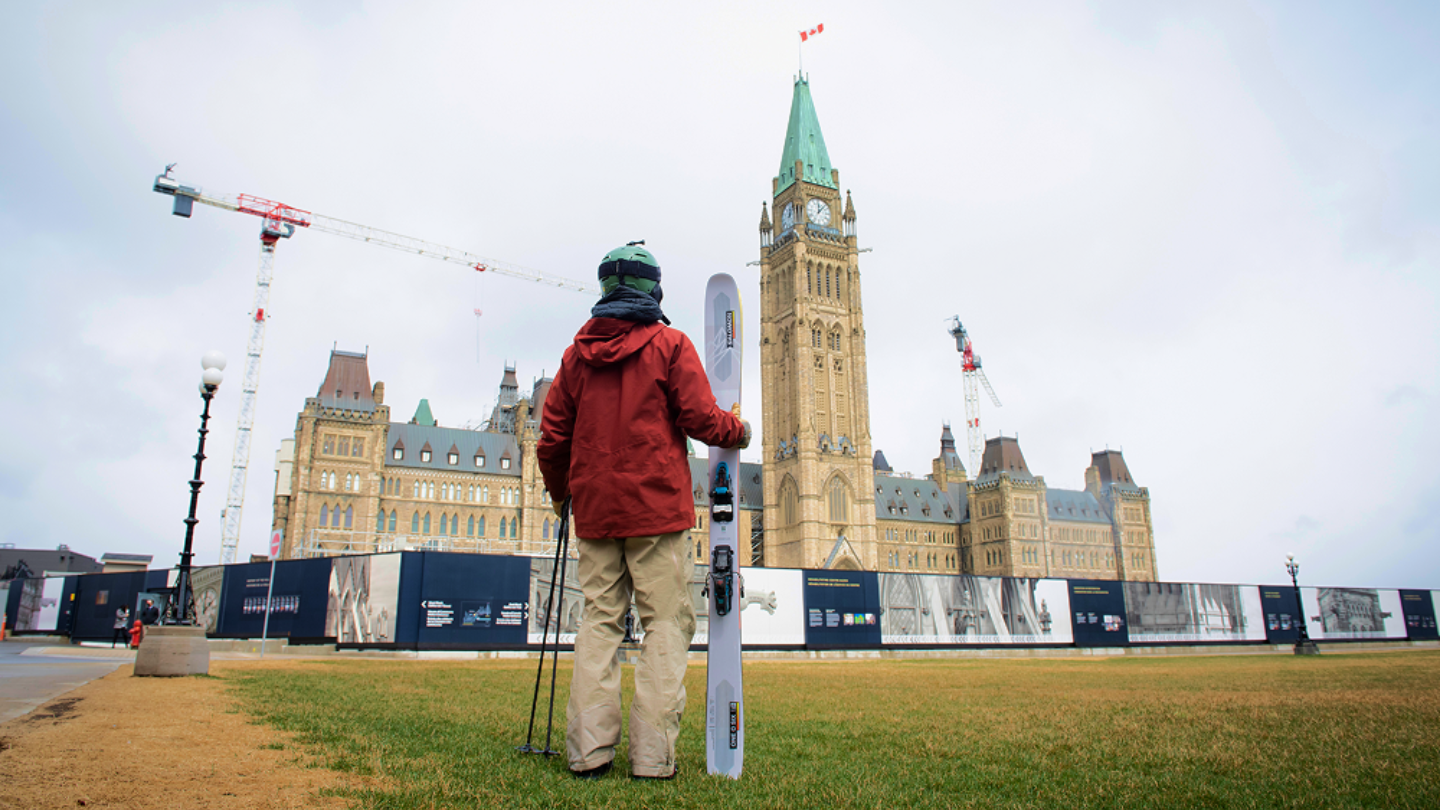
Data from the Pacific Climate Impacts Consortium (PCIC) indicates that average annual temperatures in the Whistler region have risen significantly over the last three decades. This warming trend has led to a higher "freezing level," meaning that precipitation that once fell as snow is increasingly falling as rain, even during the winter months. This "rain-on-snow" phenomenon accelerates the melting of existing snowpacks and glaciers. For the outdoor industry, this translates to shorter winter seasons and the total loss of summer operations, which were once a critical revenue stream for mountain communities.
Corporate Responsibility and the Salomon Sustainability Framework
In response to these environmental shifts, Salomon, a global leader in winter sports equipment, has undergone a fundamental restructuring of its business model. The company recognizes that the survival of the skiing industry is inextricably linked to climate stability. Salomon’s commitment is codified in its "Change our Play" initiative, which focuses on three primary pillars: responsible manufacturing, supply chain transparency, and athlete-led advocacy.
One of the most significant shifts in Salomon’s operations is the move toward a circular economy. The brand has introduced products like the Index.01, a fully recyclable running shoe, and is applying similar principles to its hard goods. In the manufacturing of skis and snowboards, the brand is increasingly utilizing bio-based resins, recycled edges, and sustainably sourced wood cores.
Mike Douglas plays a pivotal role in this corporate evolution. As a liaison between the engineering teams at Salomon’s headquarters in Annecy, France, and the practical realities of the professional skiing world, Douglas provides feedback on how sustainable materials perform under extreme conditions. The objective is to achieve a "net-zero" footprint without compromising the high-performance standards required by professional athletes. This includes a rigorous analysis of the "Scope 3" emissions—the indirect emissions that occur in a company’s value chain, including the transportation of athletes and equipment to remote locations.
The Partnership with Protect Our Winters (POW)
The collaboration between Salomon and Protect Our Winters (POW) represents a strategic alliance designed to turn cultural influence into political leverage. POW, founded by professional snowboarder Jeremy Jones in 2007, has evolved into a sophisticated advocacy group that focuses on non-partisan climate policy. Mike Douglas joined the POW Canada Alliance in 2018, bringing a veteran’s perspective to the organization’s mission.
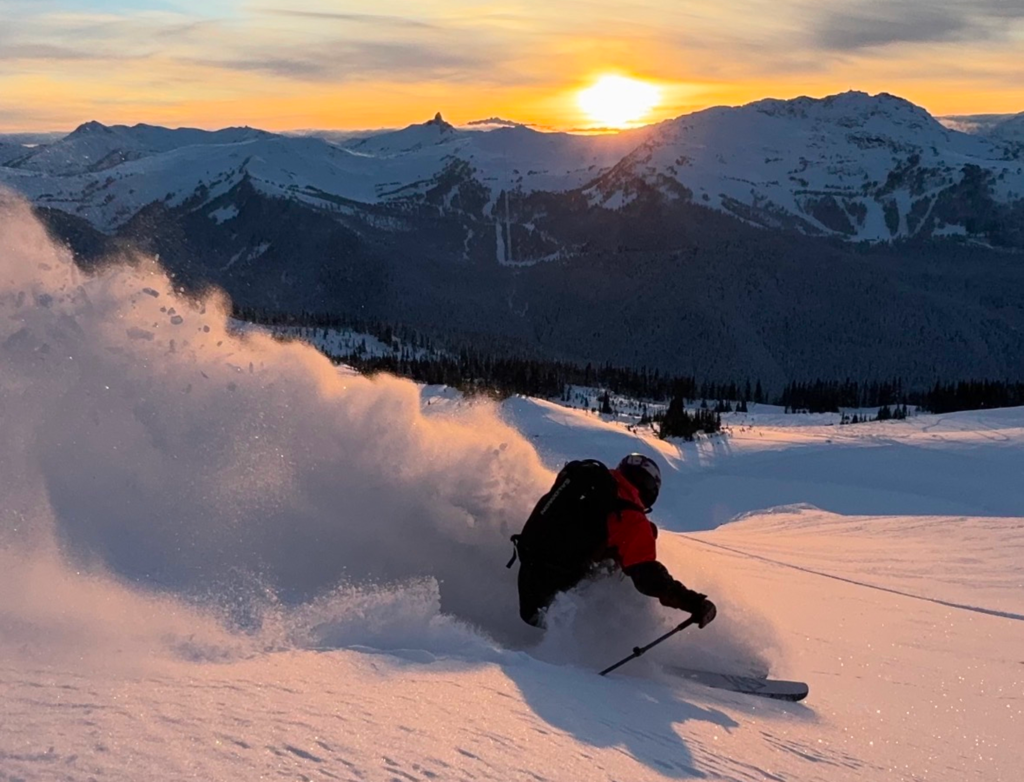
The partnership operates on several levels:
- Athlete Training: POW provides athletes with the tools and data necessary to speak authoritatively on climate science. This moves athletes beyond "awareness" and into the realm of "advocacy," allowing them to engage with policymakers and corporate boardrooms.
- The Quality Ski Time (QST) Tour: This initiative combines the promotion of skiing culture with environmental education. By hosting community events, Salomon and POW create a platform for discussing local climate impacts and encouraging civic engagement.
- Film and Media Production: Through Douglas’s production company, Switchback Entertainment, the partnership produces documentary content that highlights the changing mountain landscape. These films reach millions of viewers, framing climate change not as an abstract threat but as a direct challenge to the sports they love.
Economic Implications for the Winter Sports Industry
The economic stakes of climate change for the outdoor sector are substantial. In the United States and Canada, the winter sports industry contributes billions of dollars to the annual GDP and supports hundreds of thousands of jobs in rural mountain communities. A report by POW and REA (Resource Systems Group) estimated that during low-snow years, the U.S. ski industry loses over $1 billion in revenue and more than 17,000 jobs.
For brands like Salomon, climate action is a matter of long-term viability. As snow lines move higher and seasons become more volatile, the market for traditional winter sports equipment faces a natural contraction. By leading the charge in sustainability, Salomon is attempting to future-proof its business while simultaneously protecting the environment that its products are designed for. This dual focus on "integrity and character," as Douglas describes it, is becoming a requirement for brands seeking to maintain consumer loyalty in an increasingly eco-conscious market.
Broader Impact and the Future of Winter Advocacy
The loss of the Horstman Glacier serves as a stark reminder that the "window for action," as Mike Douglas emphasizes, is narrowing. The outdoor industry is uniquely positioned to lead on climate issues because its participants are first-hand witnesses to the changing environment. Unlike other sectors where the effects of climate change might be obscured by urban infrastructure, the mountain environment provides an immediate and undeniable visual record of warming.
The industry-wide reality is that individual actions, such as recycling or reducing personal carbon footprints, while important, are insufficient to address the scale of the crisis. The shift toward "corporate action and collective responsibility" represents the next phase of the movement. This involves lobbying for clean energy legislation, supporting carbon pricing, and demanding transparency in global supply chains.

The Salomon and POW partnership provides a blueprint for how other industries might approach environmental challenges. By integrating advocacy into the core business model and empowering high-profile ambassadors to speak on behalf of the planet, the outdoor industry is attempting to leverage its cultural capital to drive systemic change.
As the 2024-2025 winter season approaches, the industry’s focus remains on the "all-hands-on-deck" approach advocated by Douglas and his peers. The goal is no longer just to find the next powder day, but to ensure that the concept of a "powder day" remains a reality for future generations. The closure of the Horstman Glacier is a eulogy for the way things were, but for Salomon and Protect Our Winters, it is also a call to action for what must come next. The transition from the 1990s era of exploration to the modern era of preservation marks the most critical descent the skiing world has ever faced.

