
The upcoming season for Team Burger King Northug, featuring Swedish cross-country skier Hedda Bångman, was far from a guaranteed continuation. Petter Northug, the team’s figurehead and founder, has disclosed the initial reservations Bångman held when approached about joining his burgeoning professional outfit. This revelation sheds light on the meticulous process Northug undertook to build trust and demonstrate the serious athletic ambitions underpinning his team, often perceived by the public through the lens of his own celebrity status.
Bångman, who joined the team last year, expressed significant skepticism about the project during their initial discussions. Northug recounted to Nettavisen that Bångman was uncertain about the nature of the venture. "When we first spoke with Hedda, we were told she wasn’t entirely sure what this was," Northug stated, indicating a need for him to invest considerable effort in persuading her of the team’s legitimacy and commitment to elite performance.
The Swedish skier, a former member of the Swedish junior national team and a participant in World Cup races, reportedly posed critical questions before committing. Her primary concern revolved around the team’s identity: "Is it a partnership with Petter, where they’re just going to play around and have fun? Or is it a professional team?" This inquiry underscores a common perception of Northug’s post-skiing career ventures, which often blend athletic pursuits with media and entertainment elements. Bångman’s questioning aimed to ascertain whether the team offered a serious platform for her to achieve her own athletic aspirations, rather than simply being an extension of Northug’s public persona.
The "Sirkus-Northug" Concern and Team Composition
The apprehension voiced by Bångman can be attributed to the "Sirkus-Northug" phenomenon, a colloquial term reflecting Northug’s larger-than-life presence and the often-unconventional marketing strategies associated with his brand. While Northug has established a reputation for his audacious personality and successful career, the transition to team management required him to actively dismantle any notion that Team Burger King Northug was merely a recreational club.
For the 2026-27 season, Team Burger King Northug comprises a diverse roster. On the women’s side, Bångman is joined by Maren Engeskaug Nielsen and Fanny Endresen, forming a core group of female athletes. The men’s division is more extensive, with six skiers, four of whom are also prominent social media influencers. Emil Gukild and Magnus Waaler are returning from the previous season, alongside Northug himself. A notable new addition is Iver Anton Kronstad, a 26-year-old profile in Hyrox and Norseman events, boasting a significant following of 180,000 social media followers. His signing further exemplifies the team’s strategy of integrating athletes with strong digital presences.
However, even the influencer contingent did not immediately embrace Northug’s proposals. Magnus Waaler, for instance, revealed that he requested time to consider the offer from the skiing icon before accepting it last year. "I said it was interesting, but I wasn’t entirely sure what his offer actually meant," Waaler explained to Langrenn.com. "So I started to prepare myself a bit around what it’s like to be on a team with him." It was only after he concluded that the sporting program was "rock solid" that Waaler decided to join. This indicates a deliberate vetting process by potential team members, seeking reassurance about the team’s operational structure and performance focus.
Hedda Bångman’s Athletic Trajectory and Team Contribution
Hedda Bångman’s athletic background provides crucial context for her initial skepticism and subsequent commitment. As a junior, she was recognized as one of the world’s top talents, spending several years on the Swedish junior national team. Her resume includes appearances in numerous World Cup races for Sweden, establishing her as a skier with significant potential at the elite level.
Last year, Bångman transitioned to Northug’s team after two seasons with the Czech cross-country ski team, Ed System Vlatava Fund Team. Her objective was to find a team that could elevate her performance and propel her towards victory in long-distance skiing. According to Northug, Bångman is among the most dedicated athletes on the team, consistently demonstrating a high training volume.
Her performance in the previous winter season of Ski Classics supports this claim. Bångman secured tenth place overall in the Ski Classics standings, narrowly missing out on ninth place by a single point, which was held by fellow Swede and superstar Stina Nilsson. Furthermore, she came within five seconds of winning one of the individual races, a testament to her competitive spirit and improved form.
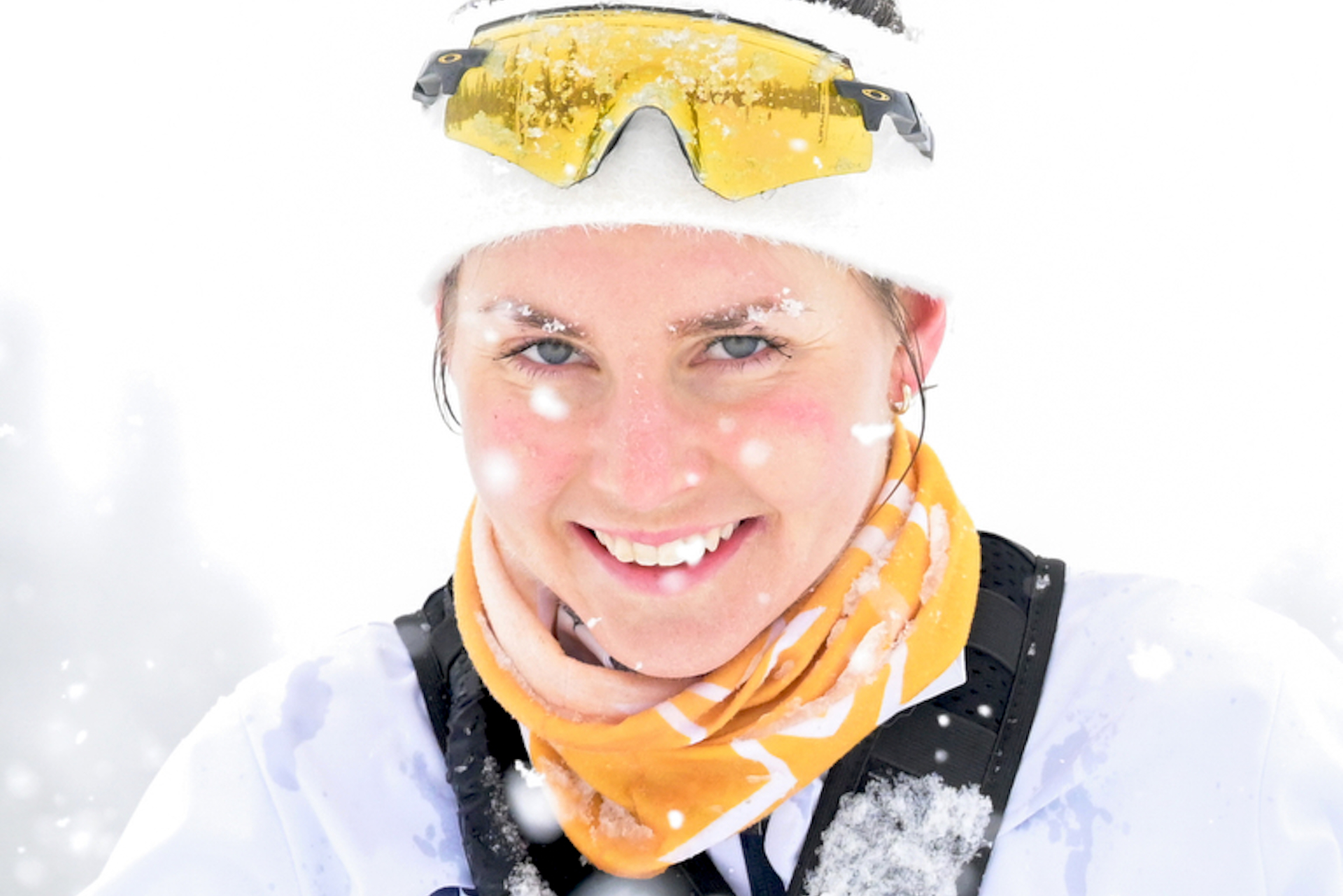
This impressive performance was achieved despite a challenging start to her season. Bångman was sidelined by a serious cycling accident that occurred during a crucial training period. The incident highlighted her resilience and determination to overcome adversity in pursuit of her athletic goals. The fact that she could still achieve such results underscores the effectiveness of the training and support structures within Team Burger King Northug, even with its unconventional branding.
Team Burger King Northug: A Look at the Roster and Departures
The confirmed roster for Team Burger King Northug for the 2026-27 season showcases a blend of established and emerging talent, alongside individuals with strong social media influence. The full lineup includes:
- Hedda Bångman
- Fanny Andresen
- Maren Nielsen
- Petter Northug
- Emil Gukild
- Iver Anton Kronstad
- Magnus Waaler
- Leopold Strand
- Henrik Joks
This composition reflects a strategic approach to team building, combining traditional athletic merit with the modern demands of visibility and brand engagement in professional sports. The inclusion of multiple influencers suggests a deliberate effort to leverage social media platforms for marketing, fan engagement, and potentially, recruitment.
The team has also seen departures from the previous season. On the women’s side, Julie Victoria Berg and Lisa Vinsa are no longer part of the roster. Similarly, Joar Thele and Daniel Stock have exited the men’s team. These changes are a natural part of team evolution, often driven by performance considerations, individual career paths, or strategic realignments. The stability of key athletes like Bångman and Waaler, alongside Northug’s continued involvement, suggests a core foundation remains in place.
The Strategic Vision of Team Burger King Northug
Petter Northug’s venture into team management represents a significant shift from his career as an individual athlete. While his skiing achievements are legendary, his current focus appears to be on cultivating a new generation of athletes and navigating the evolving landscape of professional sports, where digital presence and brand partnerships are increasingly critical.
The initial skepticism from athletes like Bångman and Waaler is a crucial piece of context. It indicates that Northug and his team have had to work diligently to establish credibility beyond his personal brand. The success of this endeavor hinges on proving that Team Burger King Northug is not merely a publicity stunt but a legitimate training and competitive environment capable of fostering athletic growth and achieving measurable results.
The inclusion of athletes with strong social media followings is a calculated risk and a forward-thinking strategy. In an era where traditional media coverage can be limited, and fan engagement is paramount, these athletes can act as powerful ambassadors for the team. Their ability to connect with audiences online can translate into increased visibility, sponsorship opportunities, and a broader appeal for the sport itself.
Analysis of Implications
The continued participation of Hedda Bångman in Team Burger King Northug, despite her initial doubts, suggests a positive trajectory for the team’s athletic program. Her strong performance in Ski Classics, even after a significant setback, indicates that the training and support provided are effective. This will likely attract further interest from other aspiring skiers who are seeking a competitive environment that also offers modern branding and promotional opportunities.
For Petter Northug, the success of Team Burger King Northug is not just about his personal legacy but also about demonstrating a viable model for sports teams in the digital age. His ability to blend athletic rigor with innovative marketing strategies could serve as a blueprint for other athletes and organizations looking to adapt to the changing media landscape. The team’s model, while unconventional, appears to be gaining traction, as evidenced by the retention of key athletes and the expansion of its roster.
The ongoing development of Team Burger King Northug will be closely watched by the cross-country skiing community and the wider sports industry. Its ability to consistently produce competitive athletes while maintaining a strong brand presence will be the ultimate measure of its success and its potential to influence the future of sports team management. The initial hurdles in convincing athletes of its seriousness appear to have been overcome, paving the way for a potentially impactful future.

