
After a storied 15-year partnership that yielded three Olympic gold medals and a total of five Olympic accolades, Finnish cross-country skiing icon Iivo Niskanen will no longer be sponsored by Fischer. The confirmation came from Pader Planting, the head of Fischer’s Finnish import division, who spoke to Finnish media outlets, citing financial considerations as the primary reason for the non-renewal of their contract.
"We do not have the capacity to pay what Iivo is asking," Planting stated in an interview with Yle. He further elaborated, "We are satisfied with what Iivo has achieved during his time with Fischer, but we have seen this coming for some time." This decision marks a significant turning point for Niskanen, who has relied on Fischer skis for the entirety of his illustrious Olympic career.
A Legacy Forged on Fischer Skis
The relationship between Iivo Niskanen and Fischer officially began in 2011, a collaboration that spanned over a decade and a half and became synonymous with his groundbreaking achievements on the international stage. During this period, Niskanen secured all five of his Olympic medals, including the coveted gold in the 15km classic at the 2014 Sochi Winter Olympics, the 50km classic at the 2018 PyeongChang Games, and another gold in the 50km classic at the 2022 Beijing Olympics. His prowess on Fischer equipment also led to multiple World Championship medals and numerous World Cup victories, solidifying his status as one of the sport’s elite athletes.
The partnership’s conclusion comes at a critical juncture for Niskanen, who has faced periods of fluctuating form and illness in recent seasons. Notably, he was forced to miss the entire 2023 World Ski Championships held in Trondheim due to health issues. His most recent Olympic appearance in Beijing, while still yielding strong results, was also hampered by a persistent viral infection that affected his performance. He finished 17th in the skiathlon and fourth in the relay, a testament to his resilience in the face of adversity, but not the triumphant campaign he likely envisioned. His World Cup season this past winter saw a single podium finish: a second place in the 10km classic in Oberhof in January.
The Challenge of Starting Anew
In elite cross-country skiing, the importance of high-performance skis cannot be overstated. The advent of the ban on fluorinated waxes has further amplified the differences between ski setups, making the selection and tuning of equipment an even more critical factor in achieving success. Ski technicians, wax experts, and product developers dedicate countless hours to rigorous testing and analysis to identify the optimal pairs of skis for various racing conditions. Athletes often possess a collection of "gold standard" pairs, meticulously chosen to perform under specific environmental circumstances.
For Niskanen, the end of his long-standing relationship with Fischer necessitates a complete overhaul of his equipment strategy. He must now embark on the arduous process of building an entirely new ski fleet from scratch. This involves extensive testing, collaboration with new suppliers, and the development of a fresh understanding of how different ski models perform under a wide range of snow and temperature conditions. This task is not merely about acquiring new skis; it’s about re-establishing a crucial element of his competitive edge, a process that can take considerable time and resources.
A report from langrenn.com previously highlighted the significant undertaking involved in changing ski brands, with athletes potentially needing to test between 40 to 50 pairs of skis to find suitable replacements. This underscores the depth of the challenge Niskanen faces as he prepares for future competitions.
A Season of Significant Transitions
The change in ski sponsorship is not the only major transition on the horizon for Iivo Niskanen. After several seasons of operating as a privately funded athlete, Niskanen has recently rejoined the Finnish national team. This significant development occurred earlier in the week, just days after the acclaimed Swedish coach Joakim Abrahamsson took the helm as the head coach of the Finnish cross-country ski team.
The Finnish Ski Association has undertaken a comprehensive restructuring of its national team coaching staff for the current season. In addition to the appointment of Abrahamsson, the team will also benefit from the expertise of the highly successful Norwegian coach Hans Kristian Stadheim, who has joined the men’s national team. This influx of new coaching talent and the return to a more centralized team structure signal a renewed focus on optimizing athlete performance and support within the Finnish camp.
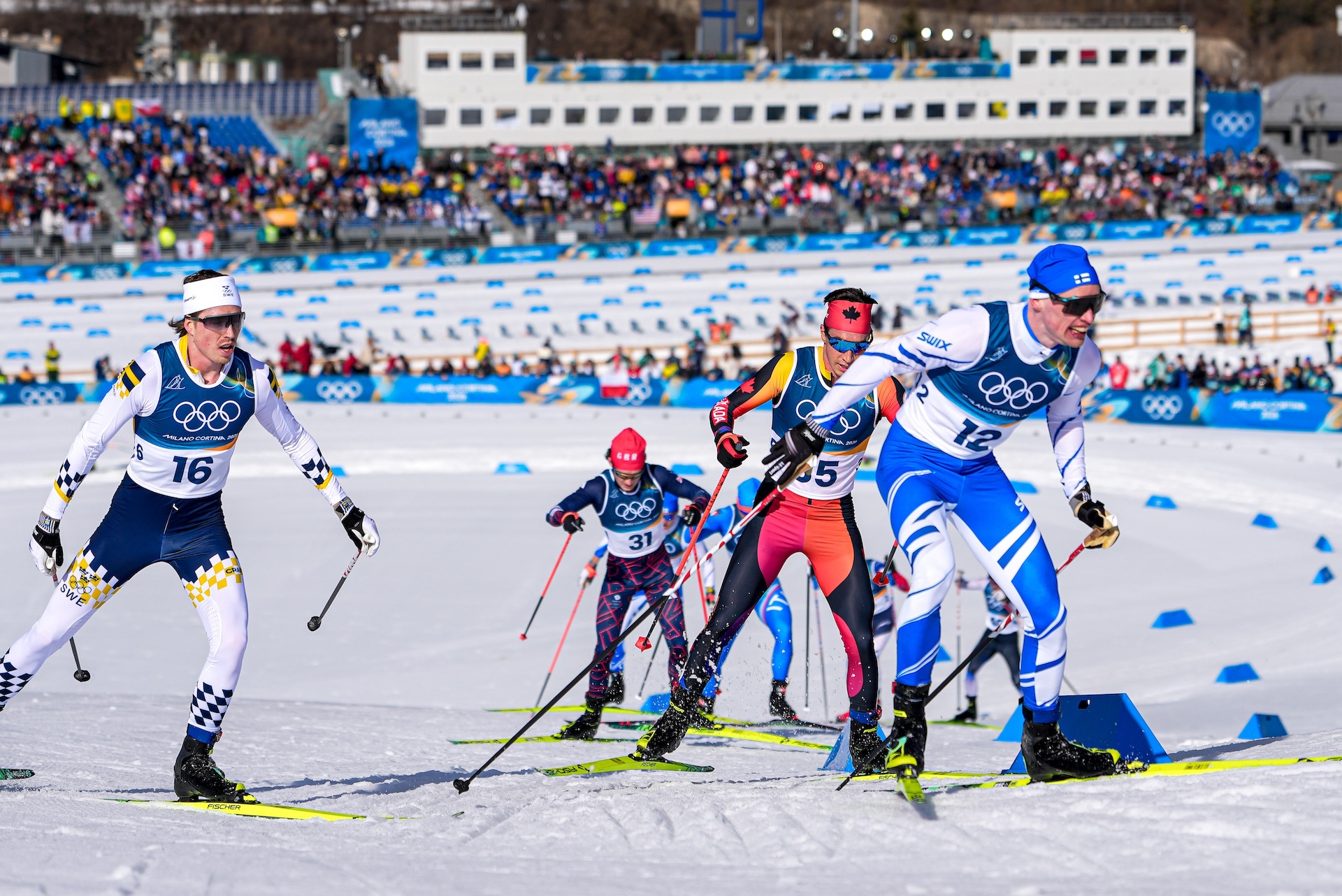
This strategic shift within the national team, coupled with the need to secure new equipment partnerships, suggests a deliberate effort by Niskanen and the Finnish Ski Association to recalibrate and rebuild for future successes. The integration of new coaching philosophies and the development of a robust equipment strategy will be crucial in determining Niskanen’s trajectory in the coming seasons.
Background and Implications of the Sponsorship Split
The decision by Fischer to end their long-standing relationship with Niskanen, despite his immense contributions to the brand’s prestige, is a clear indicator of the evolving financial landscape within professional winter sports. While specific financial details of sponsorship contracts are rarely disclosed, it is widely understood that top-tier athletes command significant remuneration. The statement from Planting suggests that Niskanen’s current market value, or his contractual demands, have surpassed Fischer’s willingness or ability to meet them.
This situation is not unique to Niskanen. As athletes achieve greater success and their profiles rise, their financial expectations tend to increase, often driven by endorsements, prize money, and the inherent value they bring to a brand through their visibility and performance. For ski manufacturers, the decision to continue or terminate a sponsorship involves a complex cost-benefit analysis. Factors such as an athlete’s current form, injury history, age, and the potential for future success all play a role.
Niskanen’s recent struggles with illness and a dip in consistent top-tier performance, while still maintaining a high level of competition, may have influenced Fischer’s assessment of their return on investment. The emphasis on financial feasibility, as stated by Planting, suggests that Fischer may be prioritizing a more cost-effective approach to their athlete sponsorships, or perhaps seeking athletes whose performance trajectory aligns more closely with their immediate marketing objectives.
The impact on Niskanen is substantial. Beyond the financial implications, the loss of a familiar and trusted equipment supplier means he must dedicate significant energy to establishing a new relationship and a new set of reliable skis. This can create psychological pressure, as equipment is an integral part of an athlete’s confidence and performance. The ability to consistently find "that perfect pair" of skis is a significant advantage, and rebuilding that capability takes time.
However, Niskanen’s return to the national team and the integration of new coaching expertise could provide a strong support system to navigate this transition. The Finnish Ski Association’s investment in new coaching talent indicates a commitment to supporting their top athletes, and this support may extend to assisting Niskanen in his equipment acquisition and testing processes.
The Broader Context of Ski Technology and Sponsorship
The cross-country skiing world is highly competitive, with technological advancements and equipment performance being crucial differentiating factors. The ban on fluorinated waxes, implemented to address environmental concerns, has fundamentally altered ski preparation and technology. This has led to increased emphasis on the base materials, structures, and profiles of skis, making the choice of manufacturer and model even more impactful. Athletes and their teams invest heavily in research and development to stay ahead of the curve.
Sponsorships in winter sports are often multifaceted. Beyond direct financial compensation, athletes receive equipment, travel support, and access to technical expertise. For brands like Fischer, sponsoring elite athletes like Niskanen serves as a powerful marketing tool, associating their products with Olympic success and athletic excellence. The discontinuation of such a long-standing partnership signals a strategic shift for Fischer, potentially in response to market dynamics, internal restructuring, or a recalibration of their sponsorship portfolio.
The future for Iivo Niskanen will be closely watched by the cross-country skiing community. His ability to adapt to new equipment and integrate the changes within his team structure will be key to his continued success. As he embarks on this new chapter, the focus will be on his performance in upcoming World Cup events and major championships, where his new ski partnerships will undoubtedly be put to the ultimate test. The transition, while challenging, also presents an opportunity for Niskanen to forge new avenues of success and demonstrate his enduring resilience and talent in the demanding world of elite cross-country skiing.

