
The boutique fitness landscape in New York City has expanded to include a specialized discipline rooted in Scandinavian endurance sports with the arrival of NRTHRN Strong. Located in the Flatiron District, this Danish-based fitness concept introduces a high-intensity, low-impact workout modeled after the biomechanics of cross-country skiing. By utilizing a proprietary training apparatus known as the NRTHRN Trainer, the studio aims to bridge the gap between seasonal outdoor athletics and year-round urban fitness. The expansion into the United States follows the brand’s successful establishment in Copenhagen, signaling a growing market interest in Nordic-inspired conditioning methods that prioritize functional movement and cardiovascular efficiency.
The Science and Efficiency of Cross-Country Skiing Biomechanics
Cross-country skiing has long been recognized by sports physiologists as one of the most comprehensive full-body exercises available. Unlike many forms of cardiovascular training that focus primarily on the lower body, cross-country skiing requires the synchronized movement of the arms, legs, core, and back. This total-body engagement leads to significantly higher caloric expenditure compared to other popular winter sports. According to data published in the National Library of Medicine, the energy demands of cross-country skiing are substantially higher than those of alpine skiing; research suggests it takes approximately two and a half hours of downhill skiing to match the caloric burn achieved in a single hour of cross-country movement.
At a moderate pace, a participant can expect to burn between 400 and 700 calories per hour. This efficiency is attributed to the "triple extension" movement—the simultaneous extension of the hip, knee, and ankle—combined with the rhythmic poling action that engages the latissimus dorsi, triceps, and deltoids. By mimicking these movements in a controlled indoor environment, NRTHRN Strong provides a platform for metabolic conditioning that avoids the joint-stressing impact often associated with running or high-intensity plyometrics.
The NRTHRN Trainer: Engineering Indoor Accessibility
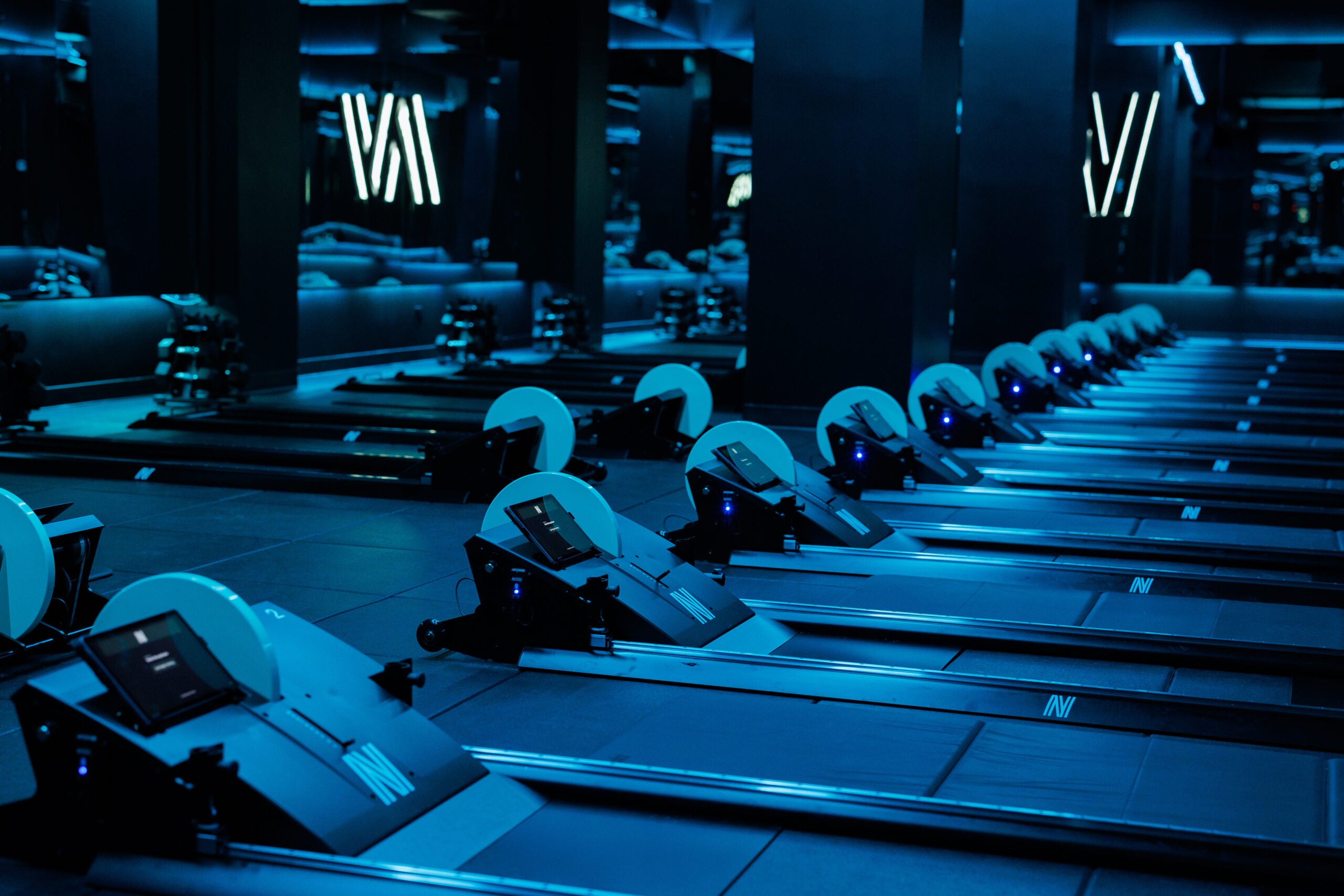
The primary obstacle to cross-country skiing as a primary fitness modality is geographical and environmental accessibility. The sport traditionally requires specific snow conditions, extensive trails, and specialized outdoor gear. To circumvent these limitations, NRTHRN Strong utilizes the NRTHRN Trainer, a patented machine designed to replicate the "glide and pull" of Nordic skiing within a compact footprint.
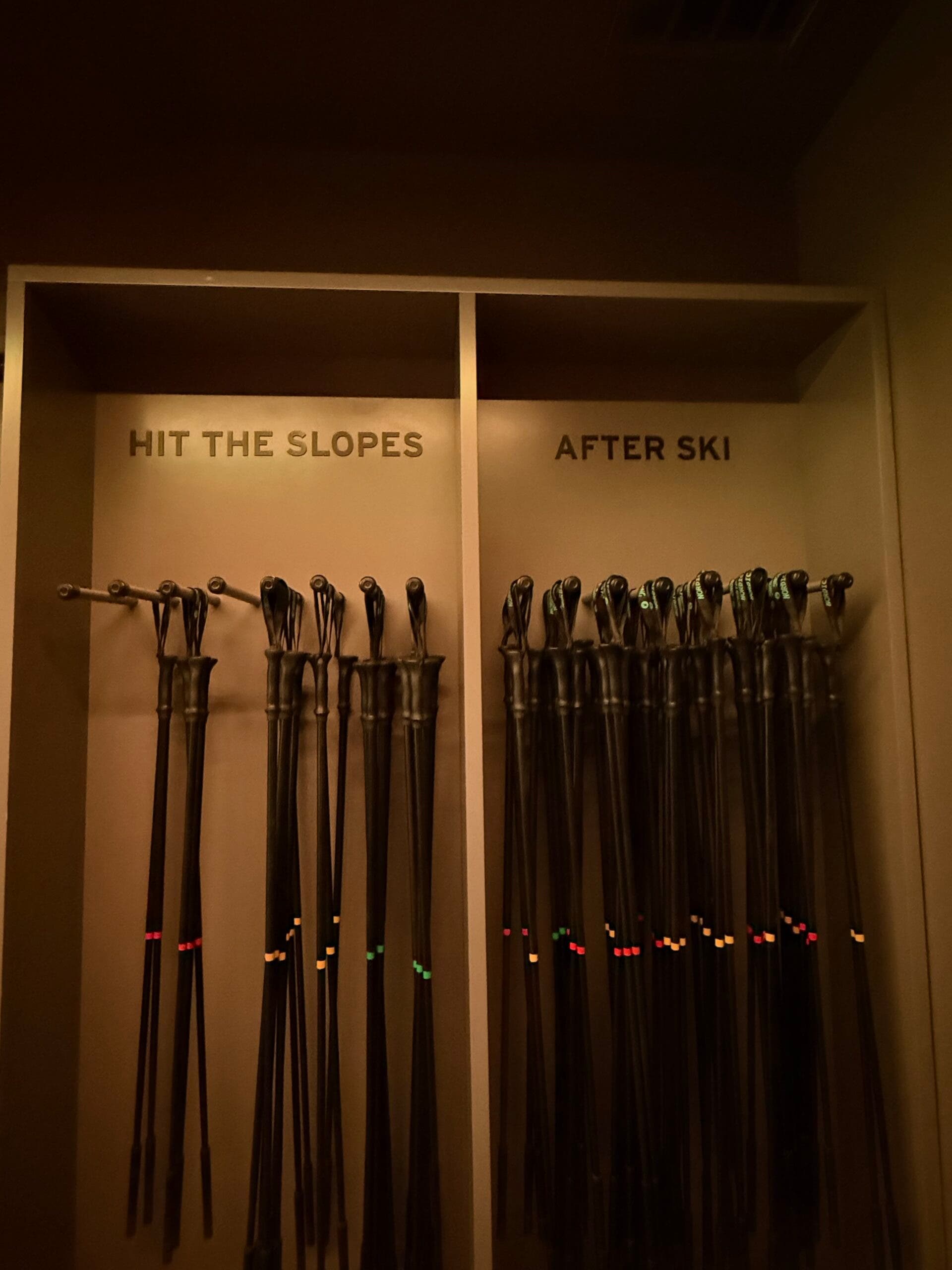
The trainer’s design is a hybrid of a rowing ergometer and a slide board. It features two specialized sockets that house ski poles of varying lengths, adjusted to the height of the user. These poles are attached to a resistance mechanism that slides back along a track, mirroring the propulsion phase of a ski stride. Unlike traditional gym equipment, the NRTHRN Trainer is designed so that the user dictates the tempo and force of the movement, ensuring that the resistance is always proportional to the athlete’s effort.
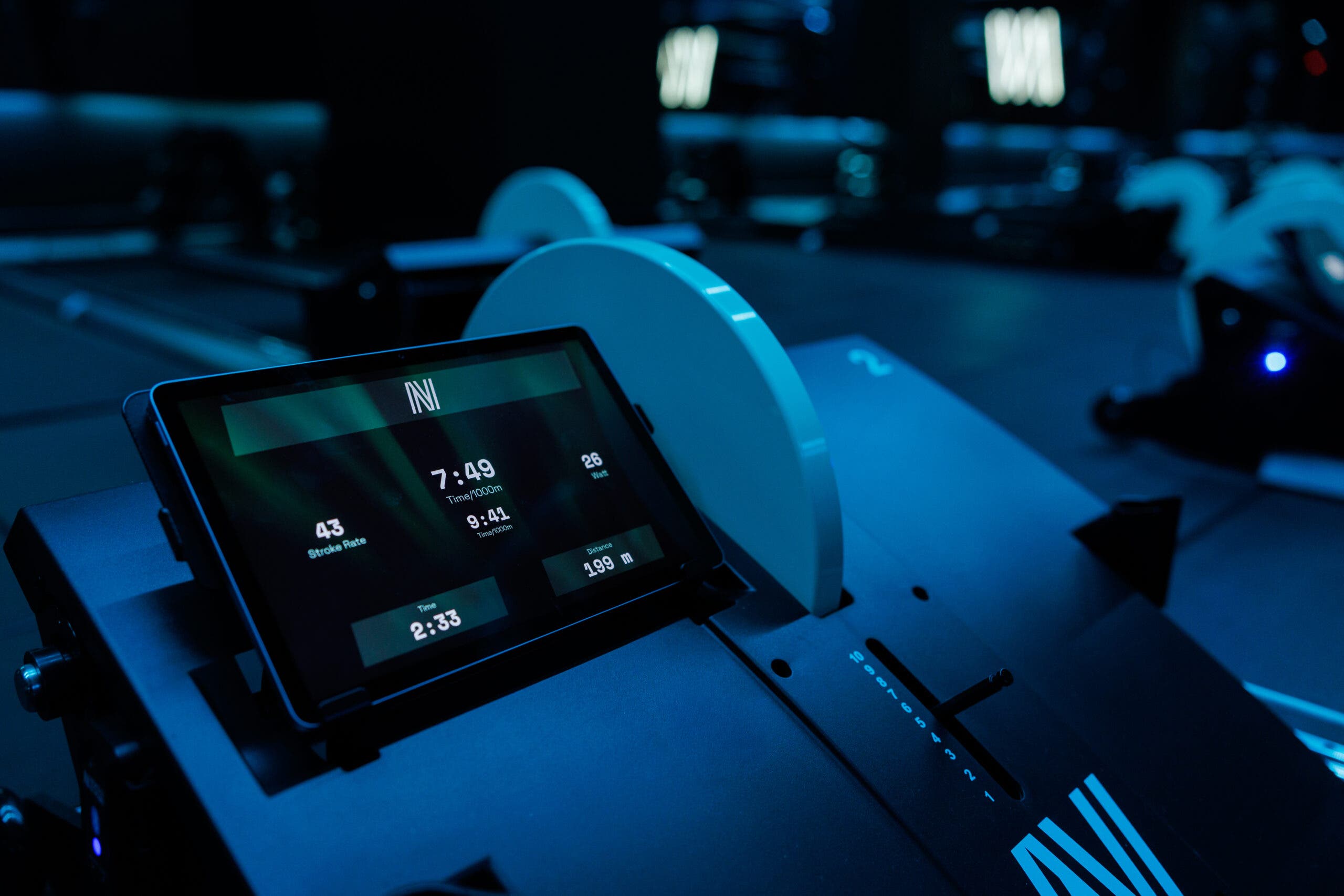
A central digital interface provides real-time feedback on performance metrics. Users can monitor their stroke rate, total distance, elapsed time, and pace per 1,000 meters. This data-driven approach allows instructors to set specific targets during class, such as maintaining a certain stroke frequency or hitting distance milestones during high-intensity intervals.
Class Structure and Instructional Methodology
The NRTHRN Strong curriculum is built around a 50-minute High-Intensity Interval Training (HIIT) framework. The sessions are designed to maximize "time under tension" while allowing for brief recovery periods that facilitate heart rate variability. A typical class is divided into distinct phases:
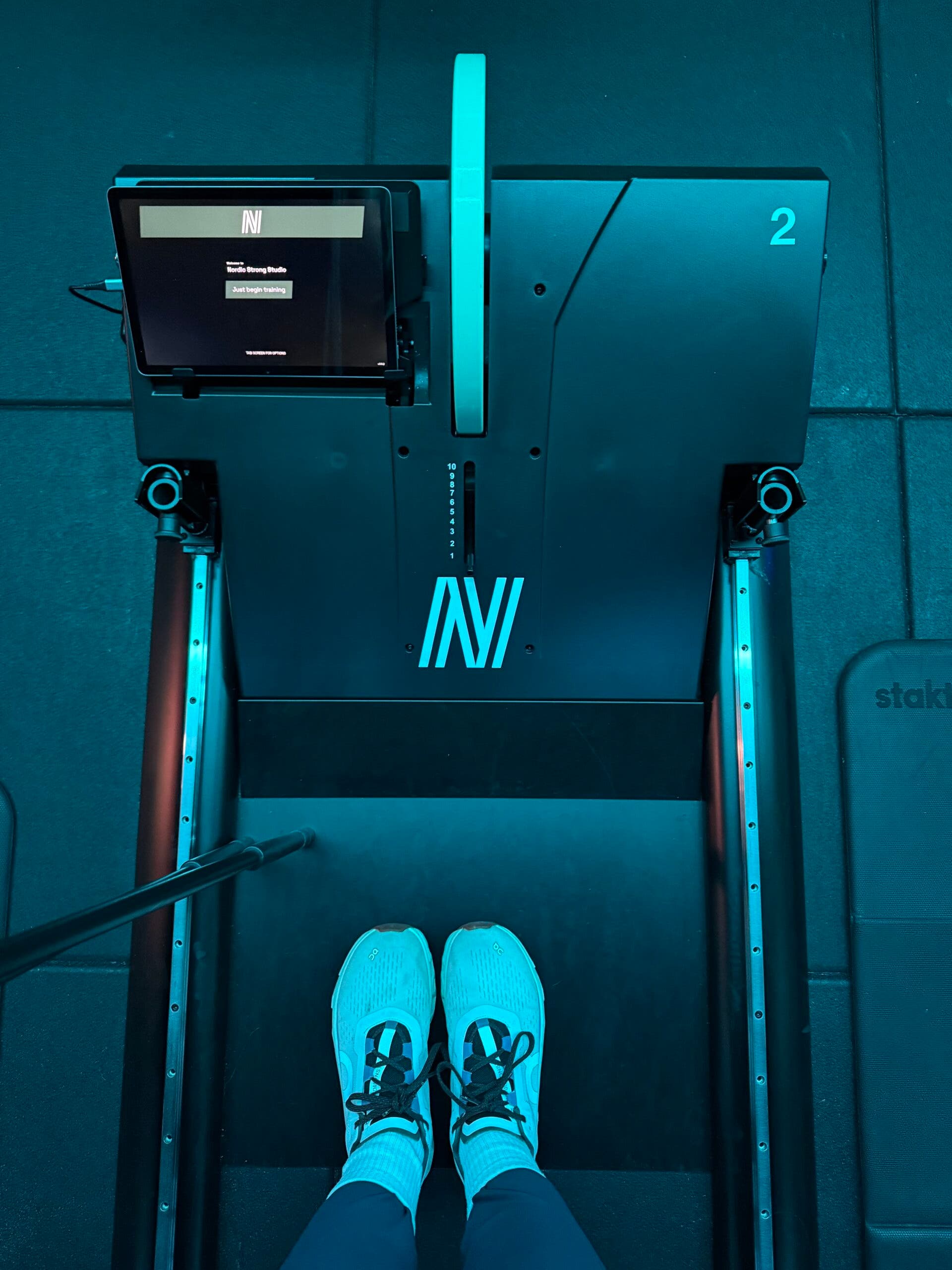
- Technical Orientation: Instructors, such as lead trainer Tyler, provide a foundational briefing for new participants. This includes selecting the correct pole length and mastering the "catch" and "release" phases of the stroke.
- Machine Intervals: Participants engage in approximately 10-minute blocks on the NRTHRN Trainer. These intervals focus on explosive movements and plyometric-inspired power output, targeting the cardiovascular system and the major muscle groups of the upper and lower body.
- Functional Floor Work: Between machine sets, participants move to mats for targeted core and lower-body exercises. These movements are designed to complement the skiing motion, focusing on lateral stability, glute activation, and abdominal strength.
- Circuit Rotation: The class flows through these rotations multiple times—typically three sessions on the trainer and two on the mat—to ensure a balanced distribution of workload.
The atmosphere of the studio is curated to enhance the "Nordic" experience, featuring moody, atmospheric lighting inspired by the Aurora Borealis. This aesthetic choice is intended to create an immersive environment that separates the workout from the traditional, brightly lit gym setting.
Comparative Analysis: Low-Impact Training and Mobility
One of the significant implications of the NRTHRN Strong model is its potential application for individuals with limited mobility or those recovering from impact-related injuries. Because the NRTHRN Trainer operates on a sliding mechanism similar to a Pilates reformer carriage, it eliminates the jarring forces of gravity found in running.
Kinesiology experts and fitness practitioners have noted that the controlled, rhythmic nature of the skiing motion promotes joint health through a full range of motion. The "low-impact, high-effort" nature of the workout makes it a viable option for a broad demographic, from elite athletes looking for cross-training opportunities to older adults seeking to maintain bone density and cardiovascular health without risking orthopedic strain.
The integration of poles also introduces a balance component that is often missing from stationary bikes or treadmills. Maintaining stability while executing a forceful pull requires constant micro-adjustments from the core and stabilizer muscles, which can lead to improved posture and functional balance in daily life.
Strategic Expansion and Market Context
The opening of the Flatiron studio marks a significant milestone in NRTHRN Strong’s global strategy. New York City serves as a critical testing ground for boutique fitness concepts before they scale nationally across the United States. The decision to locate in the Flatiron neighborhood—a hub for fitness enthusiasts and home to numerous "athleisure" flagship stores—places the brand in direct competition with established players in the rowing, cycling, and Pilates sectors.
NRTHRN Strong’s Danish roots provide a unique branding angle, tapping into the broader cultural trend of "Hygge" and Nordic wellness. While the brand is currently operational seven days a week in New York and Copenhagen, industry analysts suggest that the success of this specialized ergometer could lead to further expansion in other major metropolitan areas like London, Toronto, or Chicago, where winter sports culture is already prevalent.
Official Responses and Participant Feedback
While the studio is a new addition to the New York fitness scene, early feedback from participants highlights the steep but rewarding learning curve. Instructors emphasize that prior experience in cross-country skiing is not a prerequisite for the class, as the mechanics can be learned within a single session. However, those with a background in the sport have reported that the trainer allows for a more forceful and technical workout than traditional gym equipment.
In statements regarding the studio’s philosophy, NRTHRN Strong representatives have noted that the goal is to foster a "community of strength" where ego is secondary to personal progress. The inclusive nature of the classes—where everyone from beginners to seasoned skiers starts on a level playing field with the new technology—has been a key factor in the brand’s early adoption rate.
Broader Implications for the Fitness Industry
The rise of NRTHRN Strong reflects a larger shift in the fitness industry toward "sport-specific" boutique studios. As consumers move away from general-purpose big-box gyms, there is a growing demand for niche experiences that offer both high-level coaching and specialized equipment.
Furthermore, the focus on longevity and low-impact movement aligns with current health trends that prioritize sustainable fitness over "burnout" culture. By providing a workout that is as taxing on the lungs as it is gentle on the knees, NRTHRN Strong is positioning itself as a long-term fitness solution rather than a fleeting trend. As the brand continues to collect data on user performance and physiological outcomes, it may influence how other manufacturers design indoor cardio equipment, potentially leading to a new generation of Nordic-inspired trainers in home gyms and commercial facilities worldwide.
With its combination of Danish design, rigorous athletic standards, and a focus on accessibility, NRTHRN Strong represents a modern evolution of the world’s oldest aerobic sport, reimagined for the 21st-century urban landscape.

