
The Italian alpine sector is currently experiencing a transformative period of growth, characterized by significant infrastructure investment, a shift toward four-season tourism, and an increasing share of the international ski market. Driven by a combination of competitive pricing, high-altitude reliability, and a distinct cultural appeal, Italy has positioned itself as a formidable alternative to the traditional powerhouses of the French and Austrian Alps. Recent data from the 2025/2026 winter season highlights a robust upward trend, particularly within the Piedmont and Aosta Valley regions, where modernization efforts are yielding substantial dividends in visitor numbers and economic resilience.
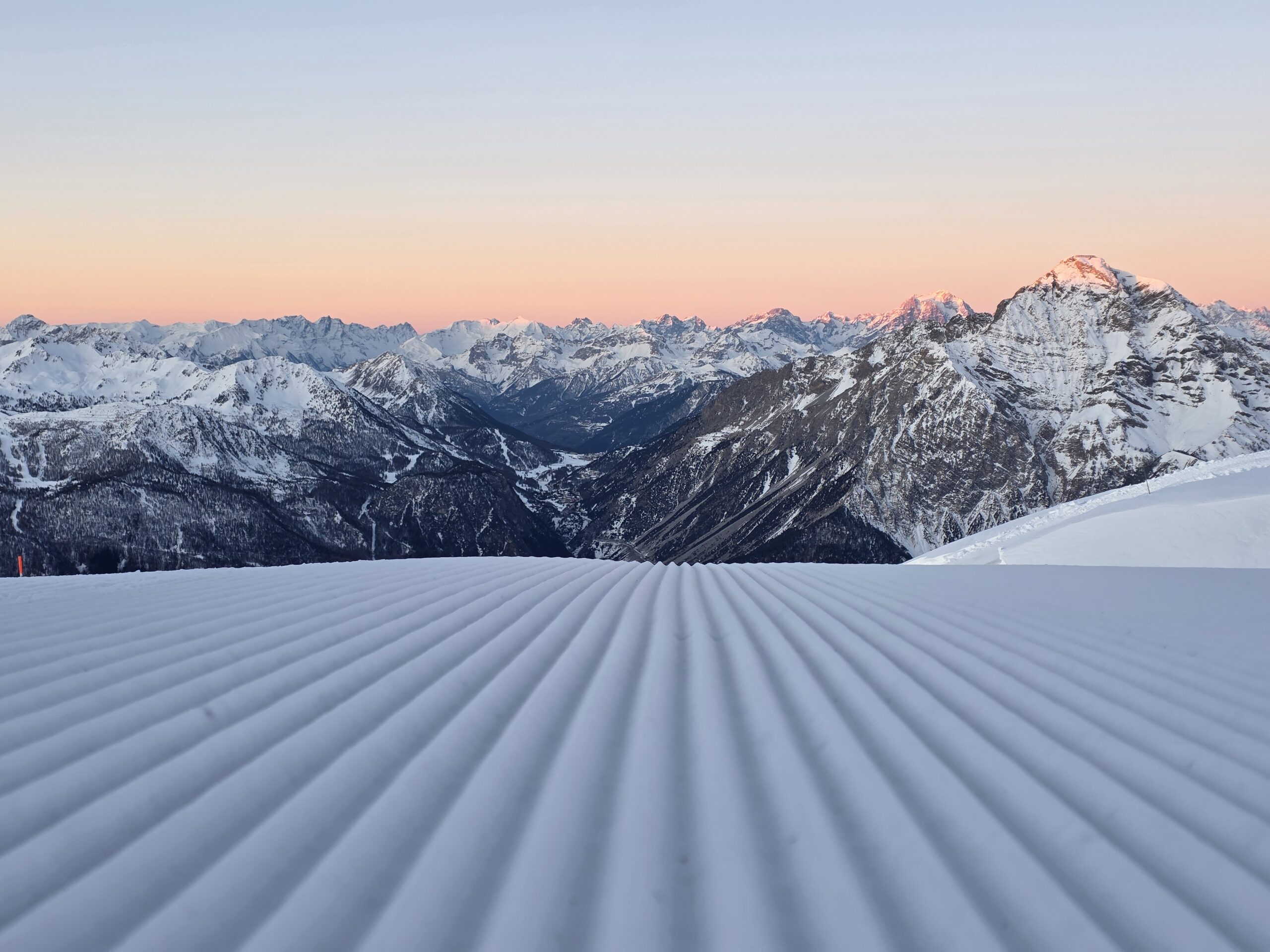
The Rise of the Milky Way: Vialattea and Bardonecchia Performance
The interconnected ski area of Vialattea, known internationally as the Milky Way, alongside the neighboring resort of Bardonecchia, reported a 15% increase in skier visits during the most recent winter season. This growth is not merely a localized phenomenon but reflects a broader international pivot toward Italian resorts. Statistics indicate that international visitors now account for over 60% of the total guest volume in these areas, a figure that underscores the global prestige these destinations have cultivated.
Among the non-Italian demographic, British skiers remain the most significant contingent, representing approximately 70% of the international visitor mix. Industry analysts attribute this dominance to several factors, including the perceived value for money and the accessibility of package holidays. Richard Sinclair, Managing Director of the UK-based ski specialist SNO, notes that the Italian market has steadily increased its share of the British market. According to Sinclair, the availability of ATOL-protected package holidays in Italy provides a level of financial security and convenience that is often more expensive or complex to arrange in other major alpine nations.
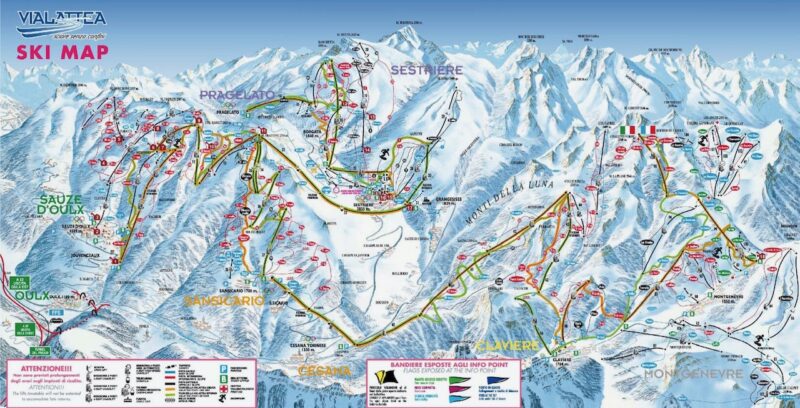
The Vialattea region offers a sprawling 500 kilometers of skiable terrain, encompassing 313 slopes that cater to a wide spectrum of technical abilities. The infrastructure is supported by 70 ski lifts with a collective capacity exceeding 75,000 people per hour. Crucially, the geographical profile of the area provides a natural hedge against climate volatility; with altitudes ranging from 1,400 meters to 2,800 meters, approximately 80% of the slopes are situated above the 1,900-meter mark, ensuring a more consistent snowpack throughout the season.
Strategic Infrastructure Investment and Snowmaking Modernization
To maintain its competitive edge, the region has embarked on an ambitious €28 million investment program focused primarily on snowmaking capabilities and energy efficiency. This modernization is a direct response to the increasing unpredictability of early-season snowfall across Europe.
Nicola Bosticco, CEO of Colomion SpA—the entity responsible for managing the ski facilities—emphasized that the ability to produce snow at lower temperatures and higher speeds is critical for the modern ski industry. Previously, resort openings were often staggered, with slopes being brought online gradually as conditions permitted. The new system, which included the installation of over 100 fixed snow guns in Bardonecchia alone this season, allows for a comprehensive opening of the ski area from the start of the calendar.
This operational shift has profound implications for the local economy. By guaranteeing a fixed opening date and consistent slope quality, the resort provides stability for the entire "value chain," including hotels, retail outlets, rental stations, and ski schools. Furthermore, the investment includes the final design stages for two new water reservoirs, which are projected to bring snowmaking coverage to 80% of the key terrain.
In alignment with global sustainability trends, the region has transitioned to 100% renewable electricity for its operations. The implementation of latest-generation air compressors has also resulted in energy savings of up to 48% per unit, demonstrating that industrial-scale mountain operations can reduce their carbon footprint while improving performance.
Regional Diversity: From the Dolomites to the Aosta Valley
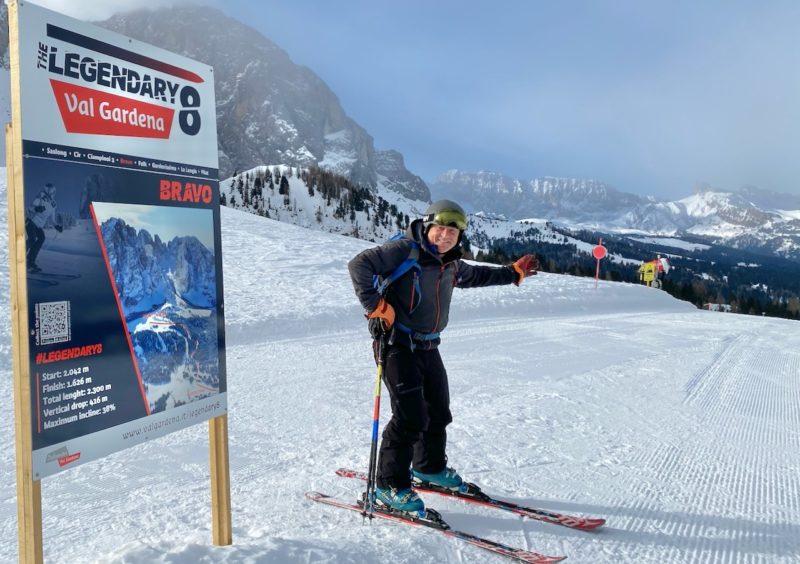
While the Piedmont region has seen rapid growth, other Italian hubs continue to exert a strong pull on the international market. The Dolomites, specifically Val Gardena, remain a cornerstone of the Italian ski identity. The region received a significant boost in global visibility following the spotlight of the Milan-Cortina Winter Olympics in February 2026. The games highlighted the world-class racing terrain and the unique limestone topography of the Dolomites, which are designated as a UNESCO World Heritage site.
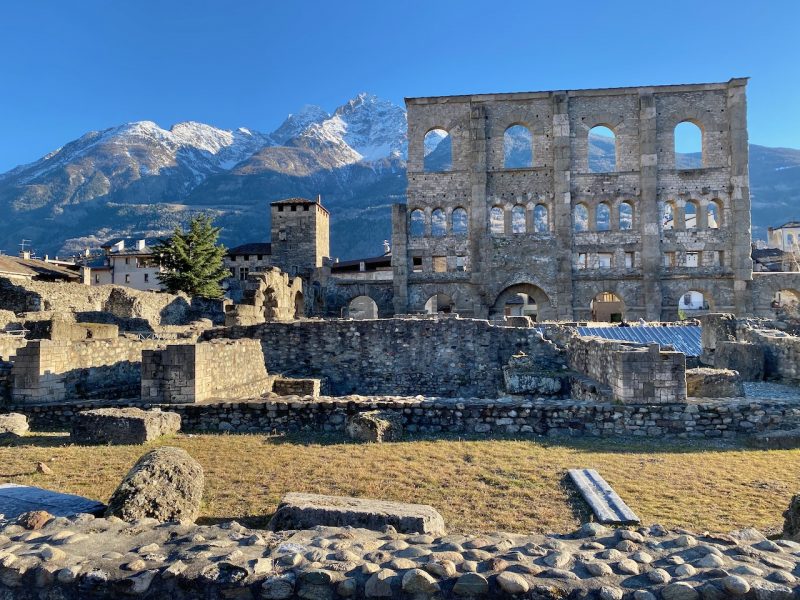
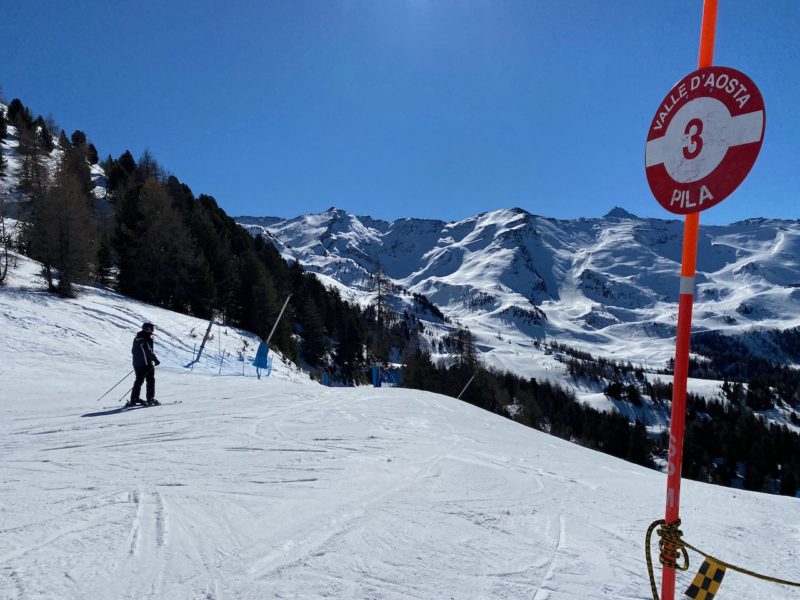
Further west, the Aosta Valley remains a perennial favorite for those seeking high-altitude skiing and proximity to major transport hubs like Turin and Milan. Resorts such as Pila, which is directly linked to the historic city of Aosta by a gondola, offer a blend of Roman history and modern alpine sport. The Aosta Valley is also home to Cervinia, which has recently made headlines with its strategic goal to offer skiing 365 days a year. This ambition is supported by the high-altitude glacier access shared with Zermatt, Switzerland, and the recent completion of the Matterhorn Glacier Ride II, which facilitates seamless year-round travel between the two countries.
The Italian Safety Culture and Regulatory Environment
A defining characteristic of the Italian skiing experience is its rigorous approach to safety and regulation, which often surprises visitors accustomed to the more laissez-faire environments of other nations. Italy has implemented mandatory third-party liability insurance for all skiers and snowboarders, a move designed to streamline compensation in the event of collisions. Furthermore, the use of helmets is compulsory for minors, and there is a growing cultural trend toward universal helmet use among adults.
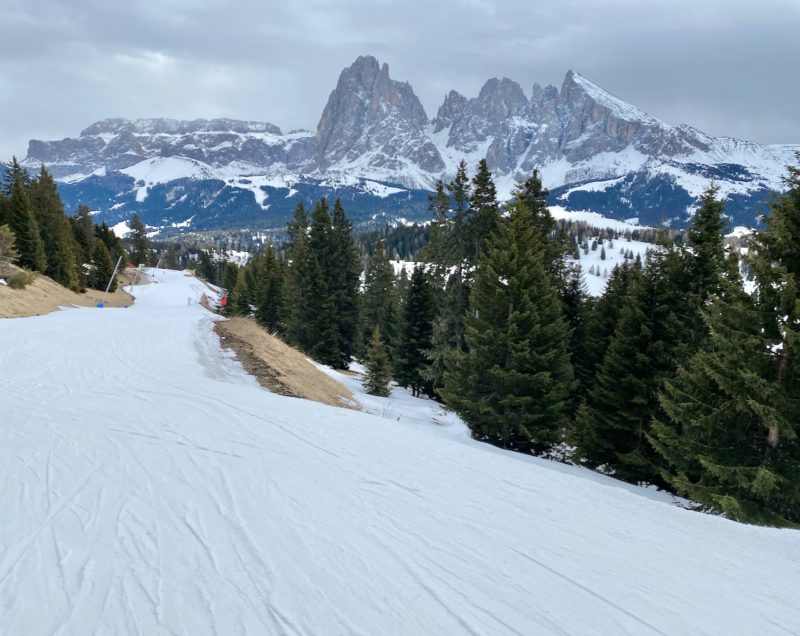
Off-piste skiing in Italy is also subject to stricter oversight than in many neighboring countries. Local authorities have the power to restrict access to certain areas based on avalanche risk, and carrying essential safety equipment—such as transceivers, probes, and shovels—is often a legal requirement for those venturing away from marked runs.
Despite these measures, the inherent risks of mountain sports remain a challenge. The previous winter season saw Italy record 40 avalanche fatalities, the highest number among the alpine nations for that period. This statistic has prompted renewed calls for education and stricter enforcement of safety protocols, particularly as the popularity of ski touring and off-piste exploration continues to rise.
Transitioning to a Four-Season Destination Model
The Italian mountain regions are increasingly looking beyond the winter months to establish a sustainable, year-round tourism model. Vialattea and Bardonecchia have positioned the Turin Alps as a premier summer destination, focusing on mountain biking, hiking, and high-altitude golf.
The summer season in Sauze d’Oulx and Sestriere begins in late June, with the reopening of key chairlifts such as the Sportinia. These lifts provide access to a vast network of trails that cater to both downhill mountain biking enthusiasts and leisure hikers. Sestriere also boasts one of Europe’s highest 18-hole golf courses, providing a unique draw for international tourists seeking relief from the summer heat of the plains.
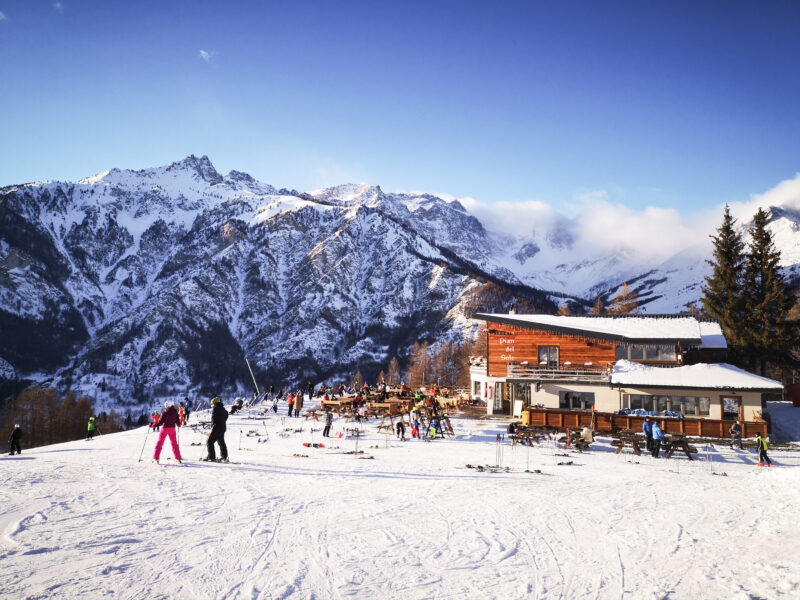
Bardonecchia has differentiated its summer offering by focusing on family-oriented attractions, including an Alpine Coaster and an adventure park. The resort’s network of 30 dedicated mountain biking and hiking routes is complemented by high-altitude mountain huts, such as Pian del Sole and Chesal 1805. These establishments serve as culinary hubs, offering traditional Piedmontese cuisine that reinforces the "slow food" reputation of the region.
Summer Skiing and Glacial Preservation
For those dedicated to snow sports regardless of the month, Italy remains one of the few European destinations with viable summer skiing. In addition to Cervinia’s year-round aspirations, Passo Stelvio continues to offer a dedicated summer ski season from late May through July, provided conditions allow. However, the future of these operations remains closely tied to glacial health. Italian resorts have been at the forefront of glacial preservation techniques, including the use of geotextile blankets to reduce summer melt, reflecting the industry’s broader concern with climate change.
Broader Impact and Future Outlook
The current trajectory of the Italian ski industry suggests a strategic move toward consolidation and premiumization. By investing in snow reliability and infrastructure, Italy is mitigating the risks posed by climate change while capitalizing on its reputation for "the dolce vita" on the slopes—a combination of world-class terrain and a relaxed, culinary-focused atmosphere.
The economic impact of this growth extends beyond the lift companies. The 15% increase in visits to the Piedmont area has trickled down to the hospitality and service sectors, creating a more robust year-round economy for alpine villages that were previously dependent on a four-month winter window.

As the industry looks toward the late 2020s, the focus will likely remain on balancing expansion with environmental stewardship. The success of the Vialattea and Bardonecchia models provides a blueprint for other regions: integrate modern technology to ensure operational consistency, diversify the seasonal offering to reduce reliance on winter snowfall, and maintain a competitive price point that appeals to the vital international market. With the momentum of the 2026 Olympics and continued investment, the Italian Alps are well-positioned to remain at the forefront of global mountain tourism.

