
The federal government initiated the first of five mandated lease sales in the Western Arctic on March 18, marking a pivotal moment in the century-long tension between energy development and environmental conservation in Alaska. This move opens approximately 5.5 million acres of the National Petroleum Reserve-Alaska (NPR-A) to competitive bidding by oil and gas interests. The area under consideration includes the ecologically sensitive Teshekpuk Lake wetlands, a region that has remained largely protected for decades due to its status as a critical habitat for migratory waterfowl and caribou. This development is part of a broader federal strategy that mandates at least five such sales over the coming decade, signaling a significant shift in the management of the nation’s largest single block of public land.
Historical Context: From Naval Reserve to National Petroleum Reserve
The origins of the NPR-A date back to 1923, when President Warren G. Harding signed an executive order setting aside 23 million acres on Alaska’s North Slope. At the time, the United States Navy was transitioning its fleet from coal to oil, and the discovery of oil seeps along the Arctic coast led geologists to believe the region held vast strategic reserves. Designated as "Naval Petroleum Reserve No. 4," the land was withdrawn from all other uses, effectively turning a massive swath of the Arctic into a resource colony.
The administrative oversight of the land shifted in 1976 when Congress passed the Naval Petroleum Reserves Production Act. This legislation transferred management from the Navy to the Department of the Interior, rebranding the area as the National Petroleum Reserve-Alaska (NPR-A). While the title became civilian, the legislative mandate remained focused on the "expeditious program of competitive leasing" for oil and gas. This historical nomenclature has created a legal and bureaucratic framework that continues to prioritize extraction, even as modern ecological science highlights the region’s immense biological value.
The history of the reserve has also been touched by political controversy. Shortly after the NPR-A was designated, the Harding administration was engulfed in the Teapot Dome scandal, which involved the illegal leasing of oil reserves in Wyoming by Interior Secretary Albert Bacon Fall. Today, the debate over the NPR-A reflects a modern version of this struggle, pitting the economic imperatives of the state and federal governments against international conservation goals and climate change mitigation strategies.
A Chronology of Recent Policy Shifts
The current landscape of Arctic development is the result of a complex timeline of administrative decisions and legislative mandates:
- 2017–2020: The federal government moved to expand leasing opportunities across the North Slope, targeting previously protected areas within the NPR-A and the Arctic National Wildlife Refuge (ANWR).
- 2020: A Record of Decision was issued that opened 82 percent of the NPR-A to potential oil and gas development, including the Teshekpuk Lake Special Area.
- 2023: The approval of the Willow Oil Project, a massive undertaking by ConocoPhillips, set the stage for long-term infrastructure expansion in the region.
- 2024–2026: Implementation of mandated lease sales began, coinciding with the development phase of the Willow project and proposed road construction to the Ambler Mining District.
These events have converged to create a "pro-development" environment on the North Slope, fueled by a desire to bolster the state of Alaska’s anemic budget and respond to fluctuations in global oil production.
Ecological Significance and Biodiversity Data
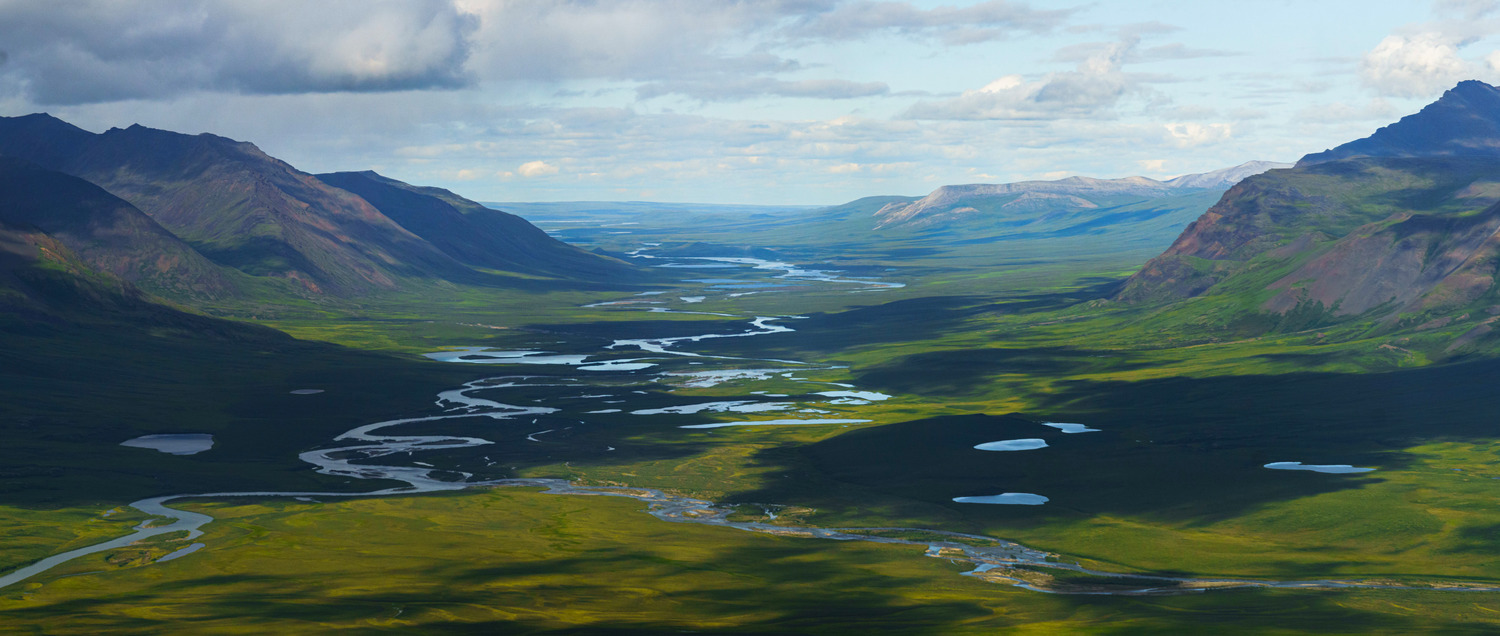
The NPR-A is not merely a repository of fossil fuels; it is a globally significant ecosystem. Spanning over 22 million acres, it represents the largest intact block of public land in the United States. Its scale provides a level of ecological resilience that is increasingly rare in the contiguous 48 states.
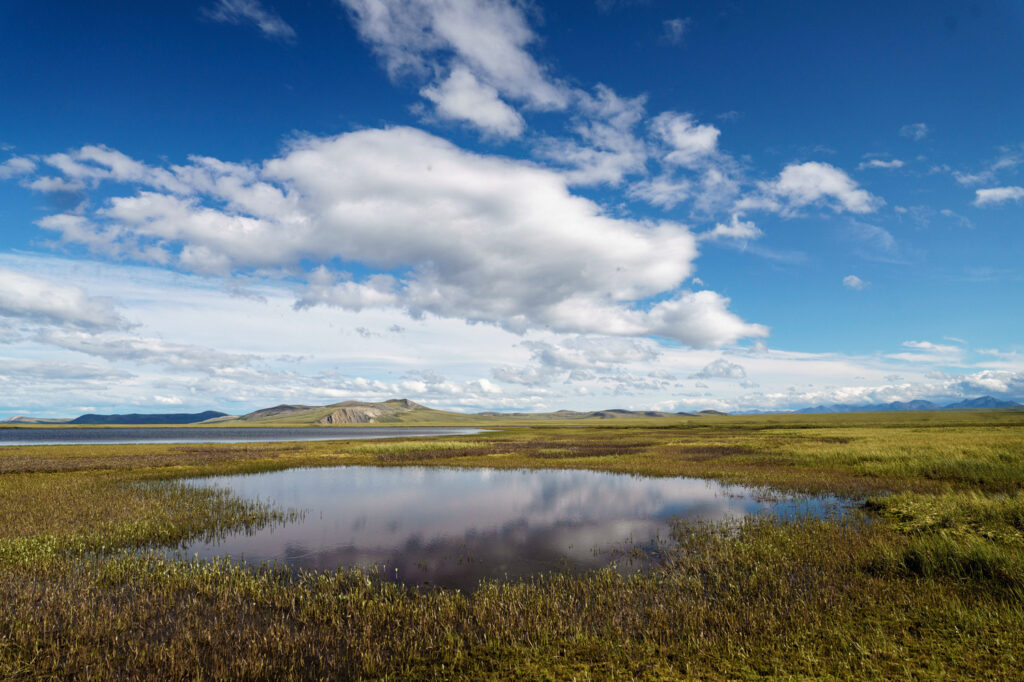
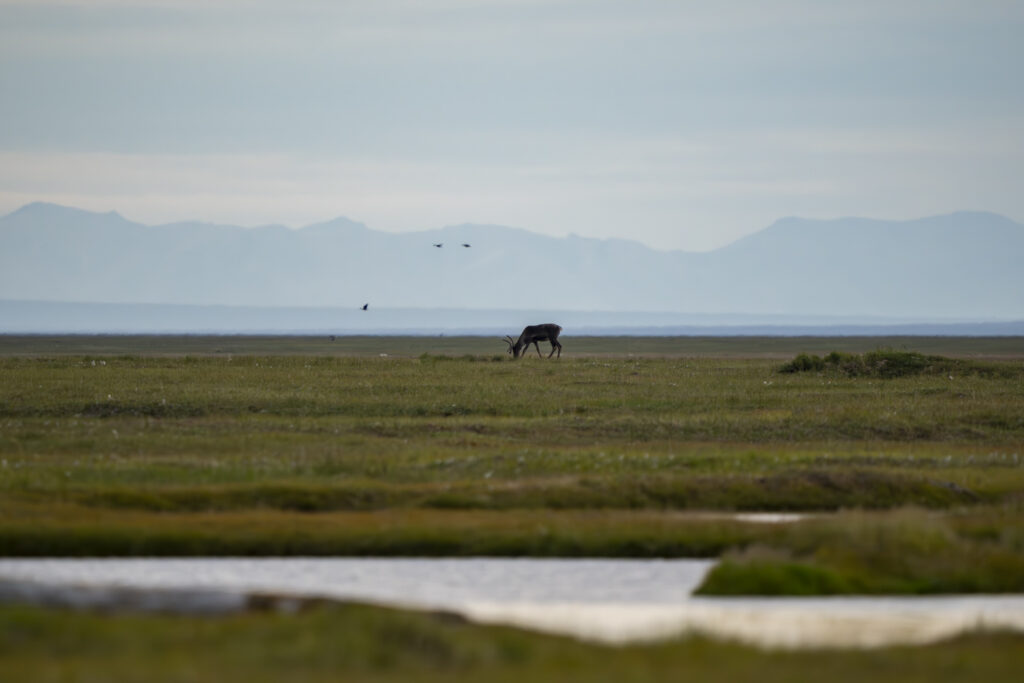
The Teshekpuk Lake wetlands, now at the center of the lease sales, are considered one of the most important migratory bird habitats in the world. According to wildlife surveys, an estimated 5.4 million aquatic birds utilize the NPR-A each season. These birds migrate from six different continents, linking the Alaskan Arctic to backyards and ecosystems across the globe. The lake itself serves as the primary calving ground for the Teshekpuk Lake caribou herd, which is a vital resource for Indigenous subsistence communities.
Furthermore, the Arctic is warming at a rate three to five times faster than the global average. This rapid climate shift is causing permafrost degradation, changes in hydrological patterns, and shifts in vegetation. Scientists argue that maintaining large, connected landscapes like the NPR-A is essential for allowing species to adapt to these changes. The fragmentation caused by roads, pipelines, and drilling pads could potentially undermine this natural resilience.
Economic Realities and the Willow Project
The economic argument for Arctic drilling is centered on the sheer volume of undiscovered resources. The U.S. Geological Survey (USGS) estimates that the NPR-A may hold nearly 900 million barrels of technically recoverable conventional oil. In total, the Northern Alaska region is believed to contain nearly half of all undiscovered recoverable oil on federal lands in the country.
However, the cost of extraction in the Arctic is significantly higher than in domestic shale plays or offshore rigs in the Gulf of Mexico. Harsh weather conditions, the need for specialized infrastructure like ice roads, and the logistical challenges of operating in remote areas mean that Arctic oil requires high global prices to be profitable. Analysts point out that many of these projects rely on public subsidies and long-term capital horizons—often 30 years or more—to reach a break-even point.
The Willow Oil Project is the most prominent example of this investment. Estimated to produce 750 million barrels of oil over its lifetime, the project requires an extensive network of roads and pipelines that will further integrate the Western Arctic into the nation’s energy infrastructure. Proponents argue that Willow and subsequent lease sales are necessary for national energy security and to provide revenue for the State of Alaska, which relies heavily on the petroleum industry to fund public services.
Infrastructure Expansion: The Ambler Road and ANWR
The lease sales in the NPR-A do not exist in isolation. They are part of a broader push to industrialize the North Slope. Two other major projects are currently in development:
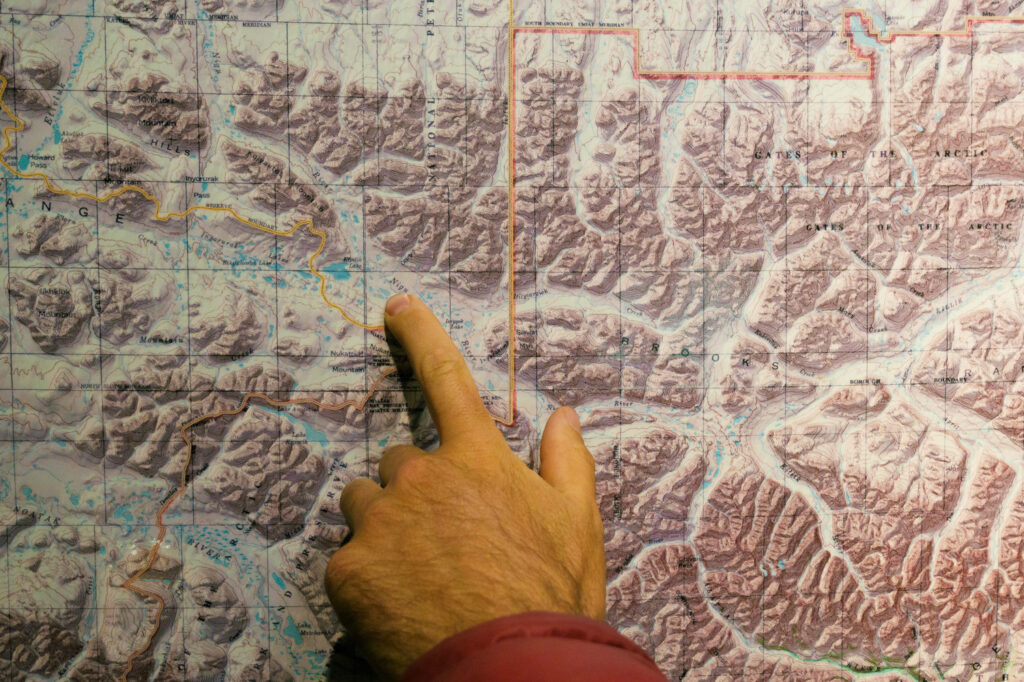
- The Ambler Road: A proposed 211-mile industrial access road that would cut through the Brooks Range and Gates of the Arctic National Park and Preserve to reach the Ambler Mining District. This road would facilitate the extraction of copper and other minerals but would also cross dozens of major rivers and caribou migration routes.
- ANWR Leasing: Parallel to the NPR-A sales, the federal government has moved forward with oil and gas lease sales in the 1.5-million-acre Coastal Plain of the Arctic National Wildlife Refuge.
Critics of these developments argue that the political designations used to manage these lands—"National Park," "Petroleum Reserve," "Wildlife Refuge"—are arbitrary lines that do not reflect the biological reality of the landscape. They contend that the cumulative impact of these "separate" projects will result in the permanent fragmentation of the last whole ecosystem in North America.
Stakeholder Perspectives and Official Responses
The reaction to the March 18 lease sale has been sharply divided along economic and environmental lines.
State and Industry Officials: The State of Alaska has long advocated for increased access to federal lands for resource development. State officials argue that the NPR-A was specifically designated for petroleum production and that the federal government is legally obligated to hold these sales. They emphasize that the revenue generated from royalties and taxes is essential for the state’s fiscal health and for supporting rural communities.
Environmental Advocacy Groups: Organizations such as Protect Our Winters (POW) and various conservation legal centers have criticized the move, highlighting the contradiction between expanding fossil fuel production and meeting international climate goals. They argue that the "petroleum reserve" name is a relic of the early 20th century that fails to account for the 21st-century realities of the climate crisis and the intrinsic value of wilderness.
Indigenous Communities: Perspectives among Alaska Native communities are diverse. Some tribal corporations and local governments on the North Slope support development for the economic opportunities and infrastructure it brings. Others, particularly those reliant on subsistence hunting and fishing, express deep concern over the impact of industrial noise and habitat loss on caribou and fish populations.
Broader Implications and Analysis
The current trajectory of development in the NPR-A represents a critical juncture for American land management policy. The decision to proceed with lease sales in the Western Arctic highlights the enduring power of historical mandates over contemporary environmental science.
From a geopolitical standpoint, the push for Arctic oil is often framed as a matter of energy independence. However, as the world moves toward an energy transition, the long-term viability of high-cost Arctic oil is increasingly questioned. If global demand for fossil fuels peaks in the coming decades, the massive infrastructure investments currently being planned for the North Slope may become "stranded assets"—expensive relics of an outgoing energy era.
Furthermore, the legal machinery of the NPR-A lease sales serves as a reminder that nomenclature often dictates destiny. Because the land is named a "Petroleum Reserve," the default policy remains extraction. Challenging this requires more than just environmental advocacy; it requires a fundamental reassessment of how federal lands are valued in an era of rapid ecological decline.
As the first of these five lease sales concludes, the focus will shift to the legal challenges and the environmental impact assessments that will follow. The "last whole place" in the American Arctic remains at the center of a national debate over whether the future of the region will be defined by the resources beneath the ground or the intact ecosystem above it. With four more sales mandated in the coming years, the transformation of the Western Arctic is likely to remain a central pillar of American environmental and energy policy for the foreseeable future.

