
The 2025-2026 snow season across the Western United States has concluded as a period of significant climatic volatility, characterized by record-breaking temperatures and a precociously early melt-out that has left water managers and atmospheric scientists deeply concerned. While the winter initially showed promise in terms of moisture, a persistent "warm bias" transformed what could have been a standard water year into a "hot mess," as described by regional experts. The season saw ski resorts across the Cascades, Rockies, and Sierra Nevada grapple with erratic operations, while the April 1 snowpack measurements—a critical benchmark for Western water forecasting—revealed values that were, in many locations, a mere fraction of historical averages.
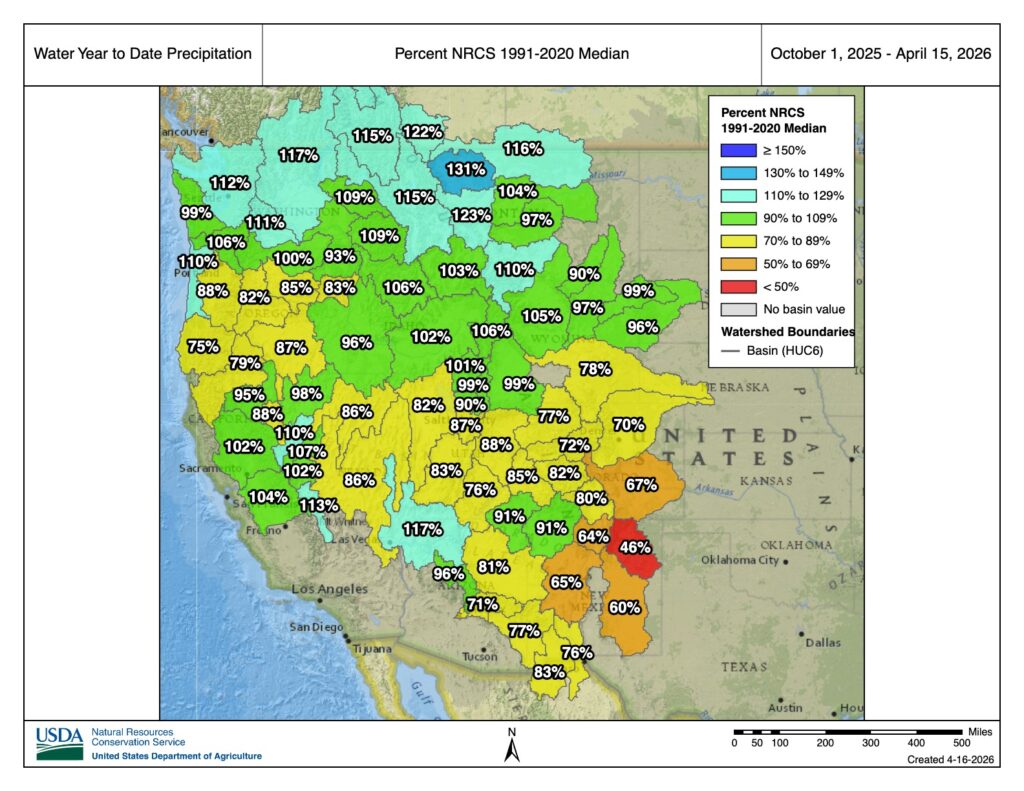
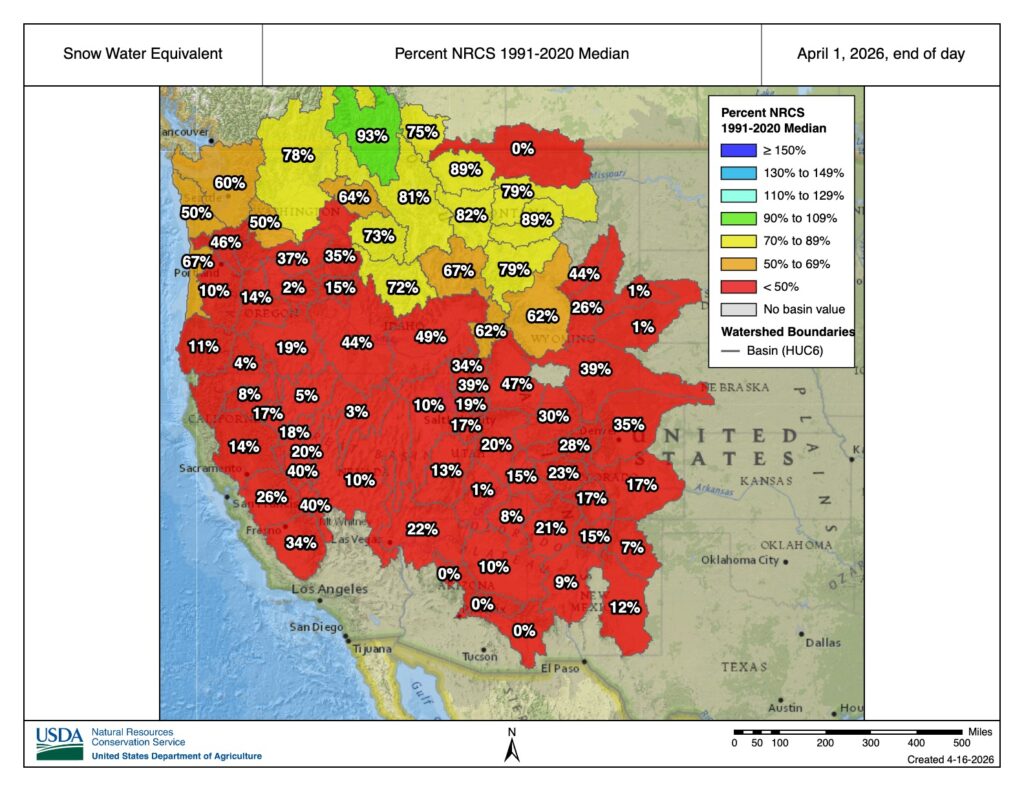
The central paradox of the 2025-2026 season lay in the decoupling of precipitation and temperature. According to data from the Natural Resources Conservation Service (NRCS), the "wet" component of the snow recipe was relatively stable. Oregon, Utah, and Colorado experienced slightly below-average precipitation, while Washington, Idaho, Montana, and northwest Wyoming saw totals that were near or slightly above average. However, the absence of sustained cold temperatures prevented this moisture from accumulating as snow. Instead, much of the high-elevation precipitation fell as rain or resulted in a transient snowpack that lacked the density and longevity required to survive the spring.
A Chronology of the 2025-2026 Winter Season
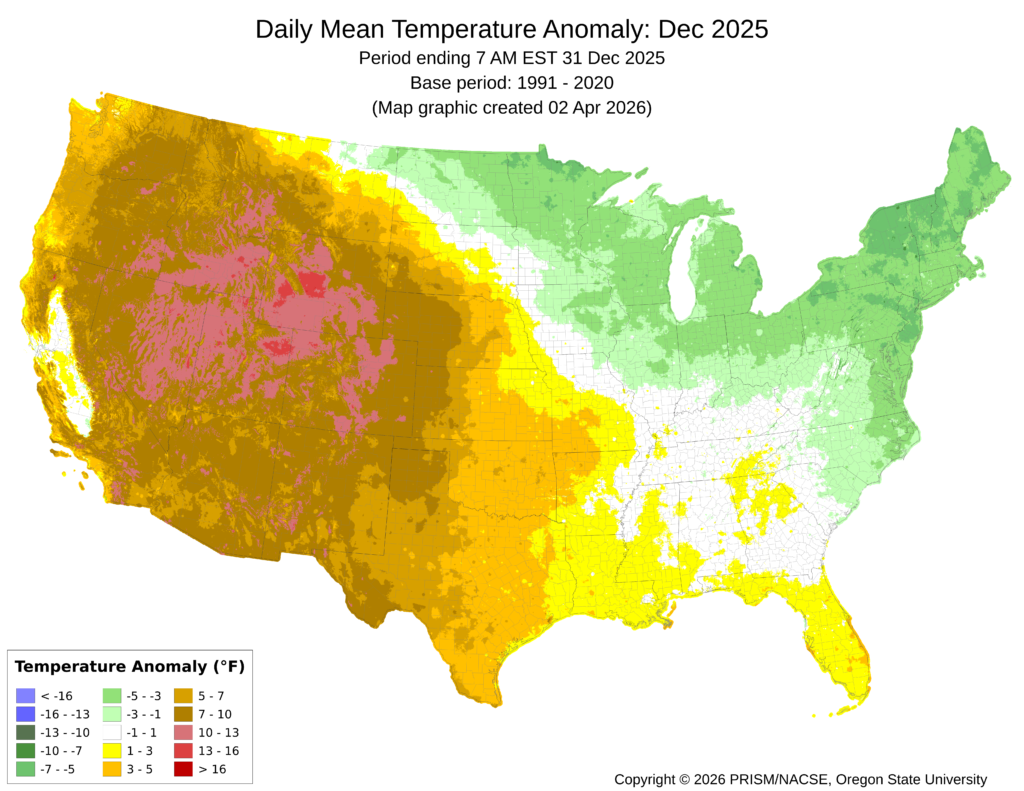
The winter season began with typical late-autumn optimism as resorts prepared for Thanksgiving openings. However, the meteorological narrative shifted dramatically in December 2025. During a month that is traditionally the cornerstone of snowpack accumulation, the Western United States experienced a massive thermal anomaly. Data from the PRISM Climate Group indicated that temperatures across much of the West were between 5 and 15 degrees Fahrenheit above the long-term average. While the Northeast and Upper Midwest saw temperatures as much as 5 degrees below average, the West remained trapped under a persistent high-pressure ridge that funneled warm, subtropical air into mountain corridors.
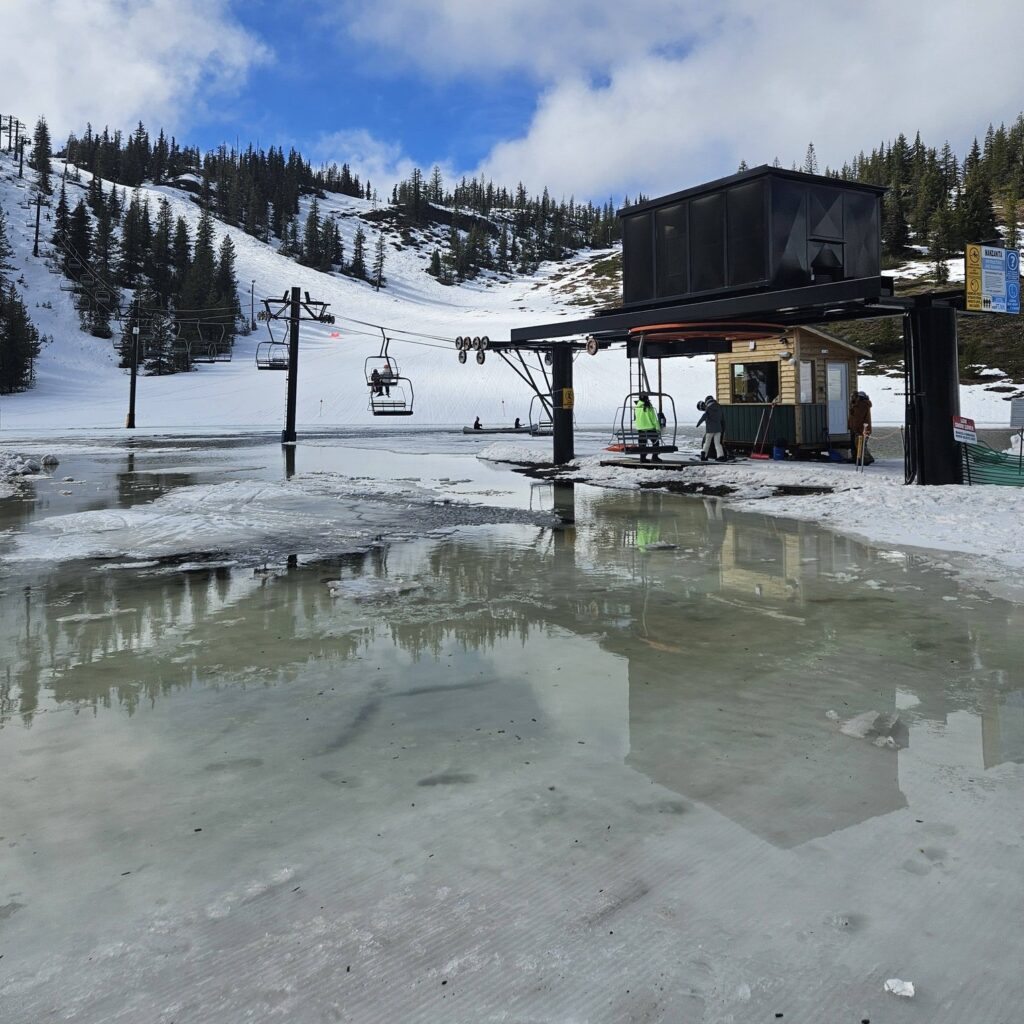
This thermal spike forced ski resort operators to repeatedly adjust their expectations. The "goalposts" for a viable season were moved from the New Year’s holiday to Martin Luther King Jr. Day, and eventually to Presidents’ Day. By the time significant cold fronts arrived in late February, much of the damage to the base layers had already been done. Many smaller resorts, such as Hoodoo Ski Area in Oregon, were forced into unscheduled "pond skims" by mid-March, as melting snow created standing water on runs that should have been under several feet of powder.
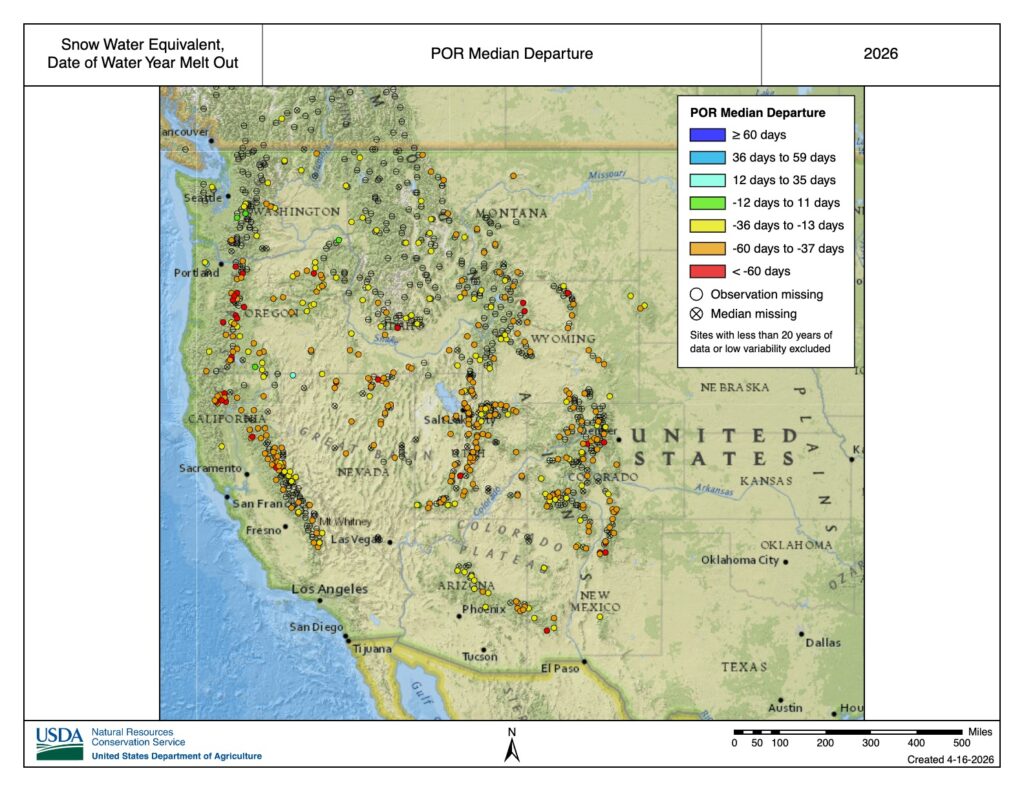
By mid-April, the situation transitioned from a recreation crisis to a hydrological one. The "snow off" dates—the calendar day when a SNOTEL (Snow Telemetry) station records zero snow water equivalent—occurred not just days early, but in some instances, two months ahead of schedule. This rapid transition from peak accumulation to total melt-out has effectively shortened the window for natural water storage, placing an increased burden on man-made infrastructure.
Understanding the Snowpack as a Natural Reservoir
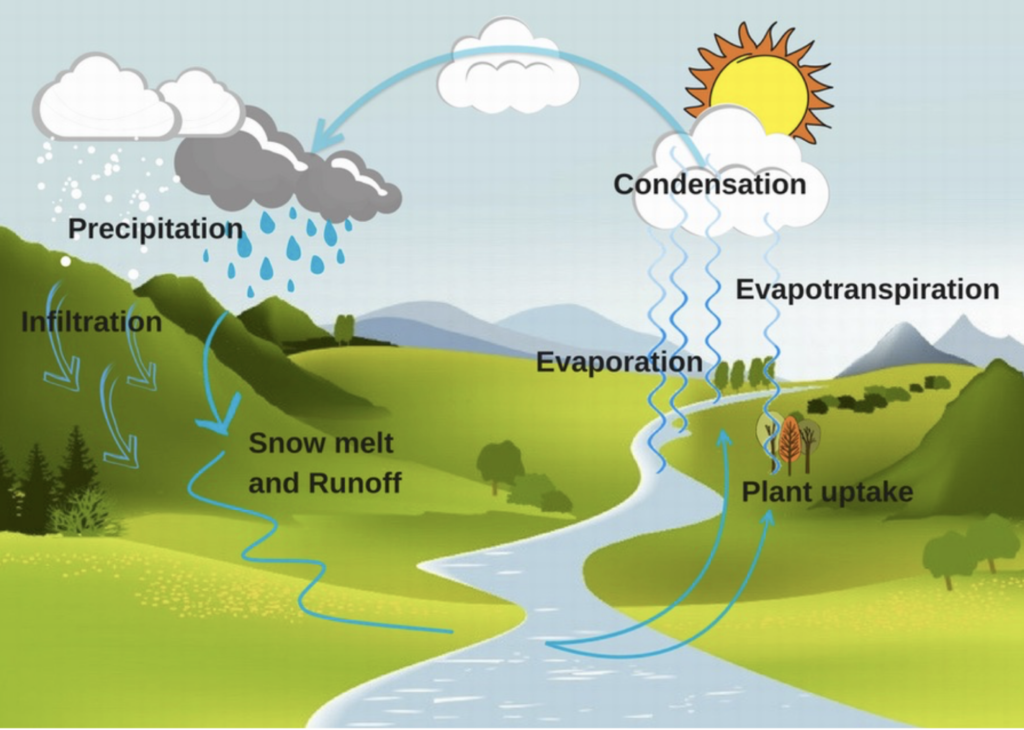
To appreciate the gravity of the 2025-2026 season, it is necessary to view snow through the lens of water resource management. Earth’s total water supply is finite and largely inaccessible; less than one-hundredth of one percent of the planet’s water is available as fresh surface water to support human civilization. In the Western United States, the seasonal snowpack acts as a "distributed reservoir," holding vast quantities of water in solid form until the warmer months of late spring and summer when demand for irrigation and municipal use peaks.
The scale of this natural storage is immense. Estimates suggest that at its peak, the snowpack in the contiguous United States stores approximately five times the volume of water contained in Lake Mead, the nation’s largest man-made reservoir. Unlike a dam, which concentrates water in a single geographic point, the snowpack distributes water across millions of acres of high-altitude terrain. This distribution allows for a slow, filtered release of water that maintains cool stream temperatures—essential for the survival of salmonids and other aquatic species—and reduces the risk of catastrophic downstream flooding during the spring thaw.
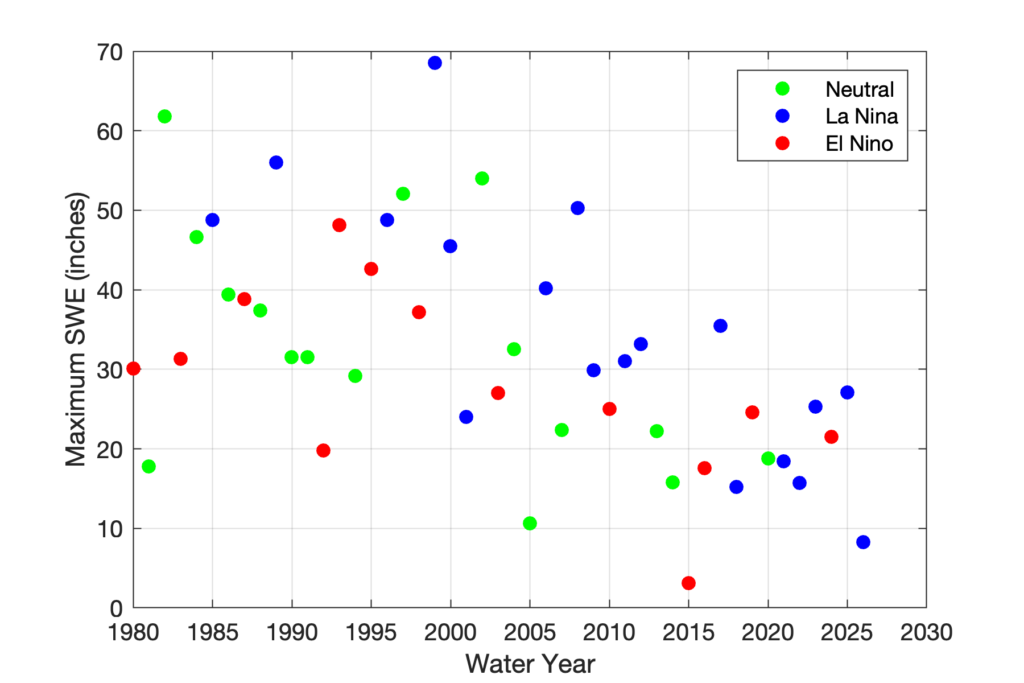
The 2025-2026 season saw a failure of this natural storage system. With the April 1 Snow Water Equivalent (SWE) at record lows, the "insurance policy" provided by the mountains has been largely cashed out before the summer heat has even arrived.
Supporting Data and Regional Variations
The NRCS and National Oceanic and Atmospheric Administration (NOAA) have released figures that illustrate the severity of the 2025-2026 anomalies. In the Pacific Northwest, several observation stations reported the lowest peak SWE values in 45 years. The "melt-out date anomaly" maps for April 2026 show a sea of red across the Cascades and the Northern Rockies, indicating areas where the snow vanished 60 days earlier than the 1991-2020 median.
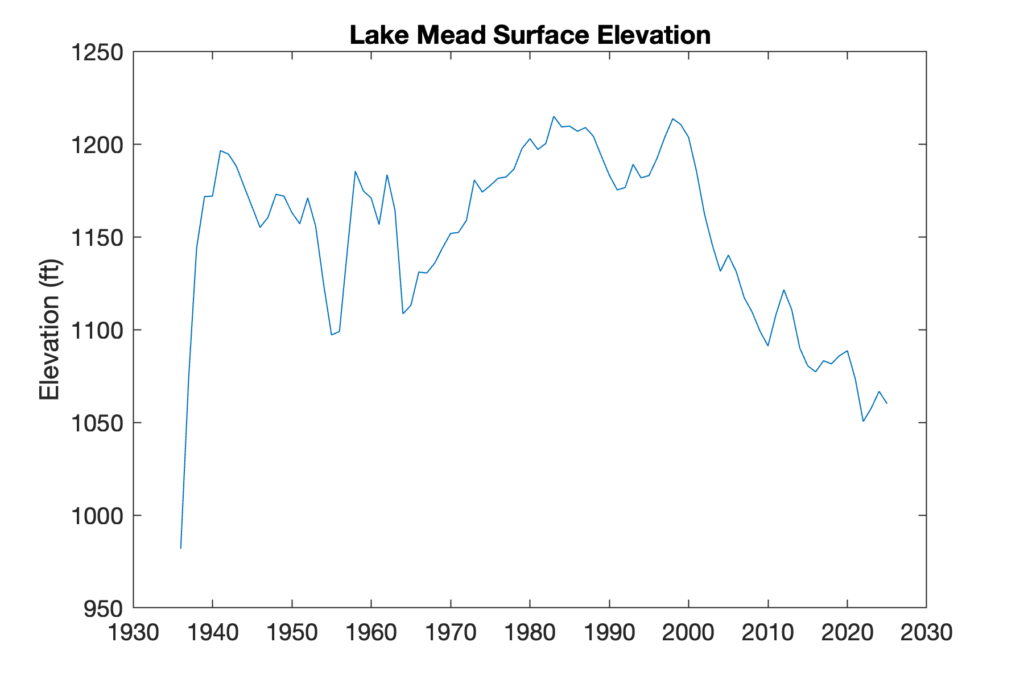
In the Colorado River Basin, which serves 40 million people across seven states and Mexico, the implications are particularly dire. The basin has already been under duress from two decades of "megadrought" conditions. The 2025-2026 season did little to alleviate the declining elevations of Lake Mead and Lake Powell. As of May 2026, Lake Mead’s water levels continue to hover near critical "dead pool" thresholds, where the Hoover Dam would no longer be able to generate hydroelectric power or release water downstream.
The lack of a robust snowpack means that the "runoff efficiency"—the ratio of snowmelt that actually reaches a stream or reservoir—is expected to be low. When snow melts prematurely or falls as rain on dry soil, a higher percentage of the moisture is absorbed by the parched ground or lost to evaporation and sublimation, rather than flowing into the river systems that fill the reservoirs.
Industry and Stakeholder Reactions
The economic and social fallout from the 2025-2026 season has prompted a flurry of responses from various sectors. The National Ski Areas Association (NSAA) noted that while large-scale resorts with extensive snowmaking capabilities managed to remain open, the "volatility of the freezing level" made operations increasingly expensive and labor-intensive. For smaller, community-based hills, the season was a financial blow that has reignited discussions about the long-term viability of low-elevation skiing.
Agricultural stakeholders in California’s Central Valley and Washington’s Yakima Valley have expressed "extreme concern" regarding junior water rights. With the natural mountain reservoir depleted by May, irrigation districts are bracing for a summer of mandatory curtailments. "We are seeing a shift from a snow-dominated regime to a rain-dominated regime," noted one hydrologist from Oregon State University. "Our current infrastructure was built for a world where the mountains held the water until July. We are now living in a world where that water is gone by April."
Conservation groups have also highlighted the ecological toll. Early snowmelt leads to "low-flow" conditions in rivers earlier in the summer, which causes water temperatures to rise to levels lethal for trout and salmon. The premature drying of mountain meadows also increases the risk of early-season wildfires, as high-altitude vegetation loses its moisture source weeks ahead of schedule.
Fact-Based Analysis of Future Implications
The 2025-2026 season serves as a stark case study in "climate stationarity"—or the lack thereof. For decades, water management was based on the assumption that the future would look like the past. However, the recent "boom or bust" cycles suggest that the West is entering a period of increased hydrologic instability.
While it is true that a lean year can be followed by a record-breaking winter—a phenomenon often referred to as "weather whiplash"—the underlying long-term trend is one of dwindling snow duration. As global temperatures rise, the "freezing line" moves higher up the mountain slopes. This reduces the total area capable of maintaining a seasonal snowpack, effectively shrinking the size of the natural reservoir.
The analysis of the 2025-2026 data suggests three primary takeaways for the future:
- Infrastructure Adaptation: There is an urgent need to modernize water storage and conveyance systems to capture "early water." This may include managed aquifer recharge, where excess winter rain is pumped into underground basins for later use.
- Temperature as the Primary Driver: While precipitation totals remain a focus of public attention, temperature is increasingly becoming the dominant factor in determining water availability in the West. "Warm winters" are now a greater threat to water security than "dry winters."
- Variable Resilience: Communities and industries that rely on snow must build "climate flexibility" into their business models. For the ski industry, this may mean diversifying into four-season recreation; for agriculture, it may mean transitioning to more drought-tolerant crops and precision irrigation.
As the Western United States moves into the summer of 2026, the focus shifts from the empty ski runs to the parched riverbeds. The "hot mess" of the winter season has set the stage for a challenging summer, underscoring the reality that in the American West, snow is not just a luxury for recreation—it is the lifeblood of the regional economy and the primary guarantor of water security. The glass may be half-full, as some optimists suggest, but without the cold of winter to freeze that water in place, the West must learn to manage a supply that is increasingly elusive and perpetually on the move.

