
The inaugural Red Bull Features Cup, a groundbreaking team-based snowboarding competition designed to challenge conventional contest formats, concluded in an unprecedented fashion this past weekend, witnessing a mathematically improbable three-way tie across its four diverse zones. The high-stakes deadlock forced a sudden-death hip session, where the Asia-Pacific squad, comprising Cool Wakushima, Zephyr Lovelock, Rocco Jamieson, and Miyabi Onitsuka, ultimately showcased superior adaptability and depth to clinch the coveted overall victory. This unique event, held on a spectacularly innovative course, redefined the essence of competitive snowboarding by prioritizing creativity, teamwork, and an unparalleled session-driven atmosphere over traditional, high-pressure individualism.
The Vision: Reshaping Competitive Snowboarding
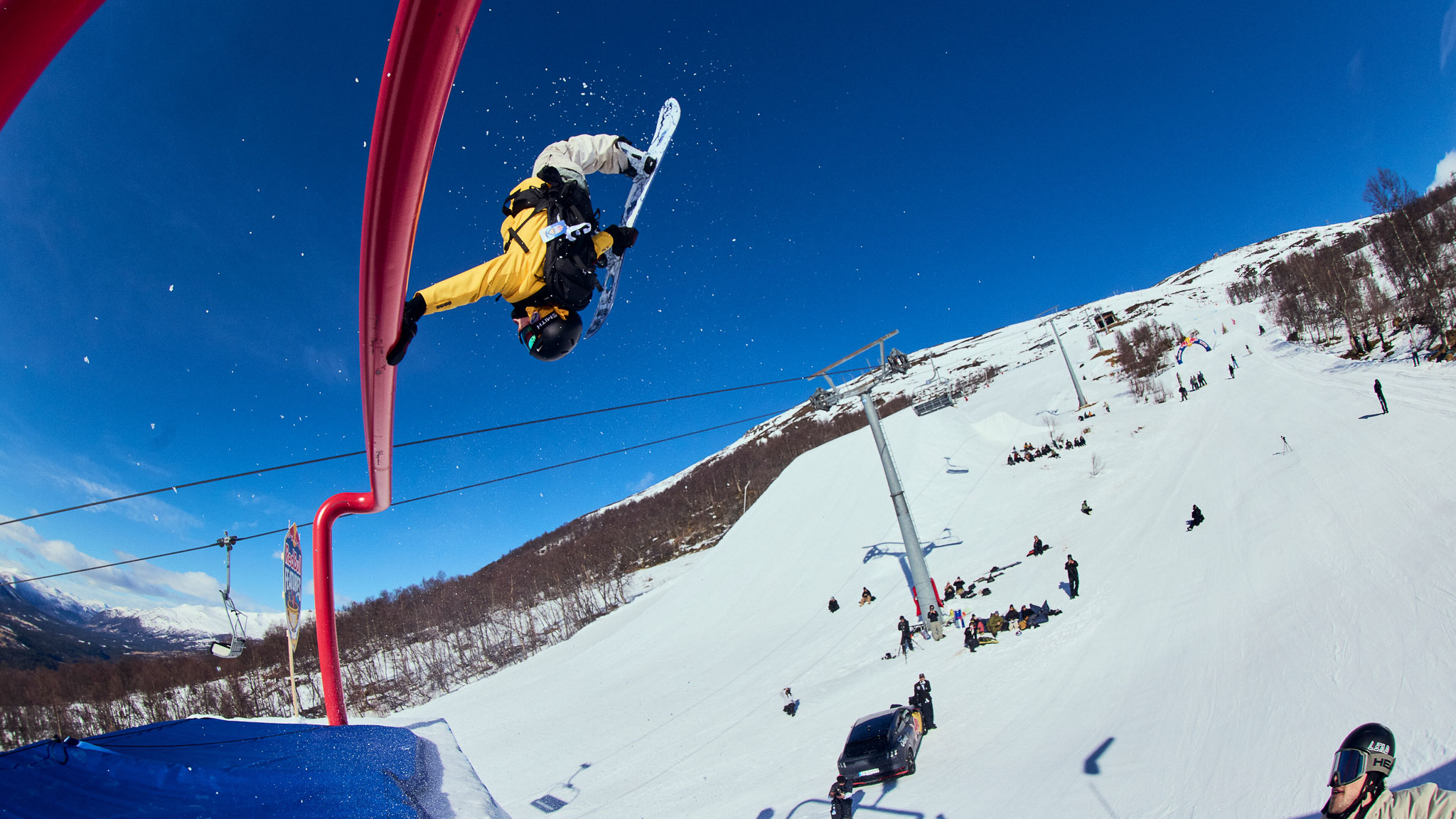
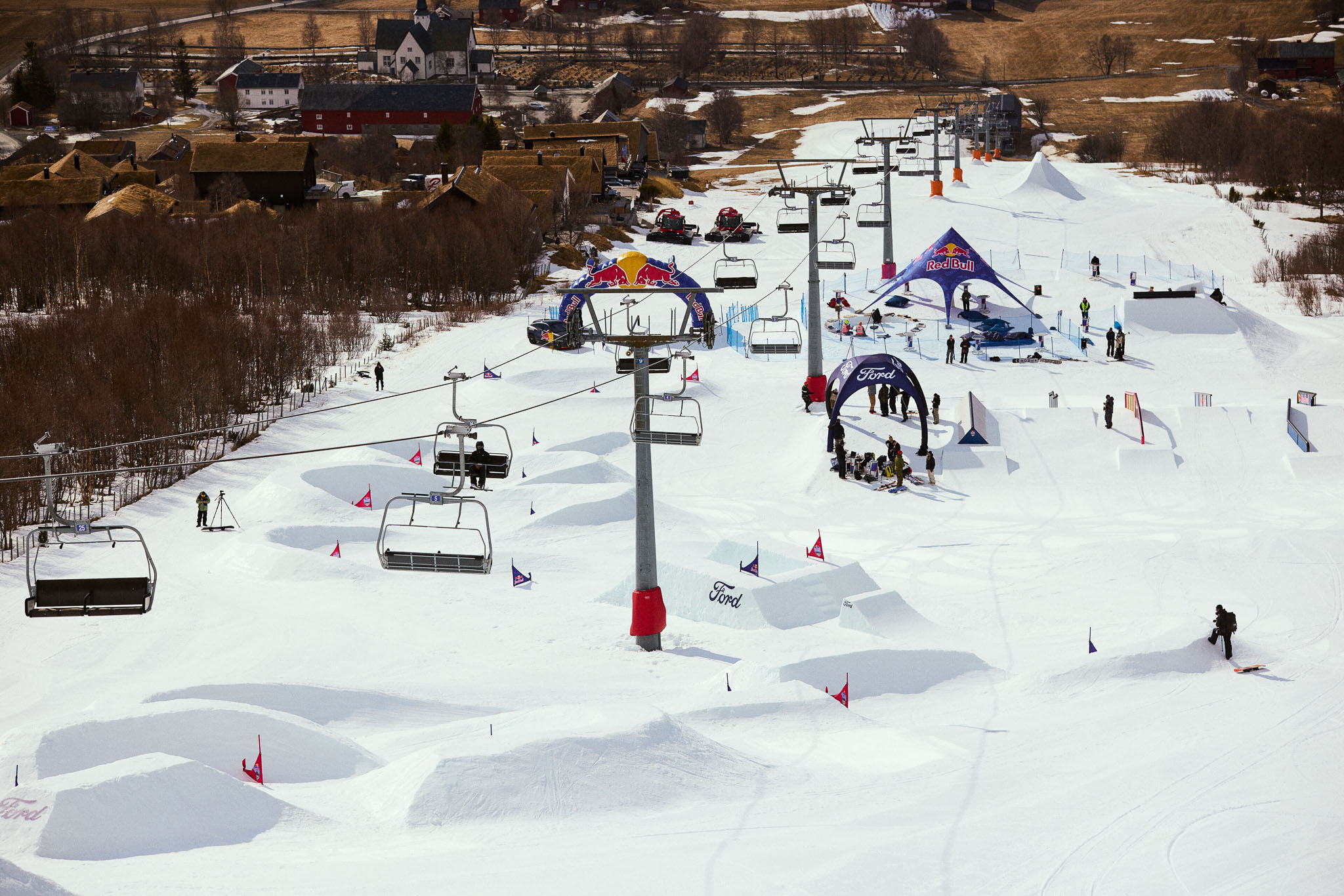
Conceived as a direct counterpoint to the often rigid and progression-focused nature of conventional snowboarding competitions like the X Games or Olympic slopestyle, the Red Bull Features Cup sought to inject a fresh wave of innovation and collaborative spirit into the sport. Organizers aimed to foster an environment where riders could feed off each other’s energy, pushing boundaries in a playful yet intensely competitive setting. The event’s philosophy centered on diverse skill sets, strategic team play, and the spontaneous eruption of creativity. The course itself, a sprawling canvas of snow artistry captured in breathtaking photographs by Olav Stubberud and Theo Acworth, was a testament to this vision, featuring an array of meticulously crafted obstacles designed to elicit the widest possible spectrum of snowboarding prowess. From the intricate turns of the banked slalom to the amplitude-demanding quarterpipe and the technical precision of the rail jam, every element was designed to test versatility. Crucially, the introduction of the "Mischief Multiplier," a series of creative challenges and unexpected format twists layered throughout the competition, ensured that adaptability and imaginative problem-solving were as vital as raw talent. This innovative structure, first hinted at in preliminary announcements in late 2025, promised a spectacle unlike any other in the 2026 winter sports calendar, and it delivered in spades.
The Contenders: A Global Roster of Talent
Three formidable regional teams assembled for the Red Bull Features Cup, each bringing a distinct blend of experience, technical mastery, and burgeoning talent to the snow-sculpted arena.
The Europe team was a powerhouse lineup, anchored by Norwegian sensation Marcus Kleveland, widely regarded as one of the most innovative and consistent riders in contemporary freestyle snowboarding. Kleveland’s natural leadership and formidable jump skills were complemented by the versatile Fridtjof Tischendorf, affectionately known as "Fridge," whose reputation for technical rail wizardry and amplitude in the quarterpipe preceded him. Rounding out the European contingent were Isak Ulstein, known for his smooth style and all-around competence, and Swiss rider Celia Petrig, a rising star recognized for her precision and flair on varied terrain. Their collective strength lay in a deep understanding of competition pressure and a history of high-level performance.
Representing North America, the team featured the dynamic Luke Winkelmann, a force in slopestyle and a master of speed and agility. Winkelmann’s aggressive approach and technical consistency provided a strong foundation. He was joined by Denver Orr, a renowned rail technician whose creative lines and effortless style have earned him widespread acclaim. Egan Wint, a rider celebrated for his powerful air game and command of large features, added another dimension, while Lane Weaver, a relatively newer face on the elite circuit, brought a fresh perspective and a hunger to prove himself across all disciplines. North America’s strategy leaned heavily on their collective technical depth and a reputation for consistent, high-scoring runs.
The Asia-Pacific team, often considered the dark horse of the competition, arrived with a compelling blend of seasoned talent and exciting newcomers. Cool Wakushima, a celebrated figure in the women’s snowboard scene known for her fearless approach and innovative trick selection, led the charge. Zephyr Lovelock, whose unique style and ability to blend traditional and progressive tricks made him a crowd favorite, added a crucial element of unpredictability. Rocco Jamieson, an emerging talent with a strong all-around skill set, particularly noted for his adaptability, and Miyabi Onitsuka, a veteran with a formidable presence in slopestyle and big air, completed the squad. The Asia-Pacific team’s strength lay in their collective ability to adapt on the fly, a quality that would prove critical in the dynamic format of the Features Cup.
The Gauntlet: A Chronology of Zones and Twists
The competition unfolded over four meticulously designed zones, each demanding a specific skillset and strategic team deployment, with points awarded 5-3-1 for first, second, and third place respectively. The "Mischief Multiplier" ensured no zone was ever truly predictable.
Zone 1: The Banked Slalom – Speed, Strategy, and Stance Shifters
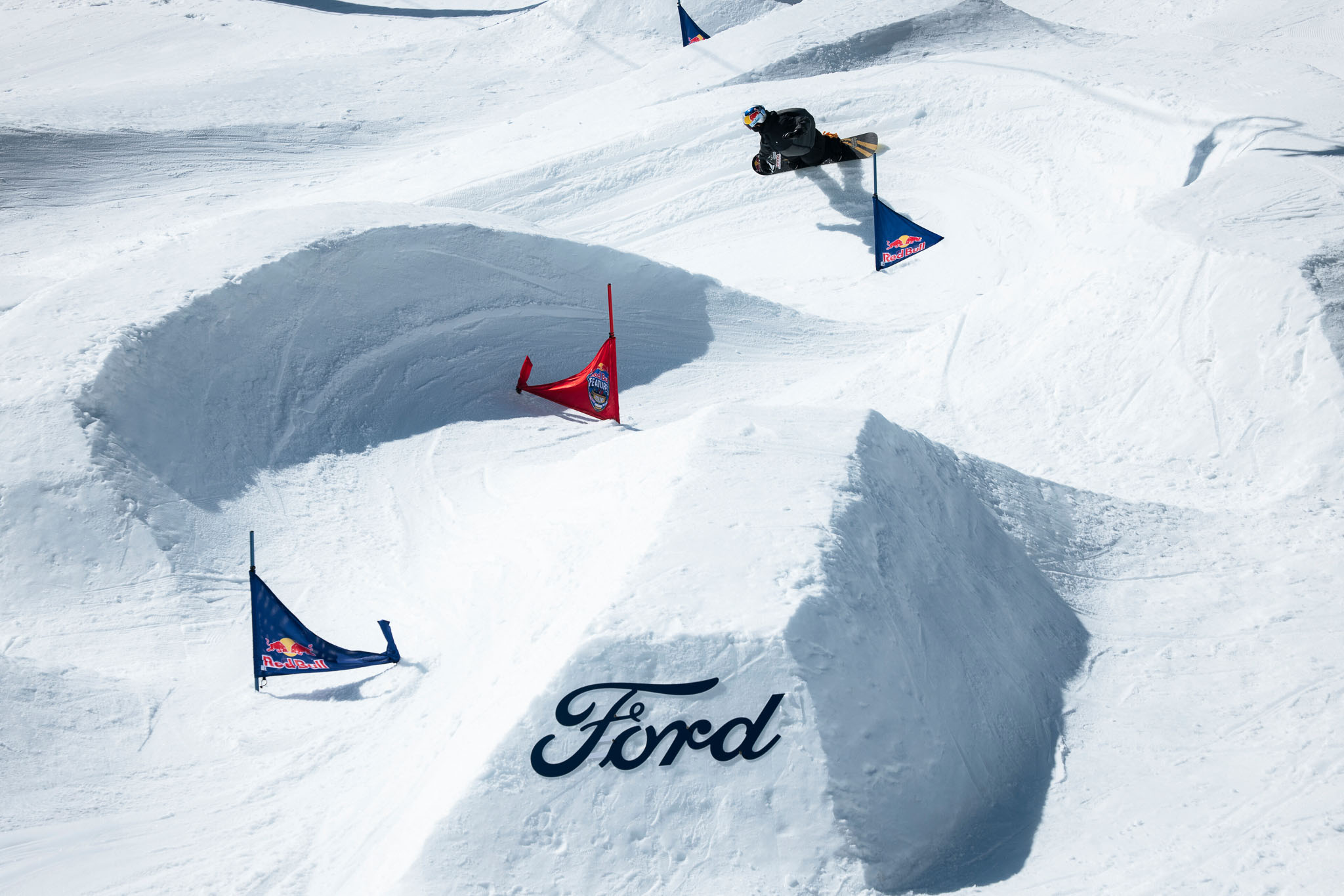
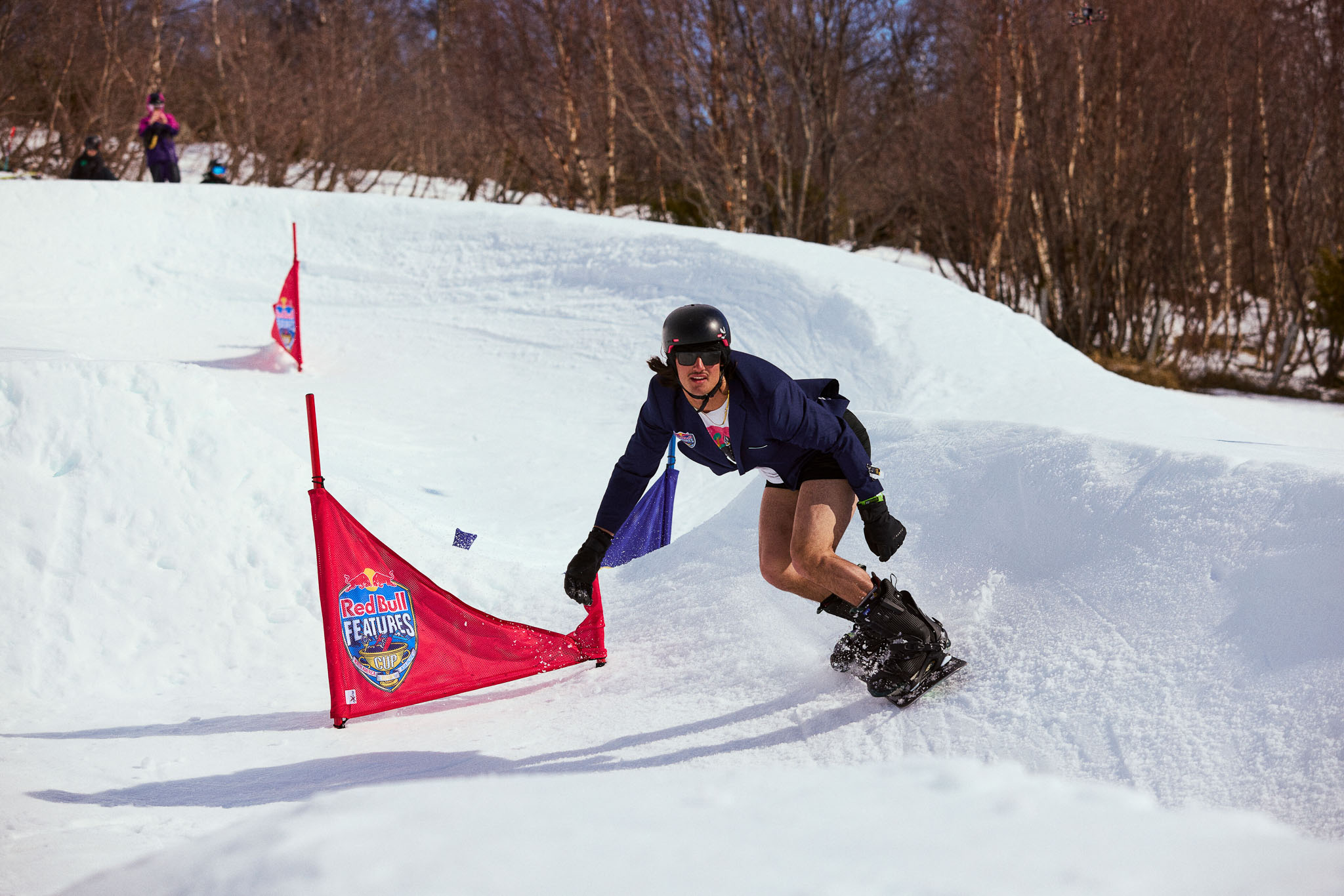
The opening challenge was the banked slalom, a high-octane blend of speed, strategy, and sheer board control. Teams faced two cumulative runs, with a critical twist: one run on standard competition boards and another on significantly shorter "mini boards." This required riders to rapidly adjust their technique, finding balance and edge control on unfamiliar equipment. Penalties were strictly enforced for missed gates, adding pressure to precision, while bonuses were awarded for creative risk-taking, including time deductions for audacious mid-course tricks like flips or grabs. North America’s Luke Winkelmann, known for his blistering speed, immediately set a blistering pace on the standard board, showcasing his team’s raw velocity and earning them an early lead. His lines were clean, efficient, and aggressively fast, laying down a marker for the competition. However, the mini-board run proved to be a great equalizer. While Europe’s Marcus Kleveland demonstrated remarkable adaptability, quickly mastering the twitchy short boards, Asia-Pacific employed a shrewd strategy, opting for consistent, clean runs over risky tricks, aiming to minimize penalties. Ultimately, North America secured the 5 points for the zone win, with Europe taking 3 points, and Asia-Pacific earning 1 point for their disciplined approach, keeping the overall standings tightly contested from the outset.
Zone 2: The Rail Jam – Technicality Meets Randomization
The atmosphere intensified in the rail jam, a zone designed to test technical proficiency and rapid adaptation. Initially, it began as a traditional, open session, allowing riders to showcase their preferred rail and box tricks. However, the "Mischief Multiplier" quickly came into play with the introduction of a giant spin wheel. This randomizer dictated specific trick elements or features riders had to incorporate on the fly – anything from "switch frontside 270 on to a down rail" to "lipslide to pretzel out on the kink box," or even forcing riders to use a specific, less-frequented feature like a hitching post. This dynamic element forced instant creativity and rewarded those who could think on their feet under pressure. North America, with its deep roster of rail specialists like Denver Orr, truly leaned into its technical rail depth, consistently delivering impressive and clean runs regardless of the randomizer’s dictates. Their ability to switch stances, rotations, and features seamlessly made this zone a clear strength. Europe’s Fridtjof Tischendorf, or "Fridge," emerged as a singular standout, performing with exceptional fluidity and precision under both open and randomized conditions. His effortless style and innovative trick choices consistently drew cheers, earning Europe a well-deserved 5 points for the zone, with North America securing 3 points and Asia-Pacific 1 point, reflecting their consistent, if slightly less flashy, performance.
Zone 3: The Quarterpipe – Amplitude, Artistry, and Aerial Acrobatics
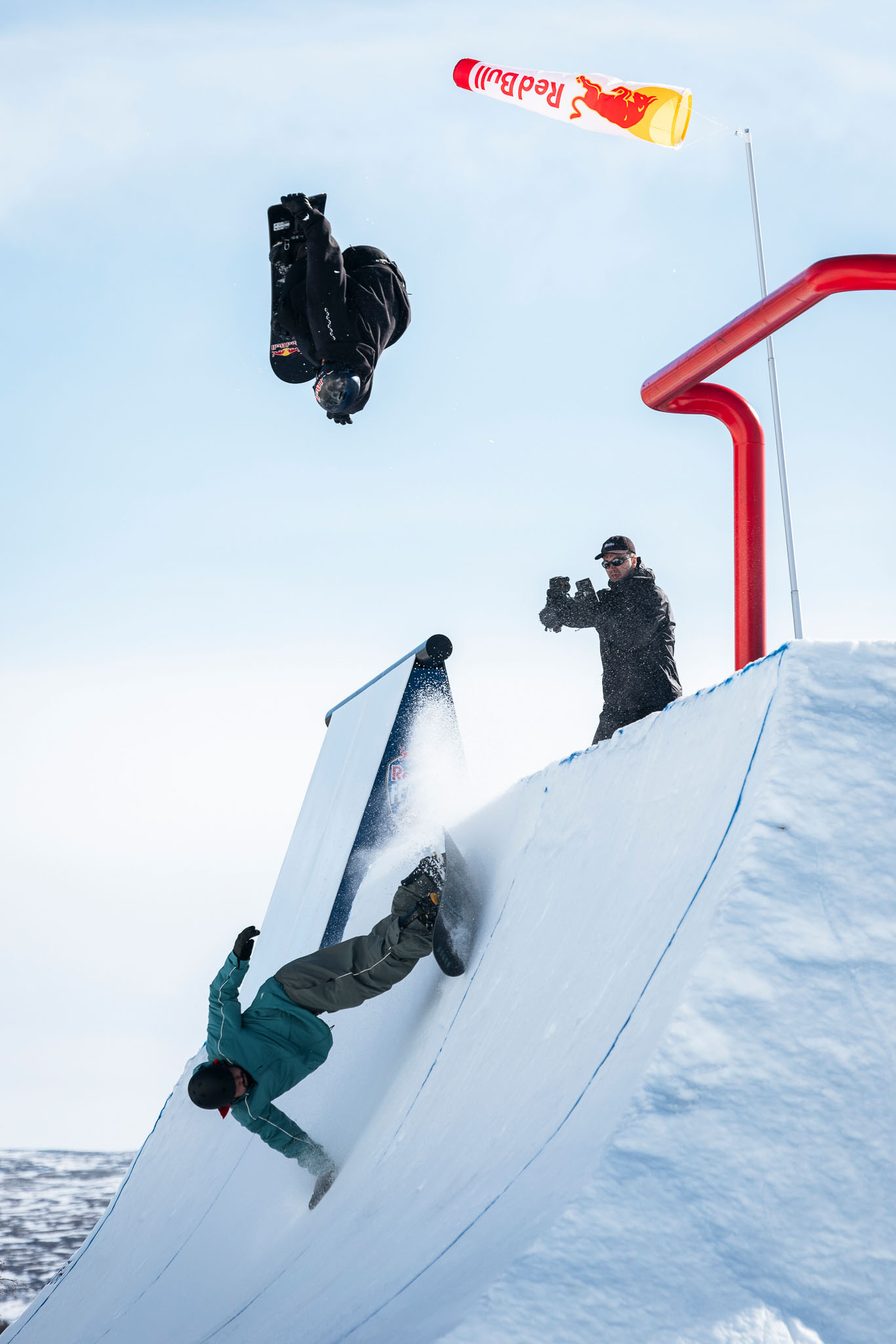
The focus then shifted to the quarterpipe, where amplitude, style, and team coordination were paramount. The zone featured not only a massive quarterpipe but also integrated elements like a wall ride and a hitching post, expanding the creative options for riders. Bonus points were strategically offered for synchronized "doubles" runs, a visually spectacular maneuver where one rider hit low on the coping while a teammate aired directly over them, showcasing incredible timing and trust. This collaborative challenge elevated the team dynamic. Impressively, all three teams successfully executed doubles runs, adding to the electrifying and supportive energy of the event. Europe’s Tischendorf again played a crucial role, anchoring his team’s performance with massive airs and stylish grabs, demonstrating his versatility beyond rails. North America also showed strong amplitude and execution, leveraging Egan Wint’s powerful air game. Asia-Pacific, despite showcasing strong air awareness across its roster, particularly from Cool Wakushima and Miyabi Onitsuka, fell just short in the zone standings, struggling slightly with the intricate coordination required for the highest bonus points. North America ultimately took 5 points for their consistent, high-amplitude runs and successful doubles, Europe secured 3 points, and Asia-Pacific claimed 1 point.
Zone 4: The Jump Session – Controlled Progression and Flow
The final jump session promised to be a defining highlight, designed with a unique progression format that deliberately capped rotation levels. Each rider was required to build from 180s up to a maximum of 900, meaning a rider couldn’t simply throw their biggest triple cork 1620. This innovative constraint shifted the focus away from sheer difficulty and toward execution, style, and consistency within a defined rotational window. Teams had to carefully plan their trick selection, prioritizing clean landings, grabs, and overall flow. Europe, led by the incomparable Marcus Kleveland, entered this zone as a clear powerhouse, given his reputation for technical perfection and stylish air awareness. Kleveland did not disappoint, delivering a masterclass in controlled progression, executing flawless 540s, 720s, and 900s with textbook precision and signature grabs. However, all three teams rose to the challenge, delivering a tightly contested finale. Asia-Pacific, showcasing their adaptability, delivered some of the most fluid and creative runs, with Cool Wakushima’s unique approach to grabs and spins earning high praise. Their ability to find individuality within the capped rotation format proved decisive. Asia-Pacific secured a crucial 5 points, Europe earned 3 points, and North America finished with 1 point.
The Unprecedented Deadlock and Sudden-Death Resolution
As the final scores from the jump session were tallied, a palpable tension gripped the Red Bull Features Cup arena. In a scenario deemed mathematically improbable by many seasoned competition analysts, the scoreboard revealed a stunning three-way tie. Each team – Europe, North America, and Asia-Pacific – had amassed precisely 12 points after all four zones. Europe’s two zone wins (Rail Jam, Jump Session) were balanced by North America’s two zone wins (Banked Slalom, Quarterpipe) and their consistent second-place finishes. Asia-Pacific, despite only one zone win (Jump Session), had shrewdly accumulated points through multiple second and third-place finishes, demonstrating remarkable consistency and strategic depth to stay level with the powerhouses.
This unprecedented deadlock immediately triggered an unplanned, high-stakes sudden-death scenario: a hip session. The hip feature, known for demanding both amplitude and technical creativity, became the ultimate decider. Each team selected one rider to perform a single, definitive trick. The pressure was immense, with the entire event hinging on one collective moment.
North America put forward Luke Winkelmann, who delivered a massive, stylish air with a clean grab, setting a high bar. Europe responded with Marcus Kleveland, who, true to form, executed a technically perfect rotation with incredible amplitude, barely clearing Winkelmann’s effort. The crowd erupted, sensing the razor-thin margins.
However, it was Asia-Pacific’s turn, and they capitalized on the mounting momentum and their inherent depth. Sending Cool Wakushima to the hip, she unleashed a truly unique and powerful trick, combining massive air with an unconventional grab and a buttery smooth landing, captivating the judges and the audience. Her performance encapsulated the spirit of creativity and fearless progression that the Features Cup aimed to celebrate. The judges deliberated briefly, the suspense almost unbearable, before announcing Asia-Pacific as the winner of the sudden-death hip session and, consequently, the overall champions of the inaugural Red Bull Features Cup.
Final Results:
1st Asia-Pacific
2nd North America
3rd Europe
Reactions and Implications: A New Benchmark for Snowboarding
The immediate aftermath was a mix of exhilaration and admiration for all three teams. "This event exceeded our wildest expectations," commented a Red Bull spokesperson post-event. "The three-way tie was a testament to how perfectly balanced the format was and how equally matched these incredible athletes are. Asia-Pacific’s win in sudden death was truly earned, showcasing their adaptability and creative spirit."
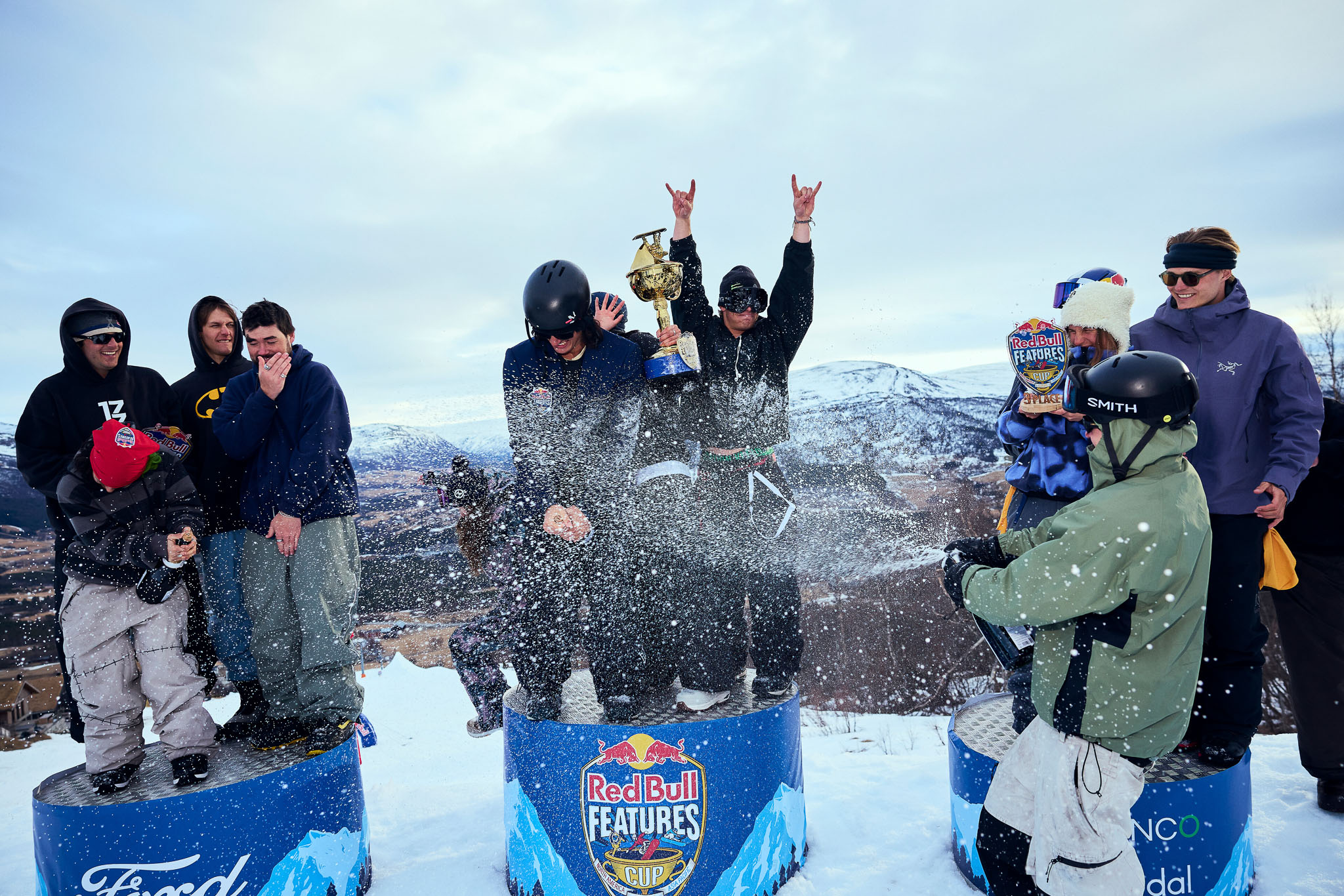
Cool Wakushima, beaming from the podium, shared her excitement: "Winning this feels unbelievable. The format pushed us to be so creative and to really work as a team. Every zone was different, and the ‘Mischief Multiplier’ kept us on our toes. It truly felt like a session with friends, but with the intensity of a final. This is what snowboarding should be about." Miyabi Onitsuka added, "The team aspect made it so special. We were constantly strategizing, cheering each other on. That final hip session, the pressure was immense, but Cool absolutely delivered."
Luke Winkelmann of North America, though disappointed by the sudden-death loss, expressed enthusiasm for the event’s format. "It was a tough way to lose, but what an incredible event. The camaraderie among all the riders was insane. It really felt like we were all pushing each other in a positive way, not just competing against each other. This is a game-changer for contests." Marcus Kleveland echoed this sentiment: "We gave it our all, and I’m so proud of the European team. The format was brilliant. It truly highlights different aspects of snowboarding that sometimes get overlooked in traditional events. It’s about skill, but also about flow and creativity."
The Red Bull Features Cup has immediately established itself as a significant disruptor in the competitive snowboarding landscape. Its emphasis on a session-driven environment, where riders feed off each other’s energy and creativity is rewarded, stands in stark contrast to the often individualistic and high-pressure nature of events focused solely on technical difficulty. This format encourages a more well-rounded skillset, demanding not just aerial prowess but also speed, technical rail work, and strategic adaptability.
The implications for the future of competitive snowboarding are profound. The success of the Features Cup suggests a growing appetite for formats that prioritize artistic expression, collaborative effort, and unpredictable challenges. It could inspire other events to experiment with similar elements, moving away from purely quantitative judging towards a more holistic appreciation of snowboarding. Moreover, the team aspect fosters a stronger sense of community within the sport, potentially broadening its appeal to new audiences who appreciate dynamic team play. By shifting the focus from "who can do the hardest trick" to "who can be the most creative and adaptable," the Red Bull Features Cup has not only delivered an unforgettable spectacle but has also set a new benchmark for what competitive snowboarding can, and perhaps should, be. It has proven that creativity can indeed lead, teamwork truly matters, and at its core, snowboarding remains about having fun and pushing the boundaries together.

