
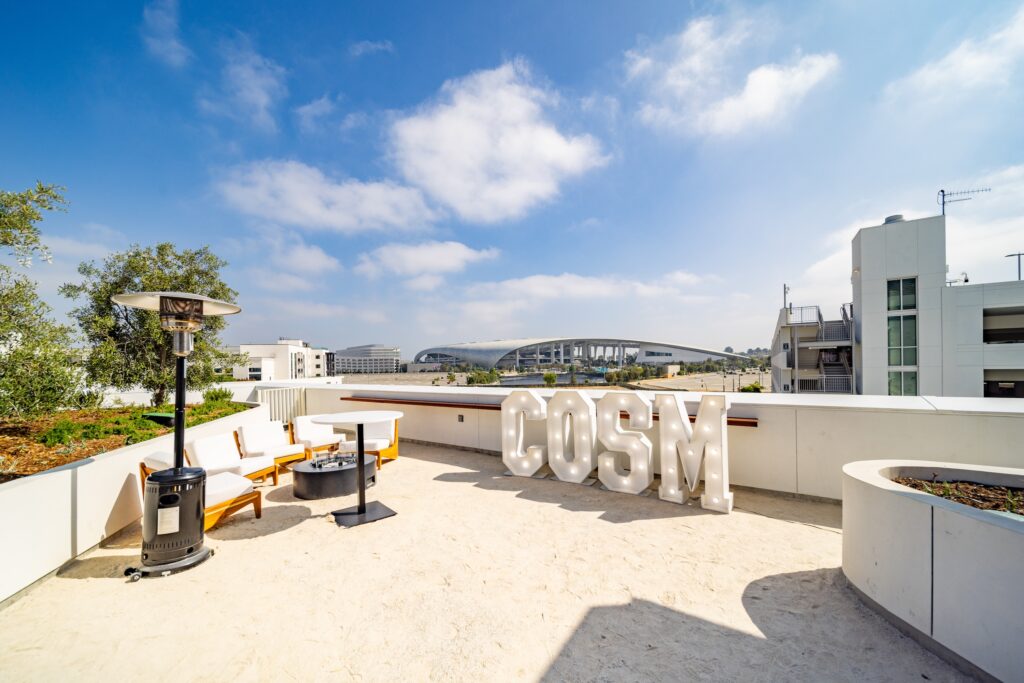
On Thursday, March 12, 2026, the landscape of extreme sports will undergo its most significant evolution in three decades as the inaugural MoonPay X Games League (XGL) Draft takes center stage at Cosm Los Angeles. Situated in the heart of Hollywood Park, this event marks the transition of the X Games from a series of independent, biannual competitions into a structured, year-round professional league. Fifty of the world’s most elite action sports athletes are scheduled to converge in Southern California for the draft, which will be broadcast live from 6:30 to 8:30 p.m. PT. This historic night will see the formation of four foundational teams, effectively establishing a new era of "tribalism" and team-based loyalty in a sector traditionally defined by individual achievement.
The draft will be accessible to a global audience through an expansive digital distribution network. In the United States, fans can watch the proceedings via the ESPN App, while international viewers can tune in through the Roku Sports Channel, the official X Games YouTube channel, Kick.com, and the X Games TV FAST Channel on Amazon. This multi-platform approach reflects the league’s commitment to reaching a digitally native audience that increasingly consumes sports content through streaming and social platforms rather than traditional linear television.
The Dawn of the X Games League (XGL)
The MoonPay X Games League represents a strategic pivot for the iconic brand, which has been the gold standard for action sports since its inception in 1995. By moving to a year-round, global, team-based format, the XGL aims to provide a more consistent narrative for fans and more stable opportunities for athletes. While the inaugural 2026 season will focus on summer disciplines, including skateboarding and BMX, the league has already confirmed that winter disciplines will be integrated into the format starting in 2027.
Central to the league’s identity is its progressive coed structure. Each X Games Club (XC) will consist of 10 athletes—five men and five women. This 1:1 gender ratio is a rarity in professional sports leagues and underscores the X Games’ long-standing commitment to gender equity. In a sport where women’s progression has exploded over the last five years, particularly in skateboarding and BMX park, the XGL provides a permanent platform for female athletes to compete on equal footing with their male counterparts in terms of team points and prize purses.
The four inaugural clubs are strategically anchored in global metropolitan hubs known for their deep roots in action sports culture:
- XC Los Angeles: Representing the birthplace of modern skateboarding.
- XC New York: Tapping into the gritty, influential East Coast street scene.
- XC São Paulo: Representing Brazil, a powerhouse nation that has dominated recent international skateboarding competitions.
- XC Tokyo: Celebrating Japan’s recent rise as the leading force in technical skateboarding and BMX progression.
Draft Mechanics and the Selection Process
The selection process on Thursday night will be rigorous. Out of a massive pool of 180 athletes who formally opted into the draft, only 40 will be selected to fill the rosters of the four founding clubs. This high level of exclusivity ensures that the XGL remains a "best-of-the-best" circuit, featuring only those capable of podium-level performances on the world stage.
The draft will consist of five rounds, with eight selections per round (two per team). The draft order, which was determined earlier this month via a randomized lottery, places XC New York in the coveted first-overall position. The full order for the first round is:
- XC New York (General Manager: Steve Rodriguez)
- XC Los Angeles (General Manager: Sharalee “Haze” Hazen)
- XC Tokyo (General Manager: Harumi Suzuki)
- XC São Paulo (General Manager: Bob Burnquist)
The General Managers (GMs) selected to lead these franchises are icons within the community. Bob Burnquist, a 30-time X Games medalist and skateboarding pioneer, brings a legendary competitive resume to XC São Paulo. Steve Rodriguez, often called the "Mayor of New York Skateboarding," provides deep industry knowledge for XC New York. Harumi Suzuki and Sharalee Hazen offer specialized expertise in the Japanese and Californian markets, respectively, ensuring each team has a distinct cultural and tactical identity.
A High-Stakes Talent Pool
The 2026 draft pool features a mix of seasoned veterans and teenage prodigies who have redefined what is possible in action sports. Among the most anticipated picks is Nyjah Huston, a 15-time X Games gold medalist whose name is synonymous with street skateboarding excellence. Huston’s consistency and competitive drive make him a likely top-tier pick for any GM looking to anchor a roster with a proven winner.

In the women’s category, Arisa Trew enters the draft as one of the most exciting prospects. The Australian phenom recently made history by becoming the first female skater to land a 720 and a 900 in competition, signaling a generational shift in the sport’s progression. Her presence in the draft highlights the XGL’s ability to attract the current vanguard of Olympic-level talent.
Other notable athletes expected to be selected include:
- Tom Schaar: Known for his versatility across transition and mega-ramp disciplines, Schaar is a strategic asset for any team needing high-score potential in multiple events.
- Hannah Roberts: A two-time X Games BMX Park gold medalist and Olympic silver medalist, Roberts is widely considered the most dominant force in women’s BMX today.
- Kevin Peraza: One of the most stylish and creative riders in BMX, Peraza’s ability to excel in both Park and Dirt disciplines makes him a highly valuable "utility" athlete for the team format.
Chronology of the 2026 Inaugural Season
The draft serves as the official starting gun for a high-intensity summer season. Following the selection of rosters on March 12, the four clubs will enter a period of training and brand building before the competitive season begins in late June. The 2026 calendar is structured to maximize global exposure:
- Season Opener (June 26): The league kicks off in Sacramento, California. This first event will serve as the world’s first look at the team-based scoring system in action.
- X Games Japan (July 4–5): The league moves to the Chiba region for a mid-season clash. This event is expected to be a massive draw for XC Tokyo, testing the "home field advantage" in an action sports context.
- League Championship (July 24–26): The season culminates inside the iconic Caesars Superdome in New Orleans. This championship event will feature the crowning of the first-ever MoonPay X Games League champion. The winning team will be awarded a substantial team purse, further incentivizing the collective performance over individual accolades.
Financial Context and Industry Implications
The branding of the league as the "MoonPay X Games League" highlights a significant shift in sports sponsorship. MoonPay, a leader in cryptocurrency infrastructure, serves as the title partner, joined by founding partner Monster Energy. Other major sponsors include Stake, Exodus, 805 Beer, High Noon, and Kraken Rum.
The involvement of tech-forward companies like MoonPay and Exodus suggests that the XGL is looking to integrate blockchain technology or digital collectibles (NFTs) into the fan experience, potentially offering "tokenized" access to team content or exclusive digital merchandise. This aligns with the X Games’ history of being an early adopter of counter-culture trends and new technologies.

Industry analysts suggest that the professionalization of action sports through a league format is a response to the "Olympic effect." Since skateboarding and BMX freestyle were added to the Olympic program (debuting in Tokyo 2020 and continuing in Paris 2024), the sports have seen a surge in institutional funding and mainstream visibility. However, the Olympics occur only once every four years. The XGL provides a platform that maintains this high level of professional production and competitive stakes on an annual basis.
Broader Impact and Future Outlook
The move to a team format is expected to revolutionize how athletes approach their careers. Traditionally, action sports athletes relied on individual sponsorship deals and contest winnings. The XGL structure introduces the concept of team salaries and shared bonuses, providing a financial safety net that has historically been missing from the industry.
Furthermore, the team dynamic is expected to foster new rivalries. By pitting cities like New York and Los Angeles against one another, the X Games is tapping into traditional sports tropes that drive fan engagement. A fan in São Paulo now has a specific team to root for, regardless of whether their favorite individual athlete is competing that day.
As the draft approaches, the excitement within the community is palpable. "This isn’t just about who can do the best trick anymore," noted one industry insider. "It’s about who can build the best roster. It’s about strategy, gender balance, and consistency over an entire season. This is the professionalization the sport has been heading toward for thirty years."
With the first pick on Thursday night, the X Games will officially step out of the "alternative" sports niche and into the arena of major league professional athletics. The world will be watching to see which athletes will become the faces of these new franchises and how this historic coed experiment will redefine the future of competitive action sports.

