
As the 2022-2026 Olympic and Paralympic cycle draws to a close, the International Ski and Snowboard Federation (FIS) has announced unprecedented expansion across its global development programs, marking a period of significant investment and strategic growth in snow sports. A comprehensive self-assessment published this week by FIS reveals record participation figures for athletes, coaches, camps, and National Ski Associations (NSAs), signaling a pivotal era in the organization’s efforts to democratize and globalize winter sports. The federation’s report underscores a strategic vision focused on inclusion, sustainability, and long-term capacity building, which has evidently begun to yield substantial results.
The core findings of the FIS self-assessment highlight a remarkable surge in development activity over the past four years. According to figures released by the federation, a total of 2,378 athletes and coaches collectively engaged in nearly 20,000 individual development days on snow between 2022 and 2026. This period witnessed a staggering 141% increase in participants compared to the previous cycle, alongside a 208% rise in program-specific activities, with a robust delivery of 97 distinct initiatives throughout the Olympic cycle. These statistics are not merely numbers; they represent thousands of aspiring athletes gaining crucial training, hundreds of coaches enhancing their expertise, and numerous emerging ski nations receiving the foundational support necessary to build sustainable winter sports programs.
Dimitrije Lazarovski, FIS Development Programs Director, characterized the last four years as a period of "significant progress" for the organization’s worldwide development endeavors. In his comments published by FIS, Lazarovski articulated the driving philosophy behind this success: "Through a clear strategic vision focused on inclusion, sustainability, and long-term capacity building, the program has evolved into one of the key drivers of global winter sport growth." This statement encapsulates the multifaceted approach adopted by FIS, moving beyond mere participation numbers to foster a robust ecosystem capable of nurturing talent and expanding the geographical footprint of snow sports. The emphasis on long-term capacity building, in particular, speaks to an ambition to create self-sustaining programs within NSAs, rather than relying solely on external support.
A Strategic Imperative: The Vision Behind FIS Development
The genesis of FIS’s intensified development efforts lies in a broader recognition of the need to cultivate winter sports beyond traditional strongholds. While nations in Europe and North America have historically dominated disciplines like Alpine skiing and Nordic sports, FIS has identified significant untapped potential in regions with emerging economies, diverse climates, and burgeoning interest in sports. The development programs are thus not just about increasing numbers but about fostering a truly global winter sports community. This strategic imperative is driven by several factors: the Olympic Agenda 2020+5’s call for greater universality, the need to diversify talent pools, and the long-term health and growth of FIS as a global governing body.
Historically, challenges such as prohibitive equipment costs, limited access to snow-covered infrastructure, and a dearth of qualified coaching staff have hindered the growth of winter sports in many parts of the world. FIS’s development strategy directly addresses these barriers. By providing equipment, funding, and educational opportunities, the federation aims to level the playing field, allowing athletes from non-traditional winter sports nations to compete and excel on the international stage. The emphasis on "inclusion" extends to ensuring equitable opportunities for athletes regardless of their national origin or socio-economic background, while "sustainability" refers to building enduring structures and knowledge within NSAs that can persist beyond the immediate support cycle.
Chronology of Growth: Milestones in the 2022-2026 Cycle
The 2022-2026 Olympic cycle can be viewed as a carefully orchestrated progression of expanded initiatives, building momentum year after year.
- 2022-2023: Foundation and Strategic Blueprint. The initial year of the cycle focused on solidifying the strategic vision. This involved extensive consultation with NSAs to identify specific needs and tailor programs accordingly. Early camps were established, emphasizing foundational skills and introducing a new generation of athletes and coaches to FIS standards. Pilot projects for equipment distribution and basic coach education were launched, particularly in regions identified as having high growth potential but limited resources.
- 2023-2024: Expansion and Educational Focus. Building on the initial success, this period saw an expansion of camp offerings and a heightened focus on coach education. FIS organized a series of workshops and seminars aimed at upskilling coaches in various disciplines, recognizing that well-trained local coaches are crucial for long-term sustainability. The emphasis shifted from basic training to more advanced techniques and sports science, ensuring a higher quality of instruction across participating nations.
- 2024-2025: Program Diversification and Regional Hubs. This year marked the introduction of the refined membership support structure – the FIS Start Program and FIS Plus Program – designed to provide more tailored assistance. Regional development hubs were strengthened, allowing for more localized program delivery and fostering greater cooperation between neighboring NSAs. Initiatives like the guaranteed access agreements for ski days in Asia began to take significant shape, addressing fundamental infrastructure challenges.
- 2025-2026: Peak Activity and Targeted Initiatives. The final year of the cycle emerged as the most active, demonstrating the cumulative effect of previous investments. FIS reported 37 program-specific activities delivered or supported across Europe, South America, and Asia during this single season, involving nearly 800 athletes and coaches. This period also saw a strong push for female participation, and the organization of crucial regional cooperation seminars, such as the one in Portorož, Slovenia, to address ongoing challenges and foster collaborative solutions.
Key Gains and Supporting Data: A Deep Dive into the Numbers
The self-assessment provides compelling evidence of the development programs’ reach and impact. The 2,378 athletes and coaches participating in nearly 20,000 individual development days on snow represent a significant investment in human capital. These "development days" encompass a wide range of activities, from intensive training camps on glaciers to introductory clinics for schoolchildren in urban centers, all designed to foster skill development and passion for snow sports.
A particularly noteworthy achievement highlighted by FIS is the securing of over 800 ski days across Asia through guaranteed access agreements. For nations like India, China, or countries in Southeast Asia, where natural snow infrastructure might be limited or inaccessible to the general populace, these agreements provide critical opportunities for training and competition. This initiative is vital for expanding winter sports participation in a region with immense demographic potential.
The report also emphasized impressive growth in specific disciplines:
- Alpine Skiing: Experienced a 45% year-over-year increase in development events, indicating a strong drive to cultivate talent in the foundational discipline of ski racing. This growth suggests an expanding pipeline of junior racers potentially progressing to the international circuit.
- Cross-Country Skiing: Saw a 14% increase in camp participation, reflecting a steady expansion of endurance-based snow sports. Cross-country skiing, with its lower barrier to entry in terms of specific terrain requirements compared to alpine, often serves as an excellent gateway into winter sports for many developing nations.
- Freestyle Disciplines and Gender Parity: A remarkable statistic emerged concerning female participation in Snowboard, Freeski, and Freestyle camps, where women accounted for 52% of all athletes. This significant achievement underscores FIS’s commitment to gender equality and diversity in action, fostering an inclusive environment in some of the most dynamic and rapidly growing segments of snow sports. This is crucial for attracting a broader demographic to winter sports and ensuring a balanced representation in future competitions.
Beyond direct athlete and coach training, FIS also pointed to new education and regional cooperation initiatives. These programs are designed to improve athlete safety through enhanced protocols and medical training, and to strengthen relationships with regional federations. By fostering stronger ties, FIS aims to create a more integrated global network, facilitating knowledge exchange and collaborative problem-solving.
Athlete Voices and the Value of Connection
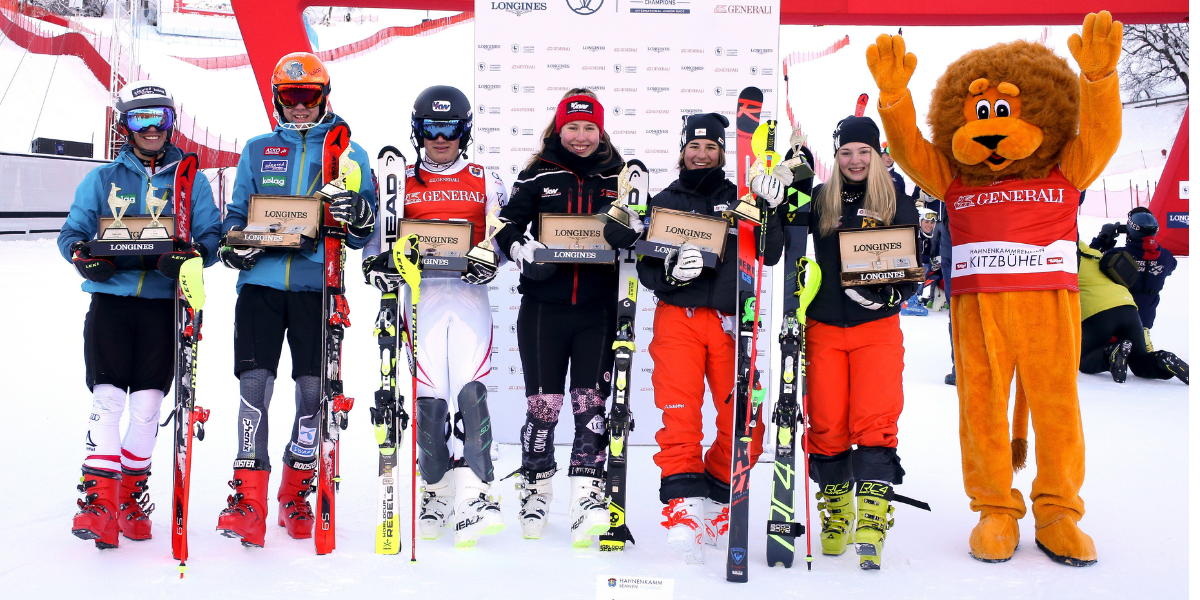
The human element of these programs is powerfully illustrated through initiatives like FIS’s "SnowStories," which showcases the experiences of individual athletes. Bosnian Alpine skier Anur Mehić, featured in the report, provided valuable insight into the qualitative benefits of attending FIS camps. Mehić articulated that beyond the technical training, one of the most profound advantages was the opportunity to connect with athletes and coaches from diverse nations. "The most important thing for me was meeting a lot of new people and making new friends," Mehić stated in comments published by FIS. "I love to hear from different people, different opinions. It helped to gain more knowledge and meet new people."
This testimony highlights a critical aspect of the development strategy: transforming camps into not just training grounds but also vibrant networking and educational environments. For athletes from smaller or developing ski nations, these camps offer invaluable exposure to international standards, different training methodologies, and a global community that transcends national borders. Such interactions are instrumental in broadening perspectives, fostering camaraderie, and ultimately enhancing performance through shared learning.
Membership Expansion and Tailored Support Structures
A significant element of the development report focused on the evolution of FIS’s membership support structure. Recognizing the diverse needs of its member federations, FIS reworked its programs into two distinct categories:
- The FIS Start Program: This initiative is specifically designed for nascent or smaller federations, focusing on providing essential equipment and promotional support. Examples cited include the donation of 100 pairs of roller skis – crucial for year-round cross-country training in regions without consistent snow – and 35 promotional equipment packages, which help raise the profile of winter sports locally. This program addresses the fundamental barriers of resource scarcity and visibility.
- The FIS Plus Program: Targeting more established but still developing federations, the Plus Program offers direct funding assistance for federation-led initiatives. FIS reported supporting 22 such "Plus projects," which could range from organizing national championships, funding specialized coaching clinics, or investing in local infrastructure improvements. This flexible funding allows NSAs to address their most pressing needs with greater autonomy.
The expansion of FIS’s global footprint was further evidenced by the addition of new member nations during the cycle. Azerbaijan and Saudi Arabia joined as full members, signifying a growing interest in winter sports in regions not traditionally associated with snow. Furthermore, Benin, Bhutan, and Indonesia entered as associate members, underscoring the federation’s success in reaching out to new territories and bringing diverse cultures into the winter sports family. These new memberships are not just symbolic; they represent potential new markets, new talent pools, and new opportunities for the sport’s global expansion.
Addressing Future Challenges: Collaboration and Sustainable Planning
While the report paints a largely positive picture of growth, FIS remains acutely aware of the ongoing challenges facing winter sports development. A recent development seminar held in Portorož, Slovenia, brought together federation representatives and member nations to openly discuss these hurdles. Key issues identified included persistent funding limitations, challenges in accessing suitable infrastructure, the continuous need for advanced coach education, strategies for athlete retention to prevent talent drain, and ensuring equitable equipment accessibility.
Dimitrije Lazarovski emphasized that these candid conversations reinforced the critical need for long-term cooperation and sustainable planning among National Ski Associations. The insights gained from such forums are vital for adapting future development strategies, ensuring that programs remain relevant, impactful, and responsive to the evolving needs of the global winter sports community. The path forward involves a collaborative effort, with FIS acting as a facilitator and catalyst for change, empowering NSAs to take ownership of their development trajectories.
Broader Impact and Implications: A New Era for Winter Sports
The comprehensive self-assessment by FIS is more than just an internal evaluation; it provides a compelling narrative of winter sports entering a new era of global expansion. The numbers and initiatives detailed in the report illustrate the federation’s growing emphasis on robust development infrastructure as winter sports continue to permeate emerging regions and smaller national programs.
The implications of this accelerated growth are far-reaching:
- Democratization of Winter Sports: The programs are actively breaking down geographical and socio-economic barriers, making winter sports accessible to a wider demographic. This fosters greater diversity among athletes and enriches the global sporting landscape.
- Enhanced Talent Identification: Development camps serve as crucial pipelines for identifying and nurturing talent from non-traditional backgrounds, potentially unearthing future Olympic and World Cup champions who might otherwise never have had the opportunity.
- Economic Opportunities: The expansion of winter sports into new regions can stimulate local economies through sports tourism, infrastructure development (e.g., indoor ski slopes, training centers), and increased demand for equipment and related services.
- Strengthening FIS’s Global Mandate: By actively supporting its members and expanding its reach, FIS reinforces its role as a truly international governing body, enhancing its legitimacy and influence on the global sports stage.
- Sustainability and Legacy: The focus on long-term capacity building ensures that the impact of these programs extends beyond immediate training, creating lasting legacies of expertise, infrastructure, and passion for snow sports within developing nations.
In conclusion, the 2022-2026 Olympic cycle has proven to be a transformative period for FIS’s development programs. The significant increases in participation, activities, and the strategic expansion of support initiatives underscore a deliberate and successful effort to cultivate a more inclusive, diverse, and globally representative winter sports landscape. As the federation looks ahead, the foundation laid in this cycle will undoubtedly serve as a springboard for continued growth, promising an even brighter and more expansive future for skiing and snowboarding worldwide.

