
The landscape of British Alpine skiing has entered a transformative phase as GB Snowsport officially unveiled its squad selections for the 2026/27 season. With the competitive cycle shifting focus toward the 2027 Alpine World Championships in Crans-Montana, the governing body has named a 36-athlete roster across the World Cup, Europa Cup, and FIS Development squads. This announcement marks a significant milestone in the sport’s domestic history, signaling the first full season following the retirement of Dave Ryding, widely regarded as Great Britain’s most successful alpine ski racer. The new selections reflect a strategic blend of seasoned Olympians and a burgeoning generation of technical specialists aimed at maintaining Britain’s standing on the global stage.
The World Cup Squad: A New Vanguard
The elite World Cup squad for the 2026/27 season consists of five athletes who will carry the mantle of British hopes in the highest tier of international competition. Leading the contingent are 2026 Milan-Cortina Olympians Billy Major and Laurie Taylor. Both athletes have spent the last several seasons establishing themselves as consistent point-scorers on the World Cup slalom circuit. Their experience is viewed as critical for the team’s stability during this period of transition. Major and Taylor have both demonstrated the ability to compete with the world’s best, and their leadership will be paramount as the team navigates a post-Ryding environment.
Joining them are Reece Bell and Victoria Palla, both of whom have shown significant progression over the previous two winters. Bell, who has overcome injury setbacks earlier in her career, remains one of the UK’s brightest prospects in technical disciplines. Palla has similarly earned her place through a series of strong performances on the Europa Cup circuit that translated into World Cup starts.

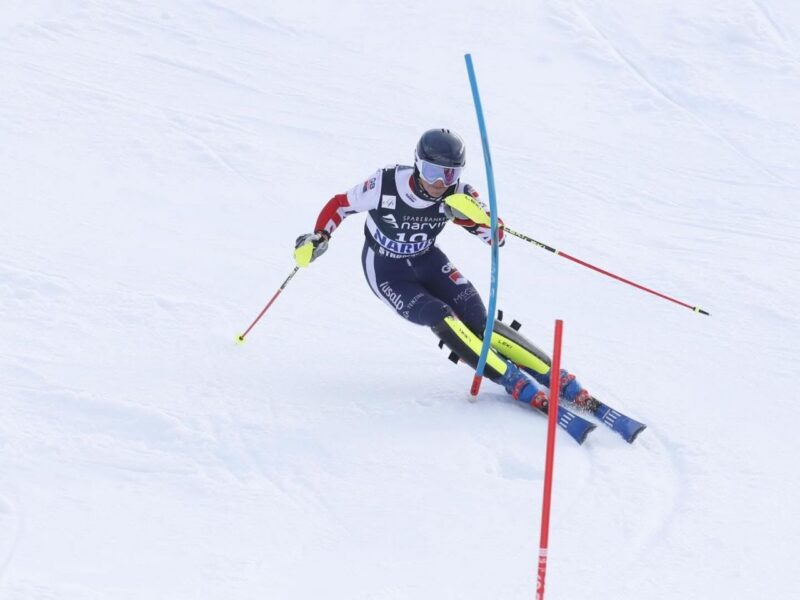
However, the headline inclusion in the World Cup squad is Freddy Carrick-Smith. His promotion comes on the heels of a spectacular breakthrough year. Carrick-Smith’s trajectory was solidified at the 2026 Junior World Alpine Championships in Narvik, Norway, where he secured a silver medal. His transition to the senior World Cup squad is seen not merely as a reward for junior success but as a strategic move to integrate a high-potential athlete into the elite ranks early in the Olympic cycle. Analysts suggest that Carrick-Smith’s rapid ascent mirrors the development curves of top-tier Austrian and Swiss racers, providing a spark of optimism for the British program.
Navigating the Post-Dave Ryding Era
The 2026/27 season is defined largely by the absence of Dave Ryding. For over a decade, Ryding was the face of British skiing, breaking barriers by winning the Kitzbühel slalom in 2022 and proving that a "dry-slope" skier from Lancashire could dominate on the icy faces of the Alps. His retirement following the Milan-Cortina Winter Olympics has left a void in terms of both podium potential and mentorship.
The current squad selection is a direct response to this vacuum. The emphasis has shifted from relying on a single figurehead to building a broader "podium-potential" base. By naming five athletes to the World Cup squad, GB Snowsport is diversifying its chances across both the men’s and women’s technical fields. The departure of Ryding also places a new level of responsibility on Billy Major and Laurie Taylor, who must now step into the role of senior statesmen, providing the psychological and tactical blueprint for the younger athletes like Carrick-Smith.
The Carrick-Smith Dynasty and the Europa Cup Pipeline
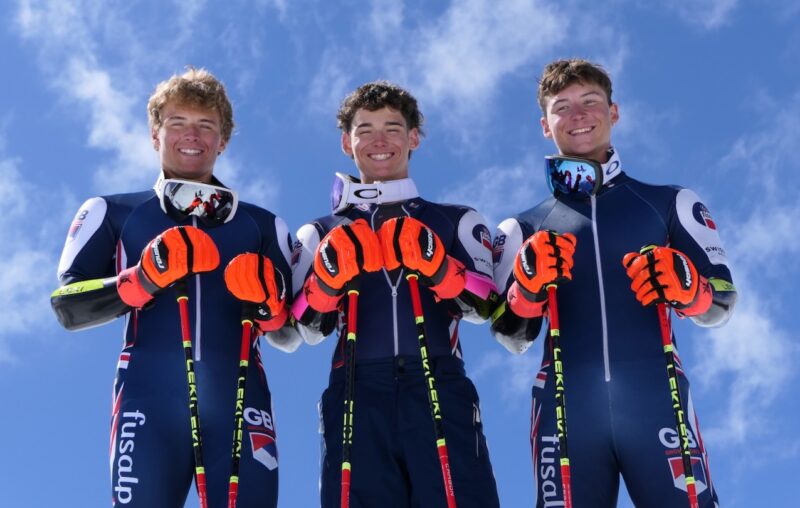
A unique feature of the 2026/27 selections is the prominence of the Carrick-Smith family. While Freddy has moved into the World Cup spotlight, his brothers, Luca and Zak Carrick-Smith, have been named to the Europa Cup squad. This "triple-threat" family dynamic has been a point of interest for domestic ski followers for several years, and their simultaneous presence in the national team ranks underscores the importance of family-supported development programs in British snowsports.
The Europa Cup squad itself is robust, comprising 11 male and three female skiers. This squad serves as the vital bridge between junior development and the World Cup. The roster features a mix of experienced competitors and rising stars, including:
- Luca Carrick-Smith
- Zak Carrick-Smith
- Giselle Gorringe
- Calum Langmuir
- Dominic Shackleton
- Owen Vinter
- Molly Butler
- Jack Irving
- Nicole Wordley
The depth of this squad is a testament to the increased investment in the Europa Cup level, which is often cited as the most competitive proving ground in alpine skiing. For athletes like Calum Langmuir and Owen Vinter, the 2026/27 season represents a critical juncture where consistent top-10 finishes in the Europa Cup will be required to earn "quota spots" for World Cup entries.
FIS Development: Cultivating the Next Generation
The largest contingent in the announcement is the FIS Development squad, which includes 17 of the most promising young athletes in the country. This tier is designed to provide the necessary support for skiers aged 16 to 20 as they transition from academy and club racing into international FIS-sanctioned events.
A number of these athletes are receiving senior national rank recognition for the first time. The goal for the FIS Development squad is centered on lowering FIS points and gaining experience in diverse snow conditions across Europe and North America. By identifying talent early, GB Snowsport aims to ensure a continuous pipeline of athletes who can eventually populate the Europa Cup and World Cup rosters. This long-term planning is essential for a nation that lacks its own glacial training grounds and must rely on efficient, overseas-based programs.

Leadership and Strategic Oversight
The announcement coincides with a change in the administrative and coaching hierarchy of British skiing. Mark Tilston has been appointed as the new GB Snowsport Alpine Director, a role designed to provide a unified technical vision across all squads. Tilston’s appointment is seen as a move toward greater professionalization and data-driven training methodologies.
In his inaugural statement regarding the selections, Tilston emphasized the rigors of the selection process. "Meeting the standard to achieve selection to the team requires a huge commitment to the sport," Tilston noted. "Every member of these squads has shown real dedication, grit, and determination. This has the potential to be an incredibly exciting season, and I’m confident that the whole team, coaches, and support personnel will make the country proud."
Complementing Tilston’s technical oversight is the governance of the GB Snowsport Alpine Discipline Committee, chaired by Juliet Foster. Foster highlighted the collaborative effort required to maintain a world-class program, specifically acknowledging the financial contributions of sponsors. "We are fortunate to have such a talented and committed team of Alpine athletes," Foster said. She also extended gratitude to Tenzing and the GB Alpine Foundation benefactors, whose funding is critical for covering the high costs of travel, equipment, and coaching in the alpine circuit.
Timeline and Key Milestones for 2026/27
The 2026/27 season will follow a rigorous schedule designed to peak in February 2027. The following timeline outlines the key phases for the newly announced squads:
- June – September 2026: Summer conditioning and glacier training camps in Saas-Fee and Zermatt, Switzerland.
- October 2026: World Cup season opener in Sölden, Austria (Giant Slalom).
- November – December 2026: North American leg of the World Cup and the commencement of the Europa Cup circuit.
- January 2027: The "Classic" month, featuring iconic races in Adelboden, Wengen, and Kitzbühel. This will be the primary testing ground for the World Cup squad.
- February 1–14, 2027: The Alpine World Championships in Crans-Montana, Switzerland. This is the marquee event of the season and the primary target for all senior squad members.
- March 2027: World Cup Finals and British National Alpine Championships.
Analysis of Implications and Future Outlook
The selection of 36 athletes during a transition year suggests that GB Snowsport is doubling down on its "volume-to-elite" strategy. By maintaining a large development pool, the organization is mitigating the risks associated with the high attrition rates in alpine skiing due to injury and financial strain.
The 2026/27 season will be a litmus test for the "Ryding Effect." While Dave Ryding’s individual success brought visibility and funding, the true measure of his legacy will be whether the infrastructure he helped build can produce another podium contender. Freddy Carrick-Smith is currently the most likely candidate to follow that trajectory, but the pressure of the World Cup circuit is immense.
Furthermore, the focus on technical disciplines (Slalom and Giant Slalom) remains the cornerstone of the British strategy. While there have been occasional forays into speed events (Downhill and Super-G), the current squad composition confirms that GB Snowsport believes its best chance for medals and sustainable funding lies in the technical gates.
As the athletes prepare for the first snow of the 2026/27 winter, the British alpine community remains cautiously optimistic. The blend of Olympic experience in Major and Taylor, combined with the youthful energy of the Carrick-Smith brothers and a deep development pool, provides a framework that could see Great Britain remain a persistent threat on the international skiing stage for years to come.

