
The European Alps experienced one of the deadliest weekends in recent mountaineering history as a series of unrelated accidents across the Mont Blanc Massif, the Aosta Valley, and the Italian Dolomites claimed the lives of nine individuals between June 12 and June 14, 2026. Emergency response teams from France and Italy reported a relentless surge in call-outs beginning Friday morning and lasting through Sunday evening. While the region enjoyed deceptively stable weather conditions characterized by clear blue skies and light winds, authorities believe a combination of rapid snow melt and the degradation of high-altitude permafrost created a lethal environment for even the most experienced climbers and skiers.
The fatalities, which included one high-altitude skier and eight mountaineers, have reignited urgent discussions regarding the safety of traditional Alpine routes in an era of accelerating climatic shifts. As early summer temperatures soared, the structural integrity of technical climbing routes—historically considered "in season" during June—appeared to fail, leading to catastrophic rockfalls and unpredictable surface conditions.
Fatalities in the Mont Blanc Massif
The Mont Blanc Massif, the most prominent and popular climbing destination in Europe, was the site of several tragic incidents. On the Italian side of the massif, a 44-year-old skier lost his life following a severe fall on the Brenva Spur. The Brenva Spur is a legendary and formidable line on the eastern face of Mont Blanc, known for its steepness and technical complexity. According to reports from the Soccorso Alpino Valdostano (the Aosta Valley mountain rescue), the skier was descending a technical section when he lost his footing and fell several hundred meters. His ski partner, who witnessed the accident, was able to remain stationary and alert the authorities immediately. Despite a rapid response by helicopter-borne medical teams, the skier was pronounced dead at the scene due to the severity of his injuries.
Further north in the massif, tragedy struck on the Kuffner Ridge of Mont Maudit. This classic aesthetic route, which sits at an elevation of approximately 4,000 meters, is a favorite for alpinists seeking a technical challenge with stunning views. On Saturday, a 26-year-old woman and her 24-year-old brother, both residents of the Savoie region in France, were climbing the ridge when they fell to their deaths. The alarm was raised by a professional mountain guide working in the vicinity who reported hearing the sound of a significant rockfall followed by the sight of the falling climbers.
Rescuers from the Peloton de Gendarmerie de Haute Montagne (PGHM) in Chamonix were dispatched to the site, but they were only able to recover the bodies of the siblings. In a chilling coincidence, a separate party of three climbers was involved in a fall in the same immediate area shortly after. Fortunately, this group survived the incident and was successfully evacuated by the PGHM, though they were treated for various degrees of trauma and shock.
The Gran Paradiso Tragedy
The carnage continued in Italy’s Aosta Valley, specifically on the north face of Gran Paradiso, the only mountain over 4,000 meters entirely within Italian borders. Three experienced mountaineers from the Trentino region—a province itself famous for its climbing culture and the Dolomites—were reported missing after failing to return to their base at Rifugio Chabod.
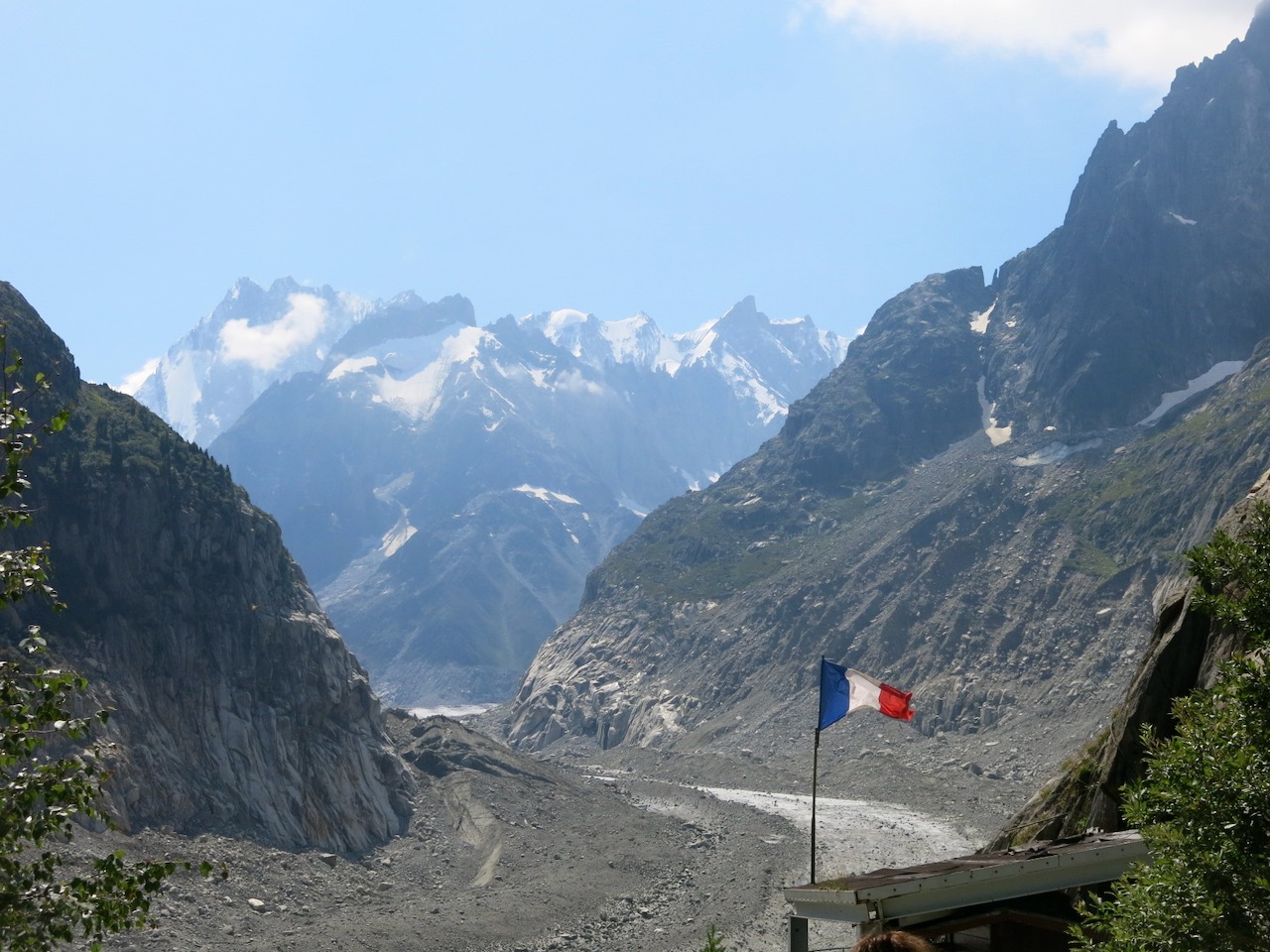
The trio had set out early in the morning to tackle the north face, a classic ice and mixed climb. When they failed to make contact with their families at the designated time on Saturday evening, an alarm was raised. Search operations began under the cover of night but were hampered by the technical nature of the terrain. On Sunday morning, search teams discovered the bodies of the three men at the base of the north face. Preliminary investigations suggest the group fell approximately 400 meters.
Rescue officials noted that the climbers were exceptionally well-equipped and were known to be familiar with the route. The fact that such an experienced and prepared group perished has sent shockwaves through the Italian mountaineering community, suggesting that the hazards present over the weekend were beyond the standard margin of error for even veteran alpinists.
Incidents at the Matterhorn and Monte Pasubio
The iconic Matterhorn (Cervino) also claimed a life during this "Black Weekend." A climber fell to his death near Pic Tyndall, a prominent shoulder at 4,241 meters on the Italian side of the mountain (the Lion Ridge). The victim’s partner survived the fall and was rescued from the ridge in a state of deep distress. The Lion Ridge is the standard Italian route, but it is notoriously prone to rockfall during periods of warming, as the frozen "glue" that holds the fractured rock together begins to liquefy.
The final reported fatalities occurred on Sunday, June 14, in the Vicenza side of Monte Pasubio, located in the Prealps of northern Italy. Two climbers fell roughly 100 meters while ascending the Sojo d’Uderle, a popular limestone face. A third member of their rope team remained suspended on the rock face, still secured by climbing gear. In a high-stakes operation, local rescue teams managed to reach the survivor and bring him to safety, but the two fallen climbers were confirmed dead upon the arrival of medical personnel.
Environmental Factors and the Role of Permafrost
The common thread across these disparate incidents appears to be the unseasonably warm temperatures and the resulting instability of the terrain. While the sky was clear and the wind was low—conditions usually considered "perfect" for climbing—the internal temperature of the mountains told a different story.
Geologists and mountain safety experts have increasingly warned about the degradation of permafrost in the Alps. Permafrost acts as a cryogenic cement, binding loose rock and debris together in high-altitude environments. When the "zero-degree isotherm" (the altitude above which temperatures remain below freezing) rises significantly above 4,000 meters for sustained periods, this ice melts. The result is "active layer" instability, leading to spontaneous rockfalls and the collapse of established climbing routes.
In the case of the Mont Blanc Massif and the Matterhorn, the early summer of 2026 has seen a rapid transition from winter snowpack to summer melt. This transition period is notoriously dangerous because the melting snow lubricates rock joints, while the lack of overnight "refreeze" prevents the terrain from stabilizing.
Official Responses and Safety Warnings
Authorities in both France and Italy have issued stern warnings to the mountaineering community. The Mayor of Chamonix and regional officials in the Aosta Valley have stressed that traditional "guidebook" conditions may no longer apply in the current climate.
"We are seeing a shift in the Alpine calendar," stated a spokesperson for the mountain rescue services. "Routes that were traditionally safe in June and July are now becoming high-risk zones due to rock instability and the lack of structural ice. Experience and high-quality equipment are essential, but they cannot always protect a climber against the mountain itself when the terrain is fundamentally shifting."
The PGHM and Soccorso Alpino have urged climbers to:
- Seek Local Knowledge: Consult with local mountain guides and hut keepers who observe the daily changes in route conditions.
- Monitor the Isotherm: Pay close attention to the altitude of the freezing level. If the mountain does not freeze overnight, the risk of rockfall and snow avalanches increases exponentially by mid-morning.
- Adjust Objectives: Be prepared to abandon high-altitude technical routes in favor of lower-elevation or less crumbly rock faces when temperatures spike.
Broader Implications for Alpine Tourism
The events of mid-June 2026 are likely to have a lasting impact on the Alpine tourism and guiding industry. As the mountains become more "active" and dangerous during the peak summer months, the window for safe climbing is narrowing. This has economic implications for the mountain huts (rifugios), guiding companies, and local economies that rely on the influx of thousands of climbers every summer.
Furthermore, there is a growing debate within the mountaineering community regarding the ethics of rescue. As the risks to rescue personnel increase due to falling rock and unstable ice, some are calling for more restrictive access to certain peaks during heatwaves. However, the tradition of "freedom of the hills" remains strong in Europe, making mandatory closures a controversial and unlikely solution.
The loss of nine lives in a single weekend serves as a somber reminder of the inherent risks of mountaineering and the changing nature of the Alpine environment. As the bodies are returned to their families and the climbing community mourns, the focus remains on education and adaptation. The mountains are not changing their height, but they are changing their character, requiring a new level of vigilance from those who seek to reach their summits.

