
The transition from the high-altitude demands of winter sports to the sedentary habits of the off-season represents one of the primary risk factors for musculoskeletal injuries among alpine athletes. While the traditional skiing season typically spans from late autumn to early spring, sports medicine professionals and professional trainers emphasize that maintaining "ski shape" is a perennial requirement rather than a seasonal preparation. The physiological demands of navigating variable terrain, such as powder, ice, and moguls, require a robust foundation of core stability, eccentric lower-body strength, and lateral mobility. By implementing a rigorous year-round conditioning program, skiers can develop the resilience necessary to prevent common injuries, including anterior cruciate ligament (ACL) tears, medial collateral ligament (MCL) strains, and chronic lower back pain.
The Biomechanics of Alpine Stability: The Side Plank Assessment
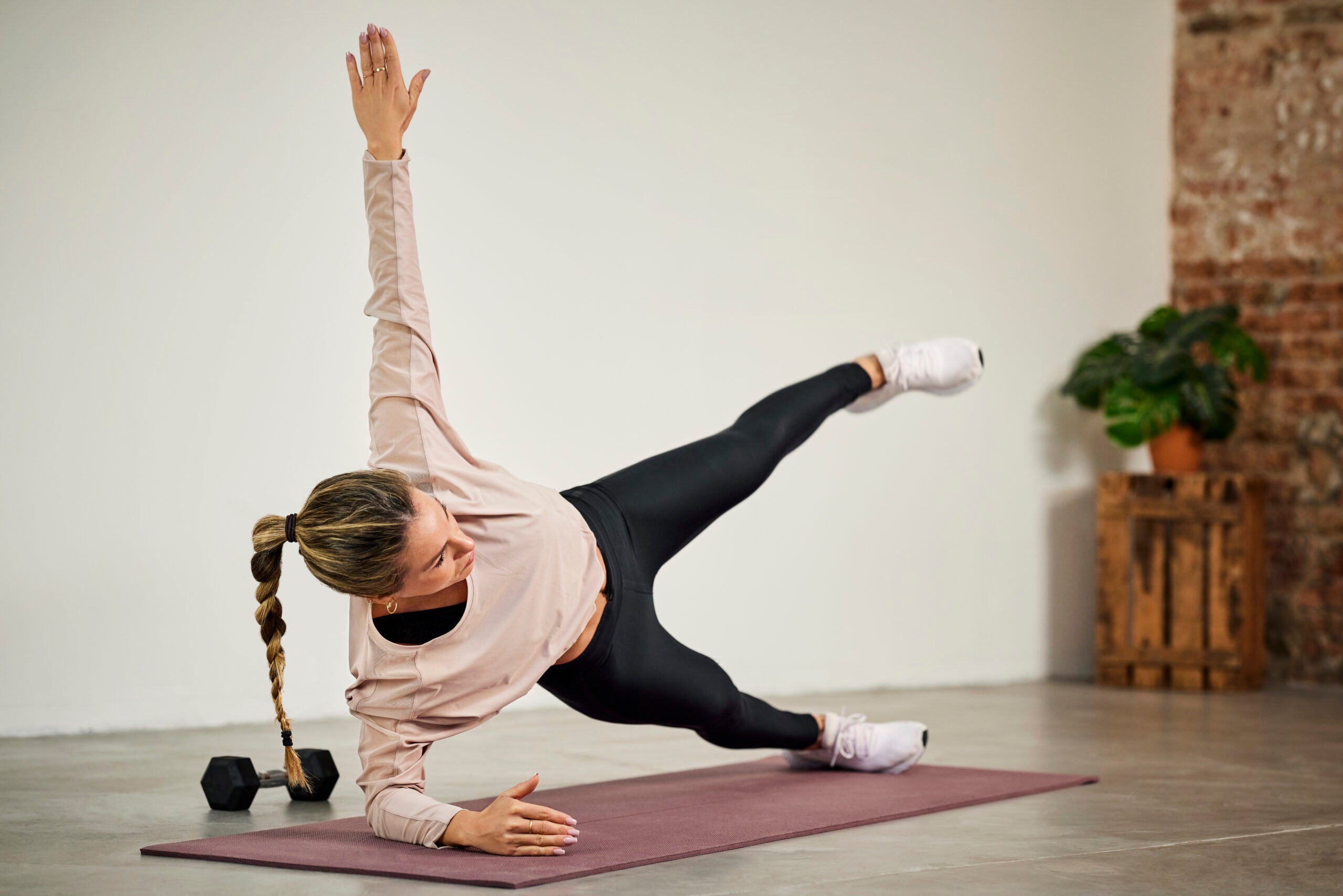
Before embarking on a specialized training regimen, athletes must establish a baseline of their current physical capabilities. One of the most effective diagnostic tools for assessing ski-readiness is the side plank with a dynamic leg lift. This movement serves as a comprehensive evaluation of the kinetic chain, specifically targeting the hips, trunk, and core.
In the context of alpine skiing, the obliques and hip abductors—specifically the gluteus medius—act as the primary stabilizers during high-velocity turns. When a skier engages an edge, the body is subjected to significant centrifugal forces. Weakness in the lateral stabilizers often leads to "valgus collapse," a condition where the knee caves inward, placing immense stress on the ACL.
Executing the Side Plank Test
To perform the assessment, the individual must lie on their side with the elbow positioned directly beneath the shoulder to ensure proper joint stacking. The legs should be extended and stacked, with the hips lifted to create a linear alignment from the cranium to the feet. The test involves lifting the top foot to hip height while maintaining a neutral pelvic position.
A successful assessment is defined by the ability to complete 10 to 15 controlled repetitions on each side. Conversely, signs of deficiency include a collapsing shoulder, sagging hips, or an inability to keep the torso perpendicular to the floor. According to fitness data, an average recreational skier often struggles to maintain form after five repetitions, indicating a critical need for targeted lateral strengthening to mitigate the risk of knee and hip pathologies.
A Five-Pillar Exercise Protocol for Off-Season Resilience
To bridge the gap between the seasons, strength and conditioning specialists recommend a five-pillar approach focusing on multi-planar movement and functional stability. These exercises are designed to replicate the eccentric and isometric demands of skiing.
1. Lateral Lunges: Developing Frontal Plane Power
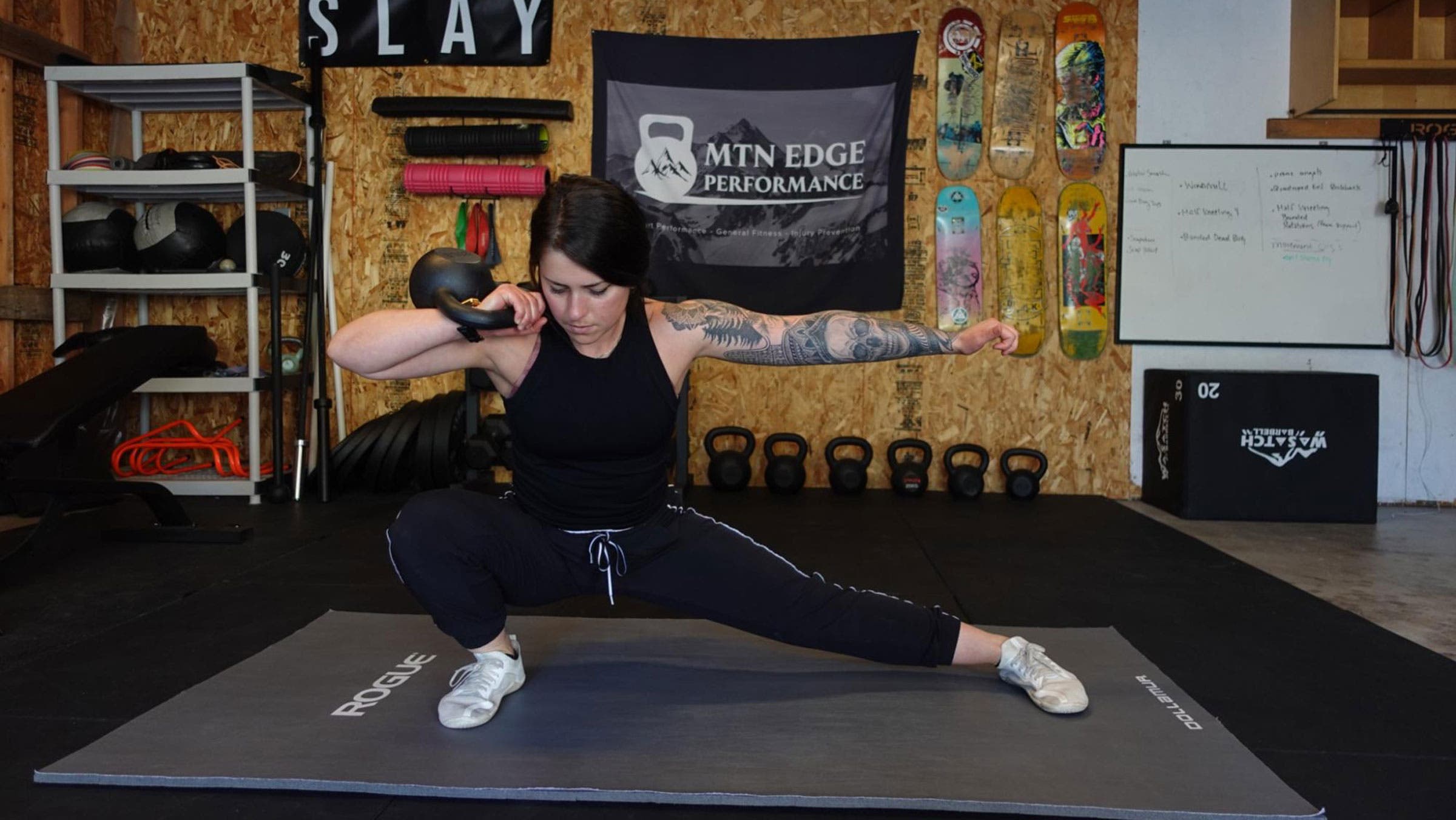
Unlike many traditional gym exercises that focus on forward and backward movement (the sagittal plane), skiing is inherently a lateral sport. The lateral lunge is essential for building the hip strength required to maintain a wide, stable stance and to drive power through the outside ski during a carve.
Biomechanical Significance: This movement stresses the adductors and abductors, which are crucial for "edging" and "pressure control." By strengthening these muscles, skiers can better manage the transition between turns without losing balance.
Methodology: Starting from a standing position, the athlete steps out to the side, keeping the trailing leg straight while hinging at the hips and bending the leading knee. To increase the load, a kettlebell or dumbbell can be held in a goblet or front-rack position, further challenging the core’s ability to remain upright under a shifting center of gravity.
2. Step-Ups: Unilateral Strength and Explosive Power
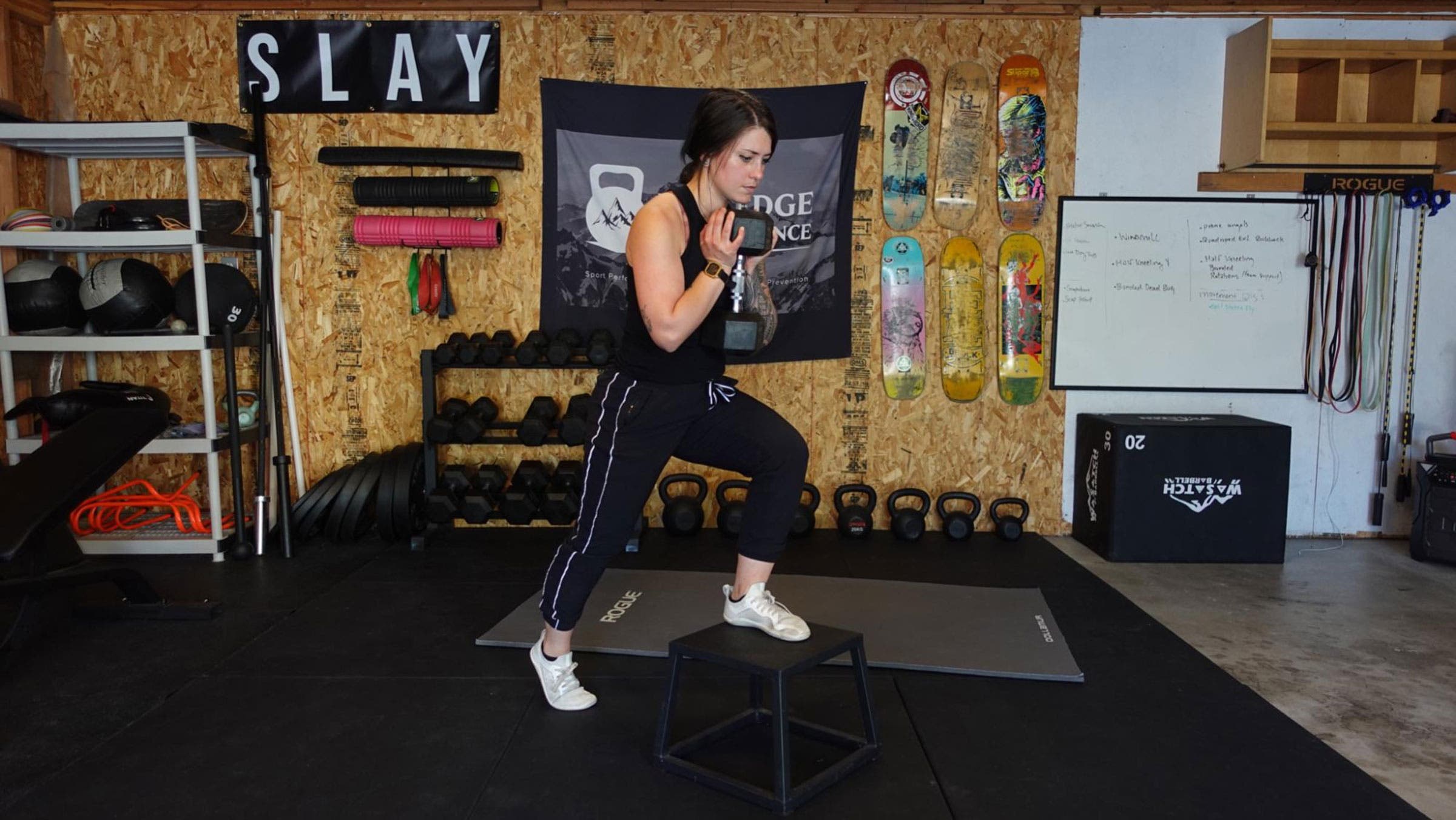
Skiing is essentially a series of unilateral (one-legged) movements. At any given moment during a turn, one leg is bearing the majority of the athlete’s weight and the forces generated by the terrain. Step-ups are a fundamental tool for eliminating strength imbalances between the left and right legs.
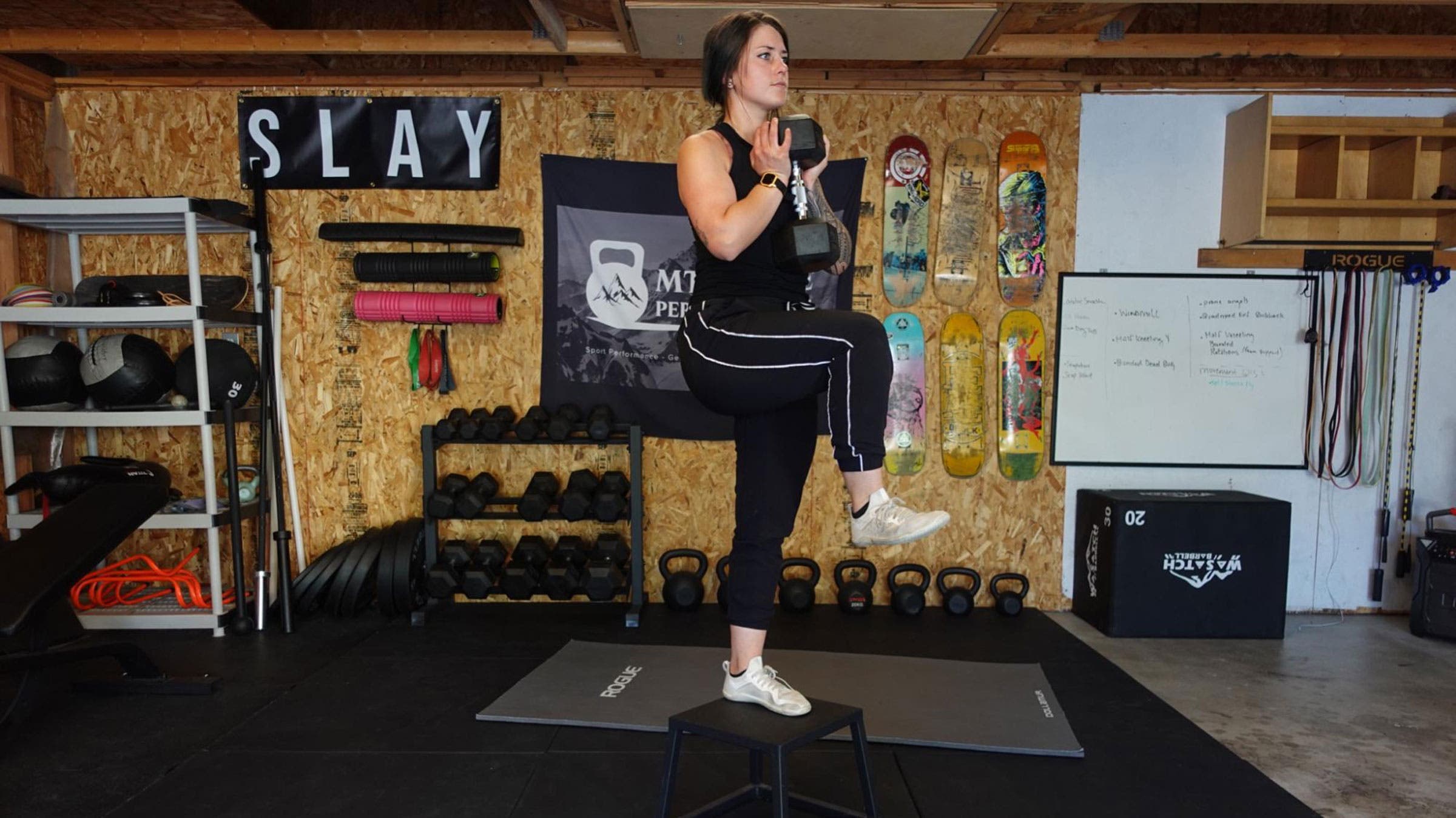
Biomechanical Significance: Step-ups target the quadriceps, hamstrings, and gluteus maximus while simultaneously improving single-leg proprioception.
Methodology: Using a box or bench at knee height, the athlete places one foot firmly on the surface and drives through the heel to stand upright. The descent must be slow and controlled—this eccentric phase mimics the "absorbing" action required when skiing through heavy moguls or landing jumps.
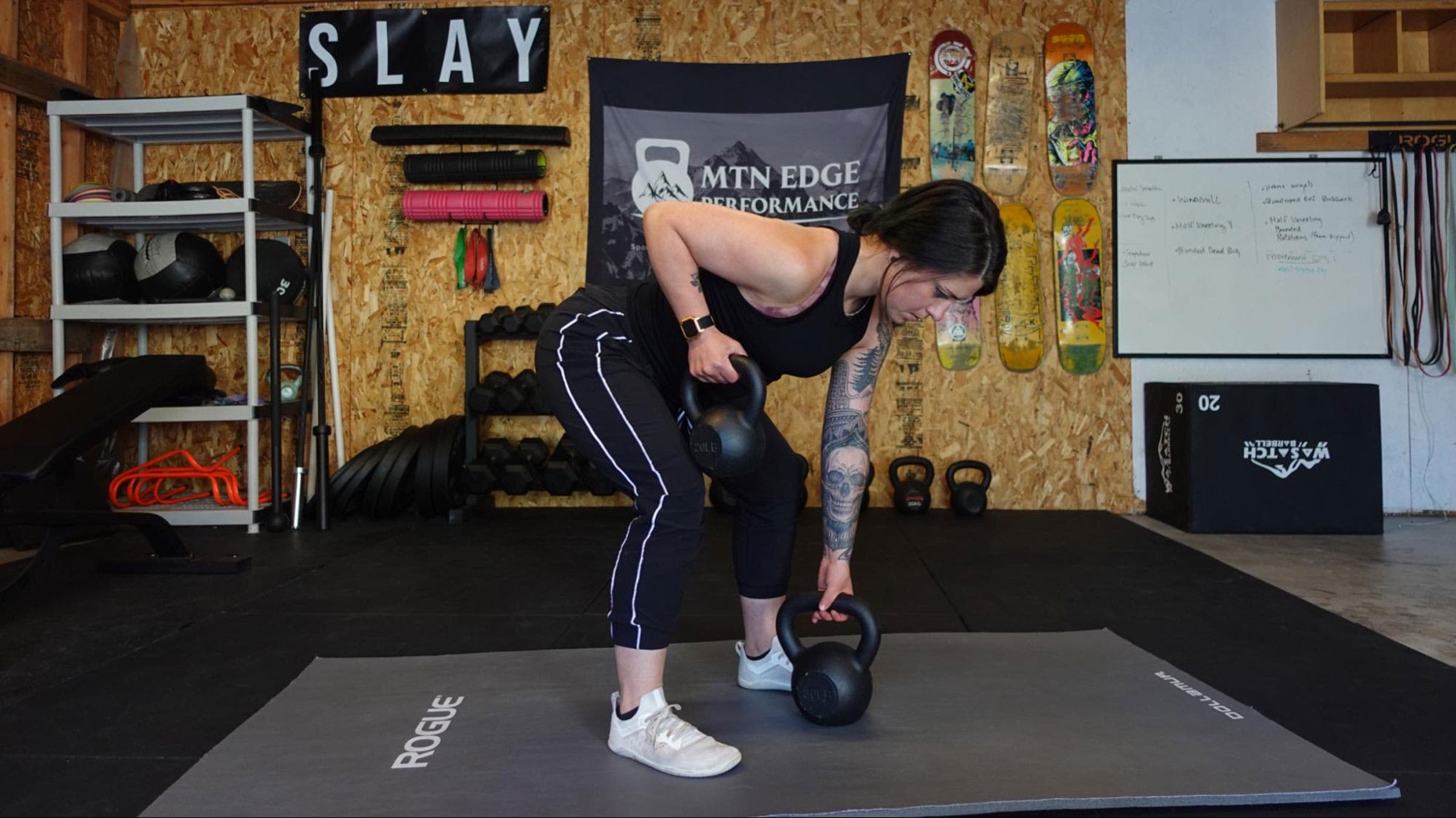
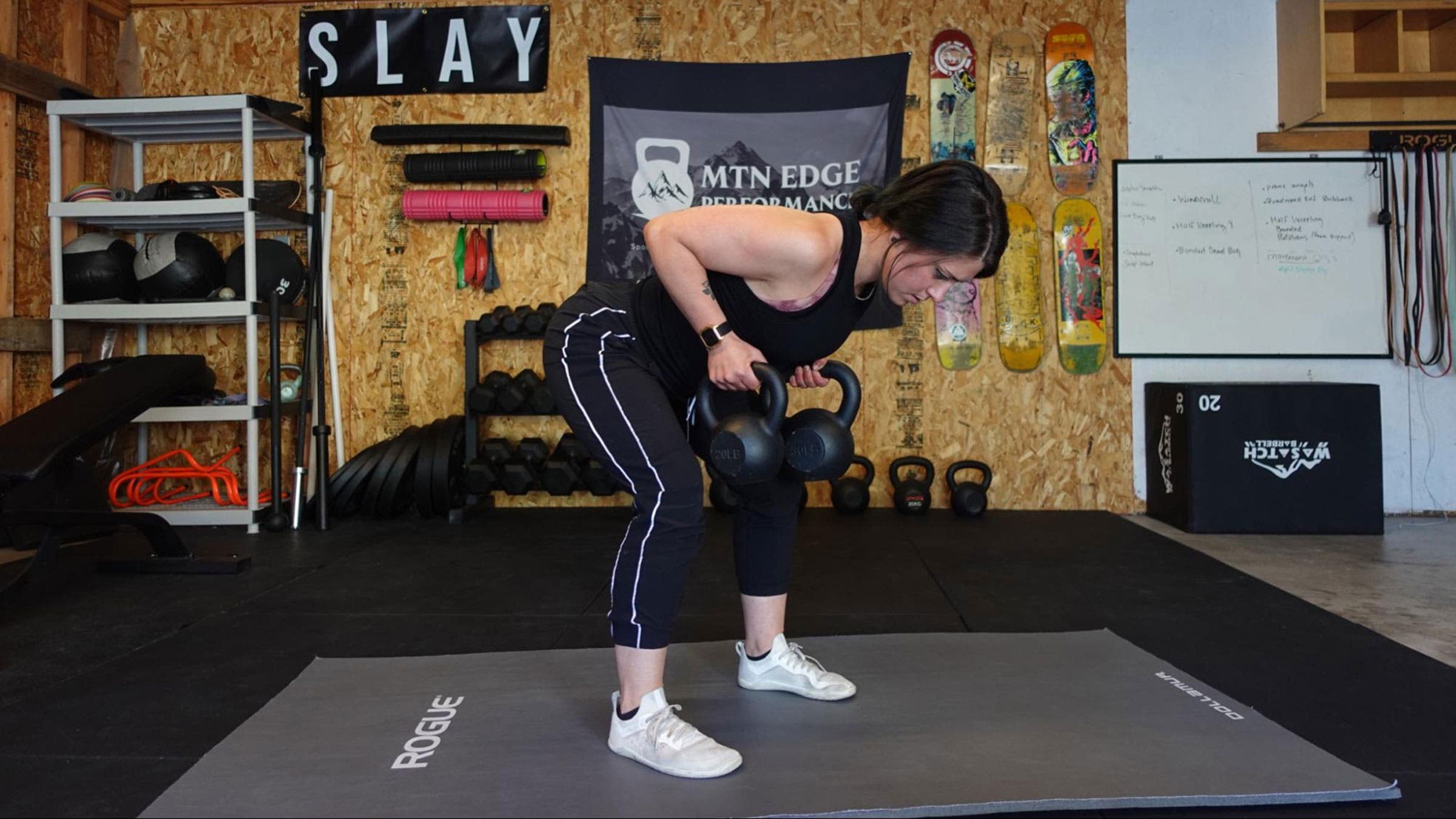
3. Gorilla Rows: Posterior Chain and Impact Absorption
The "Gorilla Row" is a specialized variation of the bent-over row that emphasizes a deep hinge position, closely mimicking the athletic "ready" stance used in downhill skiing.
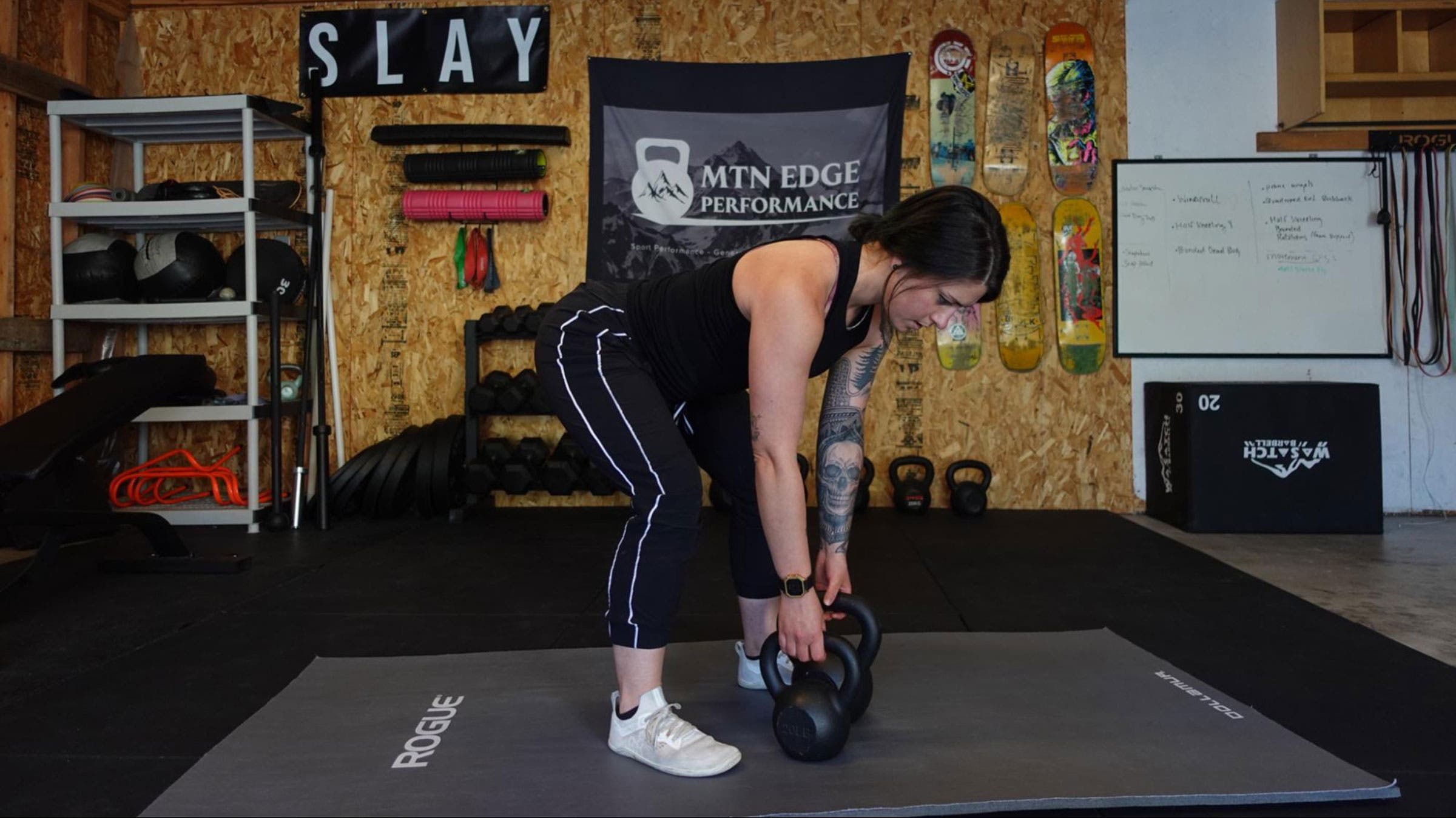
Biomechanical Significance: This exercise targets the latissimus dorsi, the rhomboids, and the erector spinae. In skiing, the muscles of the deep back are responsible for absorbing the jarring impacts of uneven terrain and maintaining a stable upper body while the lower body moves independently.
Methodology: Standing with feet wider than shoulder-width, the athlete hinges at the hips to a near-parallel position with the floor. Using two kettlebells, they alternate pulling the weights toward the hip. This requires significant anti-rotational core strength to prevent the torso from twisting, a skill directly transferable to maintaining a "quiet" upper body on the slopes.
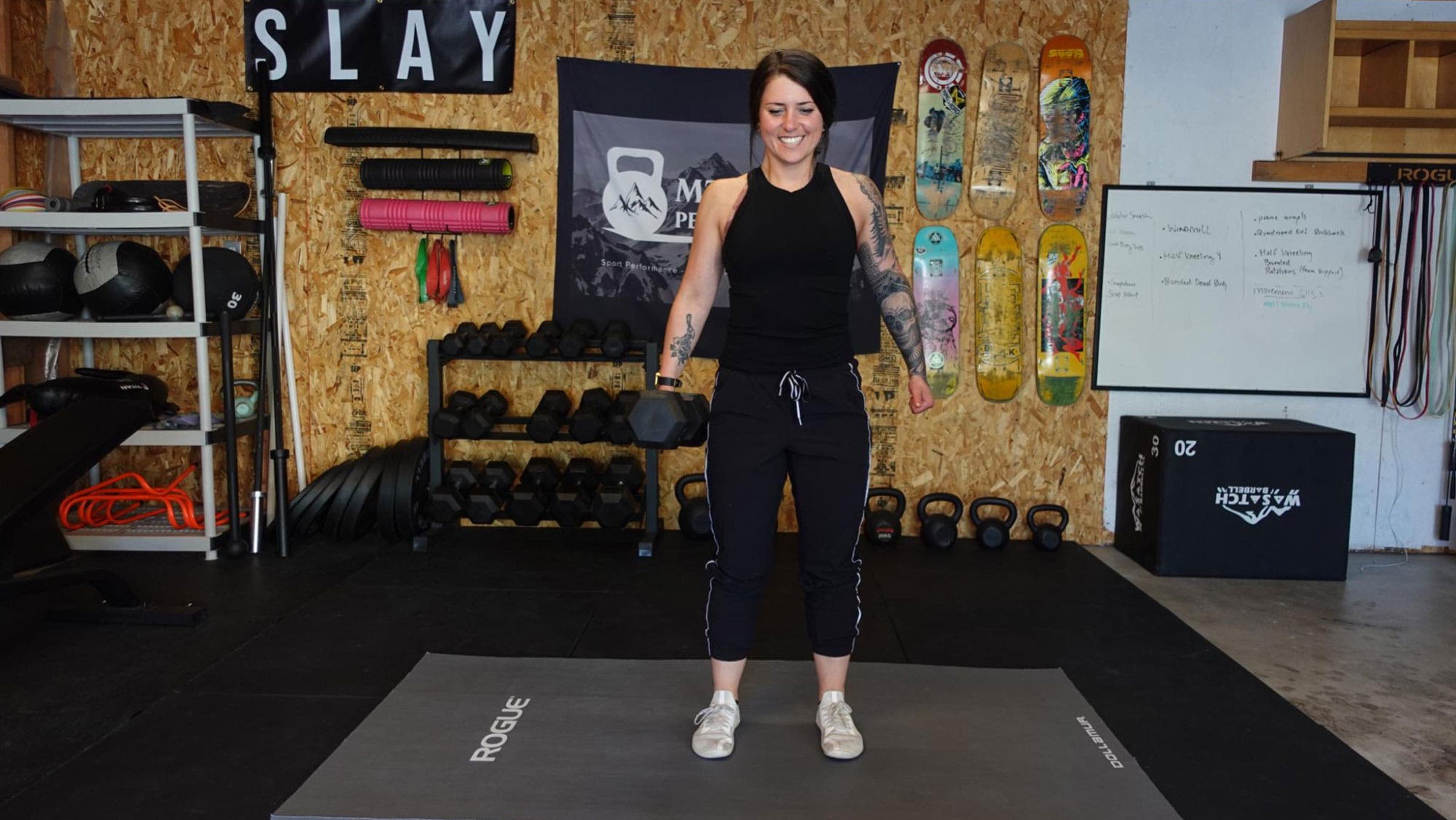
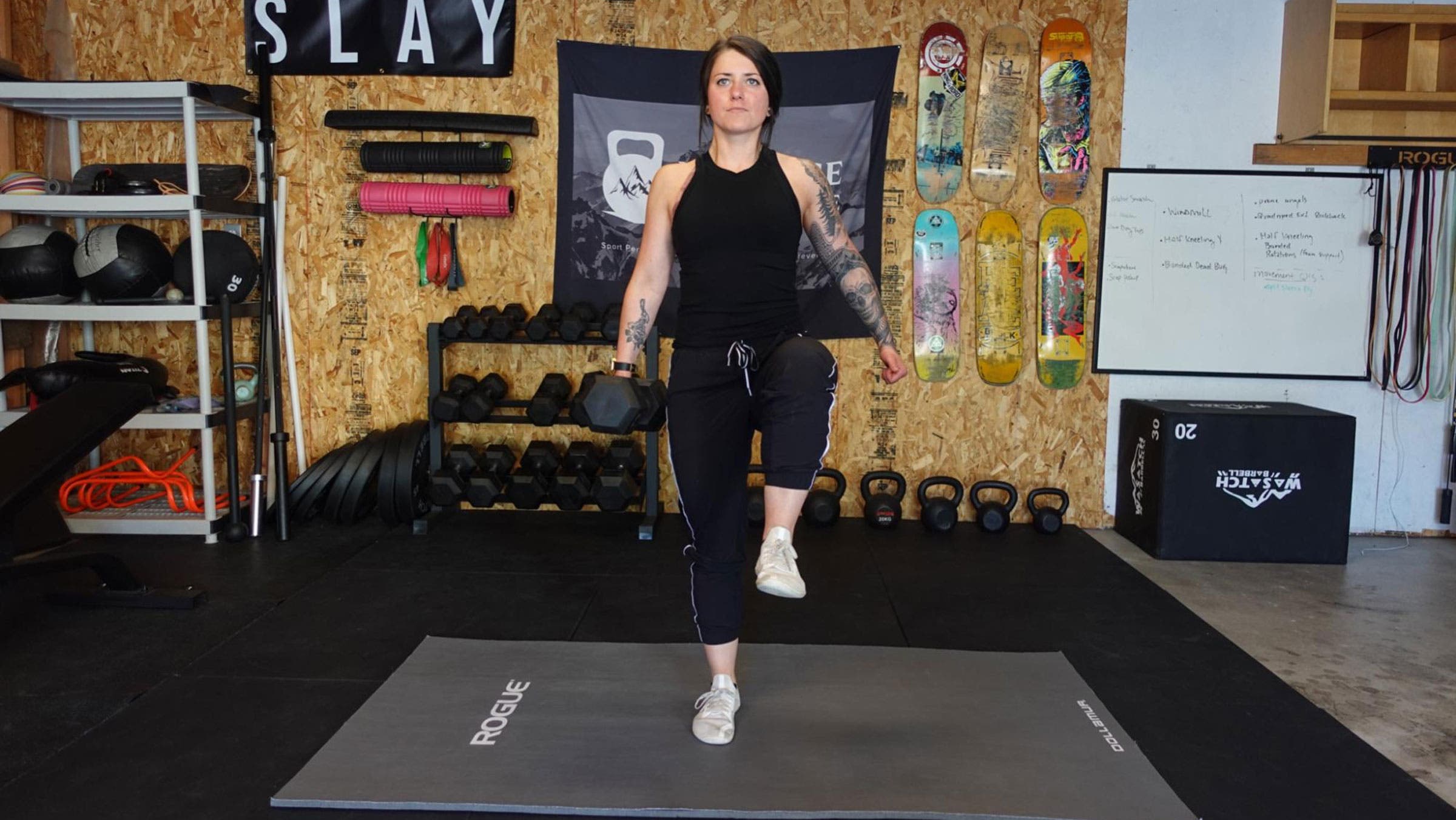
4. Suitcase March: Deep Stabilizer Engagement
Core strength for skiing is not about aesthetics; it is about the ability of the deep stabilizer muscles (such as the transversus abdominis and multifidus) to support the spine during side-to-side movements.
Biomechanical Significance: The suitcase march is a form of "loaded carry" that forces the body to resist lateral flexion. It strengthens the pelvic floor and the muscles surrounding the lumbar spine, which is vital for preventing the "back-seat" posture that often leads to lower back strain.
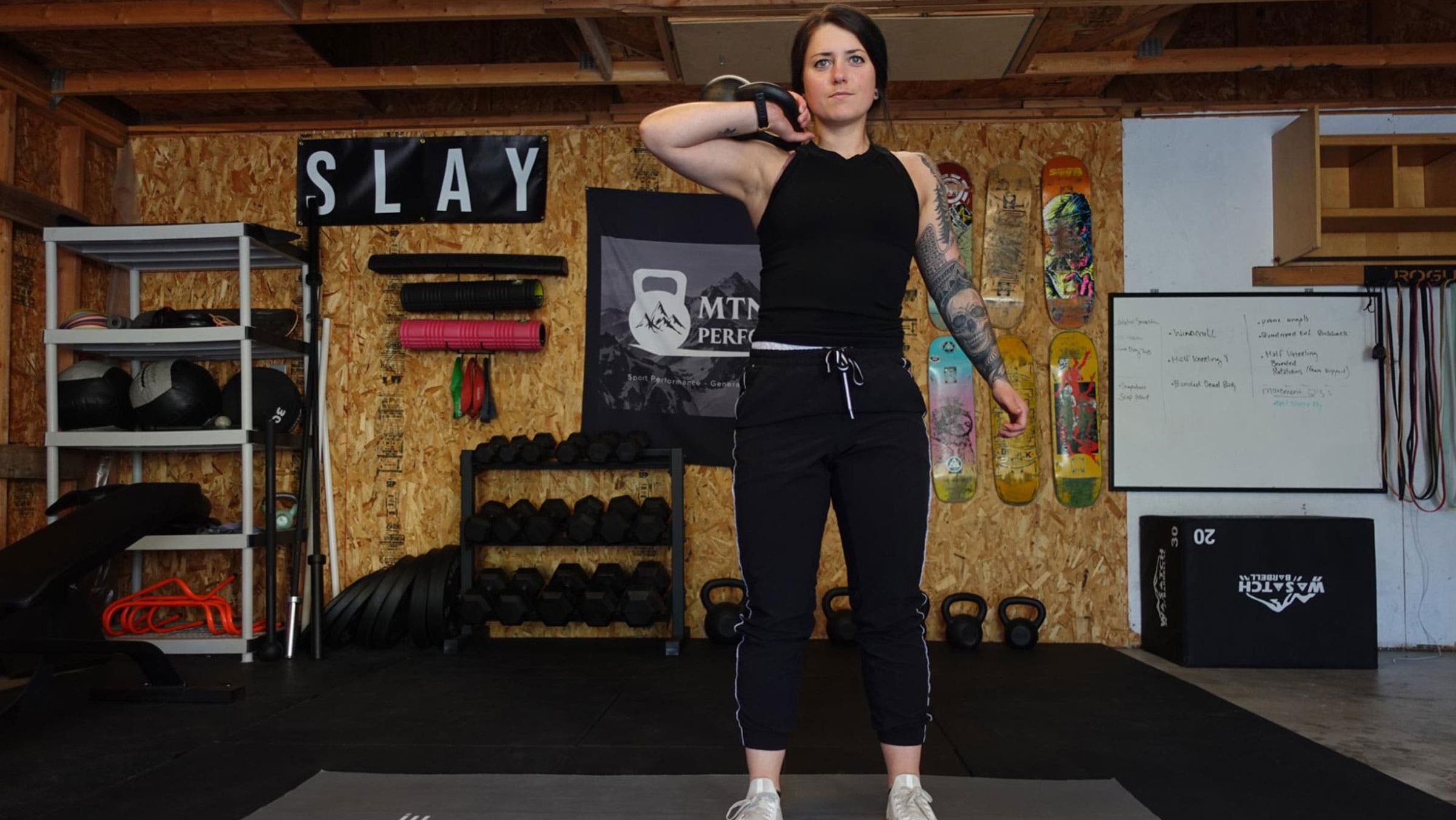
Methodology: Holding a heavy dumbbell in one hand like a suitcase, the athlete marches in place, lifting the knees to hip height. The goal is to remain perfectly vertical, resisting the weight’s pull to the side.
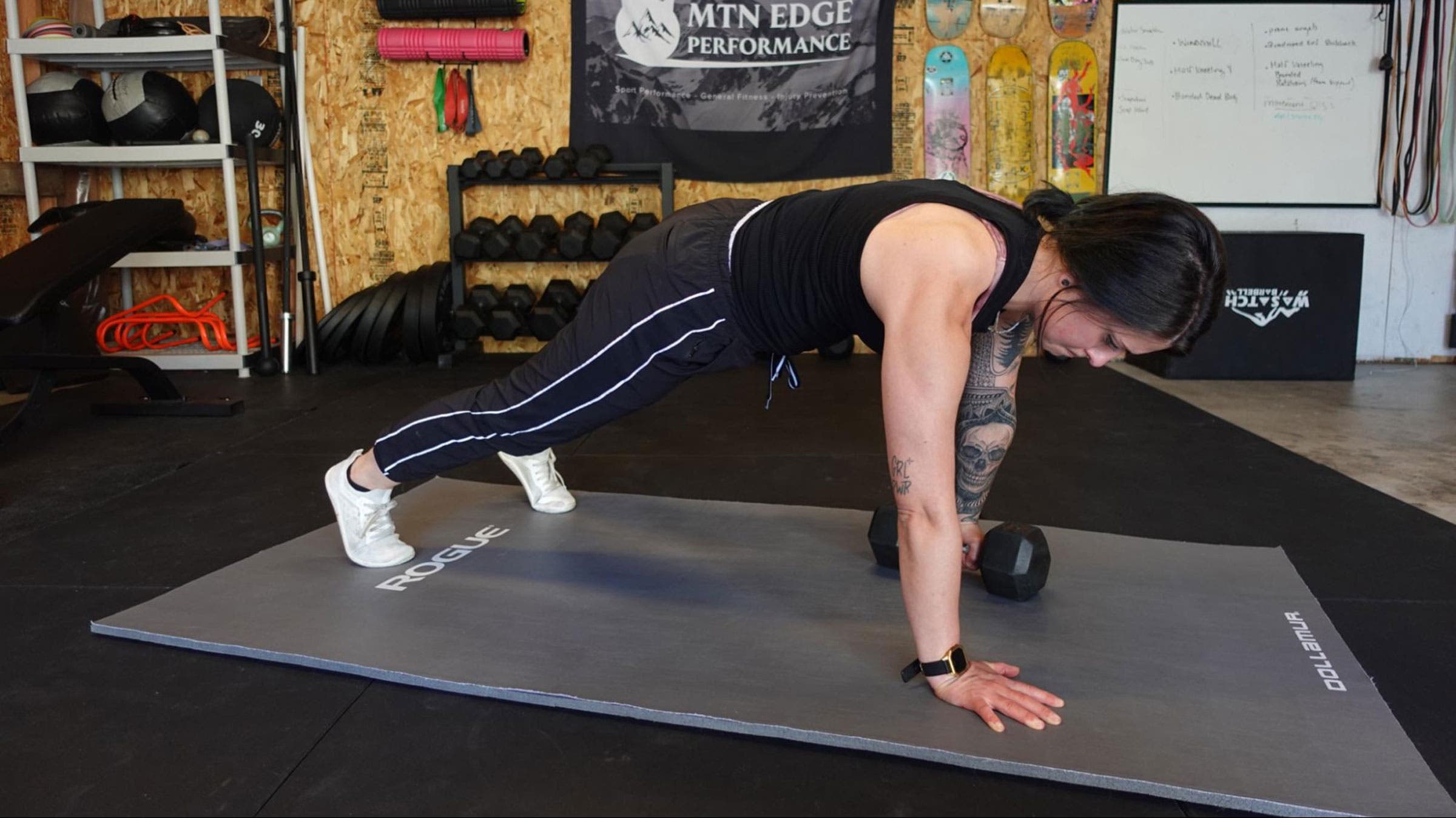
5. Plank Pull-Throughs: Transverse Plane Stability
The final component of the protocol focuses on the transverse plane, or rotational stability. Skiing requires the ability to rotate the legs independently of the torso.
Biomechanical Significance: The plank pull-through challenges the athlete to maintain a rigid core while a weight is moved horizontally beneath them. This develops the "anti-rotational" capacity needed to stay squared to the fall line while the skis are turning beneath the body.
Methodology: From a high plank position, the athlete reaches across their body to pull a dumbbell from one side to the other. Success is measured by the lack of hip movement during the transition.
Statistical Overview: The Cost of Inactivity
Data from the National Ski Areas Association (NSAA) and various orthopedic journals highlight a consistent trend: injury rates are highest during the early weeks of the season and toward the end of a ski day. This suggests that both a lack of pre-season conditioning and acute muscular fatigue are primary contributors to accidents.
Research indicates that approximately 25% to 33% of all skiing injuries are ACL-related. Furthermore, studies on "ACL injury prevention programs" have shown that athletes who engage in specific neuromuscular and strength training—similar to the protocol outlined above—can reduce their risk of non-contact ACL injuries by up to 50%. The economic impact is also significant; the average cost of an ACL reconstruction and subsequent physical therapy in the United States ranges from $20,000 to $50,000, not including the loss of productivity and the psychological toll of a long recovery.
Chronology of a Year-Round Training Cycle
Professional trainers recommend a structured timeline to maximize the efficacy of these exercises:
- Phase 1: Hypertrophy and Foundation (April – July): Focus on high-volume, moderate-intensity training to build muscle mass and correct imbalances identified in the side plank assessment.
- Phase 2: Strength and Power (August – October): Increase the weight and decrease the repetitions. Introduce plyometric movements (jumps) to build the explosive power needed for steep terrain.
- Phase 3: Sport-Specific Conditioning (November – December): Focus on endurance and "time under tension." Increase the duration of the suitcase marches and plank pull-throughs to simulate long runs.
- Phase 4: Maintenance (January – March): Maintenance of strength during the peak season with shorter, high-intensity sessions to avoid overtraining.
Expert Analysis and Professional Perspectives
Physical therapists specializing in winter sports emphasize that the "weekend warrior" approach—where an individual goes from a desk job to eight hours of high-intensity skiing—is a recipe for disaster. "The knee is essentially a hinge caught between two long levers: the femur and the tibia," notes one sports medicine analyst. "If the muscles of the hip and the core aren’t strong enough to control those levers, the ligaments in the knee are forced to take the strain. Ligaments are stabilizers of last resort; they are not meant to be primary load-bearers."
Furthermore, professional ski coaches argue that physical fitness is the most overlooked component of technical improvement. A skier who is physically exhausted by midday will inevitably lose their form, falling into a "back-seat" position that makes the skis harder to turn and significantly increases the risk of a tumble.
Broader Implications and Long-Term Health
The benefits of a year-round ski fitness regimen extend far beyond the slopes. The exercises mentioned—lateral lunges, step-ups, and rows—are fundamental movements that contribute to general functional longevity. By focusing on hip and core stability, individuals can mitigate the age-related decline in balance and bone density.
In conclusion, the modern skier must view themselves as an athlete year-round. The evolution of ski technology, which allows for higher speeds and tighter turns, has placed greater physical demands on the human body than ever before. By utilizing the side plank assessment to identify weaknesses and committing to a multi-planar strength program, skiers can ensure that they are not only faster and more powerful but also significantly more resilient against the inherent risks of the sport. The goal is clear: to dance through the powder and charge through the moguls with the confidence that the body is prepared for the challenge.

