
The landscape of professional skiing has undergone a radical transformation since the late 1990s, transitioning from a sport defined by rugged endurance and traditional strength training to one dictated by data-driven precision and technological intervention. At the center of this evolution is Jonny Moseley, the 1998 Olympic gold medalist whose career has served as a blueprint for the "new-school" movement in freestyle skiing. Today, Moseley’s approach to fitness has shifted from the pursuit of explosive podium finishes to a sophisticated regimen of dynamic movement, mobility, and high-tech recovery, reflecting a broader trend in the athletic world toward longevity and bio-integrated wellness.
The 1998 Revolution: A Foundation of Data and Defiance
To understand Moseley’s current influence on the wellness industry, one must look back to the 1998 Winter Olympics in Nagano, Japan. At the time, freestyle skiing was often viewed through a lens of raw talent and adrenaline, yet Moseley’s path to the gold medal was paved with a level of analytical rigor that was decades ahead of its time. While his competitors relied on conventional coaching, Moseley adopted a revolutionary training plan that prioritized physiological feedback over sheer volume.
He became a pioneer in the use of heart rate monitoring, a practice that was then in its infancy within the skiing community. By meticulously journaling his day-to-day performance and tracking "second-day soreness," Moseley was able to map his body’s recovery cycles with surgical precision. This data-centric approach allowed him to peak at the exact moment necessary for the Olympic stage. "You exist in this cycle where you only get basically one shot every four years on the main big stage," Moseley reflected, noting that the high-stakes nature of the Olympics forced an obsession with timing the cycles of strain and recovery.
Moseley’s victory in Nagano was not merely a result of physical conditioning; it was a cultural shift. He brought a "new-school" attitude to the moguls, most notably by incorporating a snowboard-style "mute grab" into his 360-degree spins. This move was initially met with skepticism by traditionalists but ultimately ushered in a new era of creativity and style in freeskiing. His ability to blend rigorous athletic preparation with creative expression set a new standard for the sport, a standard he continues to uphold through his current fitness philosophy.
The Evolution of Recovery: From the Training Center to AI Integration
As Moseley has aged, his relationship with performance has transitioned from the pursuit of gold medals to the pursuit of sustained mobility. This transition has led him to a strategic partnership with Velvaere, a private ski and wellness community located in Deer Valley, Utah. The facility represents the pinnacle of modern recovery technology, integrating amenities that were once reserved for elite Olympic training centers into a residential, lifestyle-focused environment.
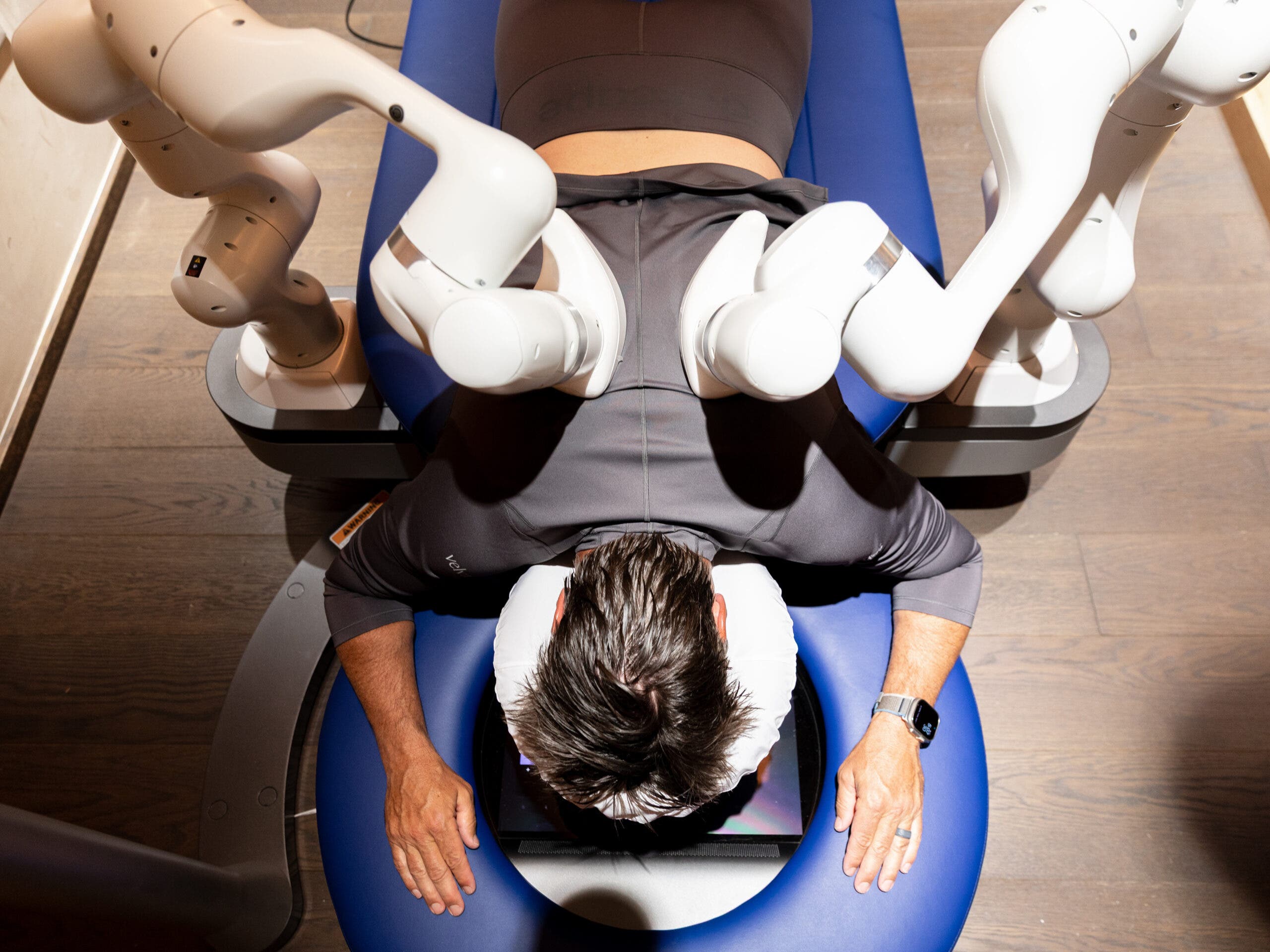
One of the most striking features of Moseley’s current routine is the use of an AI-powered robot designed to evaluate the human body’s musculoskeletal state before administering customized massages. This level of personalization mirrors the cutting-edge methodologies used by the United States Olympic & Paralympic Training Centers. In addition to robotic therapy, the Velvaere facility utilizes cryotherapy, LightStim LED therapy, and flotation tanks—technologies designed to reduce systemic inflammation and accelerate cellular repair.
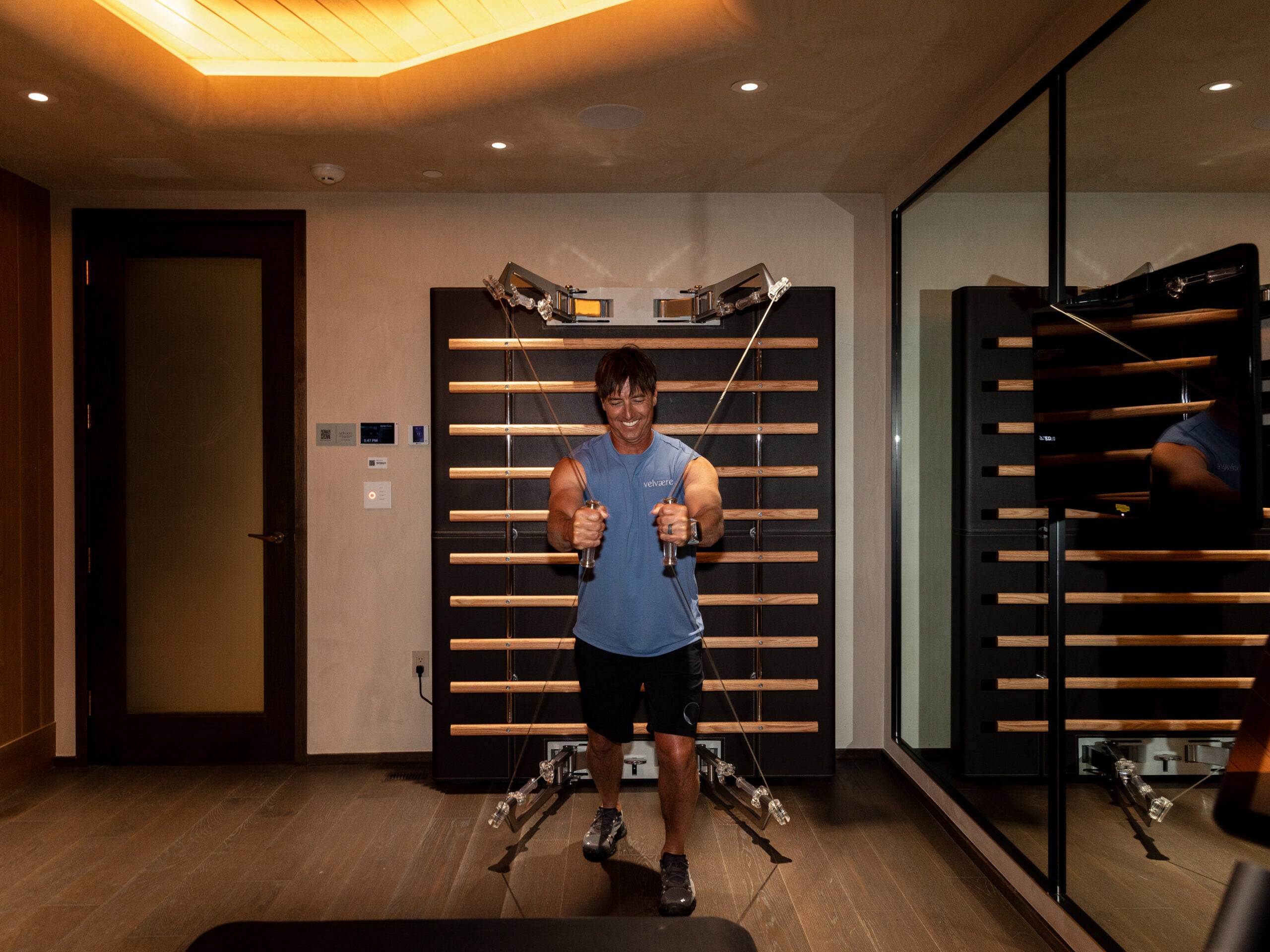
"It reminds me a little bit of when we had access to the Olympic Training Center… where they’re constantly on the cutting edge of what’s going to be beneficial to athletic potential," Moseley explained. The integration of these tools into a daily routine marks a significant departure from the 1990s, when recovery was often an afterthought. Today, the "bio-hacking" of recovery is considered just as essential as the workout itself.
The Historical Context of Performance Tracking
The technologies Moseley utilizes today, such as Heart Rate Variability (HRV) and VO2 max tracking, have deep roots in the history of sports science. The first portable heart rate monitor was released by Polar in 1982, but it took nearly two decades for the broader athletic community to recognize its potential for managing overtraining.
By the mid-1990s, coaches began to understand that heart rate was not just a measure of effort, but a window into the autonomic nervous system. Moseley was among the early adopters who recognized that if an athlete’s resting heart rate remained elevated, it was a signal to pull back, regardless of what the training schedule dictated. This early adoption of "listening to the data" is what allowed Moseley to maintain a competitive edge and avoid the debilitating injuries that ended many of his contemporaries’ careers.
In the current market, the global wellness and fitness tracker industry is projected to reach unprecedented heights, with consumers seeking the same level of granular data that Moseley used to win gold. The shift from basic step-counting to sophisticated AI analysis of muscle fatigue represents the next frontier in this technological lineage.
The Modern Regimen: Strength, Endurance, and Mobility
Despite the high-tech assistance, Moseley maintains that fundamental physical "gumption" is still required to perform on the slopes. His current training regimen is divided into distinct seasonal phases, designed to prepare the body for the unique demands of skiing in Tahoe and Park City.
The Summer Phase: Building the Foundation
During the early summer months, the focus is on absolute strength. Moseley engages in a strict morning routine that begins with 30 to 60 minutes of cardio—often a walk with his dog or time on a treadmill—to prime the cardiovascular system. This is followed by heavy weightlifting sessions. While his younger years were dominated by compound lower-body lifts like squats and deadlifts, his current approach is more balanced.
The Autumn Transition: Endurance and Lateral Stability
As temperatures drop, the focus shifts toward endurance and ski-specific movements. Moseley emphasizes one-leg training to mimic the side-to-side (lateral) pressures of skiing. He utilizes slide boards and other proprioceptive tools to challenge his balance and strengthen the stabilizer muscles around the knees and ankles.
The Integration of Mobility and Play
Perhaps the most significant change in Moseley’s routine is his commitment to mobility. "I’m a hot yoga guy," he admitted, noting that as an athlete ages, the ability to remain limber is more important than the ability to move heavy weight. He also incorporates "fun" activities like wing foiling, which provides a low-impact cardiovascular workout while challenging his core and balance in a dynamic environment.
The Plyometric Standard
To prepare for the explosive nature of skiing, Moseley incorporates plyometrics, citing box jumps as the "gold standard." However, he cautions against the "couch to box jump" pipeline, which often leads to injury. Instead, he advocates for a progressive approach, starting with low-height jumps to condition the tendons and nervous system for the impact of the slopes.
Analysis of Implications: The Rise of Wellness Real Estate
Moseley’s involvement with Velvaere highlights a growing trend in the luxury real estate and hospitality sectors: the rise of "wellness real estate." This sector focuses on building environments that proactively support the health of their inhabitants. The integration of ski-in/ski-out access with medical-grade recovery technology suggests a shift in how high-performance individuals view their homes—not just as residences, but as tools for health optimization.
This trend has significant implications for the fitness industry. As technology like AI-powered massage and LED therapy becomes more accessible, the barrier between professional athletic training and consumer wellness continues to blur. Moseley’s endorsement of these technologies lends them a level of "field-tested" credibility, suggesting that the future of fitness lies in the seamless integration of hard work and high-tech recovery.
Conclusion: The Philosophy of Longevity
Jonny Moseley’s journey from the 1998 Olympic podium to the cutting-edge facilities of Deer Valley illustrates a broader narrative of evolution in sports. His career demonstrates that peak performance is not merely the result of intensity, but of the intelligent management of the body’s resources.
While Moseley admits he is not naturally inclined toward slowing down—joking that he only prioritizes self-care when injured—his current lifestyle reflects a mature understanding of athletic longevity. By combining the "gumption" of traditional training with the precision of AI and modern recovery science, Moseley is proving that the "new-school" attitude he brought to the Olympics in 1998 is just as relevant today. For the modern athlete, the goal is no longer just to win, but to stay in the game for as long as possible. In this new era, community, technology, and a commitment to mobility are the true gold standards of success.

