
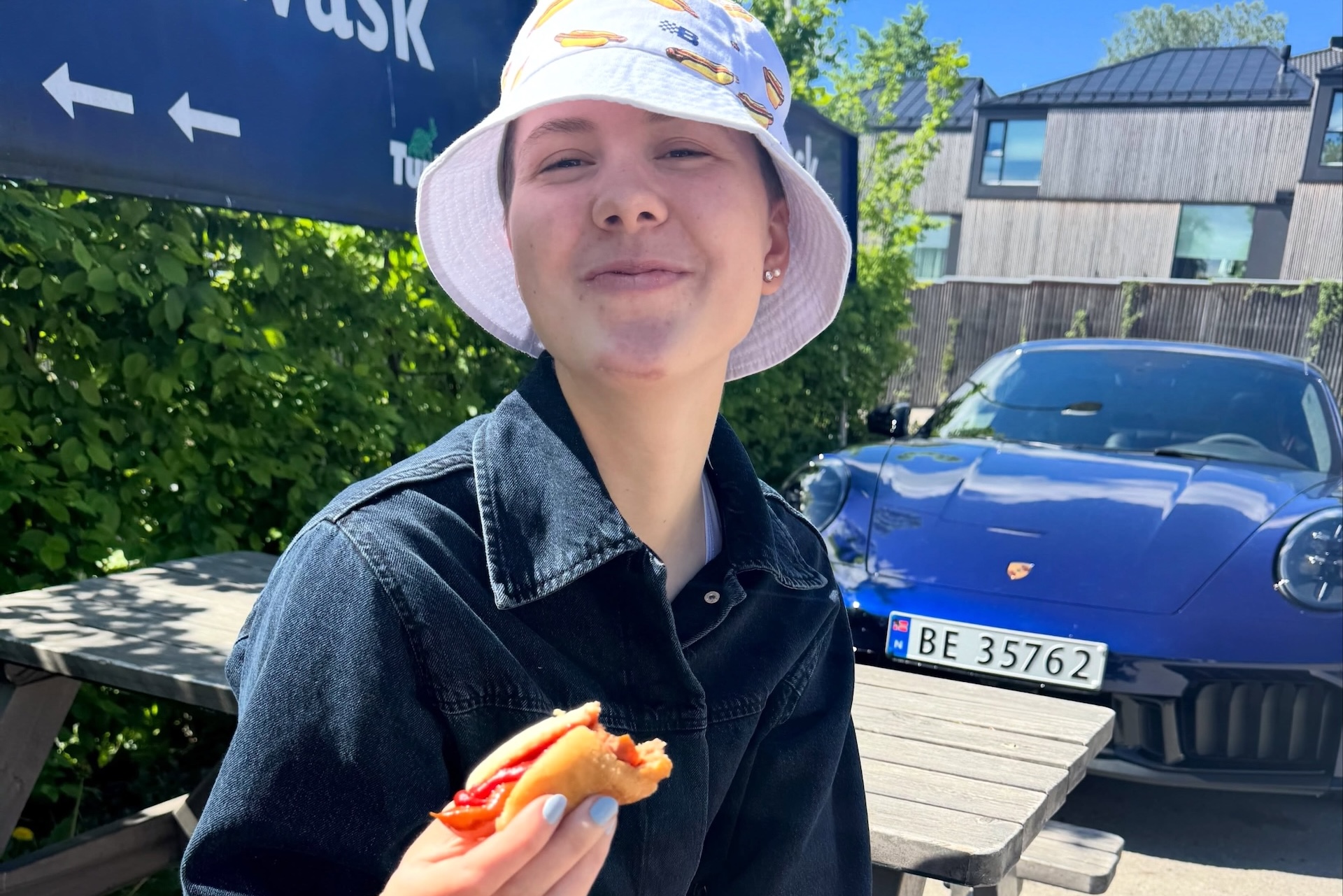
The journey to recovery for former Norwegian national cross-country ski champion Kamilla Aasebø is marked by a significant milestone: she can finally eat solid food again, a testament to her resilience following a devastating crash at the grueling Paris-Roubaix cycling race in April. After weeks of intense medical care, including emergency surgery for a brain hemorrhage and repairs to a fractured elbow and jaw, the 19-year-old Uno-X rider is showing promising signs of recovery, culminating in the simple yet profound act of enjoying a sausage – a meal she had longed for since her injuries.
A Catastrophic Turn of Events in the "Hell of the North"
The Paris-Roubaix, often dubbed the "Hell of the North," is renowned for its brutal cobblestone sectors that test the limits of both rider and machine. This notorious race, with its unpredictable terrain and high speeds, has a history of producing dramatic crashes and severe injuries. For Aasebø, a prodigious talent transitioning from cross-country skiing to elite cycling, the 2023 edition of the race proved to be a harrowing experience.
The exact details of the crash remain under investigation, but it is understood that Aasebø was involved in a significant incident on one of the challenging cobblestone sections. The severity of her injuries necessitated immediate medical attention. Initial reports indicated serious trauma, and the urgency of her condition led to her being transported by air ambulance from France to Ullevål University Hospital in Oslo, Norway. This rapid evacuation underscored the critical nature of her medical status.
Timeline of a Difficult Recovery
The immediate aftermath of the crash saw Aasebø facing a series of complex medical interventions. Her injuries were more severe than initially apparent:
- April: Kamilla Aasebø suffers a severe crash during the Paris-Roubaix cycling race.
- Immediate Post-Crash: Diagnosed with a brain hemorrhage, fractured elbow, and fractured jaw.
- Emergency Surgery in France: Undergoes urgent surgical procedures in France to address the critical brain hemorrhage and stabilize her fractured jaw.
- Transfer to Norway: After ten days of initial treatment and stabilization in France, Aasebø is deemed stable enough for transport. She is moved to Ullevål University Hospital in Oslo via air ambulance for continued specialized care.
- Weeks of Rehabilitation: Aasebø embarks on a challenging period of recovery, focusing on healing from her multiple injuries.
- Present Day: Over a month after her initial surgeries, Aasebø reaches a significant milestone: the removal of a metal plate from her jaw allows her to consume solid food, including her longed-for sausage.
The Significance of a Simple Sausage
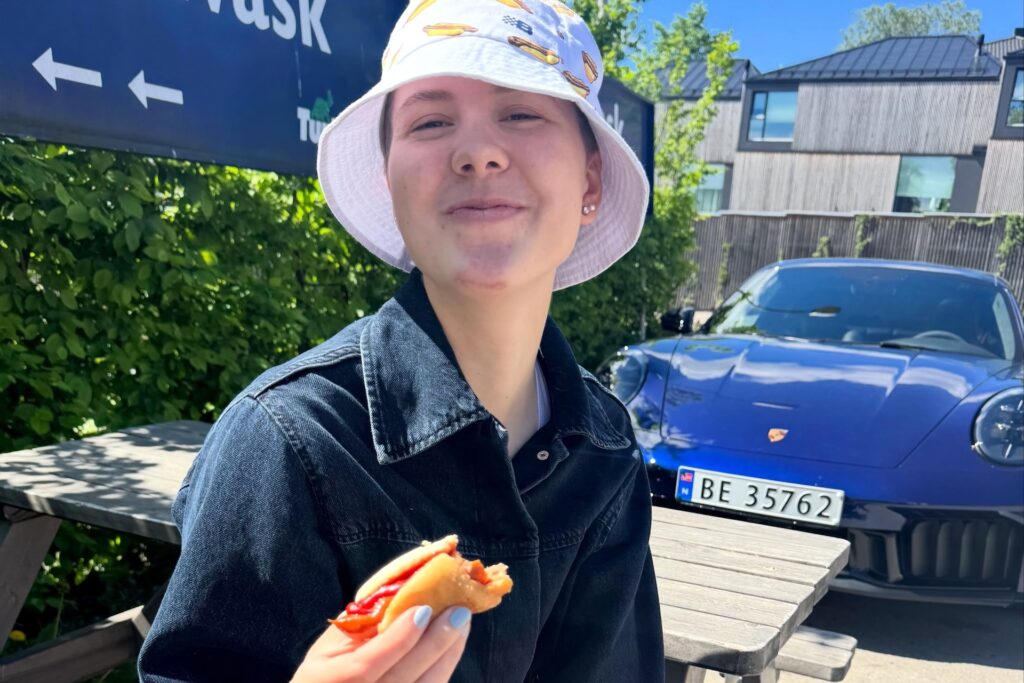
The announcement that Aasebø can finally eat solid food is more than just a dietary update; it represents a major step forward in her rehabilitation and a symbol of her remarkable courage. The ability to eat a simple meal like a sausage, which she had been craving, signifies the healing of her jaw and a return towards normalcy. This moment was marked with a shared celebration, with her Uno-X teammates participating in the Giro d’Italia taking a sausage to commemorate her recovery milestone.

"After the operation from the crash in Paris-Roubaix, Kamilla really wanted a sausage," Uno-X stated in a social media update. "Now that the metal plate has been removed from her jaw, she could finally eat one – and the guys on the team who are out cycling the Giro d’Italia took a sausage to celebrate with her. She continues to improve, and even though eating a sausage might seem like a small thing, it is a big step towards returning to a normal life."
This statement highlights the psychological as well as physical importance of such milestones in the recovery process from severe trauma.
A Promising Young Athlete’s Journey
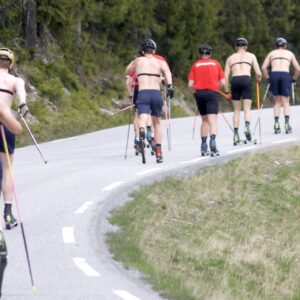
Kamilla Aasebø’s athletic career has been characterized by early success and a remarkable transition between disciplines. As a junior, she was a highly regarded talent in cross-country skiing, clinching Norwegian national championship titles in both the under-17 and under-18 age categories. Her dual-sporting aspirations saw her competing at a high level in both skiing and cycling for an extended period.
However, in the year preceding her accident, Aasebø made a decisive shift, dedicating her focus entirely to professional cycling. This transition proved to be swift and successful, with her quickly establishing herself as a prominent figure in the cycling peloton. Her rapid ascent underscored her exceptional athleticism and determination. The Paris-Roubaix crash, therefore, represents not only a personal tragedy but also a significant setback for her burgeoning cycling career.
The Paris-Roubaix: A Legacy of Brutality and Resilience
The Paris-Roubaix race, first held in 1896, is one of cycling’s five Monuments, the most prestigious one-day classic races in the sport. Its reputation is built on its infamous 257 kilometers (159.7 miles) of racing, which includes approximately 30 sections of treacherous cobblestones, totaling over 50 kilometers (31 miles). These "pavé" sectors, often uneven, broken, and muddy, are the race’s defining feature and a source of both its allure and its danger.
The race’s history is replete with stories of riders battling through extreme conditions, enduring mechanical failures, and suffering horrific crashes. The sheer physical demand and the inherent risks have cemented its status as a true test of endurance and courage. For any rider, finishing Paris-Roubaix is an achievement; for a young, aspiring cyclist like Aasebø, it represents a significant step in proving oneself on the international stage. Unfortunately, for her, this step came with severe consequences.
Broader Implications and Future Outlook
Aasebø’s recovery journey is a stark reminder of the inherent risks involved in professional cycling, particularly in races like Paris-Roubaix. The incident also raises questions about rider safety and the ongoing efforts by cycling’s governing bodies and race organizers to mitigate these dangers. While the sport has made strides in areas like equipment safety and race organization, the unique challenges posed by historical races like Paris-Roubaix remain a constant concern.
For Aasebø herself, the path back to elite competition will undoubtedly be long and arduous. The psychological impact of such a severe crash, coupled with the physical rehabilitation required, presents formidable challenges. However, her determination to recover, as evidenced by her eagerness for a simple sausage, suggests a strong will to return. Her former success in cross-country skiing demonstrates an innate ability to overcome adversity and excel in demanding physical pursuits.
The cycling community, and indeed the broader sporting world, will be watching her progress with keen interest and offering their support. Her resilience in the face of such a life-altering event serves as an inspiration, and her eventual return to sport, should she choose that path, would be a testament to the indomitable human spirit. The focus now remains on her continued recovery, ensuring she has the best possible care and support as she navigates the road ahead, with the hope that she can once again experience the joy of athletic competition.

