
This article outlines a highly effective 60-minute interval training session, meticulously crafted to significantly enhance an athlete’s capacity, commonly referred to as VO2 max. Developed by a leading coach within the elite cross-country skiing circuit, this workout emphasizes high intensity and can be adapted across various movement disciplines, making it a versatile tool for athletes seeking peak physiological performance. The session is designed to be integrated into a weekly training regimen, offering a structured and potent method for pushing physiological boundaries.
Understanding VO2 Max and Its Importance
VO2 max, or maximal oxygen uptake, represents the maximum rate at which an individual’s body can consume oxygen during strenuous physical activity. It is widely recognized as a key determinant of aerobic endurance and athletic performance, particularly in sports that demand sustained high levels of effort, such as cross-country skiing, long-distance running, and cycling. A higher VO2 max indicates a greater capacity for the body to deliver and utilize oxygen, which translates to improved stamina, faster recovery, and the ability to sustain a higher pace for longer durations.
The scientific consensus is that VO2 max is influenced by a combination of genetic predisposition and training. While genetics play a role, consistent and appropriately designed training interventions can lead to substantial improvements. High-intensity interval training (HIIT), characterized by alternating periods of intense exercise with brief recovery phases, has emerged as one of the most effective methods for stimulating physiological adaptations that increase VO2 max. These adaptations include an increased stroke volume of the heart (the amount of blood pumped with each beat), enhanced capillarization in the muscles (leading to better oxygen delivery), and improved mitochondrial density within muscle cells (enhancing the muscles’ ability to use oxygen).
The Genesis of the 60-Minute Interval Session
The training protocol detailed herein was developed by Vetle Leander Johansen, a respected coach affiliated with Team Swenor-Splitkon. This team is known for its success in nurturing elite cross-country skiers, including prominent athletes such as Calle Halfvarsson and Oskar Svensson, as well as a number of Norway’s fastest elite skiers. The development of this specific session stems from the team’s commitment to evidence-based training methodologies and a deep understanding of the physiological demands of competitive cross-country skiing.
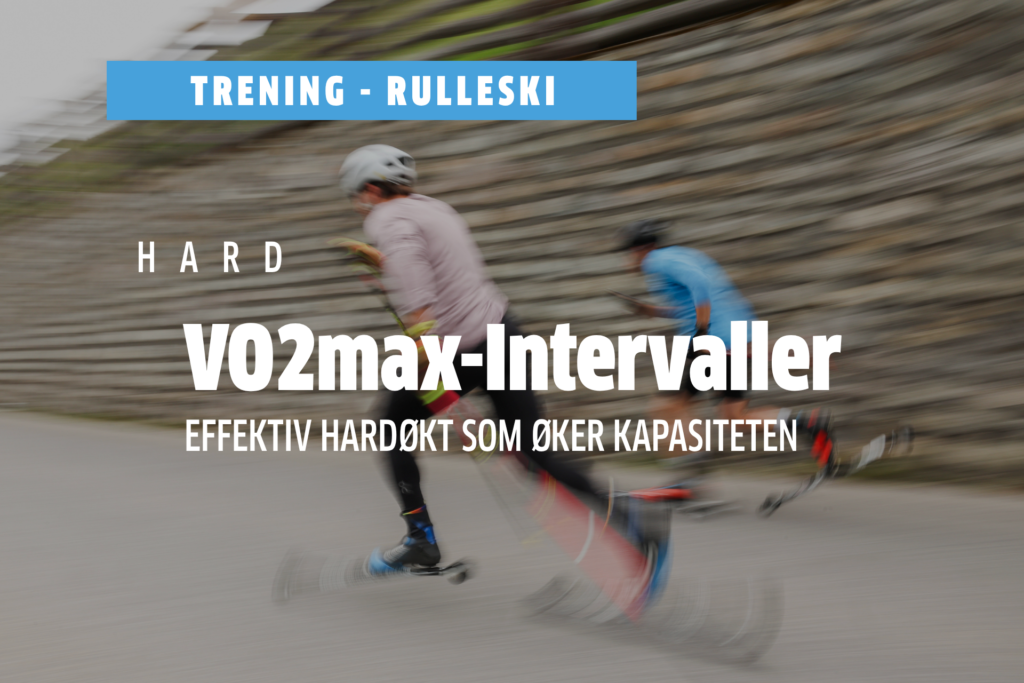
Johansen’s approach is rooted in the principle of specificity, meaning the training should mimic the demands of the sport. For cross-country skiing, this often involves sustained periods of high effort, particularly in uphill sections. The 60-minute interval session is designed to replicate these demanding scenarios, pushing athletes to their aerobic limits in a controlled and progressive manner. The emphasis on a 60-minute duration allows for a comprehensive workout that includes sufficient warm-up and cool-down periods, crucial for both performance optimization and injury prevention.
Session Structure: A Detailed Breakdown
The 60-minute session is strategically divided into three key phases: warm-up, the main interval set, and cool-down. This structured approach ensures the body is adequately prepared for the intense work to follow, maximizes the effectiveness of the main set, and facilitates recovery.
Warm-up: Preparing the Body for Peak Performance
The warm-up phase is critical for gradually increasing heart rate, body temperature, and muscle activation. A well-executed warm-up reduces the risk of muscle strains and prepares the neuromuscular system for the high demands of the interval session. While specific details for the warm-up are not explicitly provided in the original content, a typical high-intensity interval warm-up would involve:
- Light Aerobic Activity (10-15 minutes): This could include jogging, cycling, or roller skiing at a low to moderate intensity. The goal is to get the blood flowing and muscles warm.
- Dynamic Stretching (5-10 minutes): Movements such as leg swings, arm circles, torso twists, and walking lunges help to improve range of motion and activate key muscle groups.
- Sport-Specific Drills (5 minutes): Incorporating movements that mimic the primary sport can further prime the body. For roller skiing, this might include various poling techniques or stride variations at an increasing intensity.
- Short Bursts of Intensity (2-3 minutes): Including a few short, maximal or near-maximal bursts of effort (e.g., 15-20 seconds) can help to prepare the cardiovascular system for the high-intensity intervals to come.
Main Set: The Core of the VO2 Max Stimulus (30 Minutes)
The heart of this training session lies in its main interval set, designed to push the athlete’s aerobic system to its maximum capacity. The structure of this section is key to its effectiveness in elevating VO2 max.
- Workout Type: Interval Training
- Duration: 60 minutes (total session)
- Intensity: High
- Terrain: Uphill (or equivalent)
- Structure: Warm-up / Main Set / Cool-down
- Frequency: Weekly
The main set is meticulously structured to deliver a sustained high-intensity stimulus. The athlete is instructed to find an uphill terrain that lasts for at least five minutes, or a roller ski track with minimal downhill sections, to ensure a consistent challenge. This type of terrain is ideal for simulating the sustained uphill efforts common in cross-country skiing.
The core of the interval work involves repeated bouts of high-intensity effort interspersed with short recovery periods. The specific protocol is:
- Work Interval: 40 seconds of high intensity. This is described as an "i5 feeling," which in scientific terms corresponds to an intensity zone that elicits a heart rate of approximately 90-95% of maximum heart rate and a perceived exertion of 8-9 on a 1-10 scale. At this intensity, the athlete is working at or very near their maximal aerobic capacity.
- Recovery Interval: 20 seconds of easy recovery. This short recovery period is designed to be insufficient for complete physiological restoration, thus maintaining a high overall training stress and continuously challenging the aerobic system.
- Structure of Intervals: The intervals are organized into sets. A typical structure would be 4 sets of 6 repetitions of 40 seconds on / 20 seconds off. This means each set of intervals lasts 6 minutes (6 repetitions x 1 minute per repetition).
- Rest Between Sets: A recovery period of 2-3 minutes is prescribed between these 6-minute sets. Alternatively, athletes can take a rest until they feel their heart rate has sufficiently lowered and they are ready for the next set. The emphasis is on ensuring adequate recovery to maintain the intensity of the subsequent intervals, rather than strictly adhering to a time limit that might compromise the workout’s effectiveness.
The total duration of the main interval set is approximately 30 minutes, factoring in the work intervals, recovery intervals, and rest periods between sets. This concentrated period of high-intensity work is the primary driver for the physiological adaptations aimed at increasing VO2 max.
Cool-down: Facilitating Recovery and Reducing Soreness
The cool-down phase is as important as the warm-up. It allows the body to gradually return to its resting state, helps to clear metabolic byproducts from the muscles, and can contribute to reducing post-exercise muscle soreness. A typical cool-down would include:
- Light Aerobic Activity (10-15 minutes): Similar to the initial warm-up, this involves low-intensity movement to gradually lower heart rate and breathing rate.
- Static Stretching (5-10 minutes): Holding stretches for major muscle groups (quadriceps, hamstrings, calves, glutes, chest, shoulders) for 20-30 seconds can help to improve flexibility and reduce muscle tightness.
Physiological Benefits and Training Outcomes
The primary objective of this training session is to elevate the athlete’s VO2 max, thereby enhancing their overall aerobic capacity. By consistently exposing the body to supra-maximal efforts followed by brief recovery, athletes can stimulate several key physiological adaptations:
- Increased Cardiac Output: The heart becomes stronger and more efficient, capable of pumping more blood with each beat (increased stroke volume) and at a higher maximum rate.
- Enhanced Oxygen Transport: Improvements in hemoglobin concentration and blood plasma volume can increase the blood’s capacity to carry oxygen.
- Improved Muscle Oxygen Utilization: The muscles develop a greater number of capillaries and mitochondria, the "powerhouses" of the cells, allowing for more efficient extraction and utilization of oxygen.
- Higher Lactate Threshold: The body becomes better at clearing lactate, the byproduct of anaerobic metabolism, allowing the athlete to sustain a higher intensity for longer before fatigue sets in.
- Improved Efficiency: While not directly a VO2 max improvement, the training can lead to better biomechanical efficiency, meaning less energy is wasted during movement.
Adaptability and Versatility
A significant advantage of this training methodology is its adaptability across different movement forms. While developed with roller skiing and cross-country skiing in mind, the principles can be applied to:
- Running: Athletes can utilize steep hills or track intervals.
- Cycling: Uphill segments on a road bike or specific interval training on a stationary bike are effective.
- Rowing: Using a rowing machine (like the SkiErg, which is mentioned in a related article) with high-intensity bursts.
- Swimming: Incorporating high-intensity sprints in a pool.
The key is to find a method of exercise that allows for sustained high-intensity effort and is conducive to the 40/20 interval structure. The mention of a "SkiErg (medium)" in a related article suggests that even specific indoor training machines can be utilized for similar purposes, highlighting the broad applicability of the interval training philosophy.
Contextualizing the Workout within Elite Training Regimens
The development and implementation of such precise training protocols are hallmarks of modern elite sports. The fact that this session is designed by a coach of top-tier athletes like Calle Halfvarsson and Oskar Svensson underscores its validity and potential for significant performance gains. These athletes compete at the highest international level, where marginal improvements can make a substantial difference.
The strategic use of high-intensity interval training is not new in endurance sports, but the specific structure and prescription (40/20 intervals with specific rest periods) represent a refined approach that has been shown to be highly effective. This type of training is typically integrated into a broader training plan that also includes lower-intensity endurance work, strength training, and recovery. The weekly implementation of this session suggests it is considered a cornerstone of the athletes’ aerobic development.
Broader Implications and Future Trends
The emphasis on VO2 max development through structured interval training reflects a continued trend in sports science towards optimizing physiological capacity through targeted and evidence-based interventions. As athletic performance continues to push boundaries, coaches and athletes are increasingly relying on data-driven training methodologies.
The success of programs like Team Swenor-Splitkon in developing world-class athletes validates the effectiveness of this approach. The sharing of such training insights through platforms like langrenn.com is invaluable for aspiring athletes and coaches, democratizing access to advanced training knowledge.

Future trends in endurance sports training are likely to see further refinement of interval protocols, increased use of physiological monitoring (heart rate, power meters, lactate measurements), and greater integration of sport-specific demands into training design. The principle of matching training intensity and duration to specific physiological goals, as exemplified by this 60-minute VO2 max session, will remain paramount.
Conclusion: A Powerful Tool for Performance Enhancement
The 60-minute high-intensity interval training session, as developed by Vetle Leander Johansen, represents a potent and well-structured approach to significantly improving an athlete’s aerobic capacity. Its focus on elevating VO2 max through carefully prescribed intervals makes it an invaluable tool for athletes in endurance sports. The session’s adaptability, its foundation in elite coaching practices, and its clear physiological objectives position it as a key component of any serious athlete’s training regimen. By consistently integrating this workout, athletes can expect to see tangible improvements in their endurance, performance, and overall competitive potential.

