
Norway’s leading male orienteer, Kasper Harlem Fosser, is aiming for redemption in Saturday’s sprint event in Skara, Sweden, after a disappointing semi-final exit in Thursday’s knockout sprint in Lidköping. Fosser expressed dissatisfaction with the race format, which he felt lacked strategic depth.
Fosser Seeks to Reclaim Momentum in Skara Sprint
Kasper Harlem Fosser, a prominent figure in Norwegian men’s orienteering, is setting his sights on the upcoming sprint competition in Skara this Saturday. His determination stems from a frustrating outcome in Thursday’s knockout sprint held in Lidköping, where he was eliminated in the semi-finals. Fosser candidly shared his displeasure with the event’s format, specifically citing the absence of a "gafling," or spread-out start method, which he believes is integral to his preferred style of orienteering.
"It’s not really my type of orienteering when you can just run after and strike in the sprint," Fosser commented following his defeat, where he was outpaced in the final sprint by Anselm Reichenbach of Germany and Akseli Ruohola of Finland. This sentiment highlights a tactical nuance within the sport, where the ability to navigate and make individual route choices, rather than solely relying on sprint speed, is a key differentiator for athletes like Fosser.
Team Norway Secures Crucial Points Amidst Individual Setbacks
Despite Fosser’s personal setback, the Norwegian team achieved a significant victory on Thursday. Teammate Eirik Langedal Breivik triumphed in the final, securing vital World Cup points that could impact the overall standings. This win was particularly impactful as it took points away from Finnish competitor Tuomas Heikkilä, who had been leading Kasper in the overall World Cup standings. Heikkilä, who had a strong lead for a considerable portion of the race, ultimately faltered due to a late mistake, dropping him from podium contention.
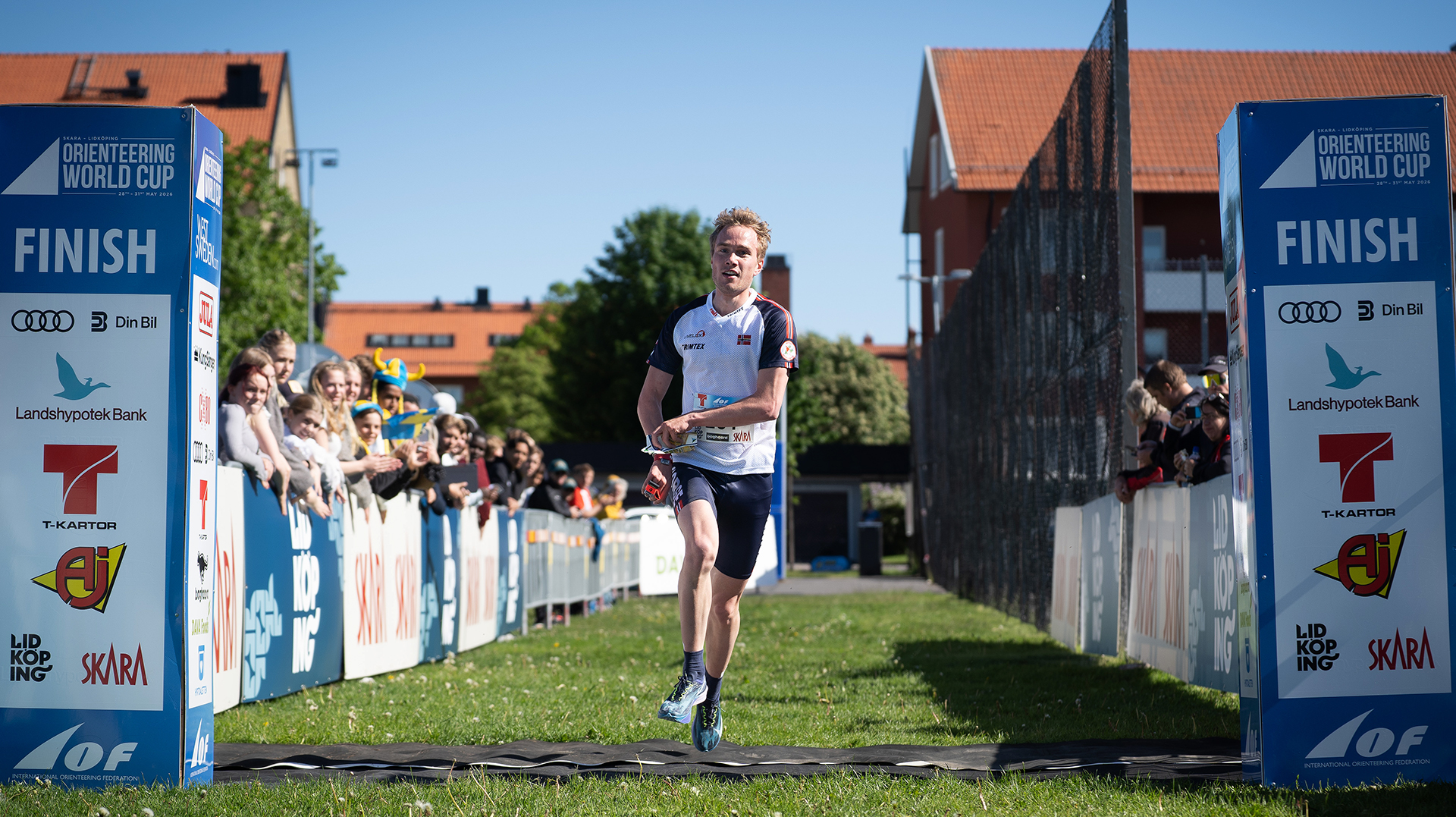
This team success underscores the depth and competitive spirit within the Norwegian orienteering contingent. While individual performances can fluctuate, the collective effort to secure points and maintain team morale remains a critical aspect of their World Cup campaign.
The Strategic Advantage of Individual Sprints for Norwegian Talent
The upcoming individual sprint in Skara presents a format that is expected to be more favorable to both Fosser and Breivik. Unlike the knockout sprint, individual sprints allow for more strategic route choices and a greater emphasis on individual navigation skills, playing to the strengths of these two accomplished athletes. Both have demonstrated top form in recent competitions, and their dedication to sprint training, specifically in preparation for this spring’s World Cup and the upcoming World Championships in Italy in July, is expected to pay dividends.
"We have a stronger sprint focus than ever before," stated national team head coach Janne Salmi during a recent sprint training session held in Oslo three weeks prior to these events. This declaration from the coach reinforces the strategic shift and increased emphasis on sprint disciplines within the Norwegian national team’s development program. The team has been meticulously refining their sprint techniques, understanding that success in this format requires a blend of speed, precision, and tactical acumen.
Norwegian Women Aim for Podium Finishes in Skara
On the women’s side, Pia Young Vik narrowly missed a podium finish in the knockout sprint, securing fifth place. Despite this, she remains firmly in contention for the overall World Cup title. Victoria Hørstad Bjørnstad was also very close to a final berth, indicating strong potential for both athletes in Saturday’s sprint event.
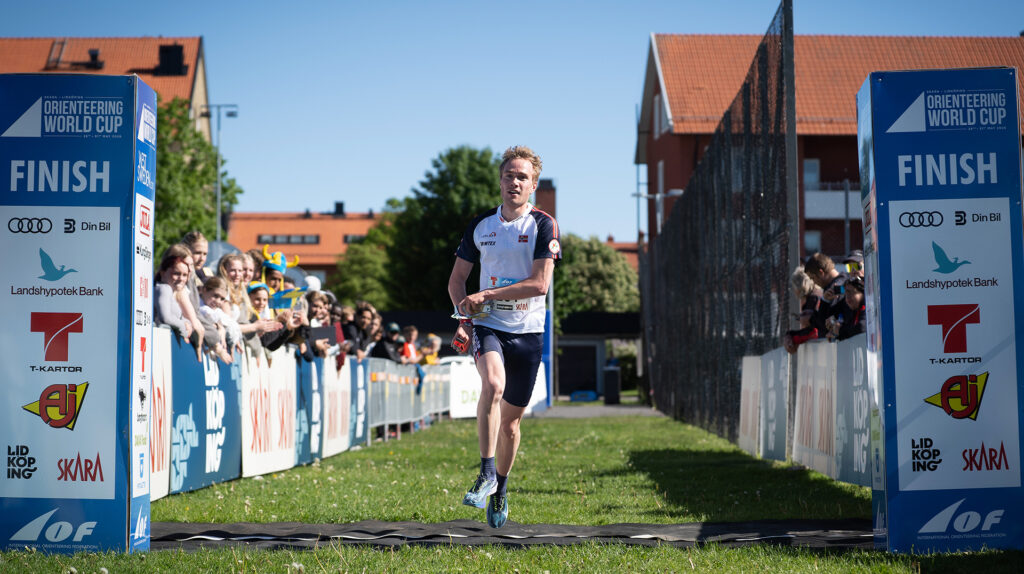
Andrine Benjaminsen, another prominent Norwegian female orienteer, has more to prove in Skara. She experienced an unexpected early exit in the qualification round in Lidköping, making Saturday’s sprint a crucial opportunity for her to rebound and demonstrate her capabilities. The Norwegian women’s team is also focusing on sprint performance, recognizing its growing importance in the international circuit.
Live Coverage and Expert Commentary
All the unfolding drama from Saturday’s sprint event, as well as the subsequent sprint relay, will be broadcast live on langrenn.com. Providing expert commentary and guiding viewers through the intricacies of the competition will be none other than Jørgen Sundby, a well-known figure in the sport. His insights are expected to offer valuable context and analysis for both seasoned orienteering enthusiasts and newcomers to the sport.
For those eager to follow the event closely, start lists and results will be made available through a dedicated link on langrenn.com, ensuring fans have access to real-time information and comprehensive event data. The platform’s commitment to live streaming and detailed reporting highlights the growing popularity and accessibility of orienteering as a spectator sport.
Background of the Orienteering World Cup Sprint Series
The current events in Sweden are part of the 2024 Orienteering World Cup series, a prestigious annual competition that brings together the world’s elite orienteering athletes. The series comprises several disciplines, including sprint, knockout sprint, middle distance, and long distance, held across various international locations. Athletes accumulate points based on their performance in each race, with the overall winners crowned at the end of the season.
Sprint orienteering, in particular, has seen a significant surge in popularity in recent years. Characterized by its fast-paced nature and urban or park-like settings, it demands exceptional speed, agility, and precise map reading skills over shorter distances. The knockout sprint format, a newer addition to the World Cup, adds an element of direct head-to-head competition, intensifying the excitement and unpredictability.
The Lidköping and Skara events represent a key stage in the World Cup calendar, offering athletes crucial opportunities to gain points and refine their strategies ahead of major championships. The competitive landscape is fierce, with athletes from numerous nations vying for supremacy. Nations like Sweden, Finland, Switzerland, and the Czech Republic consistently field strong teams, making every race a challenging test of skill and endurance.
The Role of Sprint Training and Future Implications
The Norwegian team’s intensified focus on sprint training reflects a broader trend in the sport. As courses become more demanding and competition intensifies, specialized training is essential for success. The investment in sprint preparation is not just for the current World Cup season but also a strategic move to build a strong foundation for future international competitions, including the World Championships.
The World Championships, often considered the pinnacle of orienteering, demand peak performance across all disciplines. By prioritizing sprint capabilities now, the Norwegian team aims to be well-prepared to contend for medals in all formats. This strategic foresight is characteristic of successful national sporting programs, where long-term planning and continuous development are paramount.
The implications of strong performances in these Swedish events extend beyond individual results. Consistent success on the World Cup stage can inspire a new generation of Norwegian orienteers, boost the sport’s profile domestically, and attract further investment and support. The dedication shown by athletes like Fosser and Breivik, coupled with the strategic guidance from coaches like Salmi, signals a robust commitment to maintaining and enhancing Norway’s standing in the global orienteering community.
Looking Ahead: The Sprint Relay and Broader Competitor Landscape
Following the individual sprints, the competition often includes a sprint relay, a team event that further tests the athletes’ speed and coordination. These relays are typically thrilling spectacles, requiring seamless transitions between team members and often decided by mere seconds. The Norwegian team’s preparedness for both individual and team sprint formats will be on full display.
The international field remains highly competitive. Athletes like Matthias Kyburz (Switzerland), Daniel Hubmann (Switzerland), and Gustav Bergman (Sweden) are perennial contenders in men’s sprint orienteering. On the women’s side, names like Tove Alexandersson (Sweden), who has dominated the sport for years, and various strong competitors from Finland and Switzerland will present significant challenges. The performances in Skara will offer valuable insights into the current form of these leading athletes and potential shifts in the competitive hierarchy.
The data from previous World Cup seasons consistently shows a tight race for the top positions. For instance, in past seasons, the difference in points between the top five male and female athletes has often been less than 50 points, underscoring the importance of consistency and strong results in every race. Fosser’s current standing, while perhaps not ideal after Thursday’s event, places him within striking distance of the leaders, making Saturday’s sprint a pivotal moment in his World Cup campaign.
The Norwegian national team’s strategic investment in sprint orienteering, coupled with the talent and determination of its athletes, positions them as strong contenders for success in both the current season and in the years to come. The upcoming events in Skara will undoubtedly provide compelling drama and valuable insights into the evolving landscape of international sprint orienteering.

