
Germany’s consumer watchdog organization, Foodwatch, has awarded LaVita the dubious honor of the "Golden Windbag" award, labeling their €100-per-liter fruit juice as the "most obvious advertising lie." This designation, bestowed by consumers themselves, highlights significant concerns regarding the marketing and purported health benefits of the product, which is now a prominent sponsor of the International Biathlon Union (IBU). The controversy surrounding LaVita’s marketing claims has intensified as German media outlets scrutinize the company’s substantial investment in international winter sports, estimated to exceed 50 million Euros annually.
Foodwatch Accusations: Misleading Health Claims and Inflated Prices
The "Golden Windbag" award, presented annually since 2009, aims to draw public attention to products perceived to be engaged in the most misleading marketing practices. Foodwatch’s accusation centers on LaVita’s strategy of justifying an exceptionally high price point – a staggering €100 per liter – by promoting unsubstantiated health benefits. The organization contends that consumers are being misled into believing the product offers significant health advantages, thereby justifying its premium cost.
In a recent online survey conducted by Foodwatch, which garnered over 66,000 participants, LaVita’s "micronutrient concentrate" received a significant majority of the votes, with 39% of respondents deeming it the year’s most egregious advertising deception. Alina Nitsche, a spokesperson for Foodwatch, explicitly stated, "LaVita rakes in money from consumers who wish to be healthy. The juice is a prime example of fraud with misleading health claims." She further elaborated, "LaVita is clearly exploiting consumers’ desire for health."
The product itself is primarily composed of 70% fruit juice concentrate, augmented with added vitamins and nutrients. Foodwatch has pointed out that these additions are "sometimes overdosed," further questioning the product’s advertised purity and efficacy. While LaVita initially marketed the beverage as a "cleansing drink" and claimed it to be "the daily foundation for our health," these specific claims have since been discontinued by the company following Foodwatch’s intervention. The marketing also previously included slogans like "Fit for Life."
LaVita’s Defense: Price Justification and Ingredient Transparency
LaVita has responded to Foodwatch’s accusations with indignation, asserting that their claims do not constitute a promise of healing or guaranteed health. A company spokesperson, when contacted by German media outlet BILD, stated, "Our claim is not a promise of healing or health. The decisive factor is the price per portion – and that is €1." The company argues that the cost of sourcing and preparing a comparable array of fresh ingredients daily would quickly exceed the price of a single serving of LaVita, making it a cost-effective alternative for consumers seeking a diverse intake of nutrients. They maintain that the product does not amount to "fraud."
In response to the scrutiny, LaVita has indicated an intention to have their slogan "Fit for Life" legally reviewed once more. The company has also ceased advertising with the "cleansing drink" label and has admitted that not all of its ingredients are 100% natural. This admission is a significant concession, as it directly challenges the "natural product" image the company has sought to cultivate.
The "Golden Windbag" Award: A History of Consumer Advocacy
The "Golden Windbag" award has a history of highlighting questionable marketing practices across various industries in Germany. Past recipients have included products and companies accused of making exaggerated health claims, misleading environmental advertising, or employing deceptive pricing strategies. The award serves as a platform for consumer voices to collectively challenge what they perceive as corporate dishonesty and to encourage greater transparency and ethical marketing from businesses. The significant participation in the voting process for this year’s award underscores a growing consumer awareness and a willingness to hold companies accountable for their advertising narratives.
LaVita’s Growing Presence in Winter Sports Sponsorship
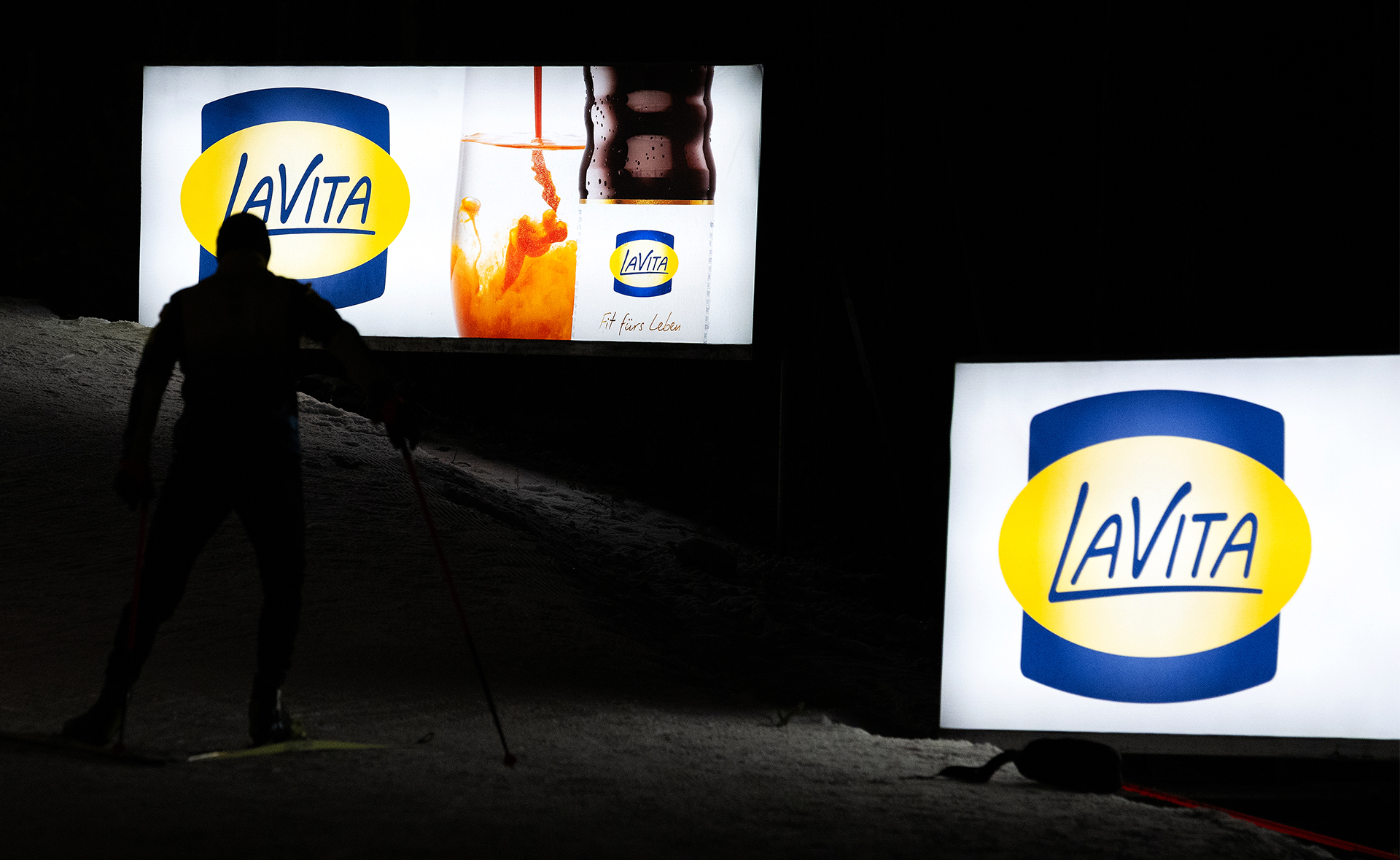
Despite the controversy, LaVita’s financial commitment to winter sports remains substantial. The company became the IBU’s title sponsor in October 2023, signing a four-year agreement that commences with the 2026/2027 season. This sponsorship deal, reportedly worth around 4.6 million Euros per season (over 50 million Norwegian Kroner), ensures LaVita’s prominent branding across major biathlon arenas throughout the competitive calendar.
Beyond the IBU, LaVita has also established personal sponsorship agreements with prominent athletes, including Norwegian biathlon stars Johannes Thingnes Bø and Tarjei Bø, as well as German biathlon legend Magdalena Neuner. This multi-faceted sponsorship strategy suggests a deliberate effort by LaVita to leverage the popularity and global reach of winter sports to enhance brand visibility and consumer engagement.
Furthermore, LaVita’s involvement extends to other winter sports federations. The company is a sponsor of the International Ski Federation (FIS), supporting the Ski Jumping and Alpine Skiing World Cups. These agreements, initiated in 2023 for an initial three-season period, indicate a broader ambition to establish LaVita as a significant player in the winter sports sponsorship landscape. The company also served as a sponsor for the 2025 Nordic World Ski Championships in Trondheim, Norway, further solidifying its presence in the international winter sports community.
Broader Implications and Industry Scrutiny
The "Golden Windbag" award and the subsequent media attention raise critical questions about the intersection of sports sponsorship and consumer protection. LaVita’s substantial investment in biathlon, a sport with a strong following and significant media coverage, has brought its marketing practices under intense scrutiny. The juxtaposition of a premium-priced health product with the athletic prowess and perceived healthiness of elite athletes creates a potent marketing synergy. However, when this synergy is perceived as built on misleading claims, it can lead to public backlash and damage brand reputation.
The IBU, as the governing body for biathlon, faces the challenge of navigating this controversy. While sponsorship revenue is crucial for the sport’s development and operation, the association with a company accused of deceptive marketing practices could potentially tarnish its image. The IBU’s silence on the matter thus far is notable, and future statements may be forthcoming as the situation develops.
For consumers, this incident serves as a reminder to critically evaluate health-related product claims, particularly those associated with premium pricing. The vigilance of consumer advocacy groups like Foodwatch plays a vital role in holding corporations accountable and fostering a more transparent marketplace. The ongoing debate surrounding LaVita’s marketing highlights the complex dynamics between commercial interests, athletic endorsement, and the imperative of honest consumer communication. As LaVita continues to expand its presence in the world of winter sports, the scrutiny of its advertising practices is likely to persist, prompting a closer examination of the ethical boundaries in sports marketing.

