
The inaugural Red Bull Features Cup culminated in a dramatic and statistically improbable three-way tie, ultimately resolved by a high-stakes sudden-death hip session that saw the Asia-Pacific contingent emerge victorious. This groundbreaking event, designed to redefine competitive snowboarding through an emphasis on creativity, teamwork, and diverse skill sets, delivered on its promise of unpredictable action and a session-driven atmosphere that captivated both athletes and spectators. Held on an ingeniously designed course featuring four distinct zones, the competition challenged the world’s elite riders to adapt, strategize, and collaborate in ways rarely seen in traditional contests.
A New Paradigm in Competitive Snowboarding
The Red Bull Features Cup was conceived as a deliberate departure from the established formats of slopestyle and big air, which often prioritize individual amplitude and technical difficulty. Instead, organizers aimed to cultivate an environment where a broader spectrum of snowboarding prowess—including speed, technical rail mastery, air awareness, and synchronized team execution—could shine. The event’s structure, with its rotating zones and the innovative "Mischief Multiplier" element, was engineered to foster dynamic competition and reward adaptability, pushing riders beyond their comfort zones while maintaining a spirit of camaraderie and shared progression. The overarching goal was to create a "vibe" where the pressure of competition was balanced with the pure joy of riding, allowing for more organic and creative expression.
Three regional powerhouses converged on the custom-built course, each bringing a formidable roster of talent. Team Europe featured Norwegian phenoms Marcus Kleveland and Fridtjof Tischendorf, alongside Isak Ulstein and Celia Petrig, representing a blend of big-mountain prowess and technical finesse. North America presented a formidable quartet with Luke Winkelmann, Denver Orr, Egan Wint, and Lane Weaver, known for their aggressive style and park expertise. The Asia-Pacific team, ultimately the victors, comprised Cool Wakushima, Zephyr Lovelock, Rocco Jamieson, and Miyabi Onitsuka, a group celebrated for their fluidity, unique trick selection, and strong collective chemistry. The stage was set for a contest where individual brilliance would be magnified by strategic teamwork.
Navigating the Multi-Zone Gauntlet: A Chronological Breakdown
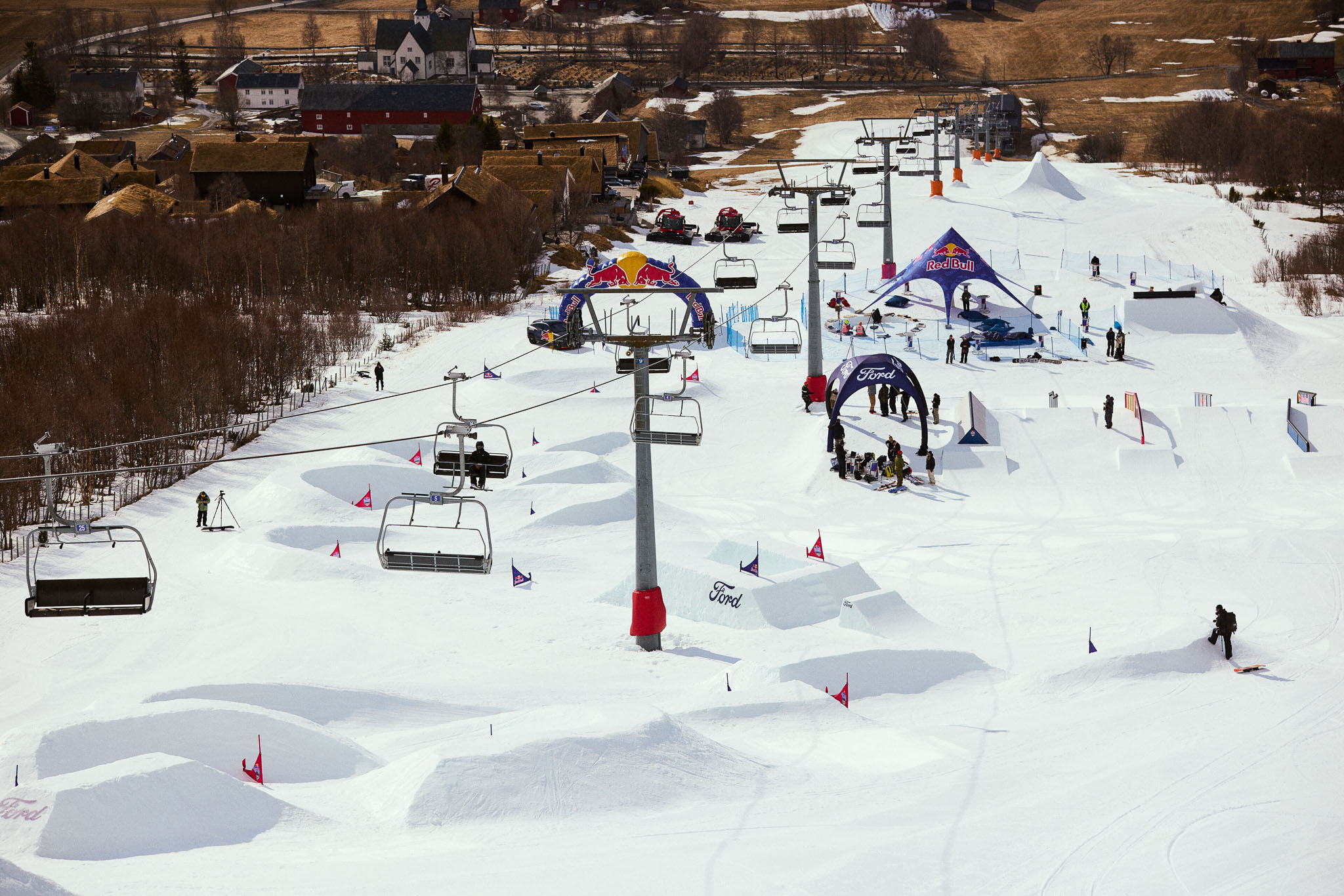
The competition unfolded across four meticulously crafted zones: banked slalom, rail jam, quarterpipe, and jump. Each zone presented unique challenges and offered a tiered scoring system of 5-3-1 points for first, second, and third place, respectively. Layered throughout the event was the "Mischief Multiplier," an innovative element designed to introduce spontaneous creative challenges and award bonus points, ensuring riders remained on their toes and fostered improvisation.
Zone 1: The Banked Slalom – Speed, Strategy, and Surprise
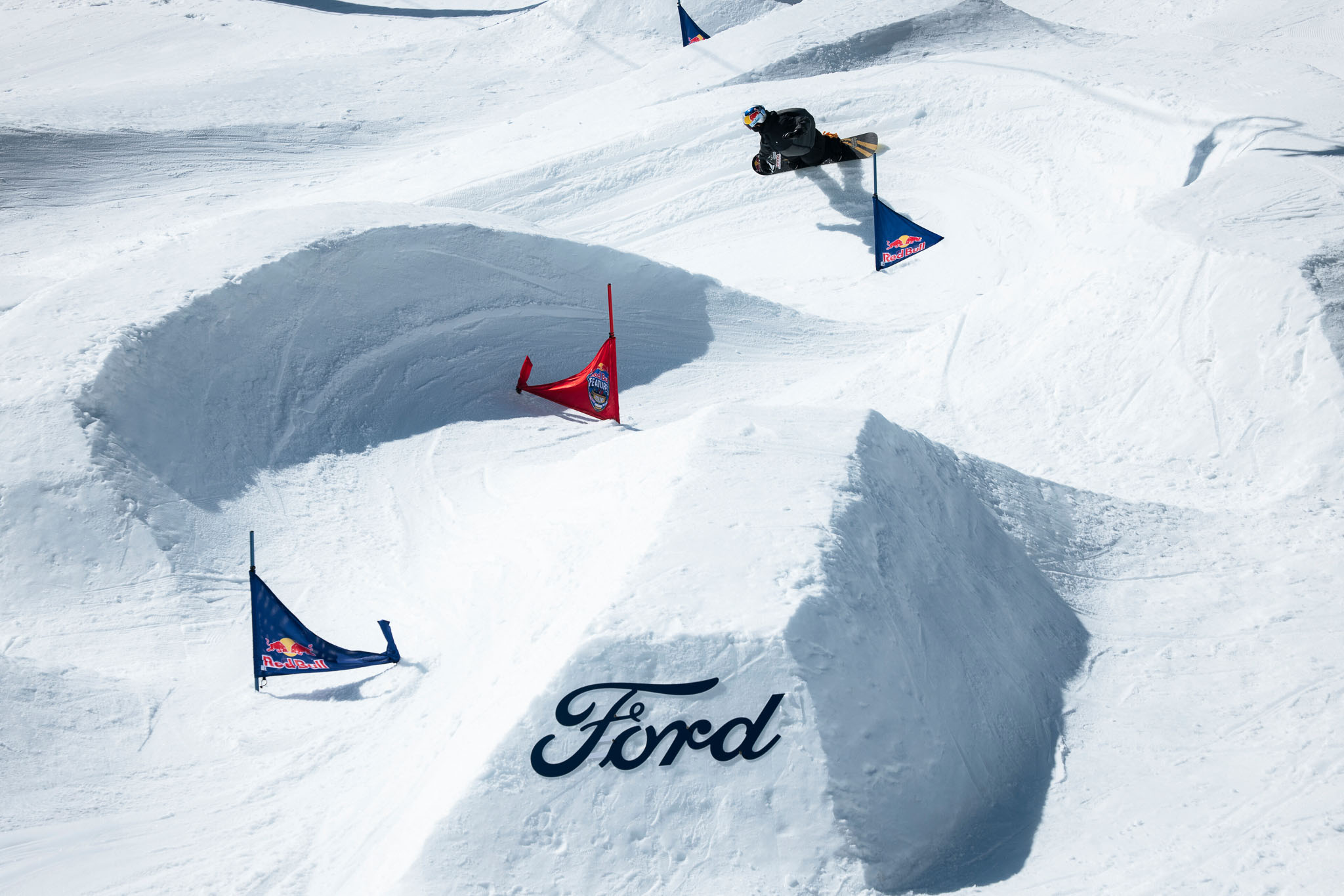
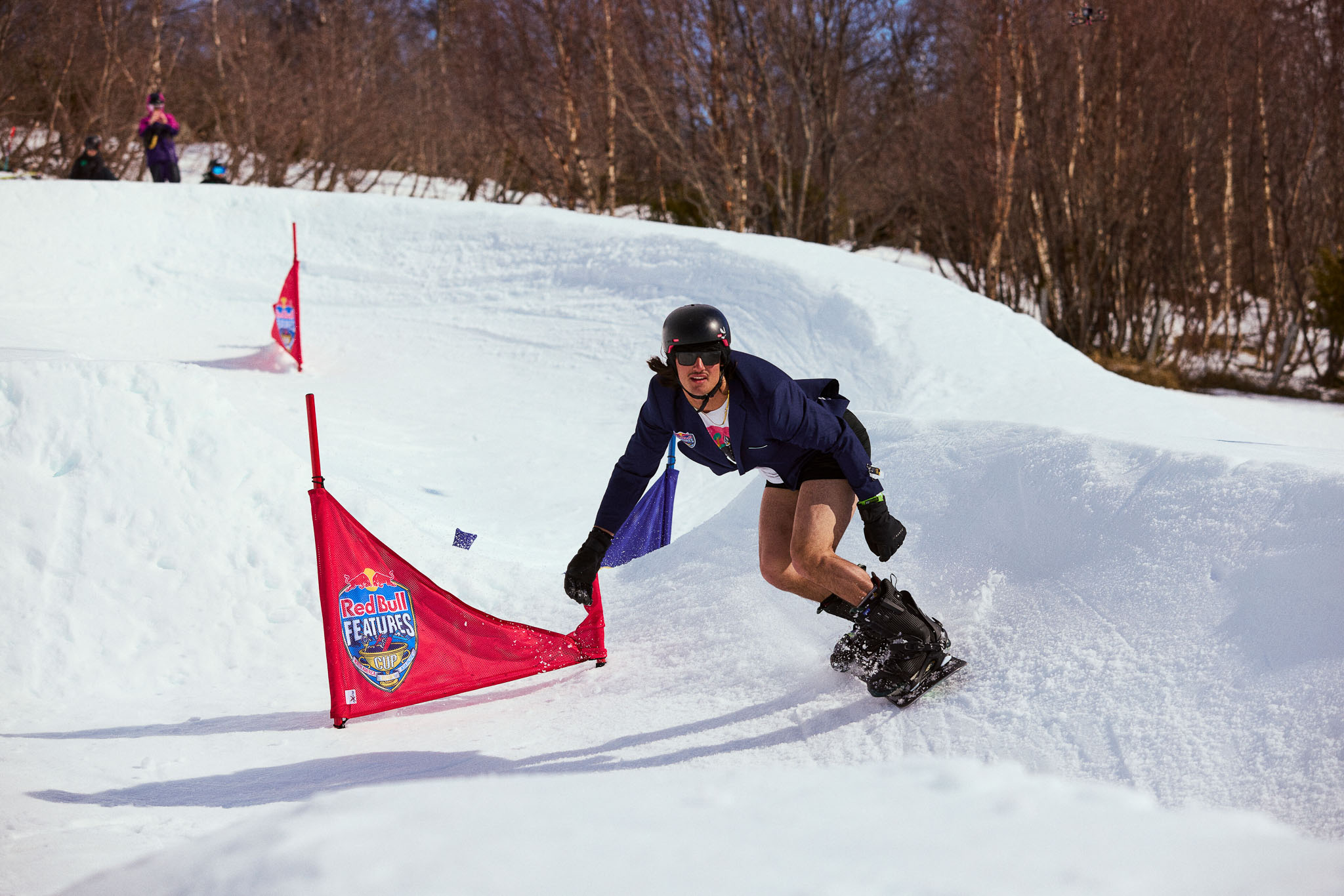
The Red Bull Features Cup kicked off with the banked slalom, a discipline that immediately tested both individual speed and collective strategy. Unlike conventional banked slalom courses, this iteration incorporated a dual-board format, requiring teams to log cumulative times across two runs: one on standard boards and another on nimble mini boards. This introduced an element of unpredictability, demanding riders adapt their technique to significantly different equipment. Adding to the complexity, penalties were enforced for missed gates, while the "Mischief Multiplier" offered time deductions for creative risk-taking, such as executing flips mid-course.
North America’s Luke Winkelmann quickly established dominance on his standard board, setting a blistering pace that underscored his team’s raw speed and precision. His aggressive lines and flawless execution initially put North America in a strong position. However, the unique format, particularly the mini-board runs and the impact of penalties and bonuses from the "Mischief Multiplier," ensured that the standings remained incredibly tight. Teams had to balance outright speed with careful navigation and the calculated risk of attempting creative tricks for bonus points. Europe and Asia-Pacific demonstrated consistent, clean runs, but the cumulative timing and dynamic scoring kept any single team from establishing an insurmountable lead early on. The banked slalom proved to be a strategic opening, emphasizing versatility and the delicate balance between speed and precision.
Zone 2: The Rail Jam – Technicality Meets Randomization
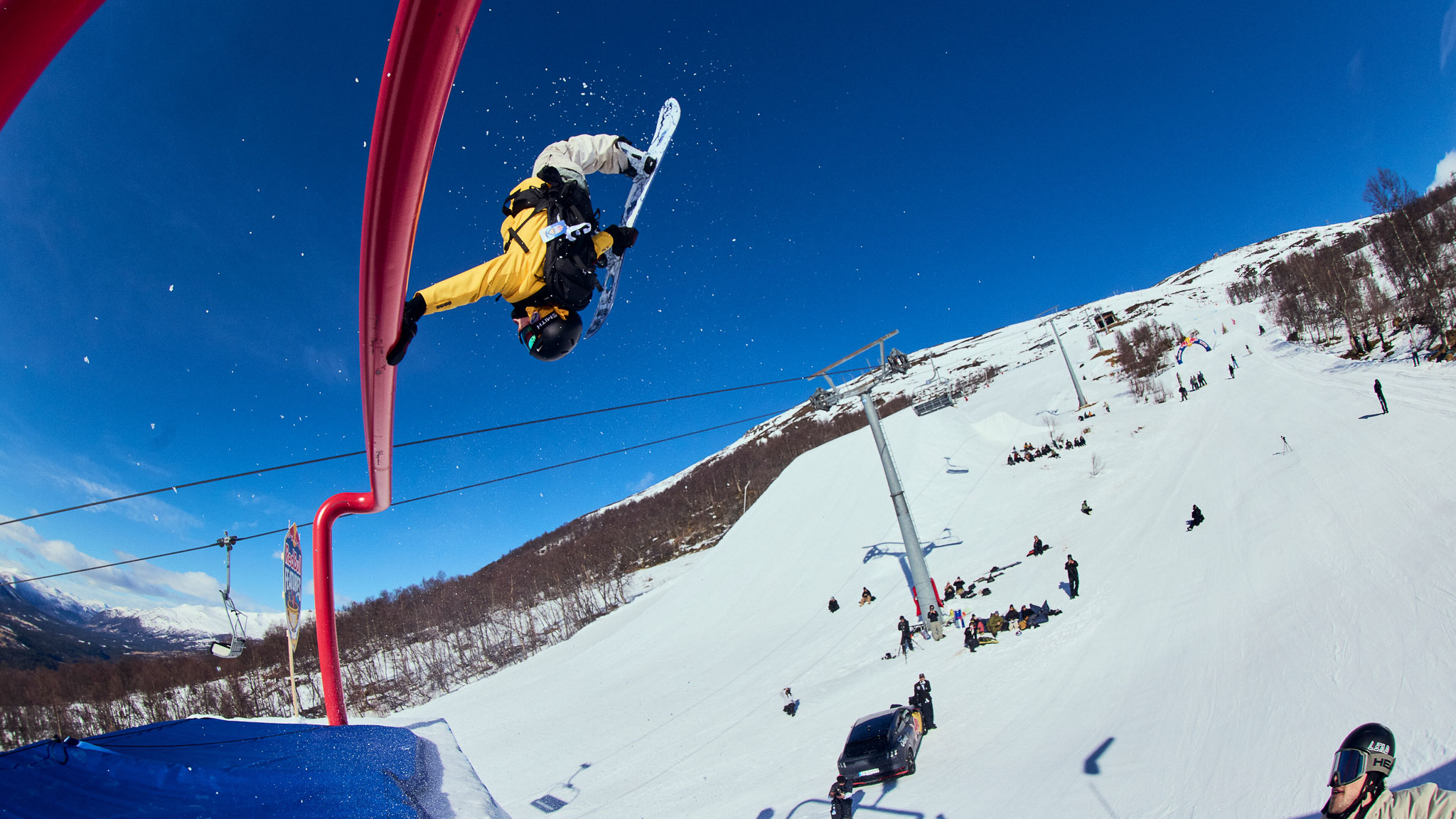
The atmosphere intensified as the competition transitioned to the rail jam, a zone that quickly became a highlight due to its dynamic and adaptive nature. The session began as a traditional, open rail jam, allowing riders to showcase their technical prowess and signature moves on a variety of features. However, the "Mischief Multiplier" soon introduced a game-changing element: a spin wheel that randomly dictated specific tricks or features riders had to incorporate on the fly. This forced rapid adaptation and rewarded not just technical skill, but also quick thinking and the ability to execute under unexpected constraints.
North America, widely recognized for its depth in technical rail riding, leveraged this zone as a clear strength. Riders like Denver Orr and Egan Wint consistently delivered intricate combinations and clean executions, cementing their team’s reputation. Yet, it was Europe’s Fridtjof Tischendorf, affectionately known as "Fridge," who emerged as a standout performer. Tischendorf’s consistent delivery under both open and randomized conditions showcased an exceptional blend of technical mastery and composure. His ability to seamlessly integrate the spin wheel’s demands into his runs earned significant points and admiration. The rail jam underscored the event’s commitment to pushing creative boundaries and rewarding riders who could think on their feet, significantly altering the overall standings as teams capitalized on their specialized strengths.
Zone 3: The Quarterpipe – Amplitude, Coordination, and Air Awareness
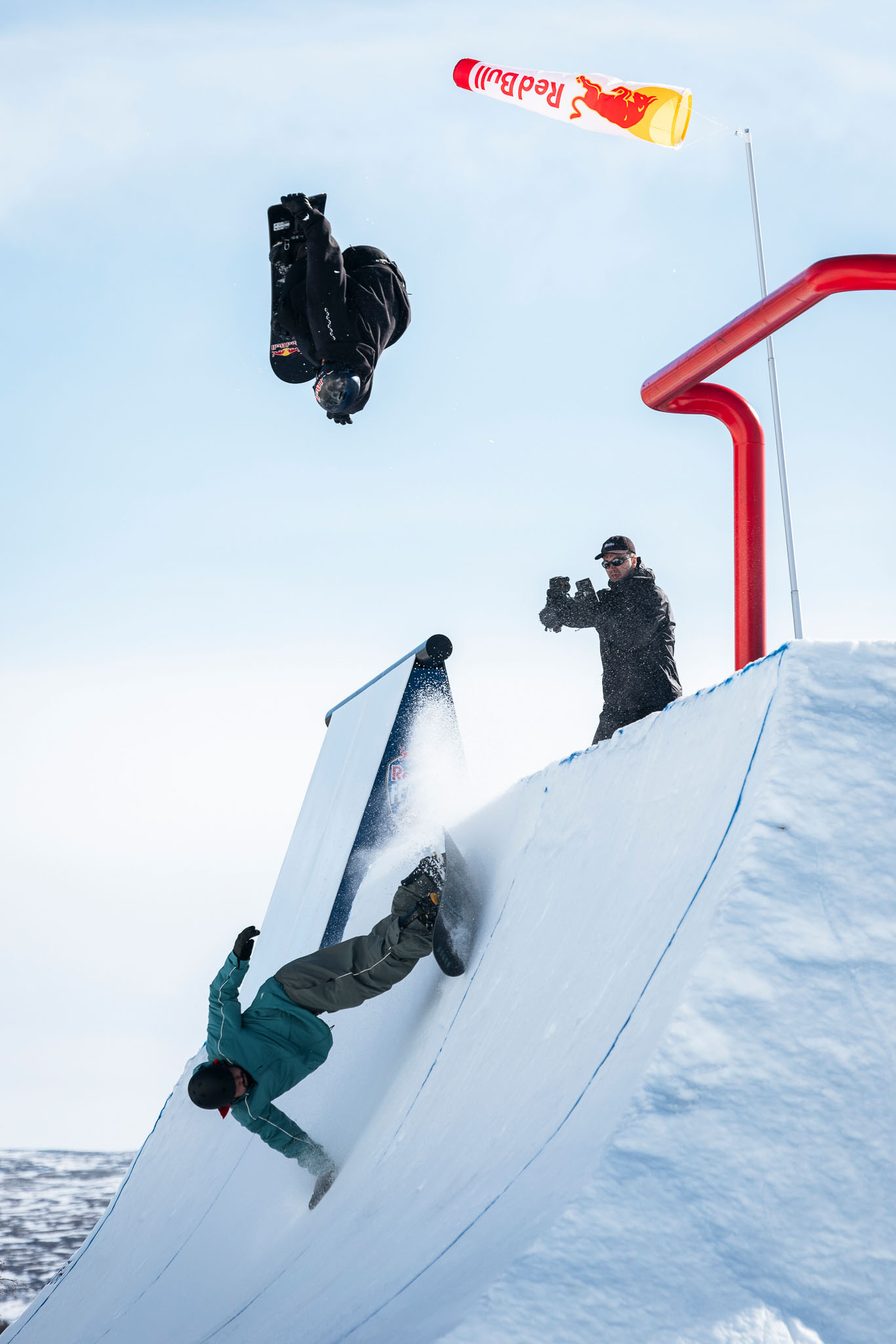
Following the technical demands of the rail jam, the quarterpipe zone shifted the focus dramatically to amplitude, air awareness, and, crucially, team coordination. The quarterpipe itself was enhanced with additional features like a wall ride and a hitching post, expanding the creative options available to riders and encouraging diverse lines. A particularly innovative element was the bonus points awarded for synchronized "doubles" runs, where one rider would hit low on the coping while a teammate aired over them in perfect unison. This demanded not only individual skill but also precise timing and trust between teammates, fostering a truly collaborative spirit.
In a testament to the high level of camaraderie and skill across the field, all three teams successfully pulled off these synchronized doubles, generating an electric atmosphere and adding a unique layer of collaborative energy to the event. Fridtjof Tischendorf once again proved to be a linchpin for Team Europe, helping anchor their performance with his powerful and stylish air tricks. Asia-Pacific, despite showcasing strong individual air awareness across its roster, demonstrated incredible potential but fell just short in the zone standings. North America also put on a strong display of amplitude and control, ensuring that points were fiercely contested. The quarterpipe zone highlighted the multifaceted talents of the competitors and the strategic importance of teamwork in securing crucial points.
Zone 4: The Jump Session – Style, Progression, and Precision
The final competitive zone, the jump session, proved to be a defining highlight of the Red Bull Features Cup, designed with a unique progression format that moved away from the conventional "biggest trick wins" mentality. Each rider was required to build their trick progression from 180s up to a maximum of 900-degree rotations. This capped rotation level was a deliberate choice, shifting the focus away from sheer difficulty and towards flawless execution, impeccable style, and consistent landings. Teams had to carefully plan their trick selection, ensuring each progression was clean, stylish, and landed perfectly, creating a session unlike anything typically seen in traditional big air competitions.
Team Europe, spearheaded by the undisputed air maestro Marcus Kleveland, entered this zone as a formidable powerhouse. Kleveland’s ability to combine amplitude with unparalleled style and consistency made him a natural leader in this format. However, the unique rules ensured that all three teams rose magnificently to the challenge, delivering a tightly contested finale. Riders demonstrated exceptional control and creativity within the rotational limits, showcasing the beauty of snowboarding’s fundamental elements. The jump session was a masterclass in controlled progression and artistry, perfectly embodying the event’s philosophy of prioritizing style and consistency over raw, often risky, innovation. As the final points were tallied, the tension was palpable, setting the stage for an outcome no one could have predicted.
The Unprecedented Conclusion: A Three-Way Tie
In a turn of events that underscores the remarkable balance of talent and strategic acumen across all three regions, the Red Bull Features Cup concluded with a rare and mathematically improbable three-way tie. After the culmination of all four fiercely contested zones—banked slalom, rail jam, quarterpipe, and jump—each team found themselves deadlocked on an identical 12 points. This extraordinary result sent a ripple of excitement and disbelief through the event, highlighting the intense, neck-and-neck competition that had unfolded throughout the day.
Team Europe secured two zone wins, showcasing their individual strengths in specific disciplines. Asia-Pacific demonstrated exceptional consistency, combining a crucial zone win with multiple strong second-place finishes, ensuring they remained in contention. North America’s performance was characterized by remarkable consistency across all zones, consistently placing well enough to accumulate points and stay level with their rivals. The meticulous scoring system, designed to reward diverse skills, inadvertently led to this perfect stalemate, forcing an unplanned, high-stakes sudden-death scenario to determine the ultimate champion. The roar of the crowd and the palpable energy of the riders confirmed that this unforeseen deadlock was, in itself, a testament to the success of the innovative format in creating truly competitive and unpredictable action.
Sudden Death: Asia-Pacific Claims Victory in Hip Session Showdown
With the scoreboard frozen at an identical 12 points for all three teams, the Red Bull Features Cup was plunged into an unscheduled, nail-biting sudden-death scenario: a high-stakes hip session. This impromptu fifth zone became the ultimate crucible, demanding raw talent, nerve, and the ability to perform under immense pressure. The hip session, known for encouraging creative lines, massive air, and dynamic trick execution, provided a perfect stage for a dramatic conclusion.
The Asia-Pacific team, capitalizing on their accumulated momentum and showcasing remarkable depth across their roster, rose to the occasion with an electrifying performance. Their riders demonstrated exceptional control, amplitude, and a unique flair that resonated with the judges. Each member contributed critical moments, executing big airs and stylish grabs with precision and confidence. Their collective energy and seamless execution in this spontaneous format ultimately tipped the scales. With a series of standout runs, Asia-Pacific seized the opportunity, securing the overall victory and etching their names into the history books as the inaugural champions of the Red Bull Features Cup. The cheers from the crowd were deafening as the team celebrated their hard-fought and truly memorable win.
Final Results:
1st Asia-Pacific
2nd North America
3rd Europe
Beyond the Podium: A New Benchmark for Snowboarding
While the podium celebrated Asia-Pacific’s well-deserved victory, the true defining takeaway from the Red Bull Features Cup extended far beyond mere results. The event successfully cultivated a unique "vibe"—a session-driven environment where riders genuinely fed off each other’s energy, pushing creative boundaries and fostering mutual progression without the stifling pressure often associated with traditional contests. The sight of competitors cheering for each other’s successful runs, even as they vied for victory, underscored the event’s success in nurturing a collaborative spirit.
Organizers and riders alike lauded the format for its refreshing approach. The combination of varied zones, the unpredictable "Mischief Multiplier," and the emphasis on diverse skills rather than a singular focus on rotation counts, resonated deeply within the snowboarding community. It proved that competitive snowboarding could evolve, prioritizing artistic expression, adaptability, and teamwork alongside individual excellence. The feedback from the athletes was overwhelmingly positive, with many expressing how much "fun" they had, a sentiment often overshadowed in high-stakes professional contests.
With its highly successful debut, the Red Bull Features Cup has undeniably set a new benchmark for competitive snowboarding. It champions a future where creativity leads the way, where teamwork is not just encouraged but essential, and where the fundamental joy and progression of the sport remain at its very core. The event demonstrated a viable and exciting pathway for contests to be more engaging, unpredictable, and reflective of the broader culture of snowboarding, promising a lasting impact on how future competitions might be structured and perceived. The unprecedented three-way tie and the thrilling sudden-death finish served as a powerful testament to the format’s ability to deliver compelling narratives and unforgettable moments, cementing the Red Bull Features Cup as a significant step forward for the sport.

