
Eurostar has officially opened ticket sales for its "Eurostar Snow" service for the 2026/27 winter season, connecting London St Pancras International to the heart of the French Alps. While the announcement usually marks a period of excitement for the UK’s winter sports community, the 2026/27 launch has been met with significant backlash from rail advocates and travel experts. The primary source of contention lies in a drastically reduced operating schedule that sees the service terminate in late February, effectively cutting out the popular March and April spring skiing months. Despite the controversy, the service remains a cornerstone of the "flight-free" travel movement, offering a high-speed rail alternative for skiers and snowboarders heading to the Tarentaise Valley.
The Eurostar Snow service operates as a connecting journey rather than the direct, non-stop ski train of previous decades. Passengers depart from London St Pancras and travel to Lille Europe, where they transfer to a continental Eurostar train (formerly Thalys) bound for the Alps. The route serves several key mountain gateways, including Moûtiers, Aime-la-Plagne, and Bourg-Saint-Maurice. These stops provide direct access to some of the world’s most prestigious ski areas, such as Les 3 Vallées (Val Thorens, Méribel, Courchevel), Paradiski (La Plagne, Les Arcs), and Espace Killy (Tignes, Val d’Isère).
The 2026/2027 Operating Schedule and Pricing
For the upcoming season, Eurostar has confirmed that the first outbound service will depart on Saturday, December 19, 2026, perfectly timed for the Christmas holiday rush. The final return service is scheduled for Sunday, February 28, 2027. This window of approximately ten weeks represents a significant contraction of the service compared to historical norms and even the 2025/26 season.
The outbound schedule consists of weekly Saturday departures from December 19, 2026, through February 20, 2027. Return journeys are primarily scheduled for Sundays between December 27, 2026, and February 28, 2027. However, Eurostar has noted that additional Saturday return services (inbound to London) will be available on specific peak dates: December 26, January 2, January 9, February 20, and February 27.
Pricing for the service begins at £99 for a one-way ticket in Eurostar Standard class. However, these lead-in prices are limited in number and are expected to sell out rapidly. During peak periods—such as the February half-term or the New Year week—return fares are projected to reach several hundred pounds. The ticketing structure includes two classes of service: Eurostar Standard and Eurostar Plus, the latter offering more spacious seating and additional comfort features. Both classes include a generous luggage allowance, which is a major selling point for the service; passengers can carry two suitcases plus a dedicated bag for skis or a snowboard at no extra cost.
Expert Criticism and Industry Reaction
The decision to end the service on February 20 (outbound) and February 28 (inbound) has drawn sharp criticism from industry experts who argue that Eurostar is ignoring a vital segment of the market. Daniel Elkan, founder of SnowCarbon, a website dedicated to helping skiers reach the Alps by train, has been vocal in his disappointment regarding the shortened season.
"That means that it isn’t running in March or April, which is simply nuts," Elkan stated in response to the schedule release. "Last winter, Eurostar Snow ran in March. Why have they shortened the season? Nature hasn’t, yet."
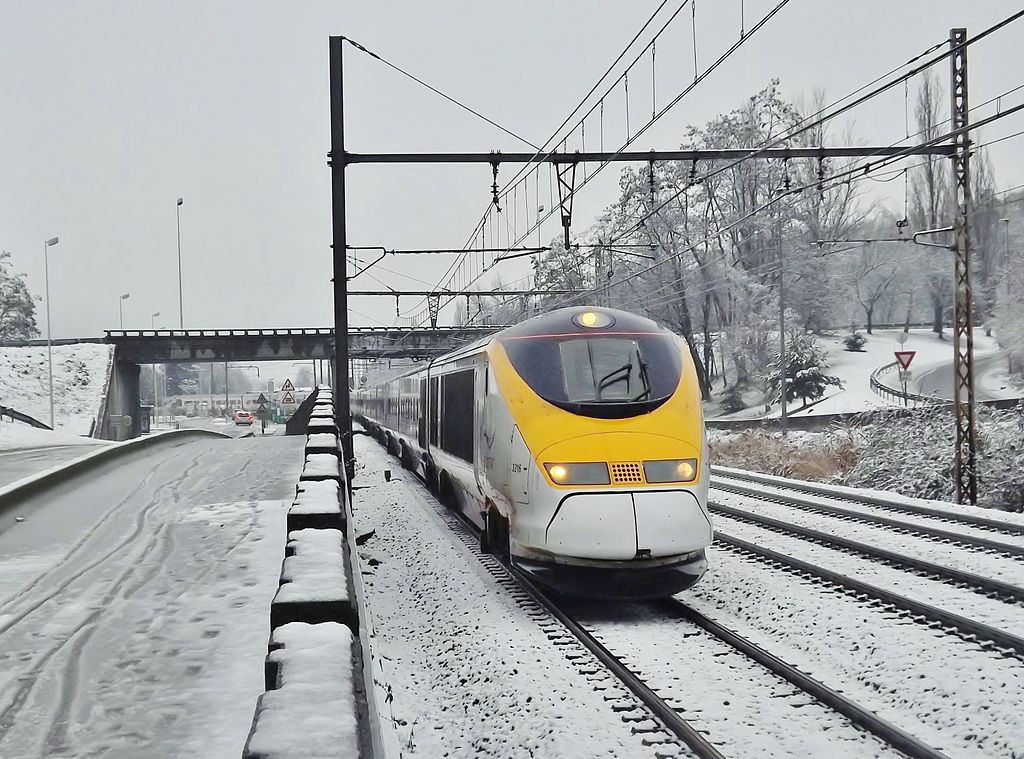
Elkan’s concerns highlight a growing disconnect between the demand for sustainable travel and the availability of rail services. March is traditionally one of the busiest months for European skiing, offering longer daylight hours and often significant late-season snowfall. By withdrawing the service before the start of March, Eurostar is forcing thousands of travelers who would prefer the train back onto short-haul flights or long-distance car journeys.
"What Eurostar seem to have done is taken a real step backwards," Elkan continued. "No Eurostar Snow in March, and inbound Saturday journeys only on some dates. Eurostar seems to be treating skiers as an afterthought. They should be venerating skiers and expanding services, not doing the bare minimum and paring back services."
The criticism also touches upon the "Saturday inbound" issue. For many British skiers, the standard holiday cycle is Saturday-to-Saturday. By making Sunday the primary return day, Eurostar creates a logistical hurdle for those booking traditional week-long accommodation packages, often requiring travelers to find an extra night of lodging or cut their trip short.
Historical Context and the Evolution of the Ski Train
To understand the current frustration, one must look at the history of rail travel between London and the French Alps. For nearly 20 years, the "Direct Ski Train" was a staple of the winter season. It ran through the night on Fridays and during the day on Saturdays, taking passengers directly from St Pancras to Bourg-Saint-Maurice without a change of trains.
The direct service was suspended during the COVID-19 pandemic and was eventually replaced by the "Travelski Express," a chartered service. When Eurostar merged with the Franco-Belgian operator Thalys, the "Eurostar Snow" brand was created. This new iteration utilized the existing high-speed infrastructure between Lille and the Alps but required the cross-platform transfer in Lille.
The transition to a connecting service was initially blamed on post-Brexit border control complexities at regional French stations and the need for Eurostar to streamline its fleet operations. However, rail advocates argue that after several years of the new system, the service should be expanding rather than contracting. The 2026/27 timetable represents the shortest season since the service’s inception, raising questions about Eurostar’s long-term commitment to the ski market.
Logistics and Onboard Experience
Despite the shortened season and the transfer in Lille, Eurostar maintains that the rail experience remains superior to air travel in terms of comfort and convenience. The company has highlighted several features designed to ease the journey for winter sports enthusiasts.
Upon arrival at the mountain stations, travelers are met by dedicated Eurostar Ski Hosts. These staff members are stationed at key points to assist passengers with the loading and storage of heavy luggage and ski equipment, a service intended to mitigate the stress of the transfer process. Onboard, both the London-to-Lille and Lille-to-Alps legs offer free Wi-Fi and access to the Eurostar Café, where passengers can purchase snacks and beverages.

The environmental benefits also remain a key part of the Eurostar value proposition. Data from various environmental impact studies suggest that a rail journey from London to the Alps produces up to 80% less carbon dioxide per passenger than a comparable flight. For the environmentally conscious traveler, this remains a compelling reason to choose the train, even with the logistical challenges of a shortened season and a mid-journey transfer.
Market Alternatives and the Broader Impact
For those unable to secure tickets on the Eurostar Snow service—or those wishing to travel in the "missing" months of March and April—alternative rail options do exist, though they often require more complex booking.
- Eurostar + TGV via Paris: Travelers can take a standard Eurostar service to Paris Gare du Nord, transfer via the RER or taxi to Gare de Lyon, and board a high-speed TGV train directly to the Alps. This route operates year-round and offers multiple departures daily, providing much more flexibility than the weekly Eurostar Snow service.
- Eurostar + Travelski Night Express: Travelski continues to offer packages that include rail travel, though these are often tied to specific accommodation bookings.
- Lille Transfer (Independent): Passengers can book a standard Eurostar to Lille and then book separate SNCF (French National Railways) tickets to the Alps, though this lacks the "protected connection" status of the official Eurostar Snow product.
The reduction in Eurostar’s service comes at a time when the ski industry is facing increasing pressure to improve its sustainability credentials. Ski resorts across the French Alps have invested heavily in "last-mile" green logistics, such as electric shuttle buses and hydrogen-powered grooming machines. However, the "first-mile" journey from the traveler’s home remains the largest contributor to a ski holiday’s carbon footprint. By reducing rail capacity, Eurostar may inadvertently hinder the industry’s broader climate goals.
Analysis of Implications
The decision to truncate the 2026/27 season may be driven by operational constraints that Eurostar has not fully disclosed. Potential factors include planned engineering works on the French high-speed lines, rolling stock availability, or a strategic shift toward more profitable year-round routes between major European capitals like Paris, Brussels, and Amsterdam.
However, from a public relations standpoint, the move is seen as a missed opportunity. The demand for rail travel is at an all-time high, and the "Snow" brand had the potential to become a flagship for sustainable tourism. The current strategy of "paring back" suggests a cautious approach that prioritizes operational simplicity over market growth.
As the 2026/27 season approaches, the limited number of seats and the shortened calendar will likely lead to a rapid sell-out of available tickets. While this may look like a commercial success on paper, the long-term impact may be a erosion of trust among the UK’s "rail-first" skiers, who are increasingly looking for reliability and consistency in their travel options. For now, those wishing to reach the slopes of France by train in March 2027 will have to navigate the more complex Parisian transfer or look toward other European destinations with better rail connectivity.

